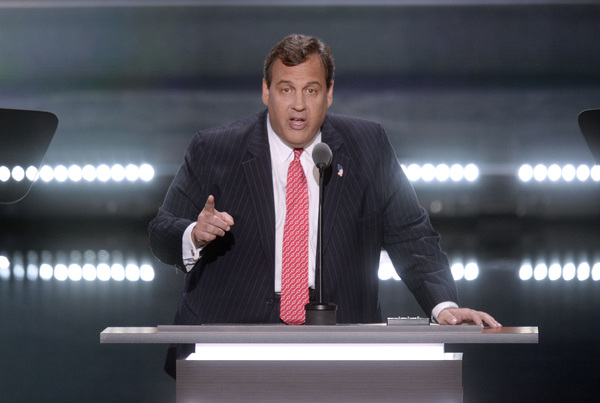
TRENTON, N.J. _ New Jersey Gov. Chris Christie is scrapping an agreement between New Jersey and Pennsylvania that has allowed taxpayers to pay income tax in the state where they live, not where they work.
The Christie administration on Friday notified officials in Harrisburg, Pa., that the governor was nixing the agreement.
That means wealthy Pennsylvania residents who work in the Garden State will be subject to Trenton's higher tax rates. Low- and moderate-income residents of South Jersey who work in Philadelphia are also likely to pay higher income taxes _ to Harrisburg.
About 125,000 Pennsylvania residents commute to New Jersey, and vice versa, according to Census Bureau estimates.
Christie, a Republican, issued an executive order June 30, the end of the last fiscal year, asking his administration to examine the issue. In the same order, he said the Legislature had failed to achieve $250 million in savings in public employees' health care costs, which he had called for in his February budget address.
In a statement Friday, Christie said he had taken action in response to that budget hole _ and left open the possibility that he might reverse course if the Legislature returns next week and takes "the action necessary to reduce" health care costs.
The Democratic-controlled Legislature "assumed public employee health insurance savings but did not give me the tools to make those savings real," the governor said, adding he had a constitutional duty to balance the state's budget.
"I will not raise state taxes, cut property tax relief, reduce aid to education or our hospitals, or reduce the state's record pension payment to cover for this blunder by the Legislature."
Christie's former treasurer, Andrew Sidamon-Eristoff, has estimated that ending the agreement could generate $180 million annually for New Jersey. To a lesser extent, it also would help Pennsylvania, according to Sidamon-Eristoff.
New Jersey Senate President Stephen Sweeney, a Democrat, opposed the change and said he hoped Christie would be open to renegotiating the agreement with Pennsylvania Gov. Tom Wolf.
Either state can withdraw from the Reciprocal Personal Income Tax Agreement, reached in 1977, by simply providing 120 days' written notice. Christie's decision did not require approval of the Legislature.
New Jersey has six income tax rates for individuals, ranging from 1.4 percent for those earning $20,000 or less to 8.97 percent for those earning at least $500,000. There are seven rates for married couples filing joint returns.
Pennsylvania's rate is flat at 3.07 percent, regardless of income. New Jersey residents who earn more than $35,000 _ or married couples earning more than $70,000 and filing a joint return _ currently pay a higher tax rate. Christie's decision means Pennsylvania residents who work in New Jersey will pay those higher rates, effective Jan. 1.
Many low- and moderate-income South Jersey residents working in Pennsylvania also could face higher income taxes, because they'd be forced to pay the Keystone State's 3.07 percent rate. Under New Jersey's system, individuals making $35,000 or less pay lower rates, as do married couples earning $70,000 or less who file joint returns.
"This is one of these deals where there's winners and losers on both sides," said Ralph Thomas, executive director of the New Jersey Society of Certified Public Accountants.
Taxpayers also can expect more paperwork: They'll have to file two returns instead of just one to their home state, said Tom Martin, managing partner of the accounting firm Klatzkin and Co.
"It'd be a hassle," he said in an interview Friday. "I guess it's good for accountants."
What's more, South Jersey residents who work in Philadelphia will no longer be able to claim a credit for paying the city's wage tax, which is 3.47 percent for nonresidents. While claiming such a credit was permissible under New Jersey law, Pennsylvania prohibits such credits: just ask a commonwealth resident working in Philadelphia (who pays a higher rate of 3.9 percent).
About 20,000 Philadelphia residents work in New Jersey, while 90,000 residents of Camden, Burlington, and Gloucester Counties work in Pennsylvania, according to Census Bureau estimates.
Previous governors, such as Democrat Jim McGreevey in 2002, had considered abrogating the agreement in search of revenue but did not follow through.