
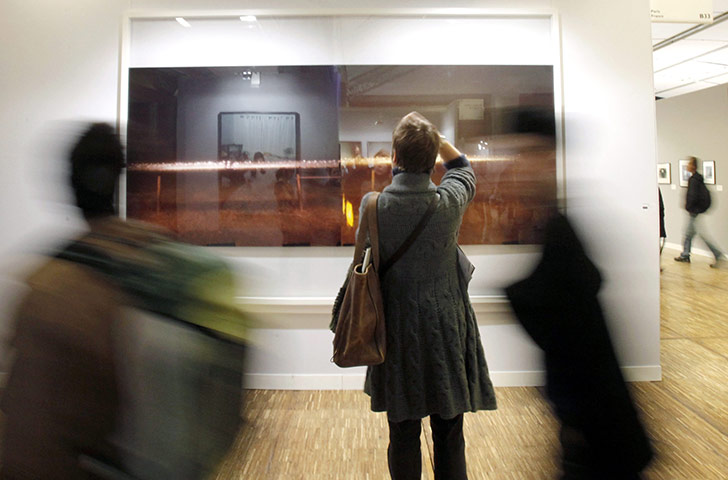
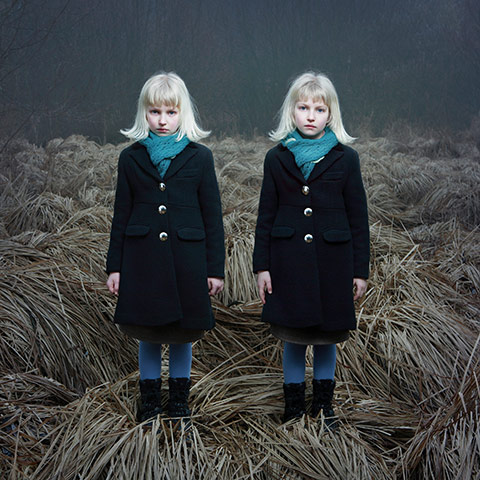
The popularity of portraiture is one of the dominant trends identified by curator Guillaume Piens in contemporary work. In this series, Two, Tereza Vlckova, a young Czech artist, presents identically dressed, unsmiling ‘twins’ in eerily claustrophobic natural environments. All is not what it seems: while some of the couples are genuine, others are manufactured via Photoshop
Photograph: Copyright Tereza Vlckova, courtesy Leica Gallery, Prague
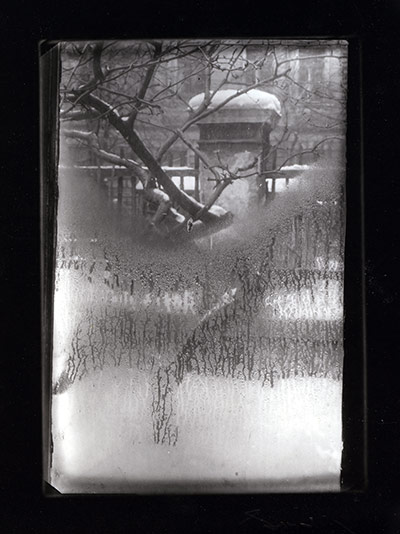
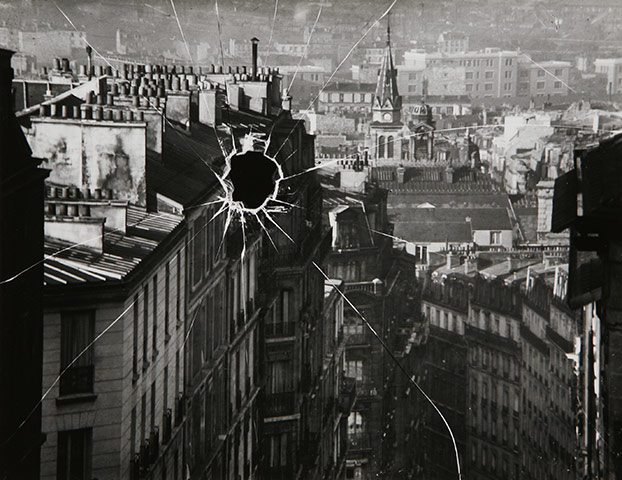
Josef Sudek first photographed from one of the windows of his Prague studio in 1940, and the pictorial possibilities he discovered were to engage him until the mid-1950s. Seasonal variations, compositional modifications and the behaviour of the glass exerted a fascination that endured. The series is often understood as a response to the difficulties of making meaningful art under German occupation and the subsequent Communist regime Photograph: Copyright Anna Farova, courtesy Robert Koch Gallery, San Francisco
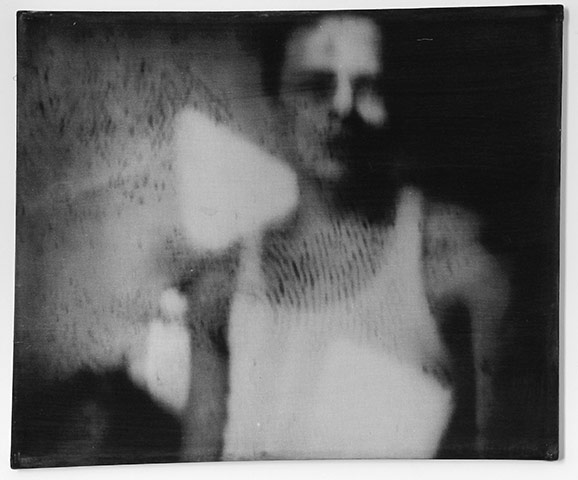
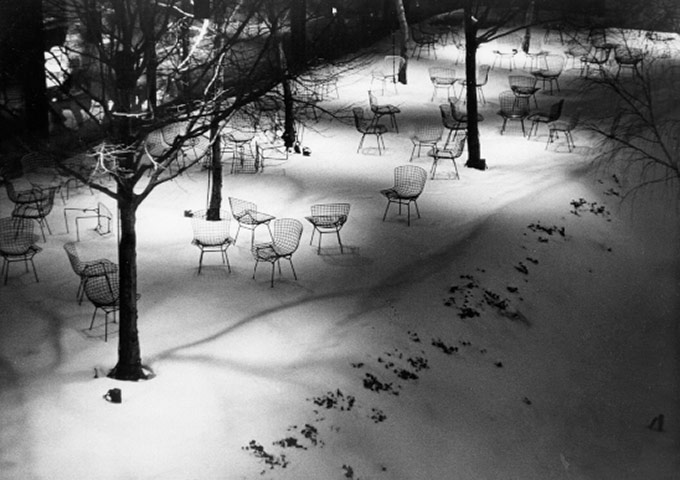
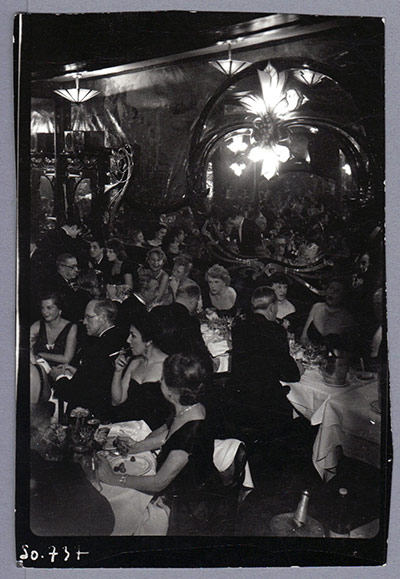
The countries of central Europe, Hungary amongst them, proved pivotal to the formation of the twentieth century avant-gardes. Like his compatriot Brassai, Kertesz was capable of combining in his work elements of both documentary and the surreal Photograph: Estate of Andre Kertesz 2010 / Courtesy Higher Pictures/ Vintage Gallery, Budapest
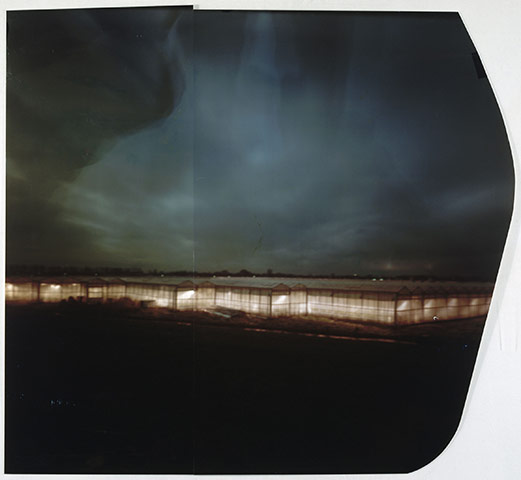
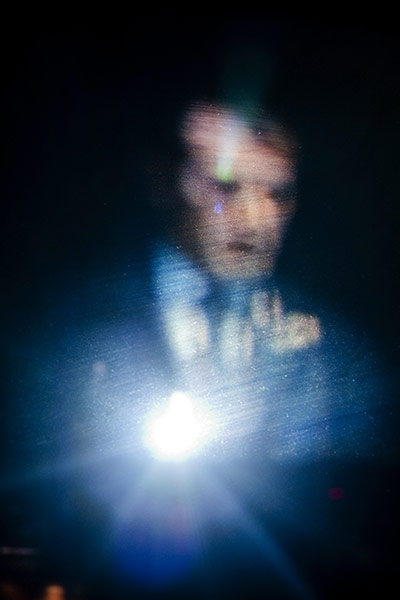
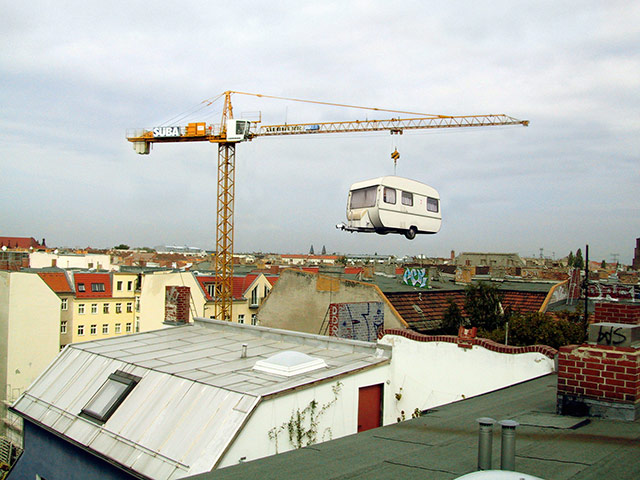
This year’s BMW-Paris Photo prize, worth €12,000, has been awarded to Amsterdam-based Hungarian Gabor Osz, who submitted this image. He made the picture by converting a caravan into a camera obscura, which he used to photograph night-time greenhouses over a period of four days Photograph: Courtesy Galerie Loevenbruck, Paris
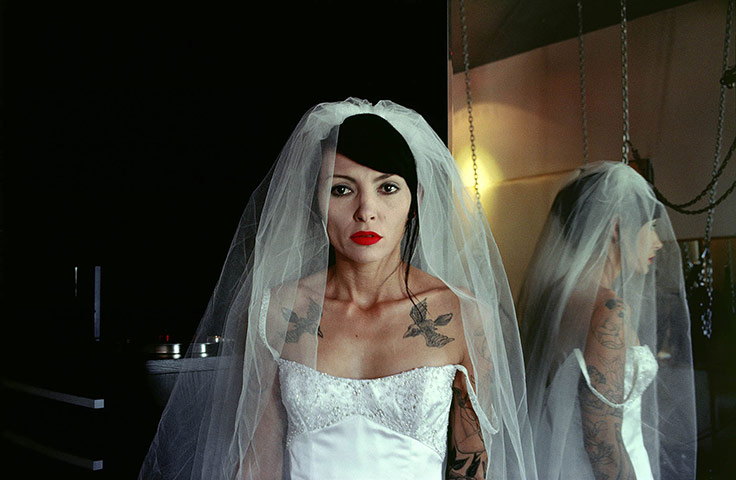
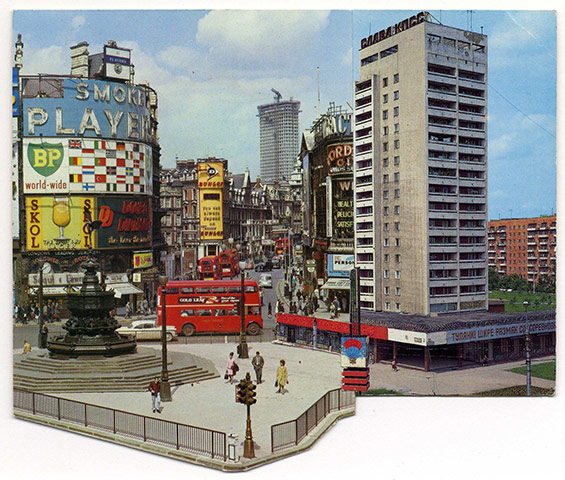
Dziaczkowski, a 27 year old from Poland, uses a series of wry photo-collages to imagine a transformed Europe in which the Iron Curtain falls across Spain, Portugal, or – in this case – London’s Piccadilly Circus Photograph: courtesy Laurence Miller Gallery New York
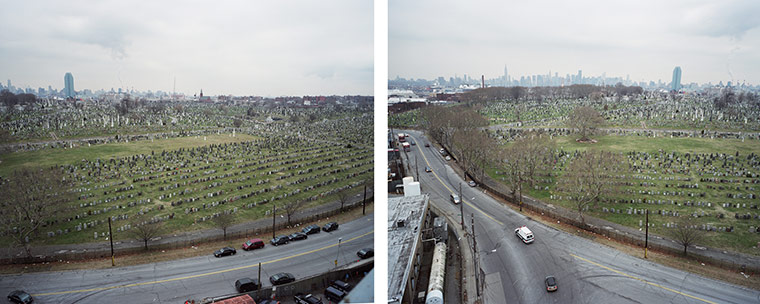
Pole Monika Wiechowska, now resident in New York, uses a vantage point above the sprawling Calvary Cemetery in Queens to produce a sober view of her adopted home city. That most famous of skylines is relegated to a thin strip between the tombstones and the blandly neutral clouds Photograph: courtesy of the artist and Czarna Gallery, Warsaw
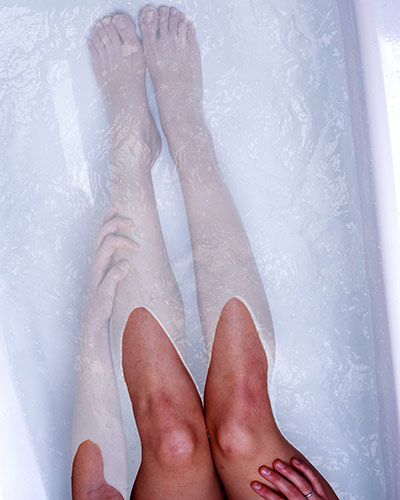
Slovak artist Lucia Stranaiova’s latest work explores the use of collage to transform scenes of emotional or physical intimacy. ‘I use photography to depict objects and situations in their detailed physical form,' she says, 'however, I try to shift this reality into other levels when it comes to their meaning and content' Photograph: Courtesy Photoport Gallery, Bratislava
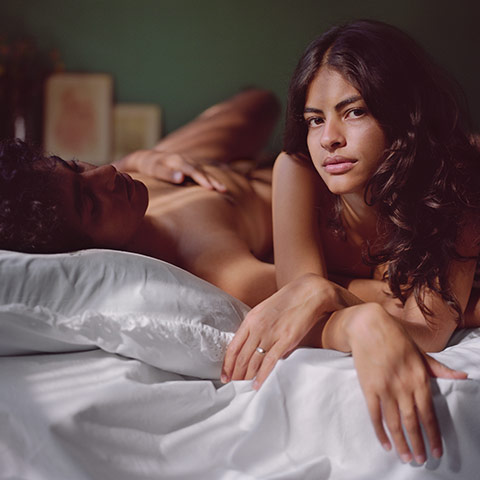
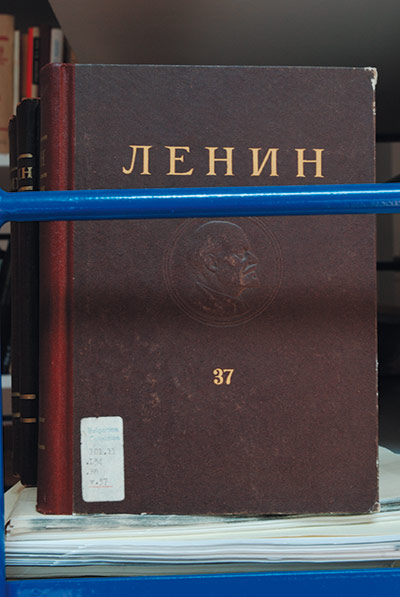
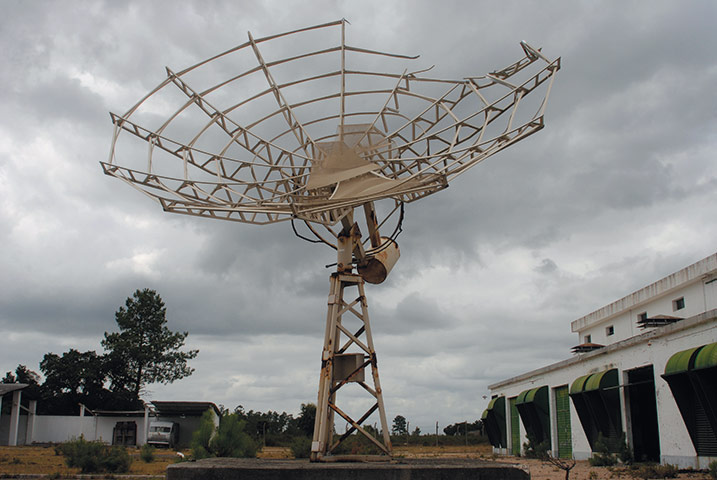
The Hungarian Gabriella Csoszo addresses the legacy of the Cold War in two new bodies of work – Free Copies, and Retransmission Timeout. This photograph shows a volume held in the Open Society Archives, the initiative committed to documenting and preserving a collection of primary sources relating to central Europe’s recent political past Photograph: Copyright Gabriella Csosz , courtesy courtesy Faur Zsofi-Raday Gallery, Budapest



.png?w=600)








