New Guinea's newly discovered species - in pictures
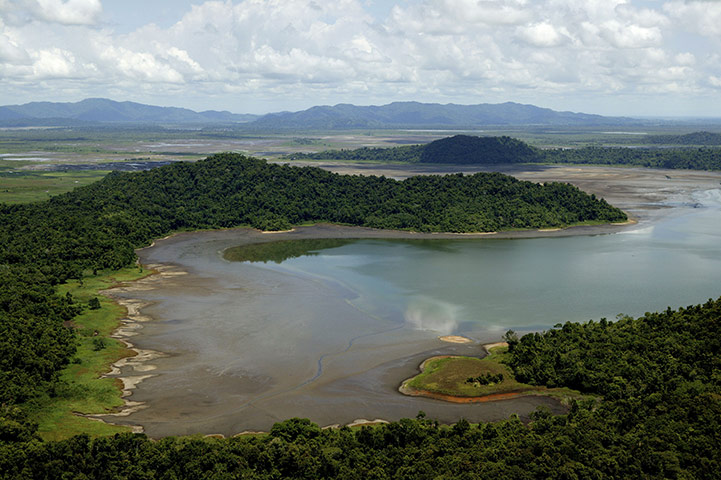
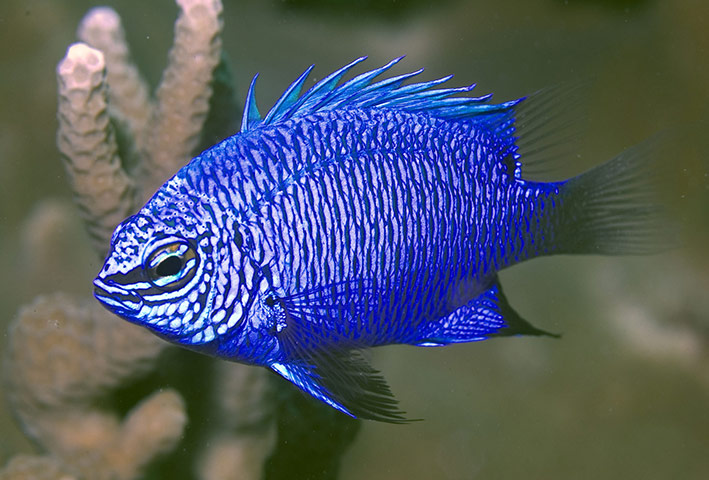
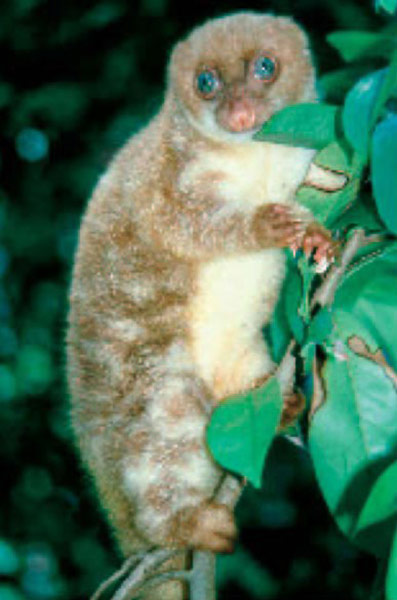
At the end of the dry season in East Sepik province. The low water in a river exposes the dry basin. Forest loss in other parts of the world mean that New Guinea now contains the planet's third largest block of rainforest. WWF is developing a framework to protect important freshwater and forest resources in the Sepik that offer significant habitat for threatened species such as the harpy eagle and cassowary, as well as providing subsistence livelihoods for local communities. To this end we are supporting a range of activities in the Sepik river basin, including the establishment of protected areas, the sustainable harvest of freshwater and forest products, and the development of ecotourism, healthcare and community educationPhotograph: WWFNew Guinea is centred in a region known as the Coral Triangle, which supports the most diverse marine ecosystems on Earth. In just 10 years, 33 new fish species have been discovered in the oceans surrounding the island, including the damselfish Chrysiptera cymatilis. This striking blue fish was found in the waters of Milne Bay, Papua New Guinea, a region of pristine reef environments and home to a huge number of fish speciesPhotograph: WWFOne new mammal species has been discovered in the region on average every year over the past ten years. The highest diversity of tree-dwelling marsupials in the world exists on New Guinea, with an incredible 38 species. One of these species, the Blue-eyed Spotted Cuscus (Spilocuscus wilsoni), a small possum endemic to Papua in Indonesia, was discovered in 2004Photograph: WWF
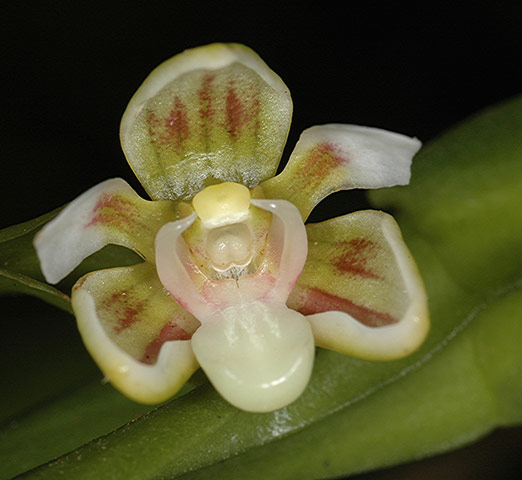
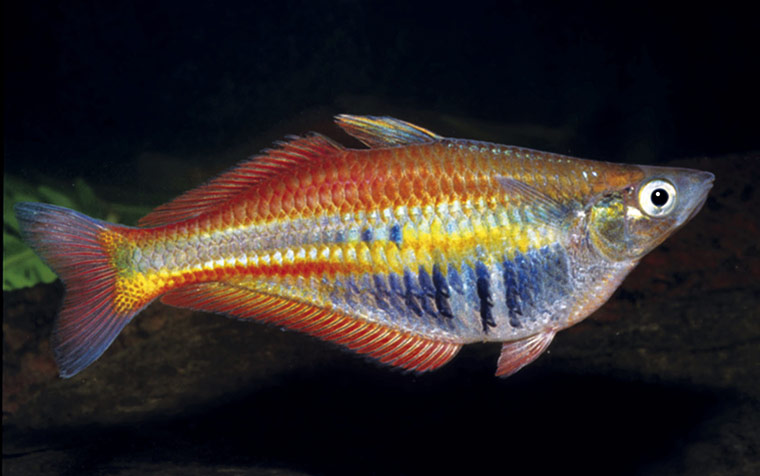
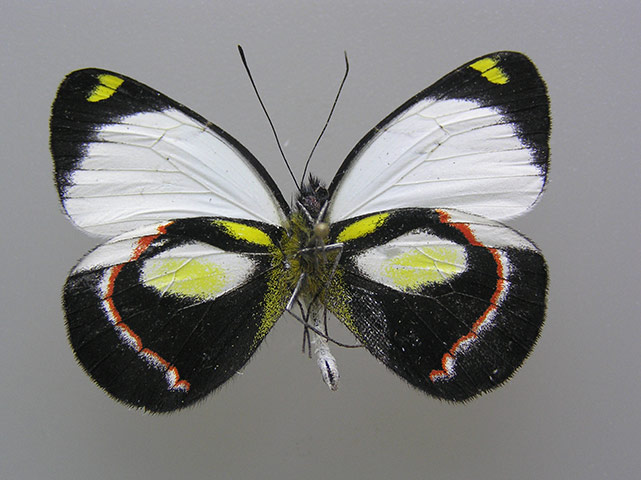
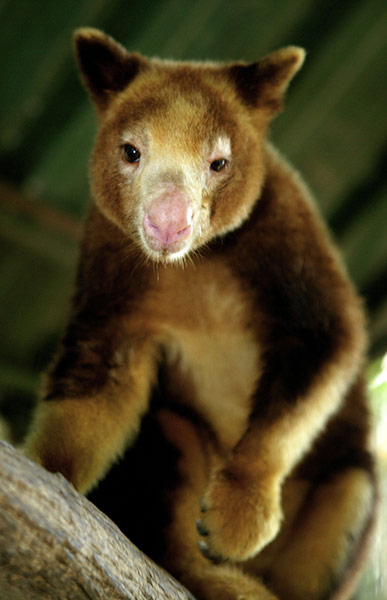
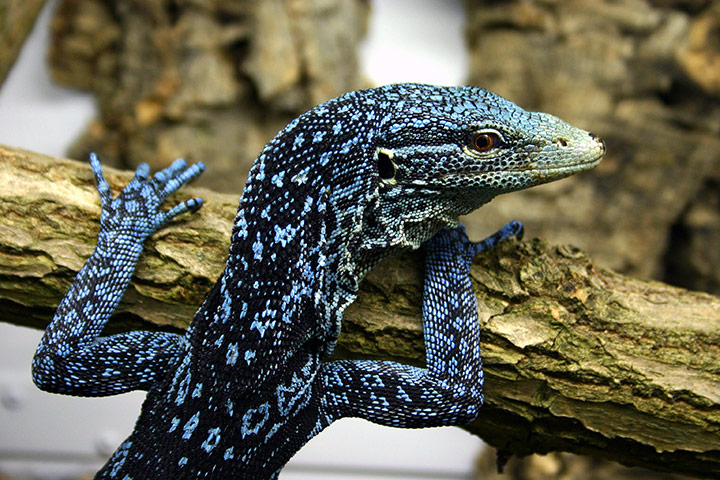
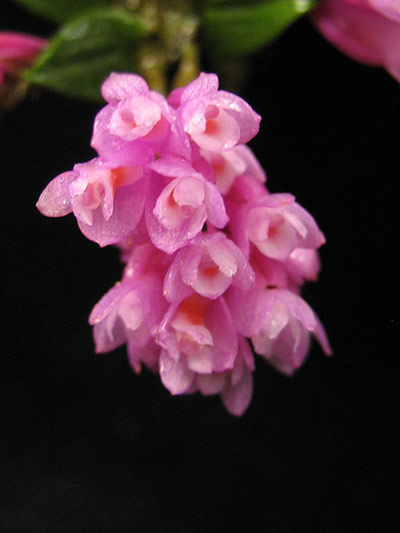
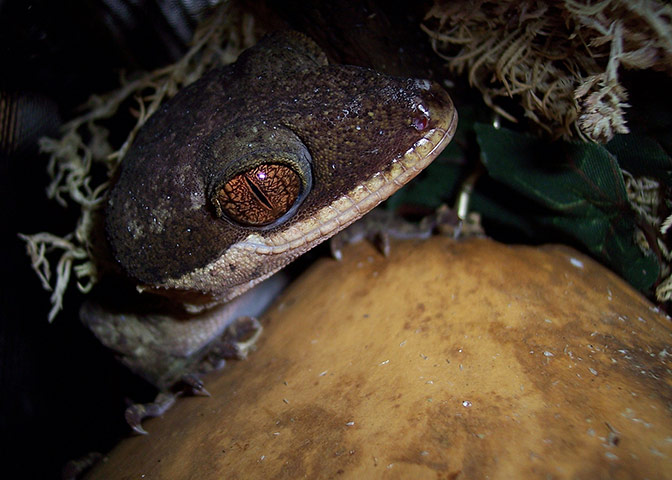
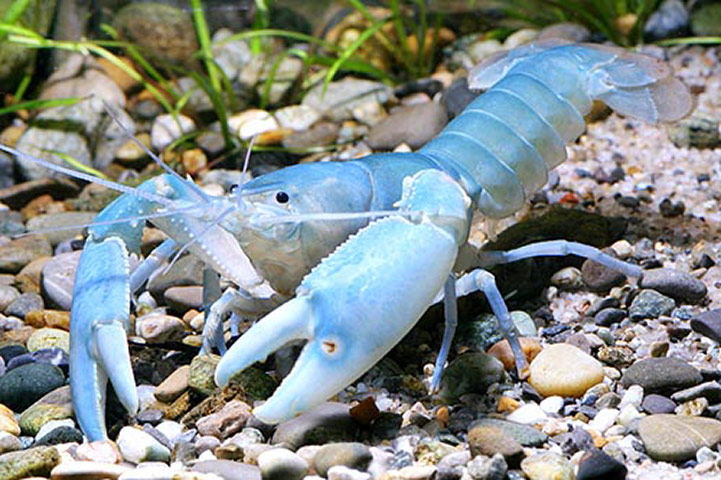
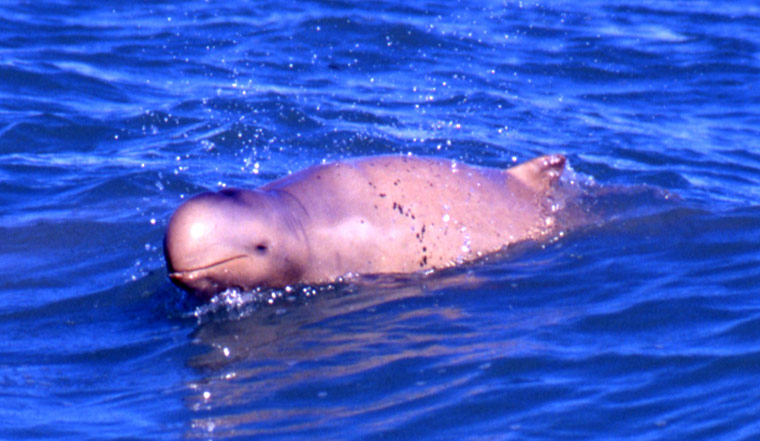
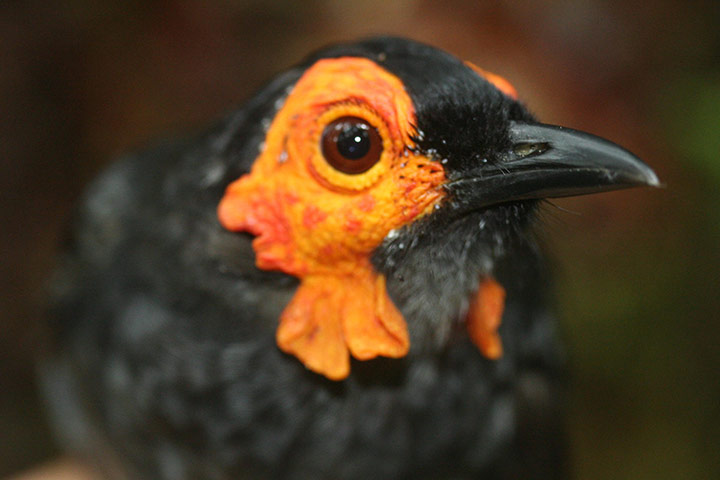
Expeditions by WWF scientists, between 1998 and 2006, have also added significantly to the known orchid diversity found on the island of New Guinea. Our teams collected some 300 species of orchids in Papua New Guinea's Kikori region. Eight of these were found to be new to science. They included Cadetia Kutubu, with a fleshy flowerPhotograph: WWFNew Guinea has some of the most beautiful freshwater fishes found anywhere, including gobies, gudgeons and rainbow fish. Rainbow fish are small but breathtaking in colour, varying from a single vivid colour to a spectrum. Between 1998 and 2008, no fewer than seven new species of rainbow fish have been identified in Papua New Guinea and Papua in Indonesia, including Chilatherina alleni or Allenís rainbow fishPhotograph: WWFA large green tree-dwelling frog, Litoria dux, was discovered on the northern side of the Huon Peninsula, a 16,500 sq km area of montane and lowland forest surrounded by ocean. The frog's name comes from the Latin dux, meaning leader, alluding to its bright coloration and impressive appearance, particularly its red irisPhotograph: WWFThe 580 new invertebrate species described between 1998 and 2008 have displayed a large variety of types. They include four Delias butterfly species from the Foja Mountains in Papua in Indonesia. These add to the already impressive list of butterflies and moths, topped by the largest butterfly in the world, the giant Queen Alexandra Birdwing, which has a wingspan of up to 30cm, and the Atlas moth, the worlds largest mothPhotograph: WWFA captive Huon or Matschie's tree kangaroo (Dendrolagus matschiei), National Botanic Gardens, Port Moresby. Despite a body designed to hop along the ground, many species in New Guinea have evolved to live in the forest canopy, where there are rich pickings of foodPhotograph: Getty/WWFThe most striking new reptiles identified in New Guinea in the last decade are the three new monitor lizards discovered on tiny islands off the Vogelkop (Birdís Head) Peninsula of Papua in Indonesia. Varanus macraei, found on the island of Batanta and described in 2001, is one of the most spectacular reptile discoveries anywhere. Capable of reaching a metre in length, this beautiful species is black with a mesmerising pattern of turquoise and blue Photograph: WWFThe forests of New Guinea harbour a rich variety of flowering plants. Orchids are the prime example of this plant diversity, and 100 new orchid species from New Guinea were officially described between 1998 and 2008 alone. These include the magnificent pink Dendrobium limpidum from Papua New Guinea, described in 2003Photograph: WWFSome 43 new reptile species were discovered on New Guinea between 1998-2008: this includes 5 snakes, 37 new lizard species and a soft-shelled turtle. New lizards found in the decade 1998 to 2008 include 17 species of skinks, 12 geckos, 5 forest dragons and 3 monitor lizards. The Giant Bent-Toed Gecko (Cyrtodactylus irianjayaensis) was discovered by scientists in Indonesian New Guinea in 2001Photograph: WWFThe 580 new invertebrate species described between 1998 and 2008 have displayed a large variety of types. Nine new species of snails have been discovered, in the Louisiade Archipelago and the Owen Stanley Ranges in Papua New Guinea, including Paryphantopsis misimensis, an extraordinary brilliant bright yellow coloured snail found in 2006 in the forests of the Louisiade ArchipelagoPhotograph: WWFThe New Guinea crayfish, Cherax holthuisi, was discovered in 2006 and is one of the smallest members of the Cherax genus (also known as ‘yabbies’ across Australasia), measuring 9-12cm long. Although new to science, wholesalers have already introduced the species to the European and Japanese pet market; however, the biology of the species in the wild, its distribution range, its conservation status and its value to local communities remain unknown. Although named the “New Guinea apricot crayfish”, fantastically-coloured variants of the species existPhotograph: WWFIn the waters south of New Guinea, an unexpected discovery was made in 2005. The snub-fin dolphin, Orcaella heinsohni, was once thought to be a member of the Irrawaddy species of dolphin. However, researchers found that snub-fins have different coloration, skull, fin and flipper measurements. That makes them the first new dolphin species recorded for at least 30 years. A skull of the new dolphin species was collected from Daru, Papua New Guinea. Scientists believe these dolphins occur mainly in protected, shallow, coastal waters, specially adjacent to river and creek mouths. The expected range of O. heinsohni is the coastal zones of Australia and Papua New GuineaPhotograph: WWFIn November 2005, a team led by Conservation International landed by helicopter into a lost world deep in the forests of New Guinea's mist-shrouded Foja Mountains in Indonesia's Papua Province. Within minutes of arriving in this isolated range, the field team discovered a new bird species, the Wattled Smoky Honeyeater (Melipotes carolae). What helped the honeyeater elude discovery was it's silent nature. The scientists never heard or recorded the species making a sound, a characteristic that separates Melipotes carolae from other honeyeaters Photograph: WWF
Sign up to read this article
Read news from 100’s of titles, curated specifically for you.