Doing nothing but to stir up antagonism with the central government will make it impossible to fulfill the important role of leading prefectural administration. A newly elected Okinawa governor should make slow but steady efforts to reduce the burden of hosting military bases and improve the living standards of residents in his prefecture.
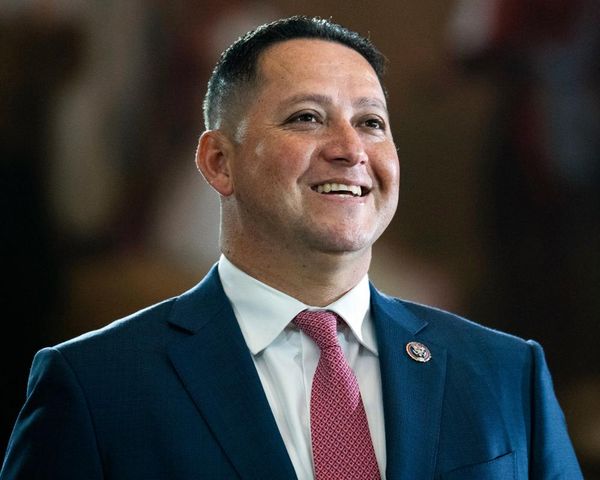
With voting and ballot counting completed in the Okinawa gubernatorial election, Denny Tamaki, a former House of Representatives member backed by opposition parties, has been elected for the first time, defeating among other candidates Atsushi Sakima, a former Ginowan mayor recommended by four parties, including the Liberal Democratic Party and Komeito.
In reference to a plan for the transfer of the U.S. Marine Corps' Futenma Air Station in Ginowan to the Henoko area in Nago, Tamaki emphasized, "Whatever may happen, I'll make sure a new base will never be built." Another factor behind the increase in voter support for Tamaki seems to have been his camp's appeal emphasizing the election as an effort to carry out the wishes of the recently deceased Gov. Takeshi Onaga.
Many Diet members of the LDP and Komeito visited the prefecture, hoping to support Sakima with all their might. His defeat is a heavy blow to the administration of Prime Minister Shinzo Abe.
If Tamaki continues to oppose the transfer to Henoko, delays in the relocation work cannot be avoided. Although the Japanese and U.S. governments are seeking to achieve the return of the Futenma facility to Japan in fiscal 2022 at the earliest, there have been great delays in that work.
With a view to proceeding with the project, the government must sincerely promote consultations with the prefectural government while also making steady progress in realigning and reducing the bases.
Henoko only realistic option
The prefectural government led by Onaga had tried to hinder the relocation project through such means as revoking the approval of reclamation work in the Henoko area and filing a lawsuit demanding a halt to construction work there. His assertions have not been accepted in court.
In August, the prefectural government retracted its approval of reclamation work. The national government intends to file a suit in court soon demanding the prefectural government suspend the execution of the retraction decision. Tamaki must realize that there is a certain measure of criticism even among local residents regarding the prefectural government's continued fight with the central government over the base issue.
In his election campaign, Tamaki emphasized the necessity of removing dangers involved in the Futenma base, too. The relocation of the facility to the Henoko area is the only realistic option in the effort to realize the return of the Futenma base.
Given Japan's severe security environment, the U.S. military's deterrent power is indispensable. It is essential to reduce the burden of hosting the bases and prevent accidents involving local residents. Tamaki should calmly judge what should be done to achieve these aims.
The opposition parties that supported Tamaki have opposed the transfer to Henoko, saying that a "different solution" should be pursued. Insisting on achieving the return of Futenma without presenting a concrete proposal cannot avoid being labeled as irresponsible, as it is akin to the assertion made by the administration of Prime Minister Yukio Hatoyama, who headed the now-defunct Democratic Party of Japan.
The position of prefectural governor is different from that of an opposition party lawmaker. Now that Tamaki assumes a heavy responsibility to attain Okinawa Prefecture's development, he needs to promote comprehensive measures to increase the income of prefectural residents and expand regular employment there. Closely cooperating with the national government is indispensable.
(From The Yomiuri Shimbun, Oct. 1, 2018)
Read more from The Japan News at https://japannews.yomiuri.co.jp/