CHICAGO _ Some of the lettering on the death certificate for Mary Doi's grandmother has faded away. But the space that lists where she died in 1943 is bold and legible: Rohwer Japanese American Relocation Center.
The document brings Doi to tears. She recalls the quiet grief her mother carried with her from losing her own mother while they _ like tens of thousands of other people of Japanese descent _ were detained in camps on American soil after Japan's attack on Pearl Harbor plunged the U.S. into World War II.
More than 75 years later, Doi and her daughter Lisa traveled for the first time to the place in rural Arkansas where their ancestors were detained, retracing a chapter of history that defined the lives of many Japanese Americans but that many chose not to talk about, the memories too painful to be relived.
"I can approach (that history) through my head. I can approach it through documents. But I can't approach it emotionally," said Doi, who is 66 and lives in Evanston, Ill. "I know I've been guarded. For me, deciding to go on the pilgrimage, I wanted to see if being there would trigger feelings."
The Dois are part of a growing number of Japanese Americans seeking to learn about their family's experiences of internment _ justified then for purported national security reasons but now seen by many as one of the most shameful episodes in American history. The mother and daughter were among more than 130 descendants of internees who stood together at the Rohwer camp on the April trip.
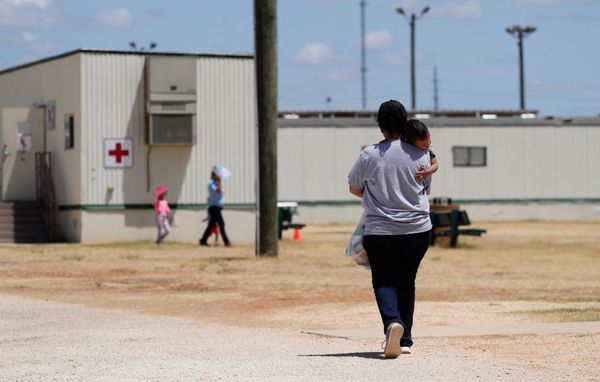
The resurgence of interest in the internment camps _ now often referred to as incarceration camps _ seemed to be spurred by the deaths of those with firsthand knowledge of them, by a new generation of descendants seeking to understand their past, and by the echoes that some see in current U.S. policies on immigrant detention and more broadly in attitudes toward racial and ethnic minorities.
"There are a lot of young people, third and fourth generation, who are taking interest in their grandparents' and great-grandparents' life experiences," said Karen Umemoto, director of the University of California at Los Angeles' Asian American Studies Center.
Umemoto last year went on her own pilgrimage to visit what remains of the Manzanar camp in the Owens Valley of California, where her father was detained.
"The Nisei generation (those born to Japanese immigrants) that were in camps as children or as young adults _ many have passed on," Umemoto said. "Part of the phenomenon of the pilgrimages is an honoring of those ancestors."