New government funding is set to become available for the removal of dangerous cladding from buildings previously excluded from state assistance.
Until now, structures under 11 metres were not covered by existing leaseholder protections, as serious cladding issues were considered less prevalent in lower-rise properties.
However, the Ministry of Housing announced on Thursday that new funds will be accessible via the Cladding Safety Scheme for buildings below 11 metres.
Priority support will be directed towards those identified as posing the highest fire safety risks. Leaseholders in these smaller buildings have faced substantial costs to rectify safety defects, and the department stated this funding aims to shield individuals from such expenses.
While no specific figure for the allocated funding has been disclosed, the scheme will be administered by Homes England, with applications opening in August.
Building safety minister Samantha Dixon confirmed in a parliamentary statement that the funding would "support the remediation of unsafe cladding on a small number of multi-occupancy residential buildings under 11 metres in England".
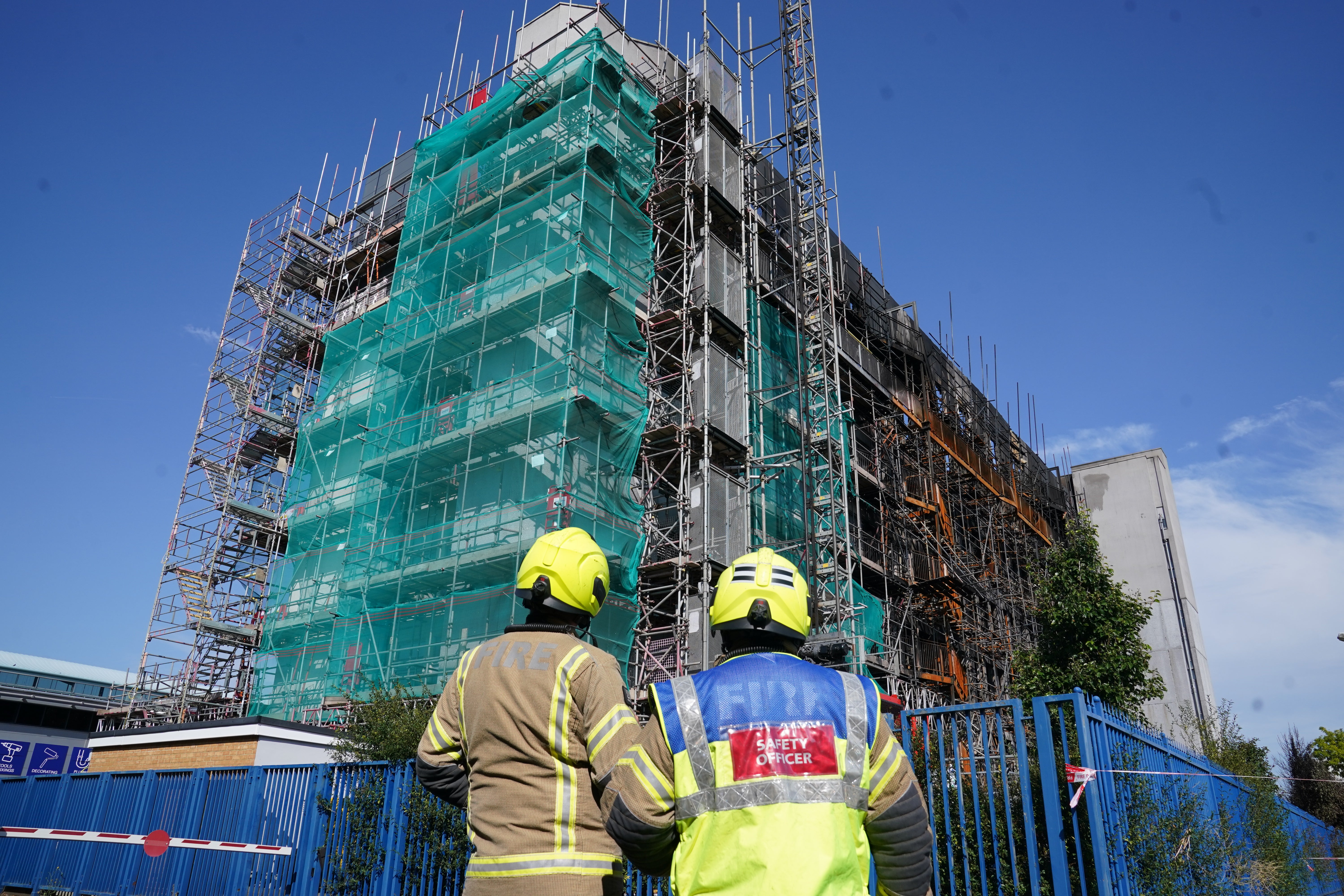
While campaigners welcomed the “recognition that leaseholders and residents in these buildings have faced prolonged uncertainty”, they cautioned that “with limited funding, it risks becoming another narrow, bureaucratic scheme: giving people hope only to lock them into more years of delay”.
The National Housing Federation welcomed the extension on funding to lower-rise buildings.
Its chief executive, Kate Henderson, said: “This is an approach the sector has long called for, as height alone is not a reliable measure of risk, and will ensure capacity is directed to where it’s needed most.
“Housing associations continue to work hard to make all their buildings safe. The social housing sector is leading the way on remediation, but the scale and complexity of the challenge mean government support remains essential.
“This announcement is an important step towards accelerating remediation and ensuring residents in buildings of all heights feel safe in their homes. We will continue to work closely with the government to ensure all buildings with serious external wall safety risks are remediated as quickly as possible.”
Labour unveiled its Remediation Acceleration Plan in 2024, pledging that, by the end of 2029, all buildings more than 59ft (18m) tall with unsafe cladding that are on a Government scheme will have been remediated.
For buildings over 11 metres with unsafe cladding, within the same timeframe those will either have been remediated, have a date for completion, or the landlords will be liable for severe penalties, it vowed.
The Government warned building owners who fail to remove dangerous cladding “we are after them”, and said they could face jail.
The latest figures, published by the Ministry of Housing, Communities and Local Government last month, showed that at the end of May there were 4,411 residential buildings 11 metres and over in height which had been identified with unsafe cladding in England.
Just over half (53 per cent or 2,331 buildings) had either started or completed remediation works.
Ms Dixon said: “Residents shouldn’t be left worrying about living in homes with dangerous, flammable cladding, just because their building isn’t tall enough to qualify for funding.
“That’s why we’re taking action so that buildings posing the greatest risk to life are prioritised, as well as streamlining processes to minimise delays and make responsibilities clear.”
The Government also welcomed a review by the Financial Conduct Authority (FCA) into how insurance premiums for buildings with fire safety risks have changed since new rules came in in 2023.
Rachel Blake, economic secretary to the Treasury, said: “Too many leaseholders have spent years facing uncertainty and have been unable to move on with their lives because of building safety issues they did not cause.
“As we work to make buildings safer, leaseholders deserve confidence that they are paying a fair price for insurance. The FCA’s review will help us better understand how insurers are pricing and whether leaseholders are getting fair value.”
The End Our Cladding Scandal campaign group said: “Sadly, Labour’s approach only continues the pattern of the previous government. It is all still piecemeal and will do nothing to resolve the range of issues and gaps they have known for years.
“Labour recognised this as a building safety crisis in its manifesto but is now choosing to focus on cladding alone.
“All leaseholders deserve to know when they will be able to move on with their life.
“This must mean all external and internal defects are fixed to a consistent national standard and no leaseholder – all of whom are equally blameless – pays for a crisis caused by successive governments and industry.”