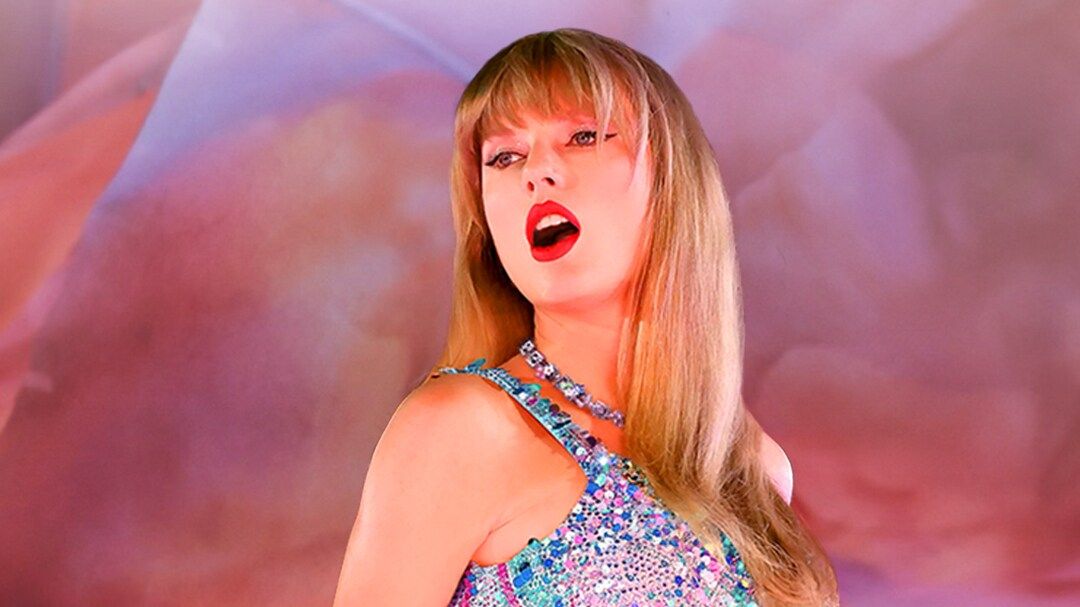
For a brand, celebrity endorsement is a big deal. Get Hollywood's latest sweetheart on your side, and the impact could be better than a large-scale campaign, but they don't come easy. Celebs are looking for partnerships that build their personal brand, so top stars tend to be pretty choosy about who they work with; hence, it was quite a surprise when fans recently saw Taylor Swift promoting a new get-rich-quick scheme on TikTok.
Obviously, for the majority of you internet-savvy readers, this instantly feels like a scam. Still, for the unlucky few, scammers were able to get hold of their personal data through the guise of celebrity trustworthiness. With these scams increasing in both quantity and refinement, it's understandable that Taylor and other celebrities are increasingly seeking legal protection against AI deepfakes.
@wollinshopoficial Learn more
♬ son original - mémoire100
A report from AI detection company Copyleaks found that celebrity likenesses, including Taylor Swift, Ariana Grande and Rihanna, have been seen peddling fraudulent money-grabbing schemes. The sponsored videos promote 'TikTok Pay', boasting the quick and easy method of earning money, simply by leaving feedback on videos. In one video, faux Rihanna claims, “You literally just watch content and give your opinion,” while fake Taylor urges fans to sign up, reassuring, “if the page opens for you, don’t overthink it."
Promoting "potentially fraudulent or malicious services", the videos use deepfake technology to make it appear that the celebrities are candidly sharing the new get-rich-quick schemes. While the AI have a distinctly soulless cadence and the visuals are by no means perfect, heavy glitch-effect filtering on the videos creates enough of a veil to hide any uncanniness. With content taken from interviews and red carpets with the TikTok logo pasted over top, there's an 'authenticity' to the content, leading some users to share personal information in the guise of signing up to the scheme.
It's not the first time this has happened; only last year, we were seeing deepfake videos of Taylor Swift flogging Le Creuset Dutch ovens with the similar aim of nefarious data collection. As AI technology gets smarter, these scams will likely become more prevalent, and while there are services like Copyleaks AI image detector and the crafty three-finger test, the less vigilant among us will likely continue to be ensnared in these traps.