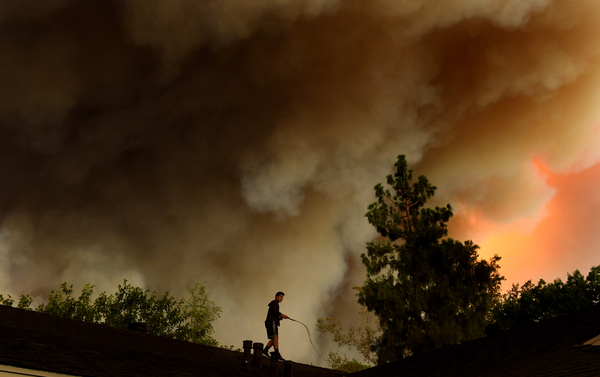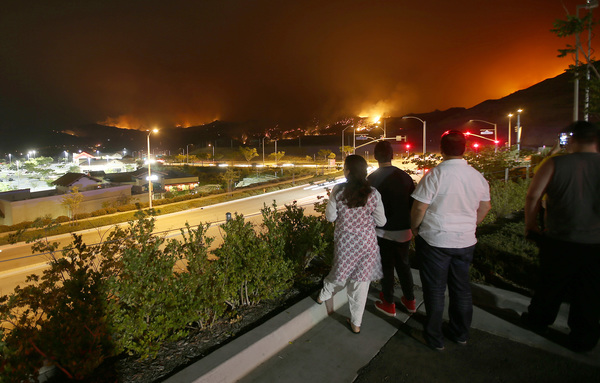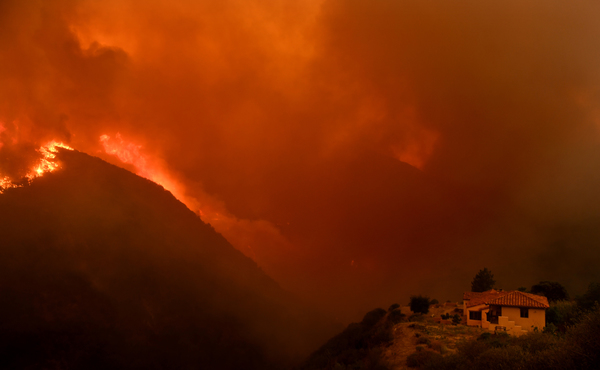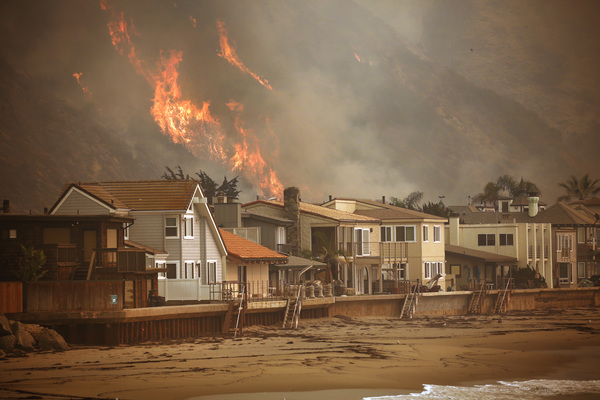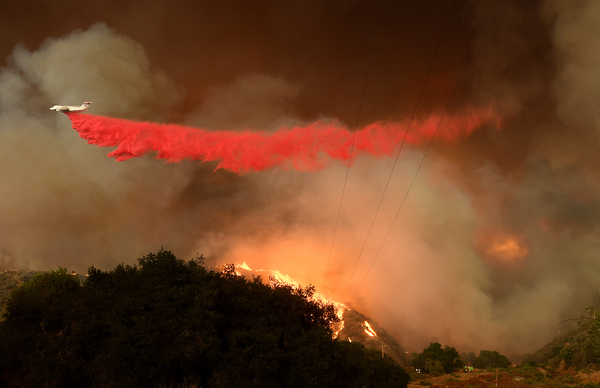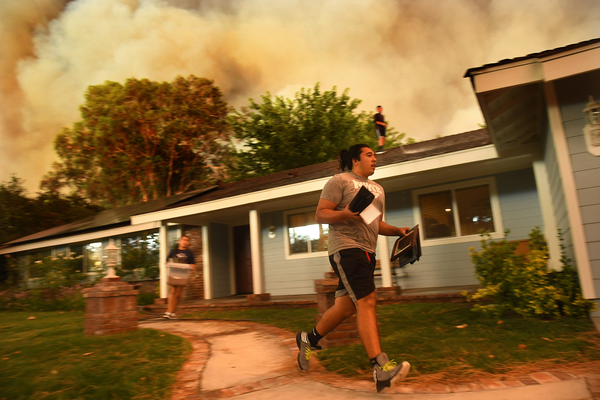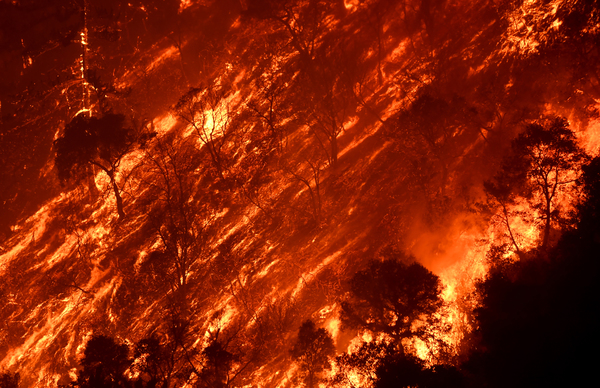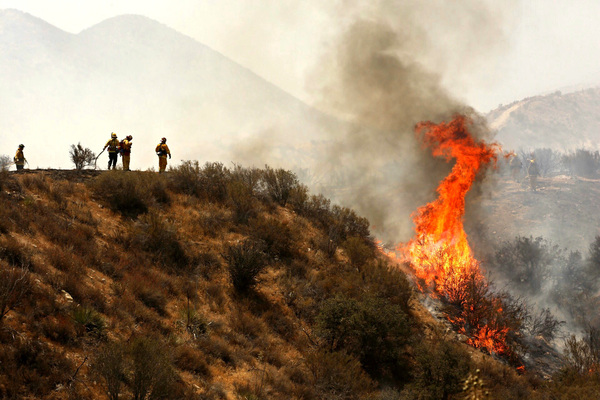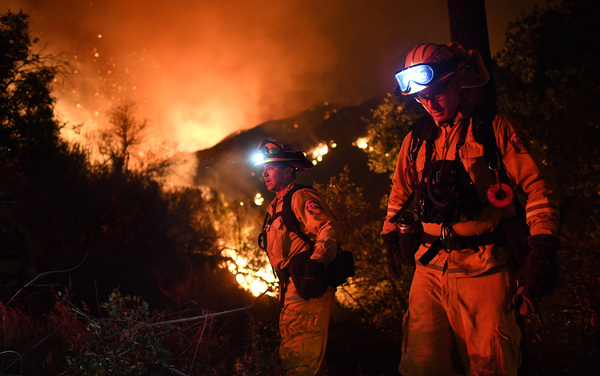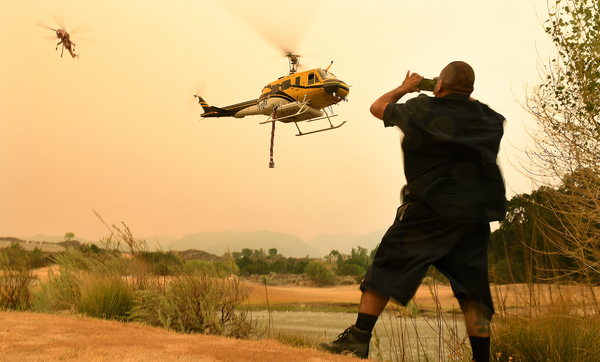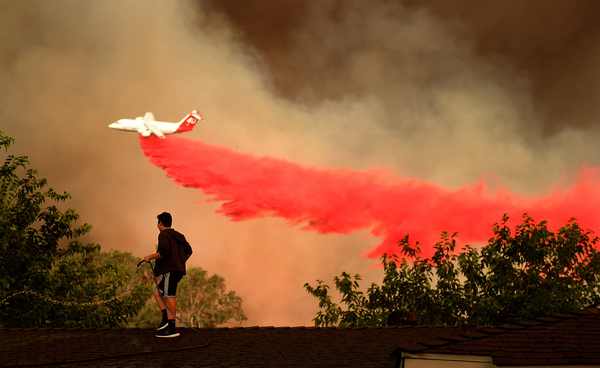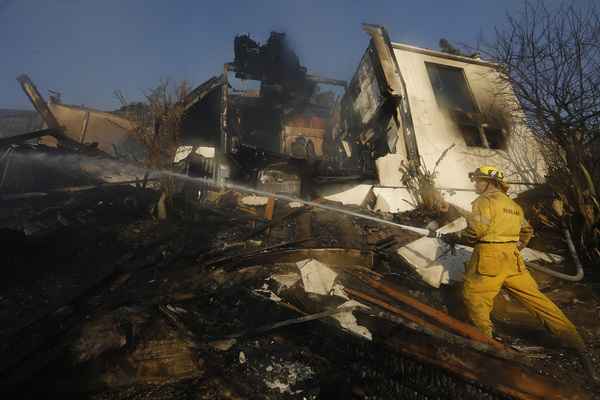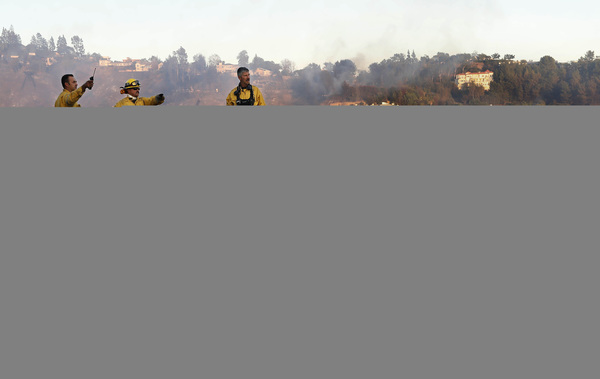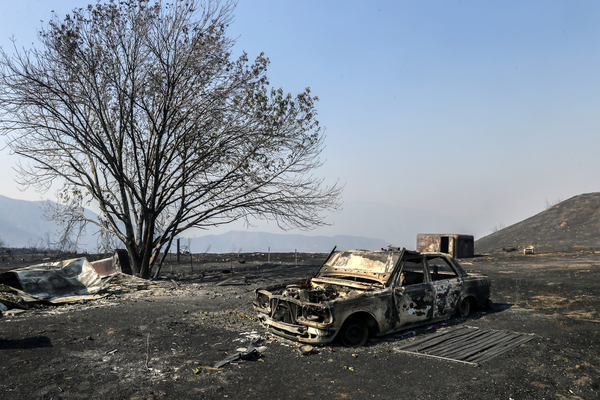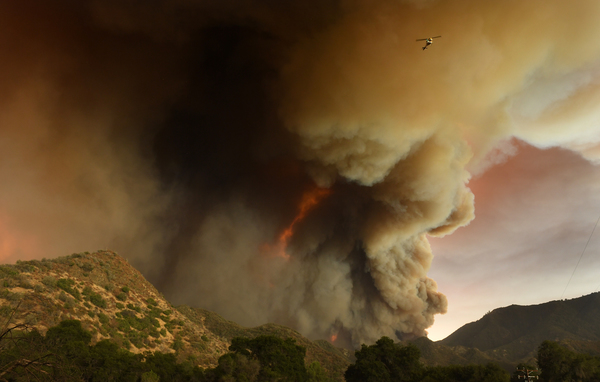
MONTECITO, Calif. _ New evacuation orders were issued in Santa Barbara County Saturday morning as the Thomas fire moved toward the hills above Montecito, with some wind gusts reported up to 65 mph.
The so-called sundowner winds are pushing south from the mountains down to the coast _ removing moisture along the way _ and are expected to present firefighters in Santa Barbara County with their biggest challenge since the Thomas fire came back to life a week ago, officials said.
"When the sundowners surface in that area and the fire starts running down slopes, you are not going to stop it," Mark Brown, an operations section chief for the California Department of Forestry and Fire Protection, said at a Saturday morning news briefing. "And we are not going to stand in front of it and put firefighters in untenable situations."

A significant boost in the humidity overnight Friday did virtually nothing to help, fire behavior analyst Tim Chavez told firefighters. Evacuation orders were expanded Saturday around the areas of Montecito and Summerland.
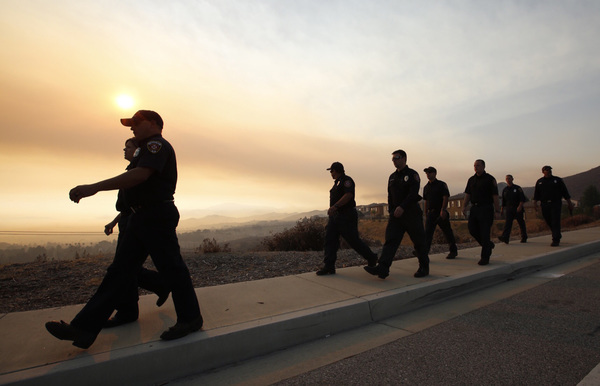
Dozens of fire engines were dispatched to Sycamore Canyon and Cold Springs roads in Montecito as a precaution.
"One of the other characteristics of the strong downslope winds is it rapidly and abruptly scours the marine layer out of the coastal plane," Chavez said.
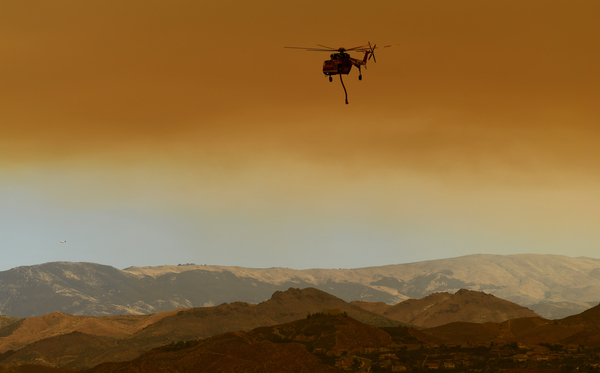
The Thomas fire is now the third-largest fire in California's history since accurate recording began in 1932. The wildfire had scorched 259,000 acres as of Saturday morning.
The westernmost edge of the giant Thomas fire was in the north-south canyon drained by San Ysidro Creek. An army of firefighters was trying to keep the fire away from homes.
But if the blaze reaches the canyon and the winds breathe new life into the flames, there is nothing to stop it from racing into the foothill homes of Montecito, Brown said.
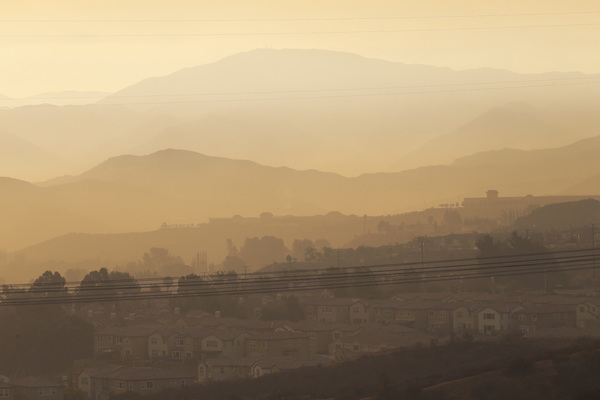
While containment was at 40 percent, officials said the northwestern edge of the inferno was still very dangerous.
There are hundreds of homes in the fire's potential path, and with winds that strong, it's too dangerous to put firefighters in front of it to stop it. They would have to watch the fire pass by from designated "safety zones" then attack it from behind.
Friday was the 12th consecutive day of red flag fire warnings _ the longest sustained period of fire weather warnings on record.
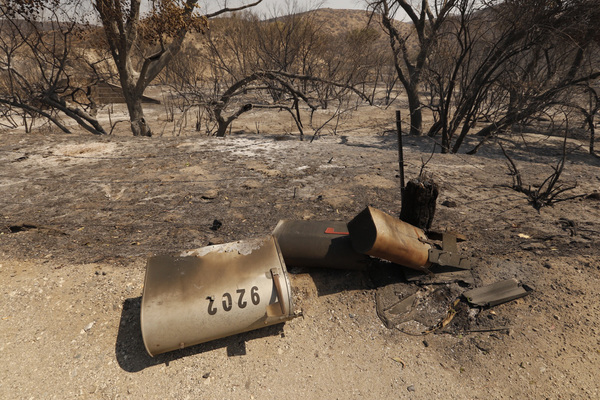
"We put out plenty of red flag warnings, but we haven't seen them out 12 days in a row. That's unusual," said National Weather Service meteorologist Curt Kaplan. "This has been the longest duration event that we have had a red flag warning out without any breaks."
Red flag warnings were instituted by the weather service in 2004 and are intended to alert fire agencies to hot, dry and windy conditions that foster wildfires.
The Thomas fire began Dec. 4 in Santa Paula near Thomas Aquinas College. In its first day, the blaze spread southwest, toward Ventura, and northwest, eventually hugging _ and sparing _ Ojai before pushing to the Santa Barbara County coast.