Authorities have postponed a plan to impose higher electricity rates on large households with heavy consumption, citing the need to revise how power bills are calculated, says Energy Minister Akanat Promphan.
The new electricity prices were proposed by the Energy Regulatory Commission last month and slated for enforcement in July. They are based on progressive power tariff rates, which increase when people use more electricity.
Small households consuming 1-200 units of electricity are charged between 2.34 and 3 baht per unit, while larger households using 201 units or more face a higher rate of 4.96-5.45 baht per unit.
"The new rates are not appropriate," said Mr Akanat, citing negative reactions from various groups of people following a public hearing last week.
"Big families don't rack up high electricity bills because they're wasteful -- it's usually because there are more people living in the house and that naturally drives up power use."
Officials are required to review the new power tariff rates, he said.
Businesses and households currently pay for electricity at an average rate of 3.95 baht per unit, applicable until August this year.
Mr Akanat said the government will continue subsidising electricity costs for households consuming no more than 200 units. The Electricity Generating Authority of Thailand (Egat) will be asked to subsidise the power prices, he noted.
Egat already registered a loss of 36 billion baht as of April due to its past subsidy programmes.
Energy officials have proposed three ways to reduce power tariff rates for people.
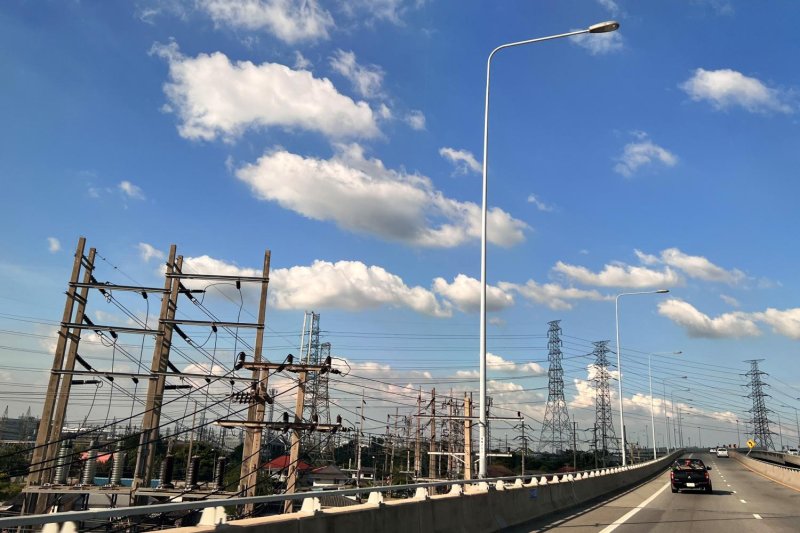
First, the Metropolitan Electricity Authority and the Provincial Electricity Authority need to reduce their spending on street lights, which have been passed onto the public, according to Mr Akanat.
Next, the state electricity agencies must amend conditions for power purchase agreements with renewable power companies, which were given the right to sell electricity to the government at high tariff rates.
This spending, together with expenditure on other energy-related purposes under state policy, comprises 4% of the power tariff paid by people, according to energy officials.
Finally, electricity-hungry data centres must be charged a separate electricity rate and draw on the nation's surplus power supply, absorbing a portion of the financial burden that would otherwise fall on households.