Cuba introduced tighter controls on the use of social media this week, including a ban on publications that might damage "the country's prestige," angering many citizens and international rights activists.
Decree 35, published in the official gazette on Tuesday, comes a month after the most widespread anti-government protests in the Communist-run country in decades, which spread in part due to information shared on social media.
The legislation bans the spread of false news or messages and content deemed offensive or which "incite mobilizations or other acts that upset public order." It also provides a channel for Cubans to inform on potential contraventions.
Those who have attempted to "subvert the constitutional order" will be considered cyberterrorists. It does not say what the penalties will be for violations.
"Our Decree 35 goes against misinformation and cyber lies," said President Miguel Diaz-Canel, who has blamed the July 11 protests on an online campaign by U.S.-backed counter-revolutionaries.
Cuba analysts compared the measure to the totalitarianism of George Orwell's "1984", saying that they feared the vague definitions of what constitutes a violation would allow for arbitrary implementation.
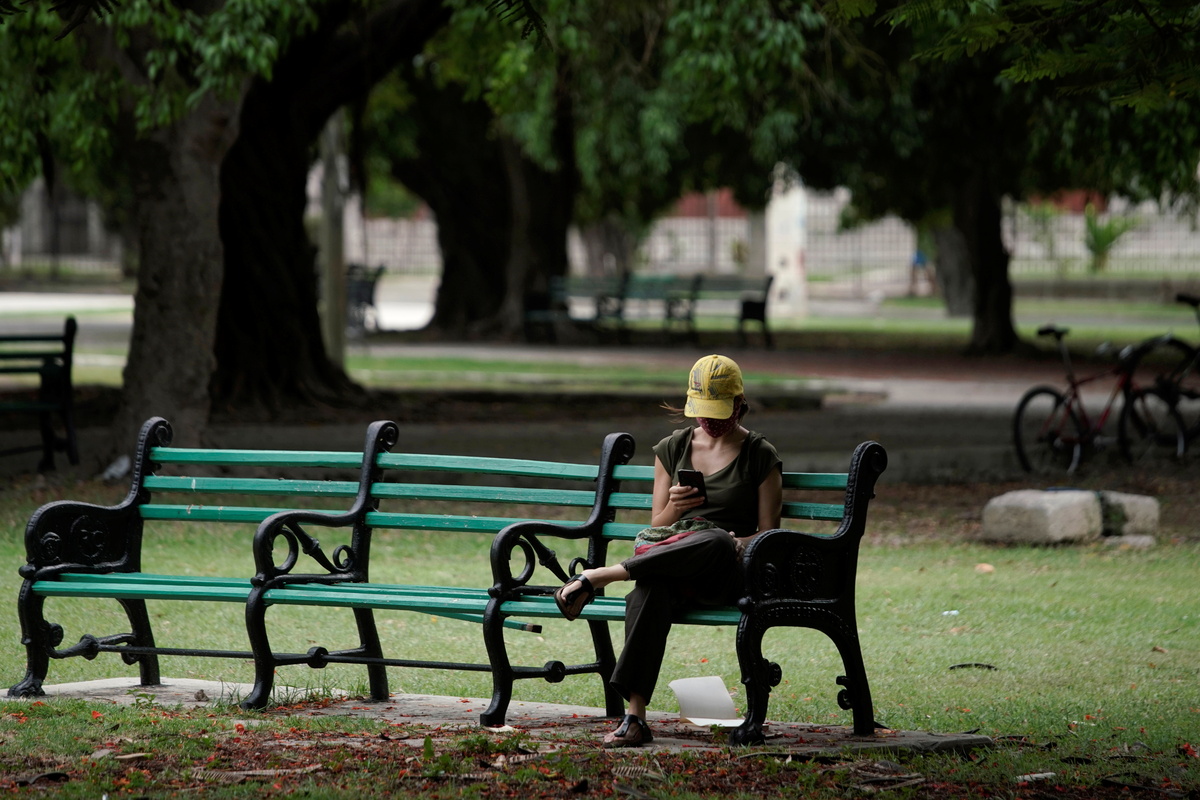
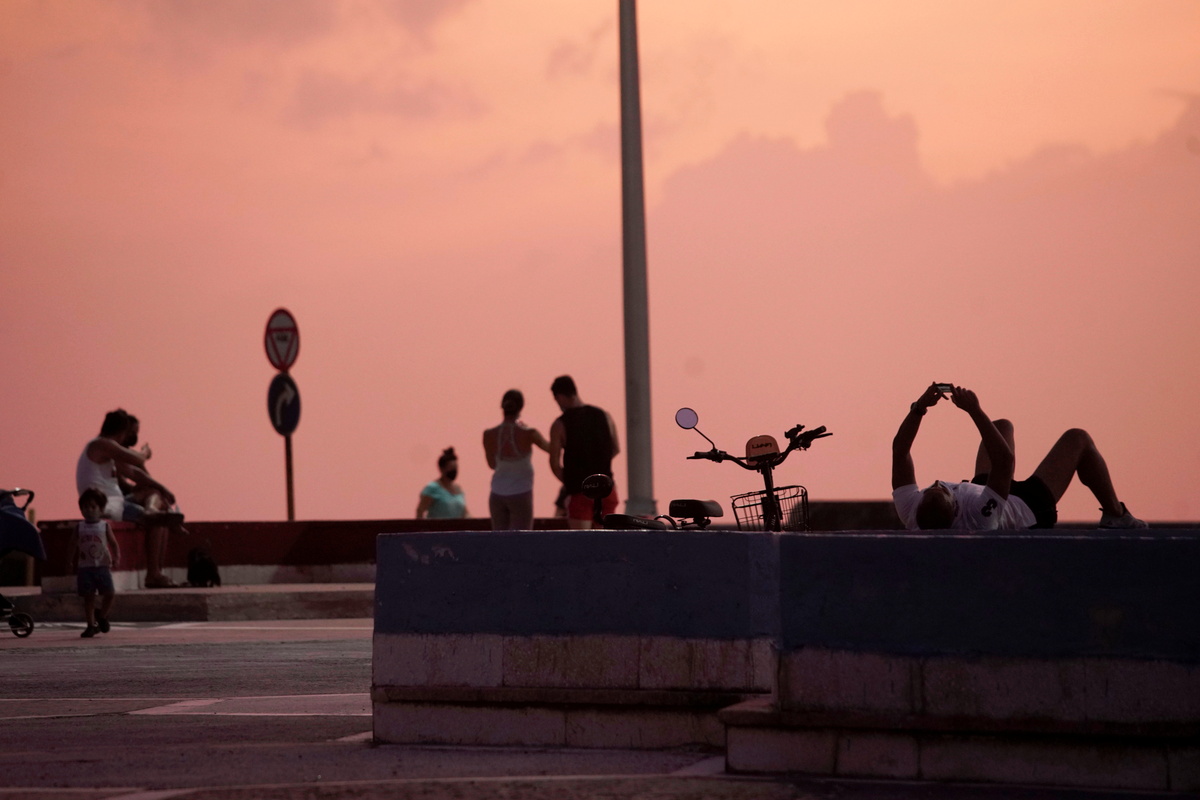
Since the introduction of mobile internet just over two years ago, platforms like Facebook and WhatsApp have enabled Cubans to share their gripes and even mobilize in a country where public spaces are tightly controlled.
"Cuba is formalizing digital repression," said Erika Guevara-Rosas, Amnesty's Americas director, noting the state already had monopoly over internet access, which was curtailed during and following the July 11 protests.
Nicaragua passed similar "cyber crime" legislation last year and has used it to muzzle opposition, she said.
Cuba's new decree explicitly orders the state telecoms monopoly to suspend services to users who have committed contraventions, in coordination with relevant authorities.
'WE CAN'T EVEN TALK'
Cuban officials have long argued that dialogue is permitted but only "within the revolution," to present a unified front against the United States, which has long openly sought to force political change in the country.
Last month, the U.S. government said it was working with the private sector and Congress to look for ways to make the internet more accessible to the people of Cuba.
Some Cuban Americans have used social media to encourage Cubans on the island to rise up against the government, with a few even urging then to commit acts of sabotage.
But many young Cubans say that should not be an excuse for them to be banned from expressing themselves and have taken to social media to criticize the new measure, enacted a month after protests that resounded with cries of "freedom."
"Now we can't even talk," said one doctor, on condition of anonymity, who had participated in a video denouncing dire working conditions amid Cuba's COVID-19 crisis.
The U.S. State Department said on Tuesday Cuba should "not punish those who speak the truth" while the British ambassador to Havana, Antony Stokes, wrote on Twitter that the recent crackdown on protesters and the censorship embodied by Decree 35 would "silence legitimate voices."
Canada-based Cuban legal analyst Eloy Viera said Decree 35 outlined regulations rather than updated the penal code, so would not result in jailtime for those found transgressing.
But it was a more severe and explicitly political measure to regulate online expression than a previous, 2019 decree that bans the "spreading of information contrary to the common good, morals, decency, and integrity," he said.
Government critics have faced fines under that decree, said Viera. But ultimately it had not been effective and neither, likely, would Decree 35, he said.
"They won't be able to apply it to all the discontent of Cubans, who have found in social media a space that does not exist in the country's public places," said Viera.
(Reporting by Sarah Marsh, Editing by Rosalba O'Brien)