BHOPAL: Covid-19 variants have been detected in 260 samples sent for genome sequencing, according to data from CSIR Institute of Genomics and Integrative Biology.
The data is till September 2021, much before the advent of Omicron. It is the first release of data in public domain since June, when number of genomes from MP were 1,545. As of September, the number has increased to 1,805. As a percentage, 2.2% of number of genomes in India are from Madhya Pradesh.
The pangolin lineage sequencing data and timely inputs is vital for appropriate public health response. A senior MP health department official said, till last week information on pangolin lineage sequencing data for 2300 samples has been received. None of the samples have been diagnosed with Omicron variant of Covid-19.
According to initial assessment population-level evidence suggests that the Omicron variant is associated with substantial ability to evade immunity from prior infection and transmit rapidly in populations with high levels of naturally acquired immunity. The degree by which Omicron would be able to evade vaccine-induced immunity is not known yet. Thus the importance of genome sequencing and related studies.
Recent INSACOG assessment of the Covid-19 genome sequencing indicates, Delta, including B.1.617.2 (AY) and AY.x sublineages continues to be the main variants of concern, globally.
As for the Omicron VOC that has been diagnosed in more than 88 countries, INSACOG quotes a study ‘Increased risk of SARS-CoV-2 reinfection associated with emergence of the Omicron variant in South Africa’ – ‘reinfection risk estimated by epidemiologic surveillance system is greater than previously seen with either Beta or Delta variants’.
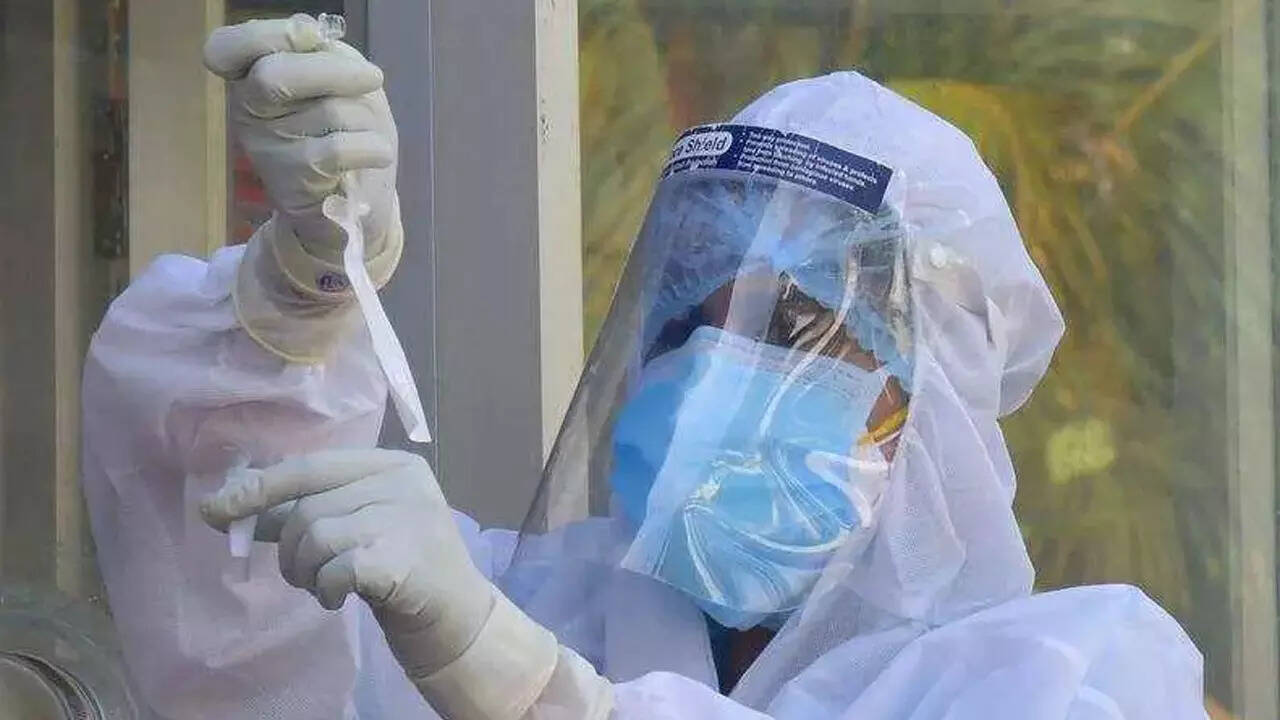
Medical college laboratories are entrusted to send NCDC and ICMR laboratories regular samples for genomic surveillance for Covid-19. The genome sequencing of virus across aides in understanding of how the virus spreads and evolves. Linkages between the genomic variants and epidemiological trends are critical to curbing spread of Covid-19. As per health department circular, prospectively collected specimens can be used on a weekly basis for 5% random draw based representative sampling.