Australia is in a better position to handle COVID-19 than it was at the same time last year, despite the arrival of new variants, according to a leading epidemiologist.
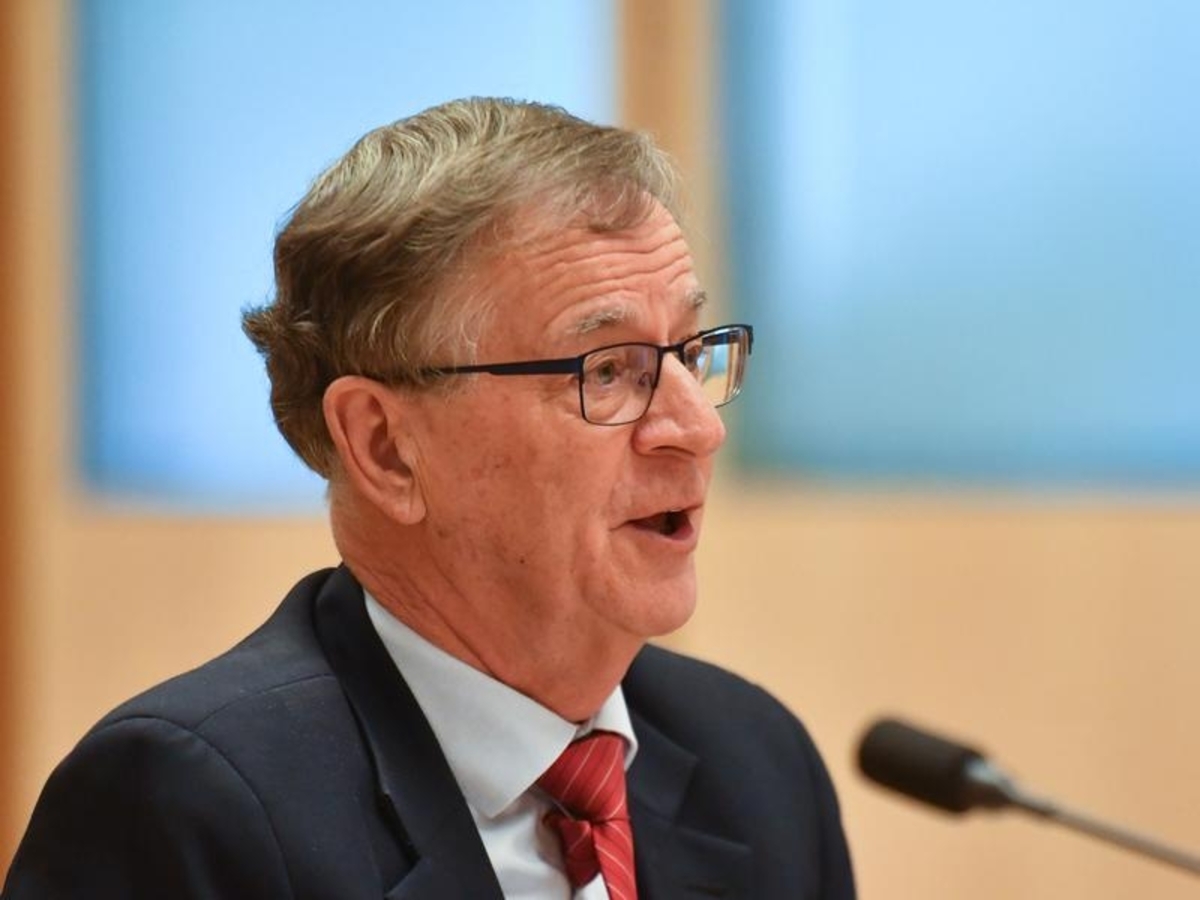
Infectious diseases expert at the Australian National University Dr Peter Collignon said there had been an overreaction to the Omicron variant.
Despite Omicron's arrival, he said there had not been a spike in hospitalisations or deaths in countries where the strain has been detected.
"We are going to have lots of variants in the future, and it's going to be with us for years," Dr Collignon told Sky News on Thursday.
"We've got to protect ourselves with the vaccine, but we don't want to overdo it, because we'll be locking down every few months."
His observation comes as a seventh case of the Omicron variant was detected in NSW.
Dr Collignon said with the weather warming up Australia was heading into a good period, before a potential spike in infections next winter.
He said Australia's high inoculation rate and recent vaccination drive should prove to be an effective buffer.
"We're in the best position we've been for a while, and better than a year ago," he said.
"There is still a COVID-zero mentality in lots of places, which is not sustainable.
"We're recently vaccinated, and we're going into summer, which will be the best four months we'll get."
Meanwhile, senior ministers have insisted lockdowns will not be reinstated in the wake of new variants.
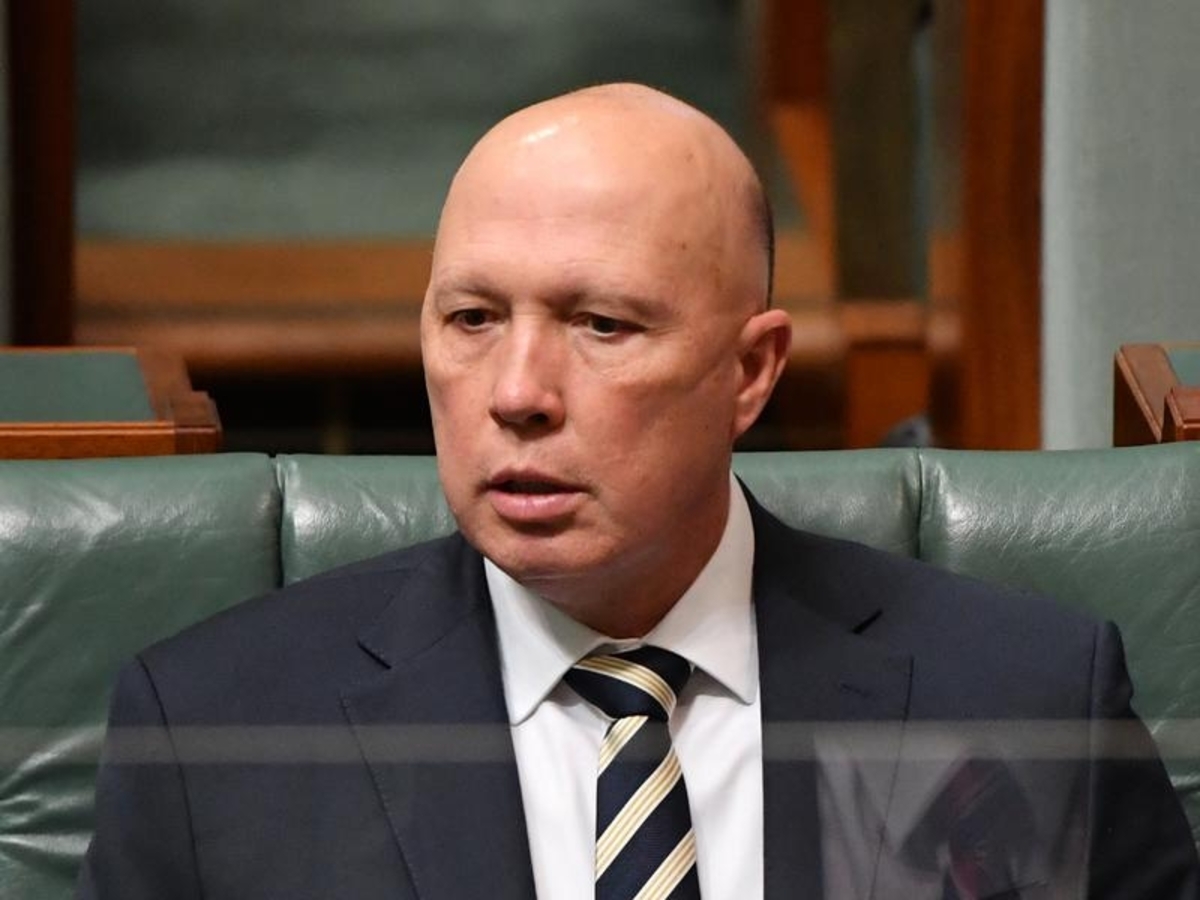
Cabinet Minister Peter Dutton said despite the new cases, Australia remains one of the safest places to be during the pandemic due to the high vaccination rates.
"We can't close down each time there's a new variant, and we need to keep those vaccination rates up," he told Sydney's 2GB on Thursday.
"The whole idea of the vaccination is not that it stops you from catching COVID, but it stops the extremities of the disease ... so that should give us some comfort."
The emergence of Omicron means visa holders, initially set to return to Australia without the need for travel exemptions, have had the date pushed back until December 15.
Additional quarantine restrictions have also been enacted for other overseas visitors.
International arrivals are required to quarantine for 72 hours, while Australians returning from southern African countries need to lock down for two weeks.
There were more than 92,000 vaccine doses administered on Wednesday, taking the total to 87.4 per cent of those over 16 being fully vaccinated.
South Australia recorded 18 new cases on Thursday, the largest single-day tally in the state for more than a year.
The spike in infections has forced the state's governor and opposition leader into isolation.
NSW recorded 271 new cases overall, while Victoria recorded 1419 infections and 10 more deaths.
There were eight new cases in the ACT while one was detected in Queensland.