New COVID-19 cases in New York coming from people leaving home, Cuomo says
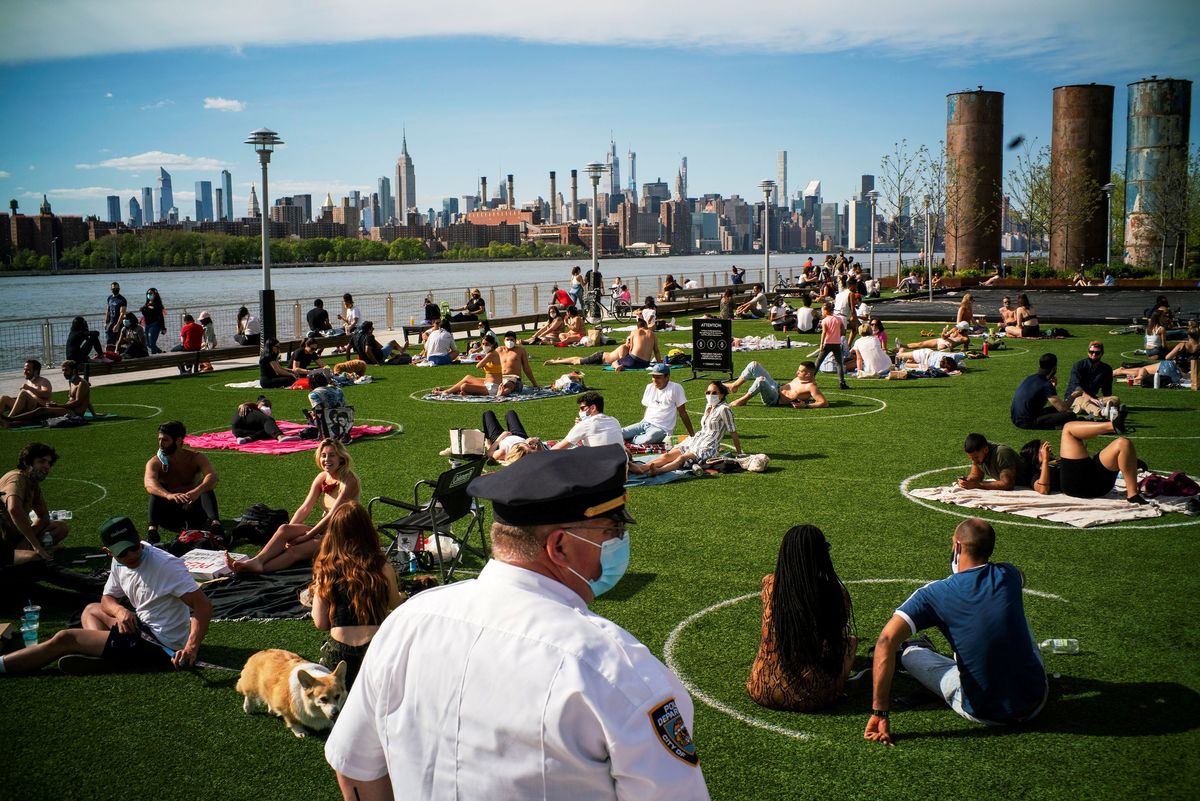
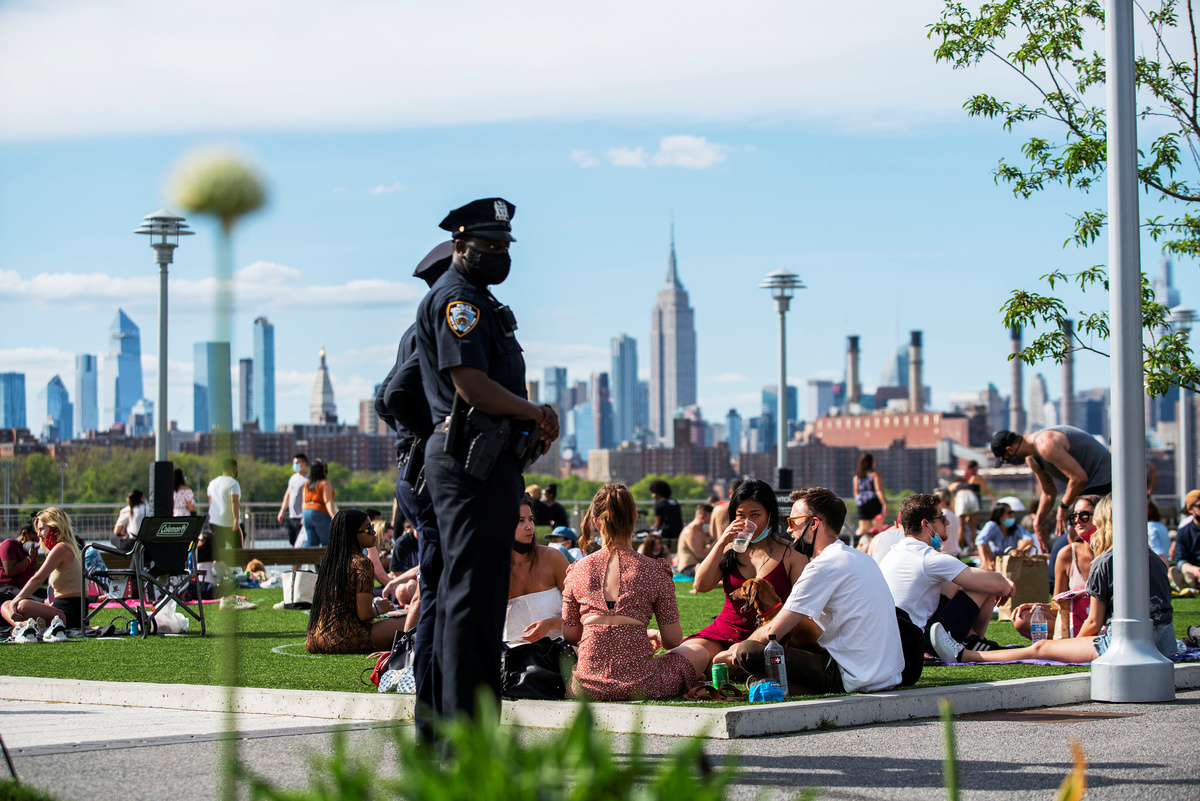
A New York Police Department officer keeps an eye on people as they control social distance on a warm day during the outbreak of the coronavirus disease (COVID-19) at Domino Park in Brooklyn, New York, U.S., May 16, 2020. REUTERS/Eduardo Munoz
New York's new confirmed COVID-19 cases are predominantly coming from people who left their homes to shop, exercise or socialize, rather than from essential workers, Governor Andrew Cuomo said on Saturday.
"That person got infected and went to the hospital or that person got infected and went home and infected the other people at home," Cuomo said during his daily news conference on the coronavirus outbreak.
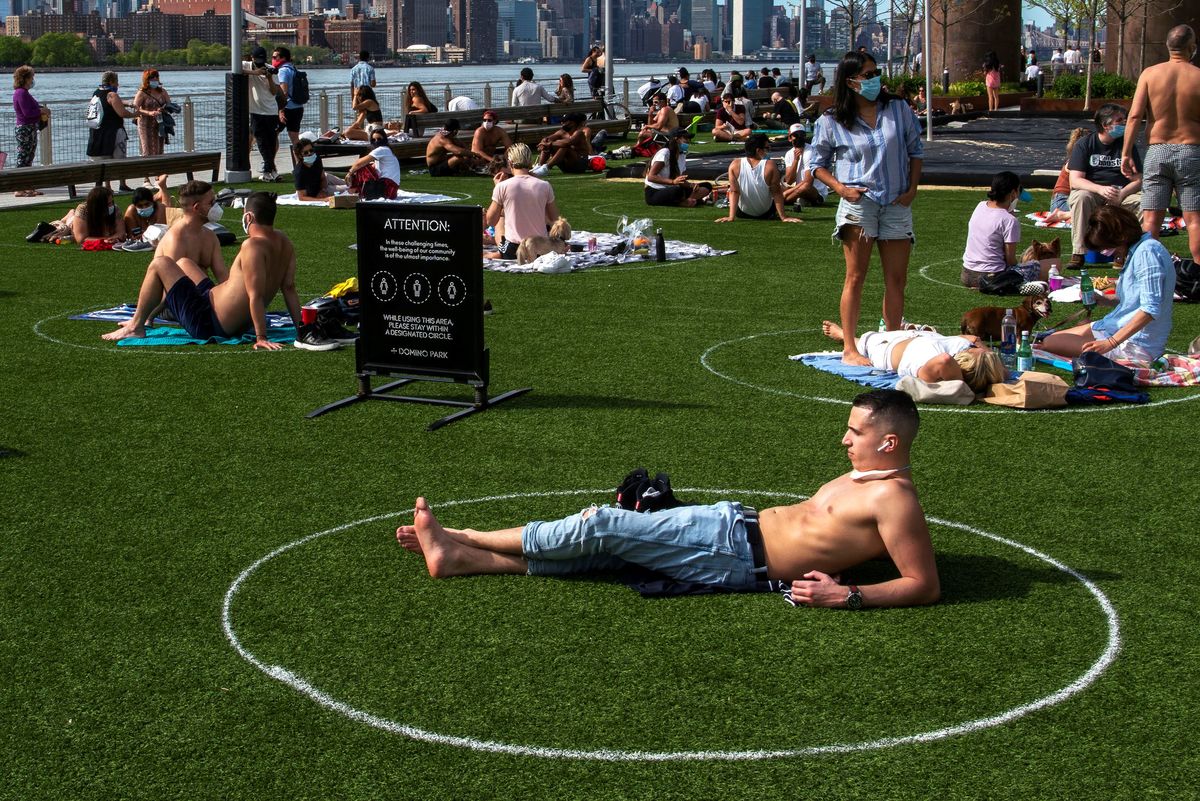
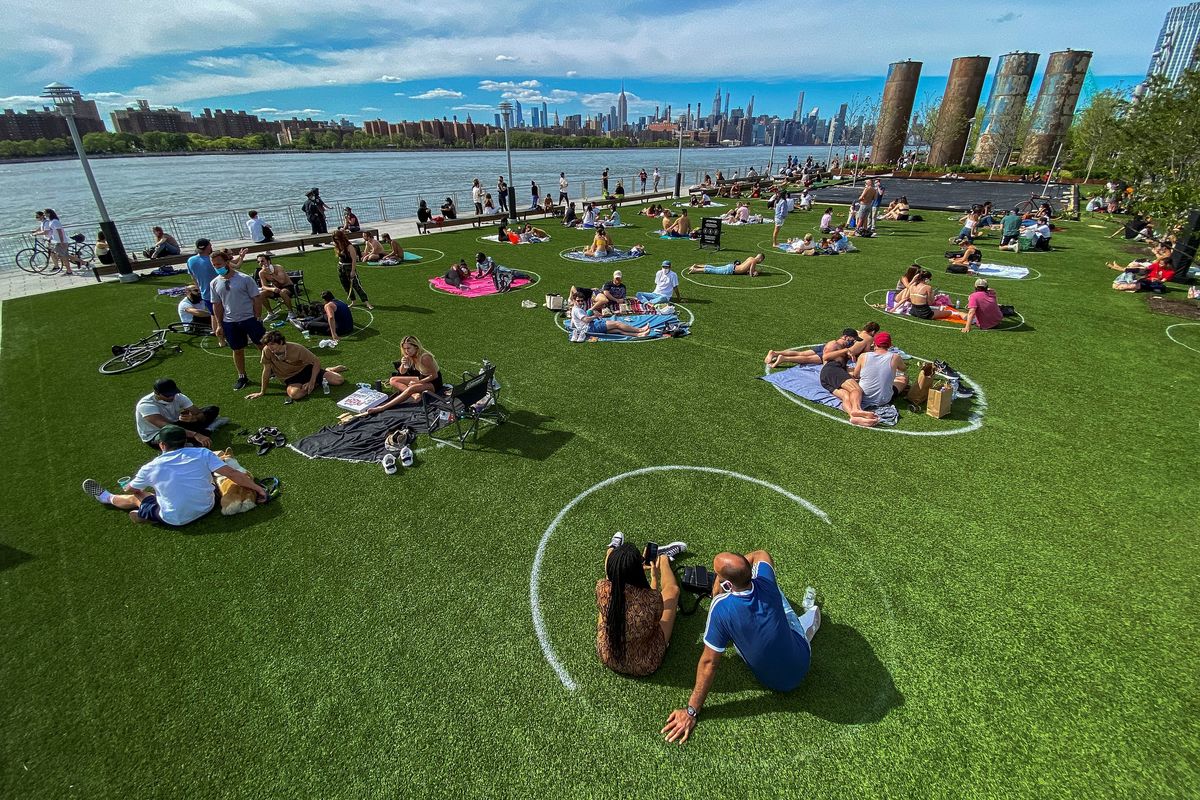
People try to keep social distance as they enjoy a warm afternoon during the outbreak of the coronavirus disease (COVID-19) at Domino Park in Brooklyn, New York, U.S., May 16, 2020. REUTERS/Eduardo Munoz
State data showed the number of new cases statewide has fluctuated between 2,100 and 2,500 per day. On Saturday, the number of new cases decreased to 2,419, from 2,762 on Friday.
Cuomo said while last week he had theorized that new cases were coming from essential workers, "that was exactly wrong.
"The infection rate among essential workers is lower than the general population and those new cases are coming predominantly from people who are not working and they are at home," he said.
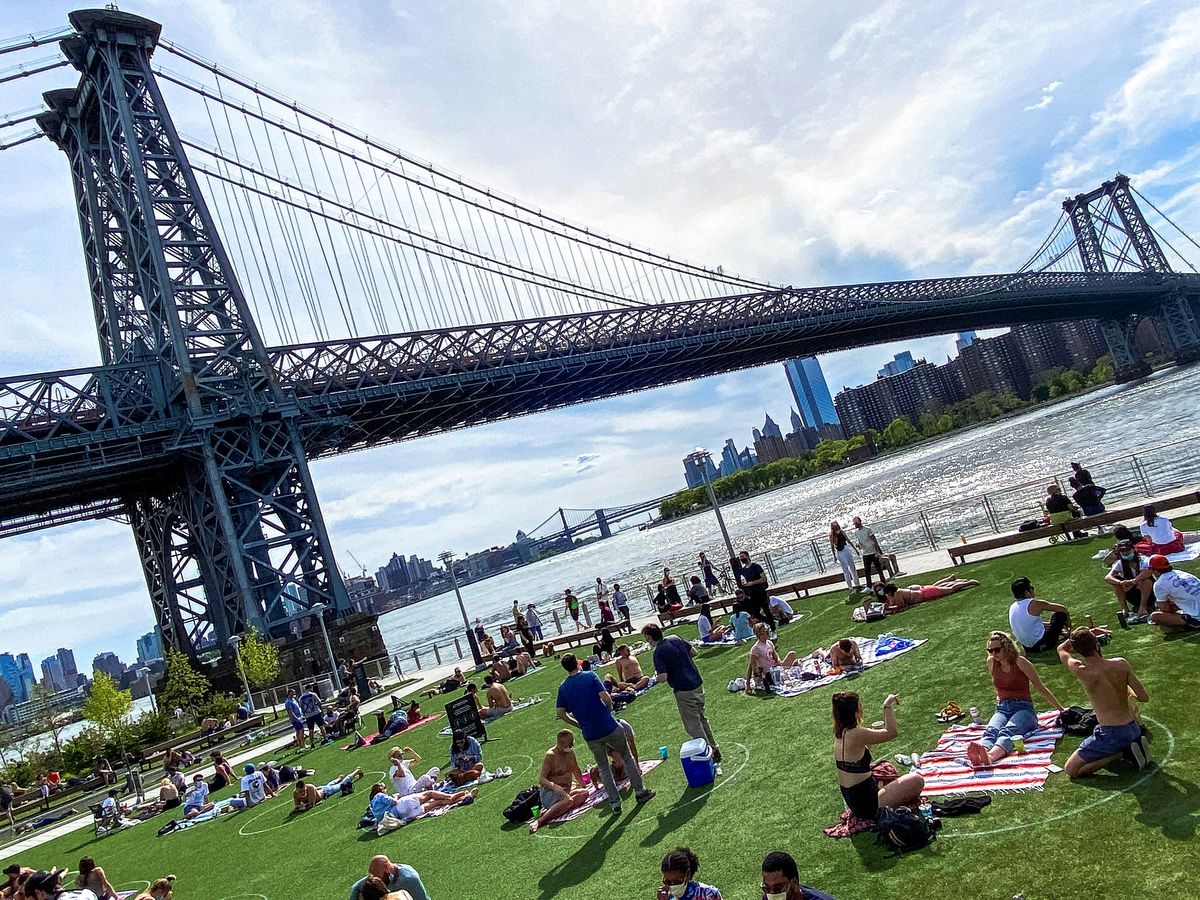
People try to keep social distance as they enjoy a warm afternoon during the outbreak of the coronavirus disease (COVID-19) at Domino Park in Brooklyn, New York, U.S., May 16, 2020. REUTERS/Eduardo Munoz
The state's budget director, Robert Mujica, said officials expect to learn a lot more about the genesis of new cases from contact tracing over the next week.
Cuomo has said that New York was hiring thousands of workers to trace the contacts of people who test positive for the coronavirus. Health experts say contact tracing is critical to isolating potentially contagious people in order to limit further outbreaks.
Cuomo said the five regions of the state that were allowed on Friday to reopen for business -- out of 10 total regions -- were required to have a certain number of tracers proportionate to their populations.
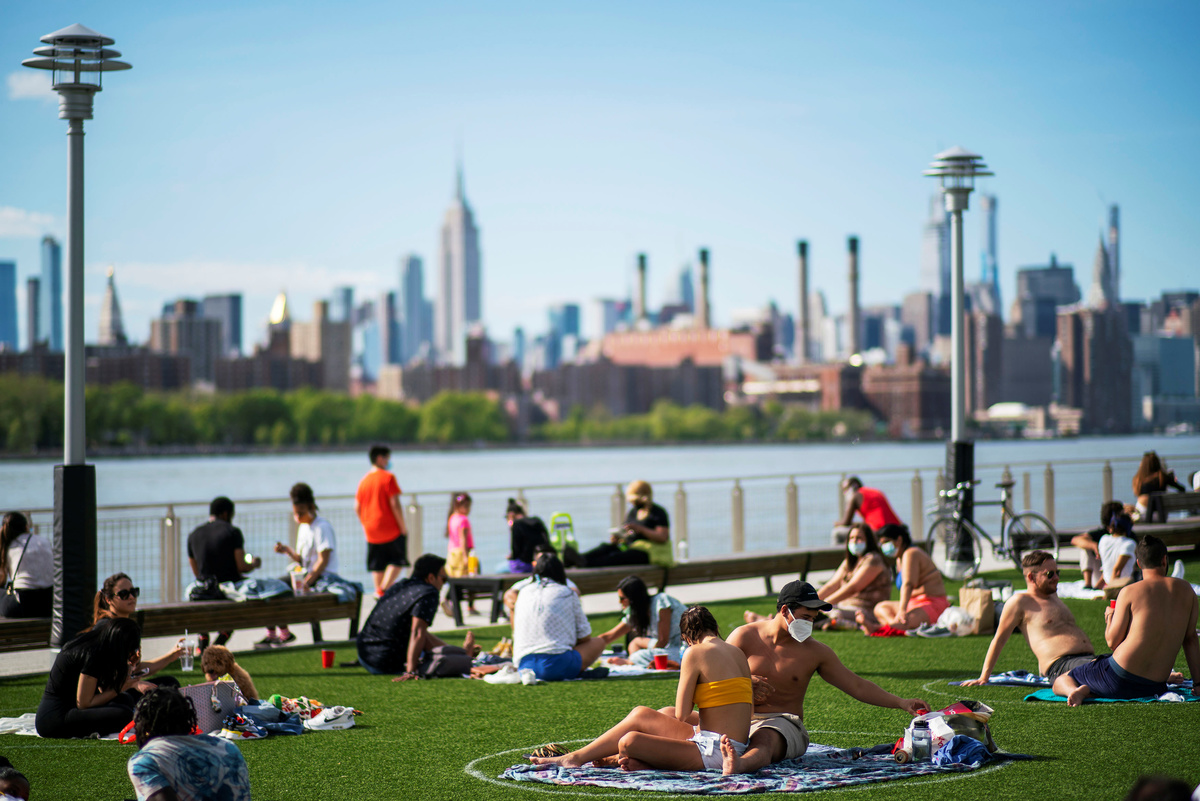
People try to keep social distance as they enjoy a warm afternoon during the outbreak of the coronavirus disease (COVID-19) at Domino Park in Brooklyn, New York, U.S., May 16, 2020. REUTERS/Eduardo Munoz
"The tracing operation is tremendously large and challenging," he said.
New York state, home to both bustling Manhattan and hilly woods and farmland that stretch hundreds of miles north to the Canadian border, has been the global epicenter of the pandemic, but rural areas have not been nearly as badly affected as New York City, the country's biggest city at roughly 8.4 million people.
Driven by the impact in New York City, the state has accounted for more than one-third of the nearly 80,000 American who have died from COVID-19, the illness caused by the coronavirus, according to a Reuters tally.
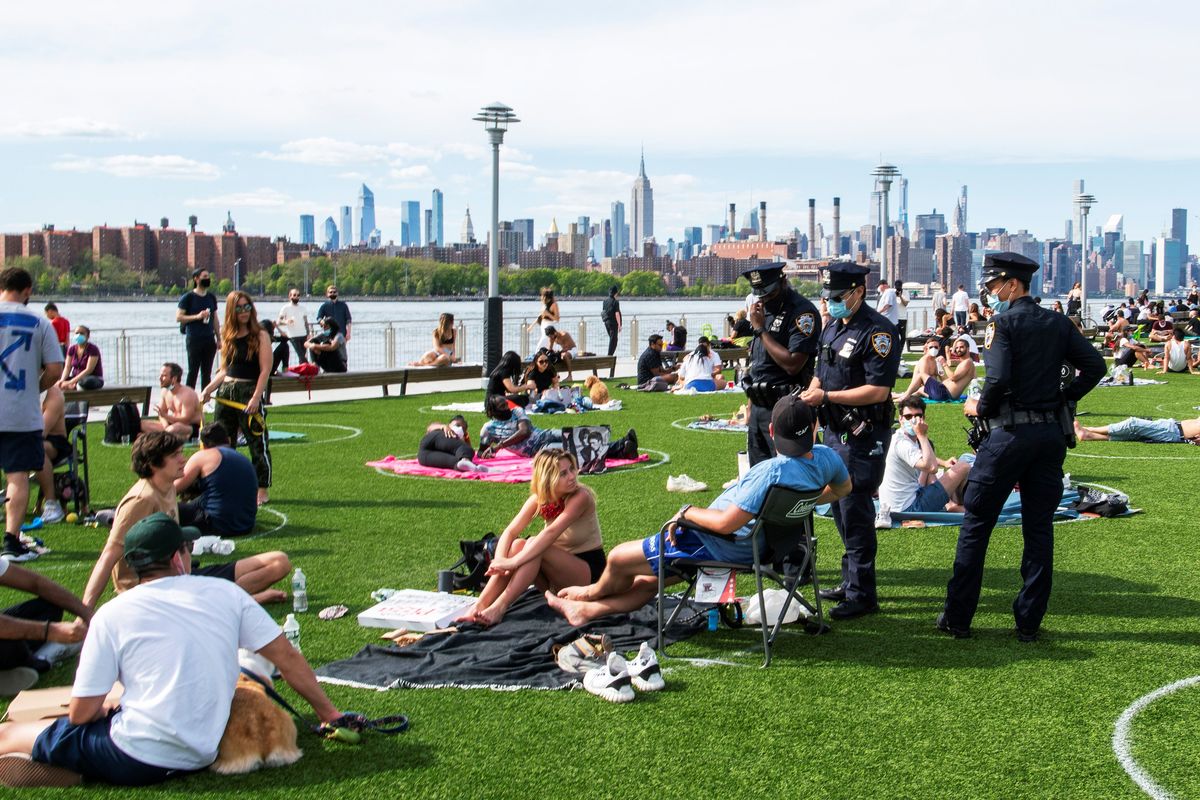
New York Police Department officers keep an eye on people as they control social distance on a warm day during the outbreak of the coronavirus disease (COVID-19) at Domino Park in Brooklyn, New York, U.S., May 16, 2020. REUTERS/Eduardo Munoz
Statewide, the outbreak is ebbing, with coronavirus hospitalizations falling to 6,220, more than a third of the level at the peak one month ago, state data showed.
In the five regions where restrictions were eased on Friday, in central and upstate New York, construction and manufacturing work was allowed to resume, and retail businesses offering curbside pickup or in-store pickup for orders placed ahead were allowed to reopen. A broader pause on activity in New York City and elsewhere was extended until at least May 28.
New York, along with the nearby states of New Jersey, Connecticut and Delaware, will partially reopen beaches for the Memorial Day holiday weekend on May 23-25, Cuomo has said.
New York Police Department officers speak with a group of people to control social distance as residents enjoy a warm afternoon during the outbreak of the coronavirus disease (COVID-19) at Domino Park in Brooklyn, New York, U.S., May 16, 2020. REUTERS/Eduardo Munoz
New York's Watkins Glen International auto race circuit and several horse racing tracks in the state can reopen without fans from June 1, the governor said on Saturday.
Cuomo warned that with an increase in economic activity, New Yorkers should expect an increase in coronavirus cases.
"We don't want to see a spike," he said. "It depends on how people react and it depends on their personal behavior."
People try to keep social distance as they enjoy a warm afternoon during the outbreak of the coronavirus disease (COVID-19) at Domino Park in Brooklyn, New York, U.S., May 16, 2020. REUTERS/Eduardo Munoz
(Reporting by Brendan O'Brien in Chicago; Additional reporting by Herb Lash and Amy Tennery in New York; Editing by Matthew Lewis, Leslie Adler and Daniel Wallis)
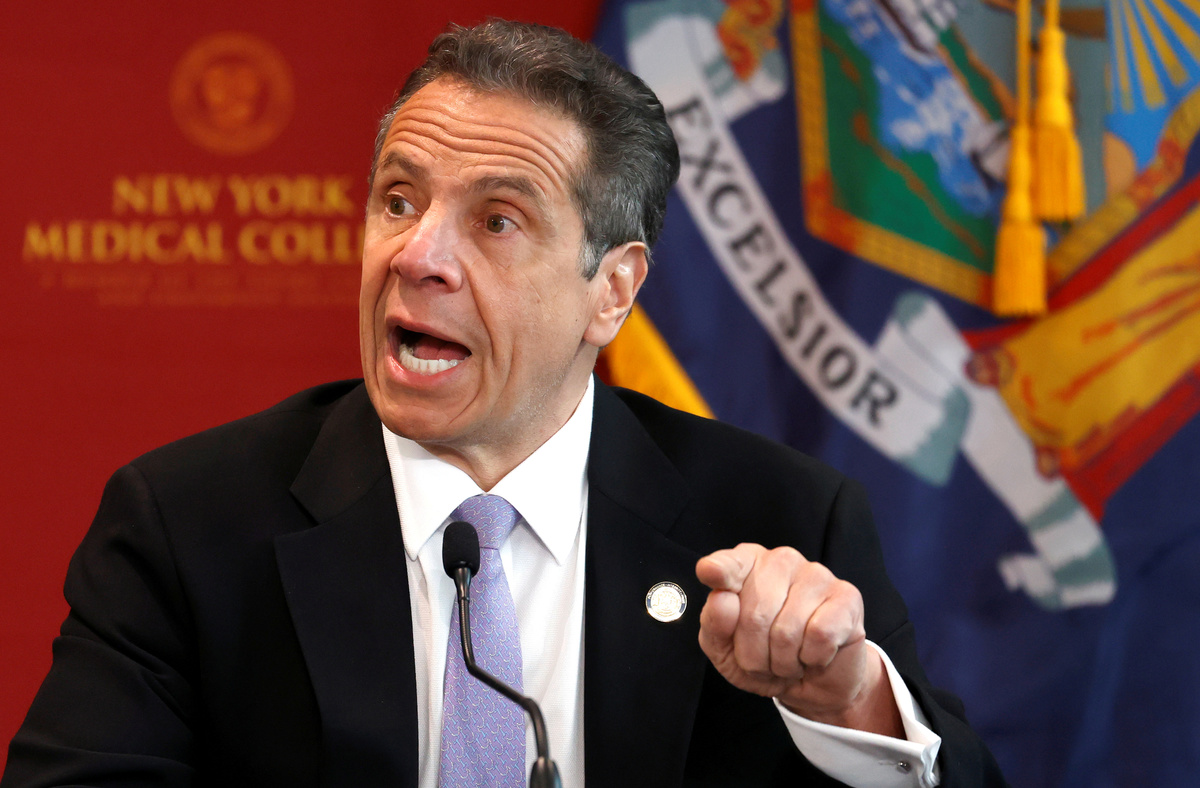
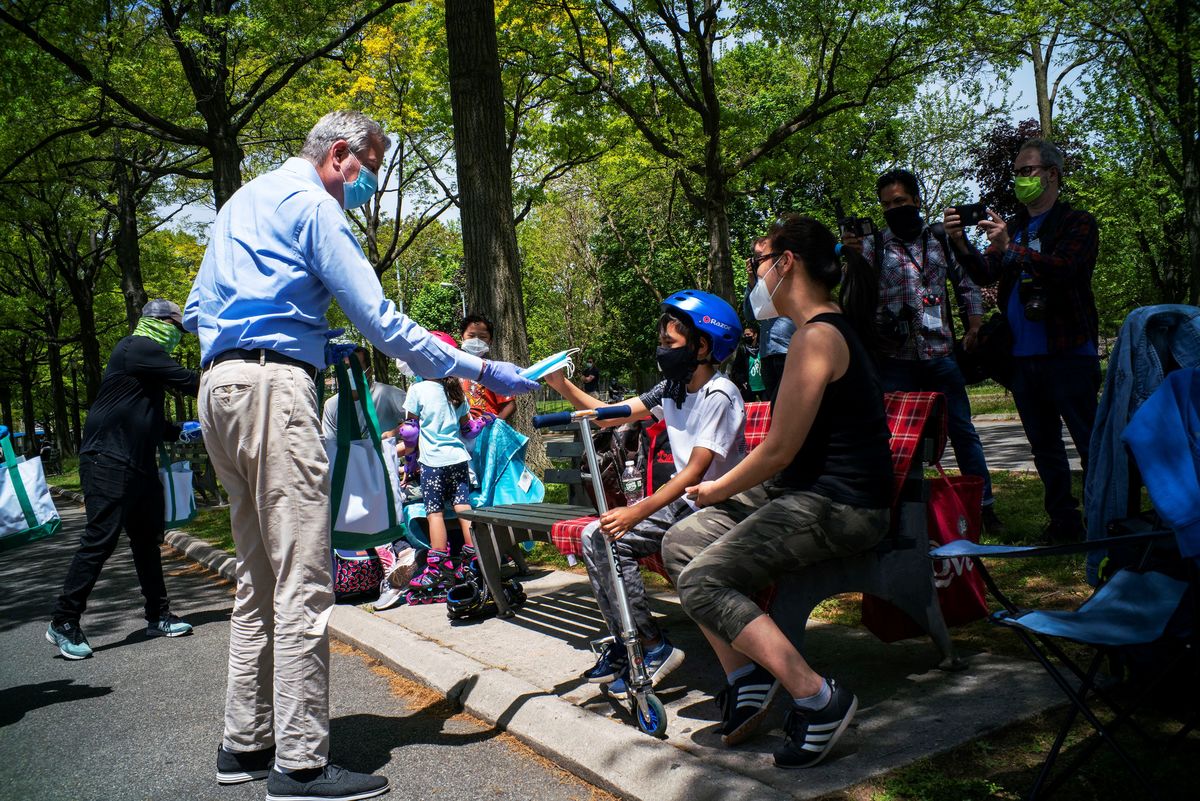
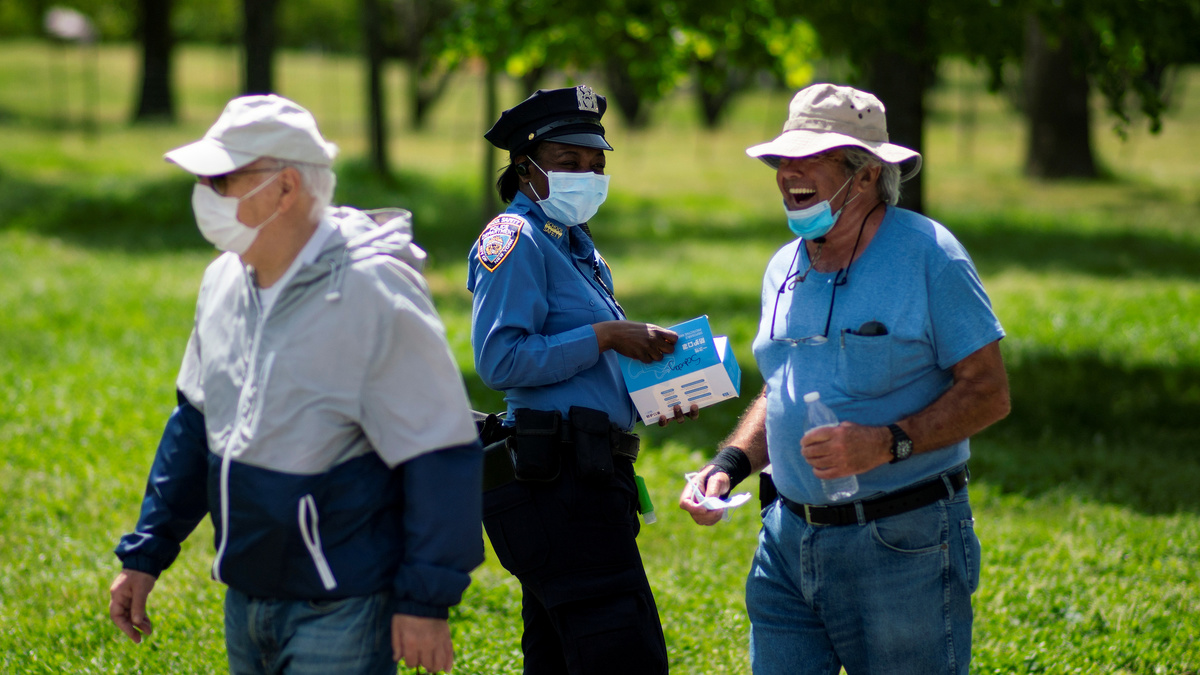
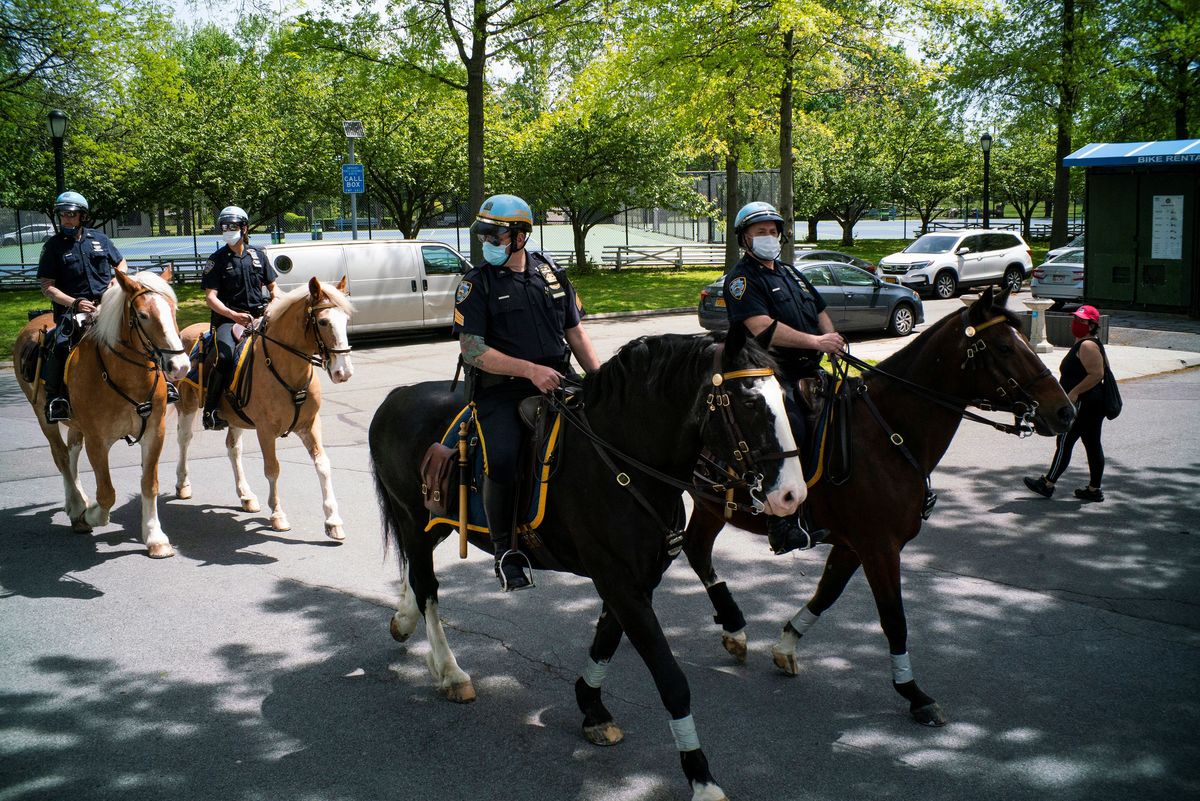
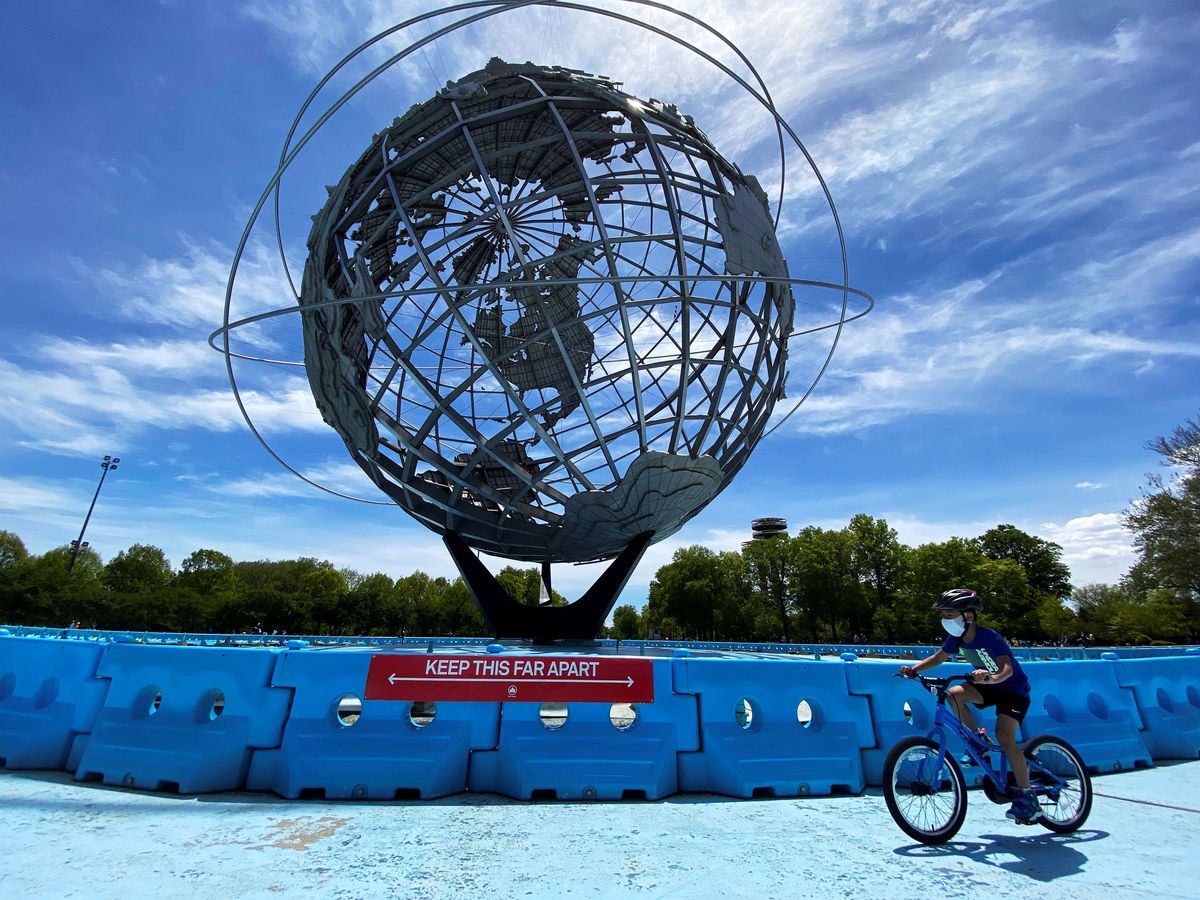
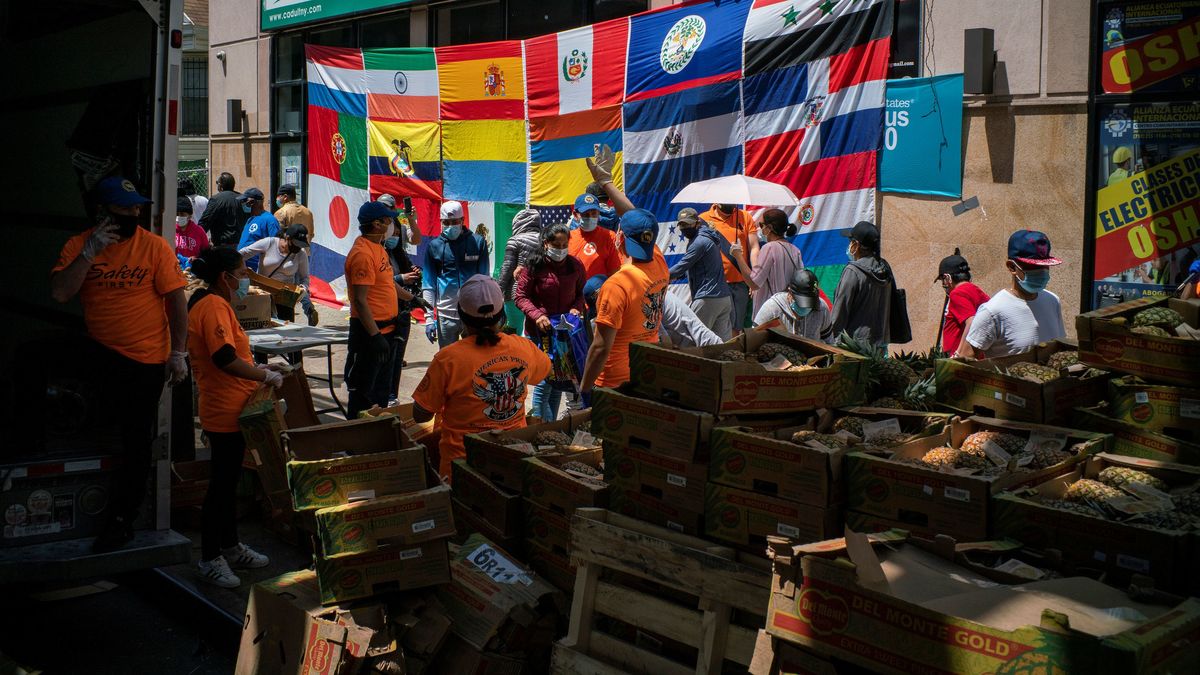
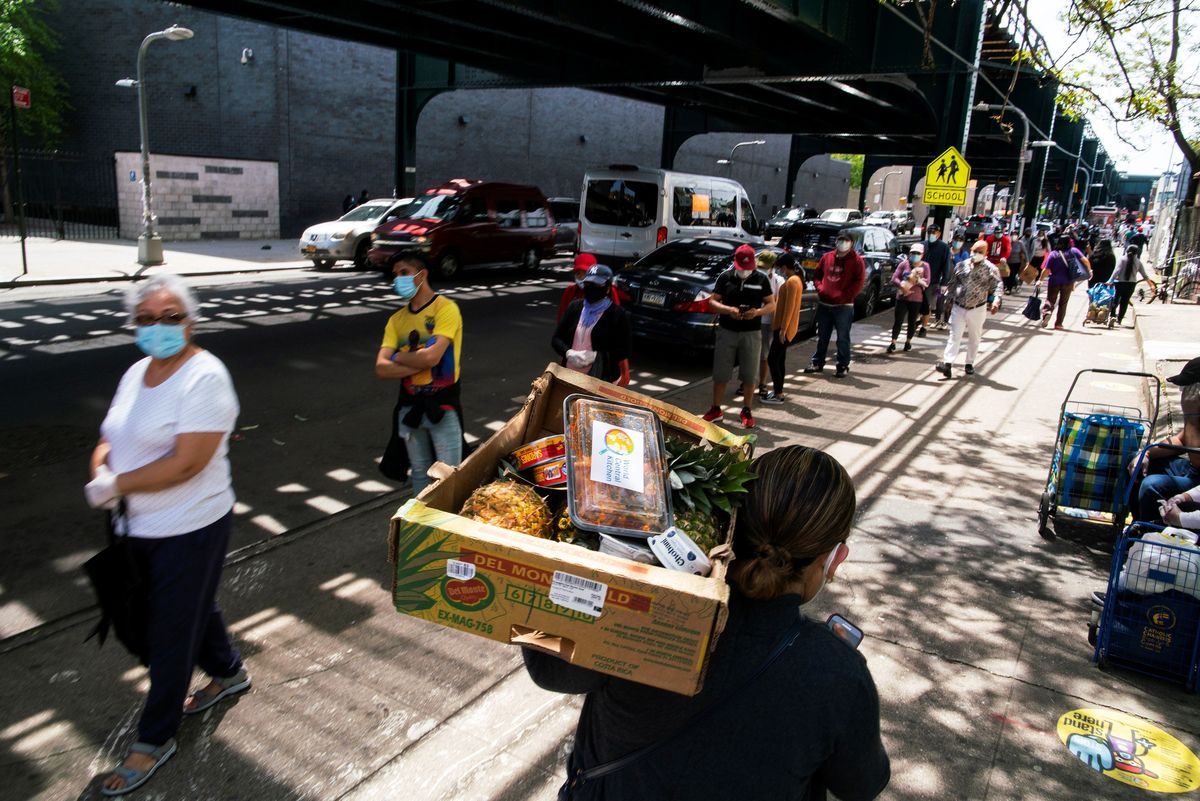
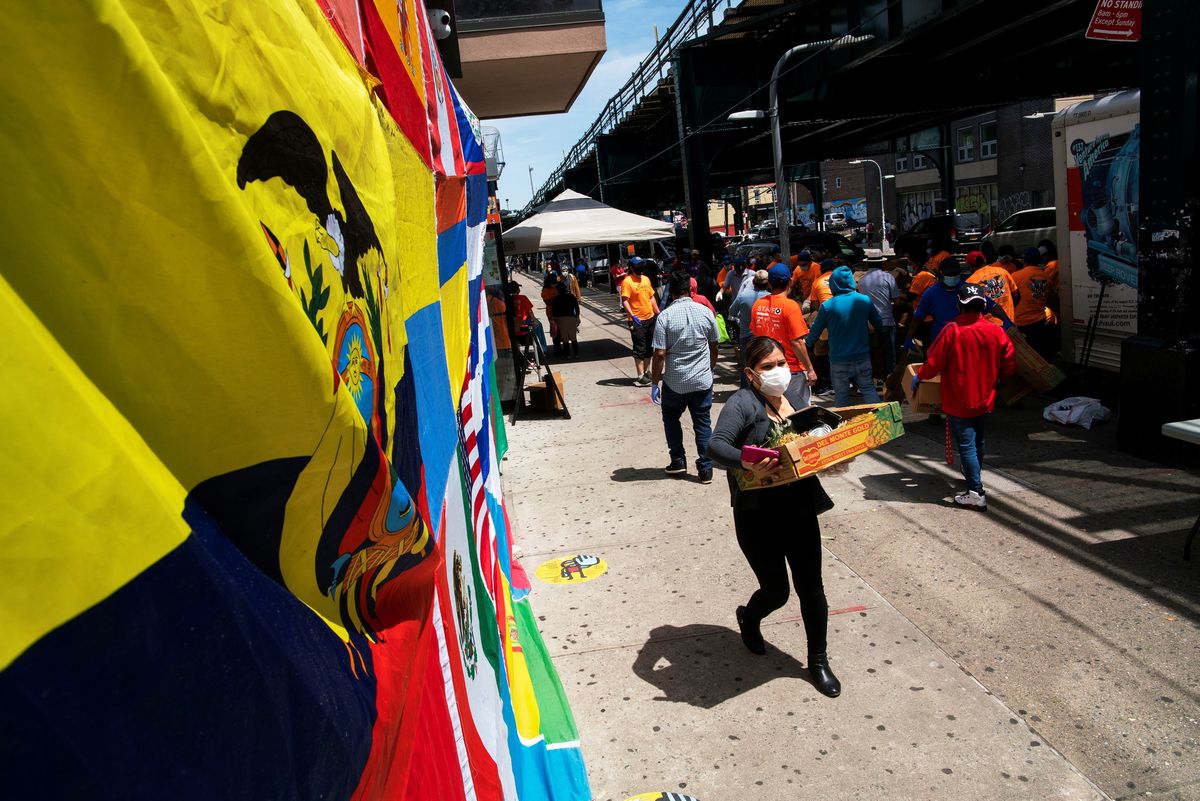
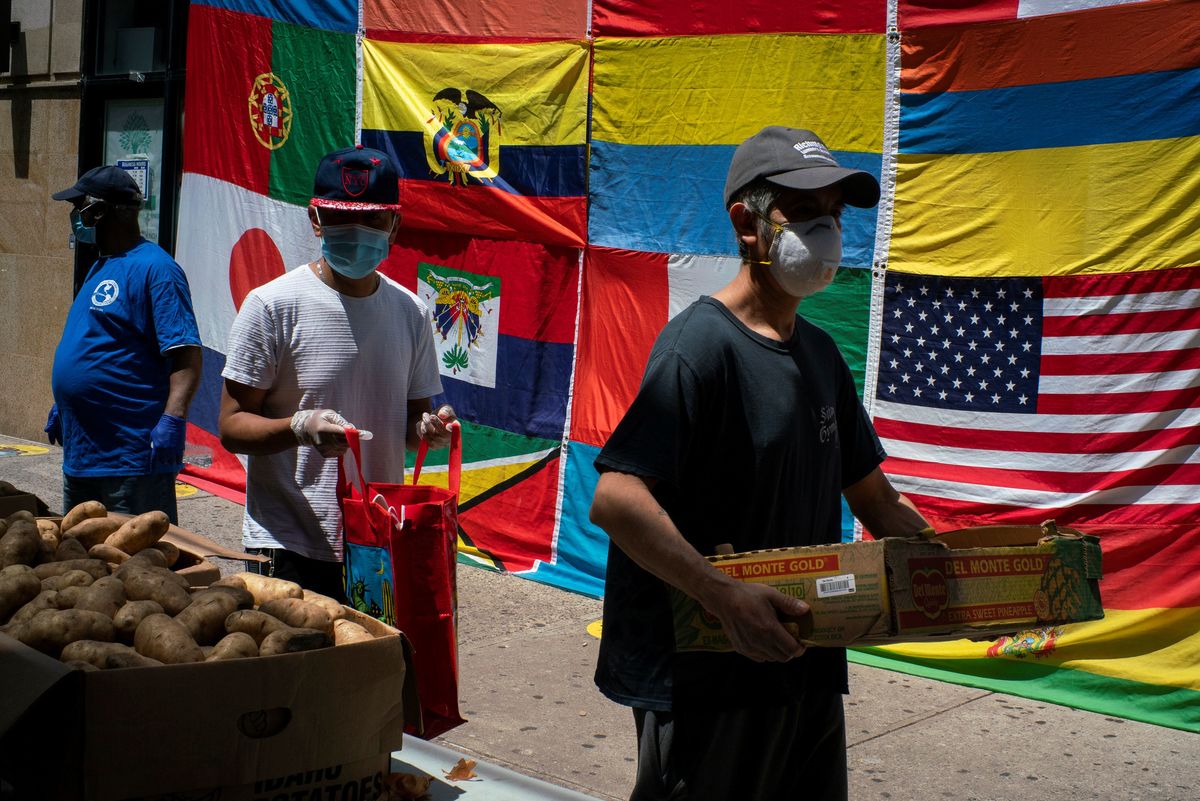
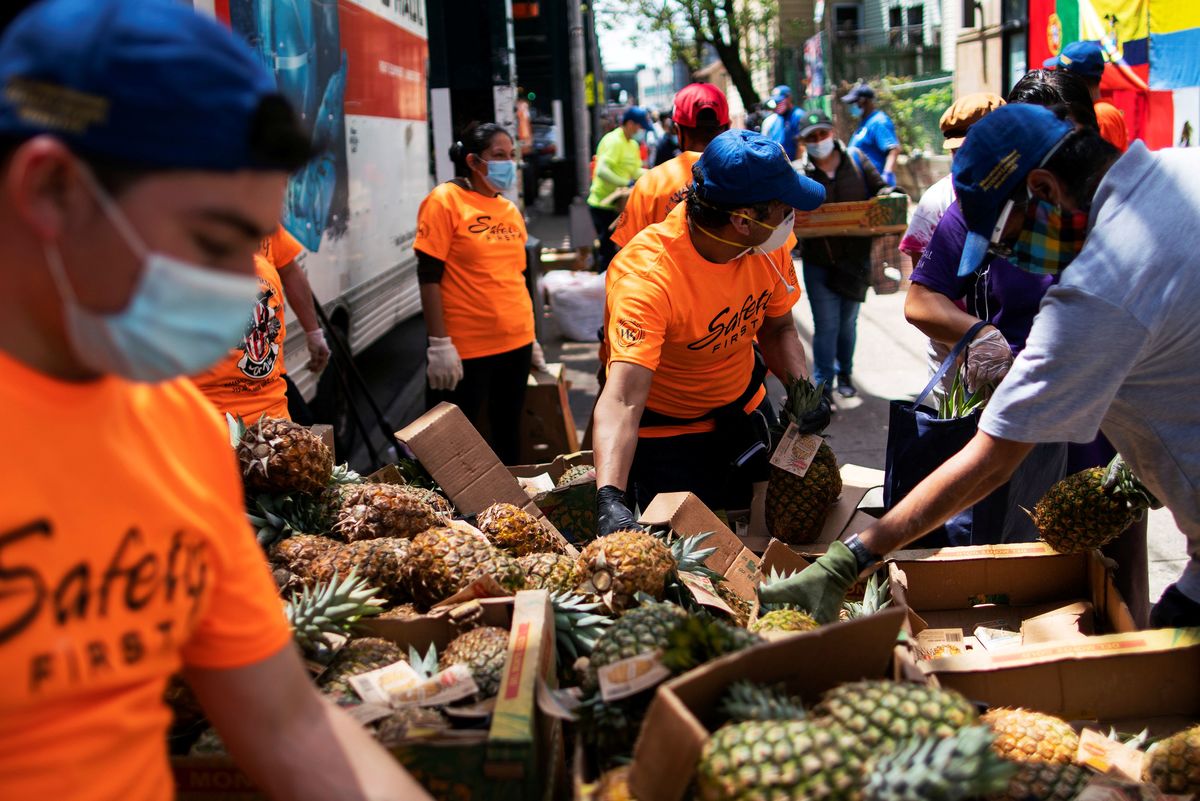
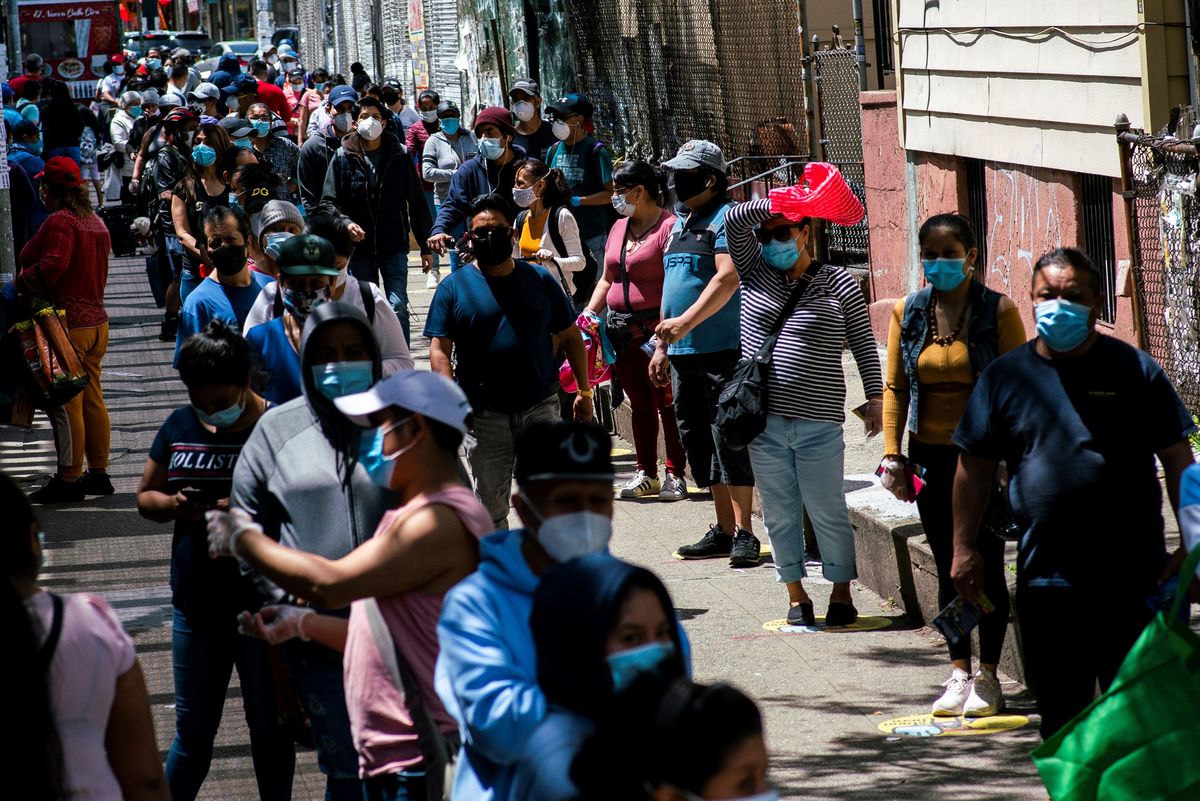
FILE PHOTO: New York Governor Andrew Cuomo holds his daily briefing at New York Medical College during the outbreak of the coronavirus disease (COVID-19) in Valhalla, New York, U.S., May 7, 2020. REUTERS/Mike Segar/File PhotoNew York City Mayor Bill De Blasio gives away face masks to people for using on public spaces to prevent the spread of coronavirus disease (COVID-19) in the Queens borough of New York City, U.S., May 16, 2020 REUTERS/Eduardo MunozSchool safety Police Department member gives away face masks to people for using on public spaces to prevent the spread of coronavirus disease (COVID-19) in the Queens borough of New York City, U.S., May 16, 2020 REUTERS/Eduardo MunozNew York Police Department officers patrol the Flushing Meadows Corona Park during the outbreak of the coronavirus disease (COVID-19) in Queens, New York City, New York, U.S., May 16, 2020 REUTERS/Eduardo MunozA child rides his bike as a social distance banner is seen in the Flushing Meadows Corona Park during the outbreak of the coronavirus disease (COVID-19) in Queens, New York City, New York, U.S., May 16, 2020 REUTERS/Eduardo MunozPeople queue to receive some food donated by Alianza Ecuatoriana International at a food pantry during the outbreak of the coronavirus disease (COVID-19) in the Corona section of Queens, New York City, New York, U.S., May 16, 2020 REUTERS/Eduardo MunozA woman carries food donated by Alianza Ecuatoriana International at a food pantry during the outbreak of the coronavirus disease (COVID-19) in the Corona section of Queens, New York City, New York, U.S., May 16, 2020 REUTERS/Eduardo MunozA woman carries food donated by Alianza Ecuatoriana International at a food pantry during the outbreak of the coronavirus disease (COVID-19) in the Corona section of Queens, New York City, New York, U.S., May 16, 2020 REUTERS/Eduardo MunozPeople receive some food donated by Alianza Ecuatoriana International at a food pantry during the outbreak of the coronavirus disease (COVID-19) in the Corona section of Queens, New York City, New York, U.S., May 16, 2020 REUTERS/Eduardo MunozVolunteers organize food to be donated by Alianza Ecuatoriana International at a food pantry during the outbreak of the coronavirus disease (COVID-19) in the Corona section of Queens, New York City, New York, U.S., May 16, 2020 REUTERS/Eduardo MunozPeople queue during a food distribution during the outbreak of the coronavirus disease (COVID-19) in the Corona section of Queens, New York City, New York, U.S., May 16, 2020 REUTERS/Eduardo Munoz
Sign up to read this article
Read news from 100’s of titles, curated specifically for you.