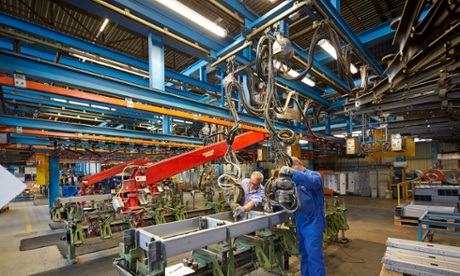
Bruynzeel Storage Systems is a trendsetter in producing, advising and installing space-saving filing and storage solutions for offices, archives, museums and libraries, with a global network of distributors in 43 countries.
Philips is applying circular economy principles1 in its business models and end-to-end value chains based on the conviction that companies that solve the problem of resource constraints will have a competitive advantage. Applying these principles to indoor lighting at Bruynzeel, Philips supported its client to transition towards sustainable lighting, where the emphasis is less on “ownership” and more on “use”.
Philips remains the owner of the luminaires and lamps, and Bruynzeel is the user who will pay a fixed fee for its indoor lighting solution over the coming years. This means that not only is the product circular, but the business model itself is also based on circular economy principles. Responsibility for management, maintenance and innovation lies with Philips. By installing innovative technology now, up to 73% savings can be made on total energy consumption. The light is also more “friendly” and warmer, with the result that employees find it more restful on the eyes and that they are less tired when they get home.
It was architect Thomas Rau who introduced Philips to circular lighting. Now you no longer purchase products, you purchase services instead. Light as a service. Following this development, Thomas Rau set up a separate unit, called Turntoo, to promote and support this model. Since then, Philips and Turntoo have worked together closely on the further development of product/service combinations based on the principles of the circular economy.
With circular lighting, Philips aims to supply a new lighting solution based on the most energy-efficient products, enabling Philips to optimise the use and maximise the re-use of raw materials.
Circular approach
Igor La Vos, CEO at Bruynzeel Storage Systems said,
“The circular approach is in our blood. From the layout of our designs to the application of powder coatings, in everything we do, we look to see how we can do things in a better, more pragmatic way and, above all, how we can use fewer resources. In order to really make progress in this, we are actively looking for partners who have the same circular vision and, most importantly, act accordingly.”
Philips has come up with an attractive budget-neutral solution that supplies a lighting solution with the most energy-efficient products and optimum use/maximum re-use of raw materials. “This partnership is a logical step for us,” said La Vos.
Frank van der Vloed, general manager for Philips Lighting Benelux said,
“Circular lighting not only changes our consumption of light, it also represents a break with the old way of conducting business. Bruynzeel no longer purchases products that produce light, now it only purchases the actual light itself. This revolutionary approach promotes maximum re-use of equipment and preserves raw materials as much as possible. It delivers substantial benefit to business customers in terms of productivity and effectiveness. This partnership with Bruynzeel is about more than just sustainable purchasing.”
1 Circular economy is characterized by customer access over ownership, (pay for performance e.g. Light as a Service), business model innovations (from transactions to relationships via service and solution models), innovations for material-, component-, and product reuse, products designed for disassembly and serviceability.
Content on this page is produced and controlled by Philips, supporter of the circular economy hub