
The University of Queensland will take blood samples from Red Zone residents in coming months to determine how PFAS blood levels change over time.
The project aims to improve the understanding of what factors might reduce PFAS blood levels.
"Efforts have been made in workplaces to control the exposure of PFASs in the environment," a project information sheet said.
"This study will also help us understand more about the relationship between PFAS levels and levels of other biochemistry measurements of health.
"This study will not provide specific information about an individual's health status. The study is designed to contribute to the broader research into PFAS exposure and their potential association with human health issues."
Those who have been invited have already participated in PFAS health studies in 2016 and 2019.
"It is important to note that the study will not provide definitive advice about any individual's health, but the results will contribute to the broader research into and understanding of PFAS exposure levels and their potential association with human health issues," the project organisers said.
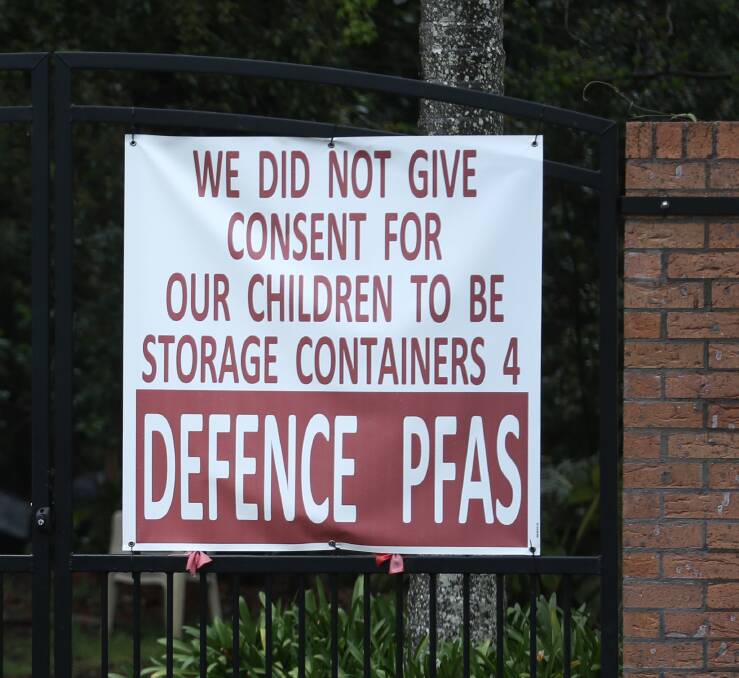
"With your permission we would also like to compare your current biochemistry tests and PFAS levels with your previous biochemistry tests and PFASs levels as well as any survey data collected in The ANU PFAS Health Study."
The project will compliment research by an Australian National University team that is investigating the health impacts of PFAS exposure.
The team is currently analysing blood samples from residents in Williamtown, Oakey and Katherine - three communities that settled a PFAS contamination class action against the federal government last year.
The researchers are also analysing health biomarkers including cholesterol, kidney, liver and thyroid function to see how the levels differ between communities.
A growing body of overseas evidence has linked exposure and serious illness.
NSW Health discontinued a PFAS blood testing program in 2019.
Representatives from the Department of Planning and the NSW Environment Protection Authority told a 2019 Budget Estimates hearing that they had been advised that blood testing for PFAS was of little value.
"We take advice from the Ministry of Health and they have told us there is no link between a concentration in your blood and any particular health outcome," the EPA's executive director of hazardous incidents and environmental health Stephen Beaman said.
"So getting a number from a blood test is meaningless."
For faster access to the latest Newcastle news download our NEWCASTLE HERALD APP and sign up for breaking news, sport and what's on sent directly to your email.