Uzbekistan has inaugurated a new copper processing plant at the Almalyk Mining and Metallurgical Complex, with an annual ore processing capacity of 60 million tonnes.
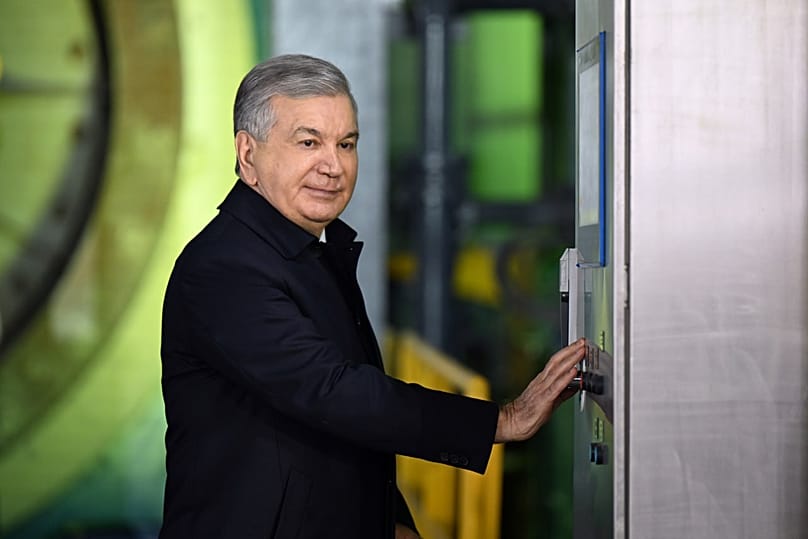
Located in the eastern part of the country, near the city of Almalyk, the facility is expected to produce up to 900,000 tonnes of copper concentrate, according to official figures presented during the inauguration ceremony attended by President Shavkat Mirziyoyev.
Officials say the additional capacity could move Almalyk from its current position among the world’s top 30 copper-producing complexes into the top 10 globally in terms of processing capacity.
Copper is considered a strategic metal for the global energy transition, used in renewable power systems, electric vehicles and modern infrastructure. Demand is expected to increase in the coming years as countries accelerate electrification and investment in clean energy.
Output and capacity expansion
“Once Copper Processing Plant No. 3 reaches full capacity, the daily production of copper concentrate at the Almalyk Combine will increase from the current 2,400 tonnes to 5,000 tonnes”, Mirziyoyev said, adding that more than 6,000 young people will receive high-paying jobs as part of the project.
Uzbekistan currently processes around 100,000 tonnes of copper annually.
Authorities estimate that capacity for deeper processing could rise to 240,000 tonnes as further projects are implemented in the coming years.
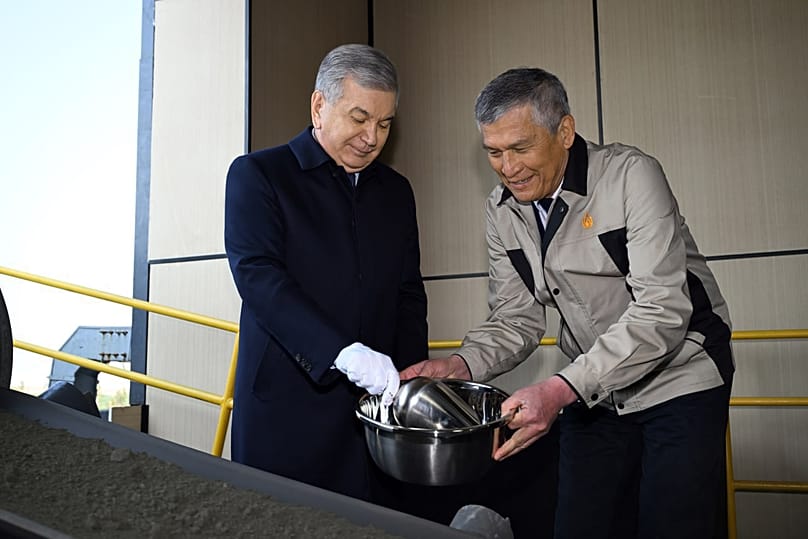
Government projections also indicate that ore extraction from the Yoshlik-1 deposit could reach 20 million tonnes this year and increase to 60 million tonnes within the next two years.
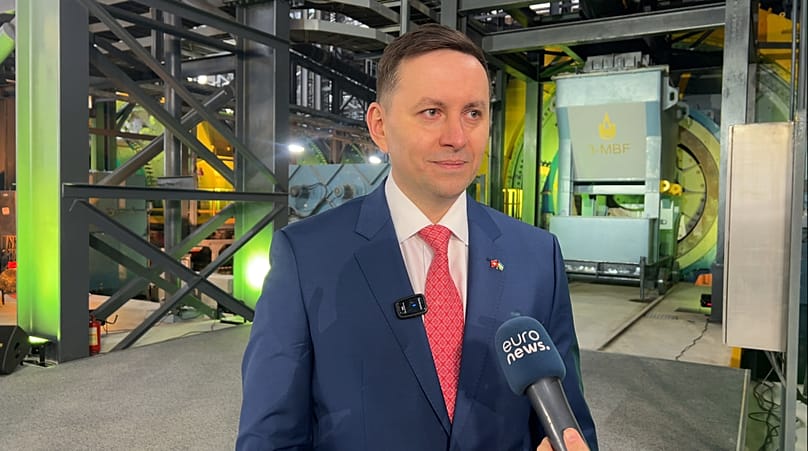
_“_The target of all the investment programs in Almalyk mining is to triple production, bringing copper output to at least 500,000 tonnes per year. And of course, we have all the resources, all the capacities to achieve that goal,” Uzbekistan’s Minister of Investment, Industry and Trade Laziz Qudratov told Euronews**.**
Investment and industrial strategy
The project, valued at $2.7 billion (€2.5bn) and covering 196 hectares, forms part of Uzbekistan’s broader effort to increase domestic processing of raw materials and reduce reliance on exports of unprocessed commodities.
According to government data, Uzbekistan’s mining sector has attracted around $10 billion (€9.3bn) in foreign investment over the past nine years, with 65 private companies currently operating in the industry.
Authorities say production in the sector has increased by 1.7 times in recent years, reaching 270 trillion soms (€20.5bn) last year, with mining accounting for a significant share of industrial output and state revenues.
In parallel, downstream industries linked to metals have expanded. Government figures indicate that jewellery production has increased more than threefold, exceeding 13 trillion soms (around €1 billion).
Technology and operations
Construction of the plant began in 2021 and was completed in 2025, a shorter timeframe than is typical for similar facilities.
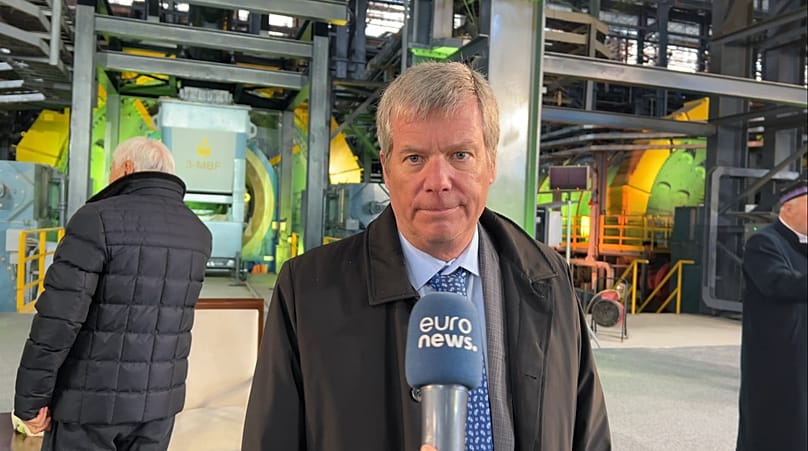
“It takes a long time to build this kind of copper concentrators. Many projects take seven to eight, even ten years,” said Peter Flanagan, senior vice president of FLSmidth.
“Here in Uzbekistan, it took about four years to reach this stage.”
Processing equipment, including flotation cells and grinding systems, was supplied by METSO company, while other systems were delivered by international contractors.
Renaud Lapointe, president for Europe and Central Asia at Metso, said the project stood out in terms of scale and execution.
“We have been impressed by the collaboration between the METSO team and the Almalyk mining team,” he said.
Electrification systems, including drive technologies and conveyor infrastructure, were supplied by Sweden’s ABB.
Rustam Sharipov, a representative of the company, said the project ranks among the largest of its kind globally.
“We are proud to collaborate with the Almalyk complex,” he said.
Project data indicates that operations will be fully digitised and integrated into a unified management system using artificial intelligence.
Authorities say this could reduce energy consumption by around 10% and production costs by approximately 15%, while increasing labour productivity by about 10%.
Resource base and expansion plans
The Yoshlik-1 and Kalmakyr deposits are estimated to contain around 45 million tonnes of copper, along with more than 5,000 tonnes of gold, providing a long-term raw material base for production.
The government has also outlined plans to expand capacity further, including a new copper smelter project valued at $2.5 billion (€2.16bn) and a fourth copper processing plant currently under development.