I enjoyed reading the novelist Amit Chaudhuri reminiscing in Saturday’s Guardian about the publishing world of the 1980s. “You suddenly had an inexhaustible run of first novels that were astonishing successes,” he writes, “something unknown in other historical epochs, in which reputations were achieved over time.” I found it fascinating to imagine a time when novelty had zero currency, and it made me think about comedy today, particularly on the Fringe, where novelty is easier to sell (and to write about) than the difficult business of getting better one show at a time.
I’m feeling that keenly, because I’ve seen a handful of second shows over the Fringe’s opening weekend that didn’t quite deliver on the promise of their predecessors. Of course, that’s a phenomenon – “difficult second album syndrome” – that recurs well beyond comedy, and which forms the self-reflexive theme of Adrienne Truscott’s current show. It’s about dealing with expectation, whereas your first show/album/whatever was created without pressure. It’s about weighing up whether to deliver more of the same (not least for all those people who missed you first time round) or something new to keep last year’s audience on its toes. It’s about having to hastily assemble something, after years putting together its predecessor.
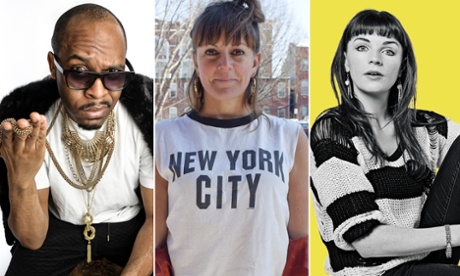
The problem may be keener in comedy than in other artforms, because so much of comedy boils down to the personality of the performers on stage. First shows can make a vivid impression by dint of a never-before-encountered charisma alone – and when the novelty of that wears off, it leaves a big gap for material to fill. Maybe, on some level, I responded excitedly to the first shows of (for example) Truscott, Massive Dad and Aisling Bea because I was excited to “meet” vivid and funny people I hadn’t met before. By their second shows, I’m taking that for granted while still demanding an exciting experience.
That’s a difficult expectation to fulfil, particularly at a festival where all comedy-watchers have infinite opportunities to experience the thrill of the new. That’s where Chaudhuri’s 80s nostalgia came in handy, because it reminded me – notwithstanding the loads of terrific first-timers I’ll see this and every year – that while some may be born funny, real skill at standup (and sketch) is usually acquired over time. I remember my frustration at the early work of Pappy’s Fun Club (couldn’t stand it), Sara Pascoe (“tapering waffle”, I wrote) and James Acaster (“man-childish and underpowered”) – all of whom went on to bona fide comedy greatness. That wasn’t just me being blind to new talent, it was – as I think those artists would admit – that they’d yet to find their voice or hone their craft.
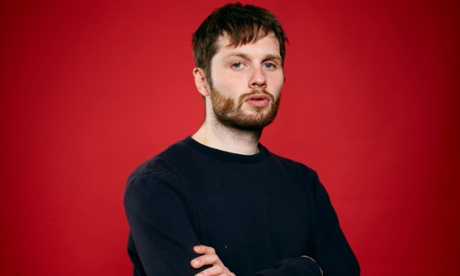
So, resisting the temptation to splurge on newcomers, I’ll be paying just as much attention to second shows on the Fringe, bearing in mind their particular difficulties, and hoping to see those difficulties audaciously overcome. Liam Williams offers one recent template (followed to some extent by Dane Baptiste this year), returning after a promising, personal debut with a (ridiculously) ambitious follow-up about the state of the nation/economy/the world. They will continue to improve, as will those acts who’ve had sophomore-show wobbles. We should resist neophilia, and enjoy watching them do so.