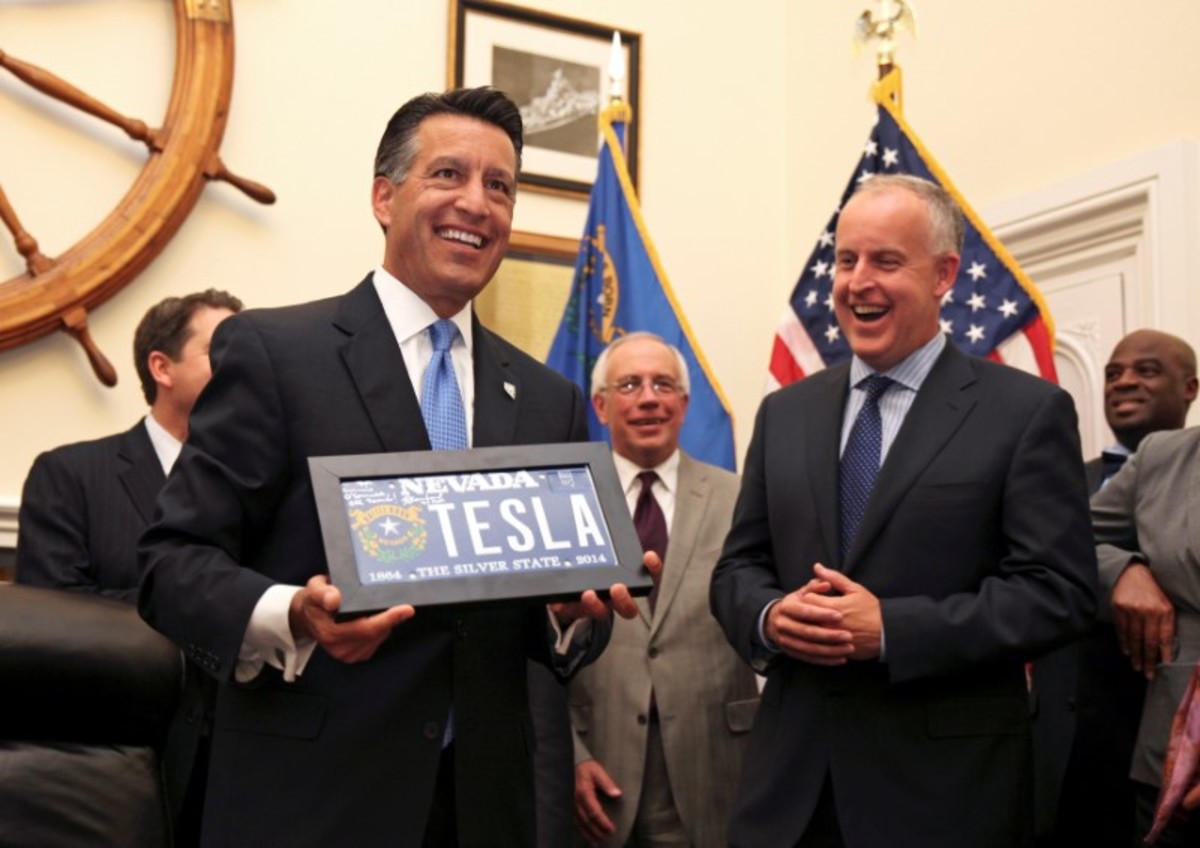
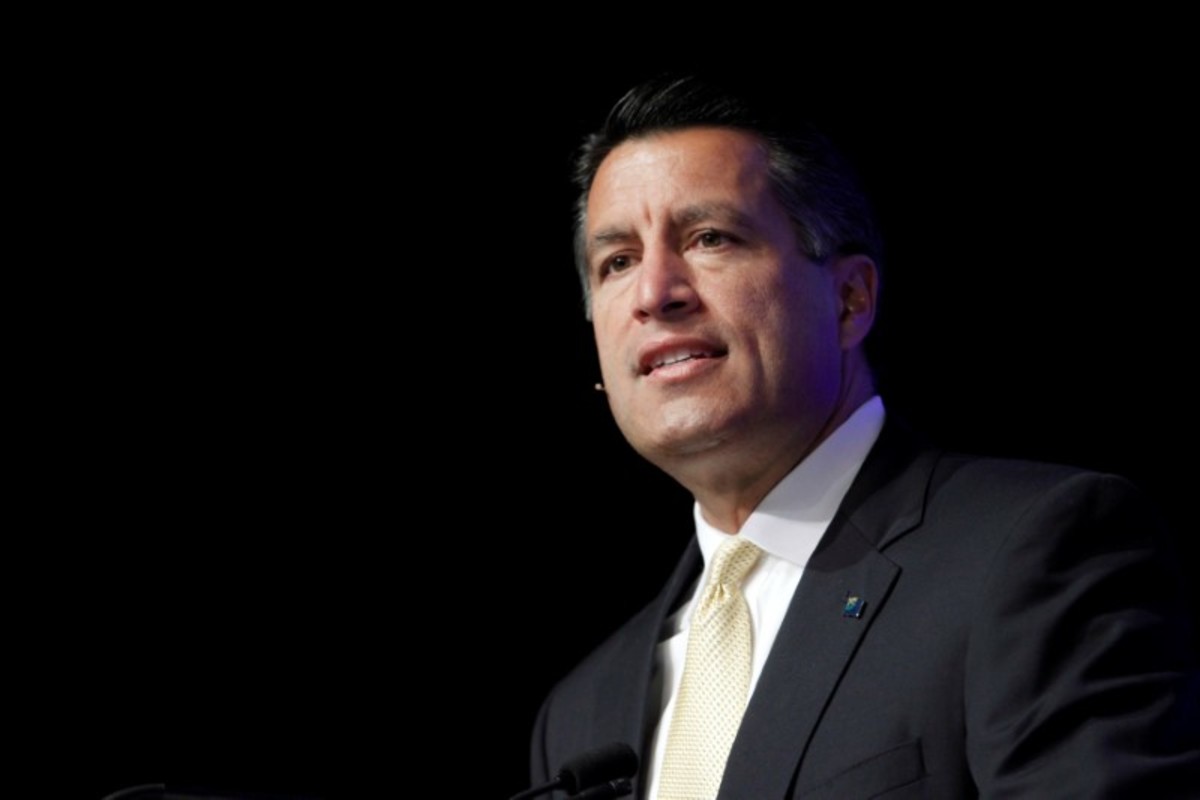
(Reuters) - Nevada Governor Brian Sandoval on Thursday signed a bill to reinstate a key rooftop solar policy and bring national residential installers Tesla Inc's solar division and Sunrun Inc back to the state after an 18-month absence.
Last week, state legislators passed the bill, which requires utilities to purchase excess power generated from rooftop solar panels at near the full retail rate. Known as net metering, the buy-back policy is critical to making residential solar affordable.
Both Tesla and Sunrun said they would resume sales in Nevada if Sandoval signed the bill. He did so on Thursday during a ceremony held at a Tesla facility in Las Vegas.
Solar companies cheered the reopening of the Nevada market, which comes as growth of residential solar has slowed in many key states, including top market California.
In a speech at the signing ceremony, Tesla Chief Technical Officer JB Straubel said the new legislation would "bring in thousands of jobs and millions of dollars in positive economic benefit" to Nevada "over time." Tesla would resume selling systems immediately, he added.
Nevada scrapped its previous net metering policy at the end of 2015, prompting Tesla unit SolarCity and Sunrun to abandon what was at the time a major solar market. The move, which led to a 32 percent decline in solar installation jobs in the state last year, was broadly unpopular with Nevada residents.
Opponents of net metering argue that forcing utilities to pay high rates for rooftop solar in effect means that customers who do not have solar panels subsidize those who do.
(Reporting by Nichola Groom; Editing by Cynthia Osterman)