There are concerns that if Israel maintains its hard-line stance on Palestine, it could further complicate Middle East peace efforts and cause turmoil and instability in the region. It is indispensable to exercise caution over a possible exacerbation of the situation.
With the ruling Likud party as the main force, right-wing factions have secured a majority of seats in Israel's general election, making it likely for Prime Minister Benjamin Netanyahu to stay on.
Netanyahu has been elected to successive terms as prime minister since 2009, when he recaptured the position. He seems to have won approval, mainly among right-wing and centrist voters, for achieving his nation's economic growth under his longtime rule, as well as his security measures.
The problem is that, in the final stage of election campaigning, Netanyahu expressed an intention to annex Jewish settlements in the West Bank.
Many Palestinians had their land seized in the territories occupied by Israel in the Six-Day War of 1967, and settlement of the territories by Jews has been progressing. There are about 410,000 settlers in the West Bank.
If Israel forcibly annexes the settlements, it could roll back prospects for realization of Middle East peace through a "two-state solution," in which a Palestinian state and Israel would coexist. Annexation would inevitably draw objections from the international community, as it regards the settlement of the occupied territories as a violation of international law.
Japan should urge calm
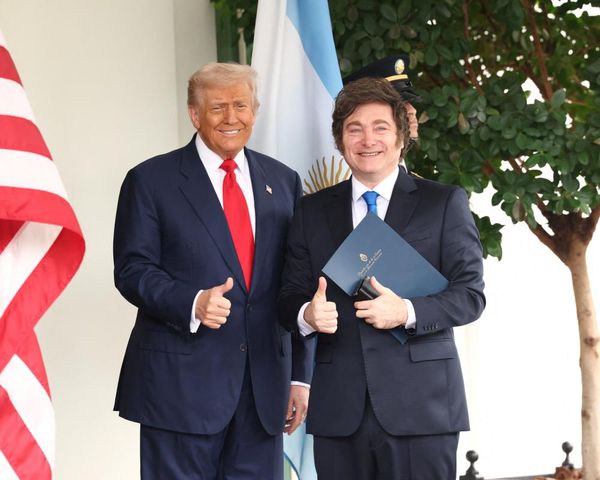
One factor behind Netanyahu's hard-line stance is that peace negotiations have been suspended since 2014 due to the lengthening of Israel's conflict with a Palestinian Islamic organization, Hamas. Another factor is Netanyahu's close relationship with U.S. President Donald Trump.
Trump recognized Israel's sovereignty over the Golan Heights in Syria, which Israel occupied in the 1967 war. Emphasizing the move as one of his diplomatic achievements, Netanyahu used it to recover from having been placed at a disadvantage in the election race due to his suspected corruption.
The U.S. administration has said it will draw up a new Middle East peace plan, serving as an intermediary in that process. It will not be able to persuade the Palestinians to accept the plan unless such an initiative rules out changing the status quo by force and urges Israel to make concessions, too.
Another cause of worry is growing tensions between the United States and Iran.
Trump has designated Iran's elite Revolutionary Guards as a terrorist organization, saying his administration will exert greater pressure on them. He considers the move to be a countermeasure against the Revolutionary Guard's assistance to anti-U.S. and anti-Israel organizations.
Although it is certainly necessary to exercise caution about an increase in Iran's influence in the Middle East, attempts to isolate the country solely through pressure could cause unforeseen situations.
A large amount of Japan's energy imports, such as oil and gas, comes from the Middle East. Stability in the region is directly tied to our country's national interests. The government must utilize the advantage it has accrued from its favorable relations built with the United States, Israel and Iran, and use it to ease the antagonism among the countries involved.
(From The Yomiuri Shimbun, April 17, 2019)
Read more from The Japan News at https://japannews.yomiuri.co.jp/