With any agriculture, you can often feel as though the elements are against you. However cutting-edge your research and production facilities, ultimately you’re still at the mercy of the weather: an unusually dry year can affect yields, while too much rain can cause nutrients to leach from the soil and rot your crop roots.
For the coffee farmer, these problems are magnified by economic uncertainty, climate change and urbanisation. With so much at stake, investing in this business can be a gamble.
Since he joined the Nespresso AAA Sustainable Quality Program™, Duberney Arias Agudelo – whose farm is in Pácora, Caldas, in the famous Colombian coffee belt – has changed the way he handles his harvest, washing it daily and drying it immediately to preserve its quality.
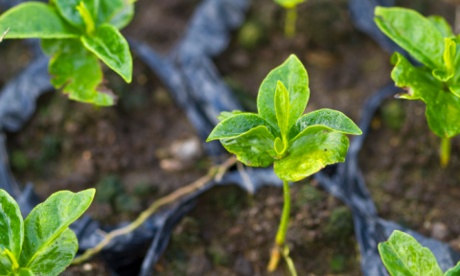
Through the AAA Program, he’s received expert advice on which coffee plants are most suitable for his terrain, and has been shown how to keep the plants far enough apart. Pruning regularly increases productivity, while planting shade trees protects the crop.
Coffee, as much as wine, is a product of its terroir, with the quality of the soil producing a unique taste and aroma. Jaime Elias Eraso is fortunate enough to farm in Nariño, southwestern Columbia, which is a recognised “zone of quality”. The area benefits from abundant sunlight at high altitudes, ideal rainfall patterns, and rich volcanic earth. The humid winds rising up from the valleys allow the beans to be cultivated at high altitudes, and Nariño’s coffee is prized for its unusually high acidity, sweetness and mildness.
But the delicious flavour doesn’t just happen. Working with an agronomist, Jaime has learned how to process the crop more effectively and cleanly, drying the coffee on a bed. He has also worked to improve the quality of water that runs through the farm and taken steps to nurture biodiversity.
In 2013, Nespresso achieved its target to source 80% of its coffee from the AAA Program; its goal is to reach 100% by 2020.
Discover the Nespresso machine perfectly suited to you here.