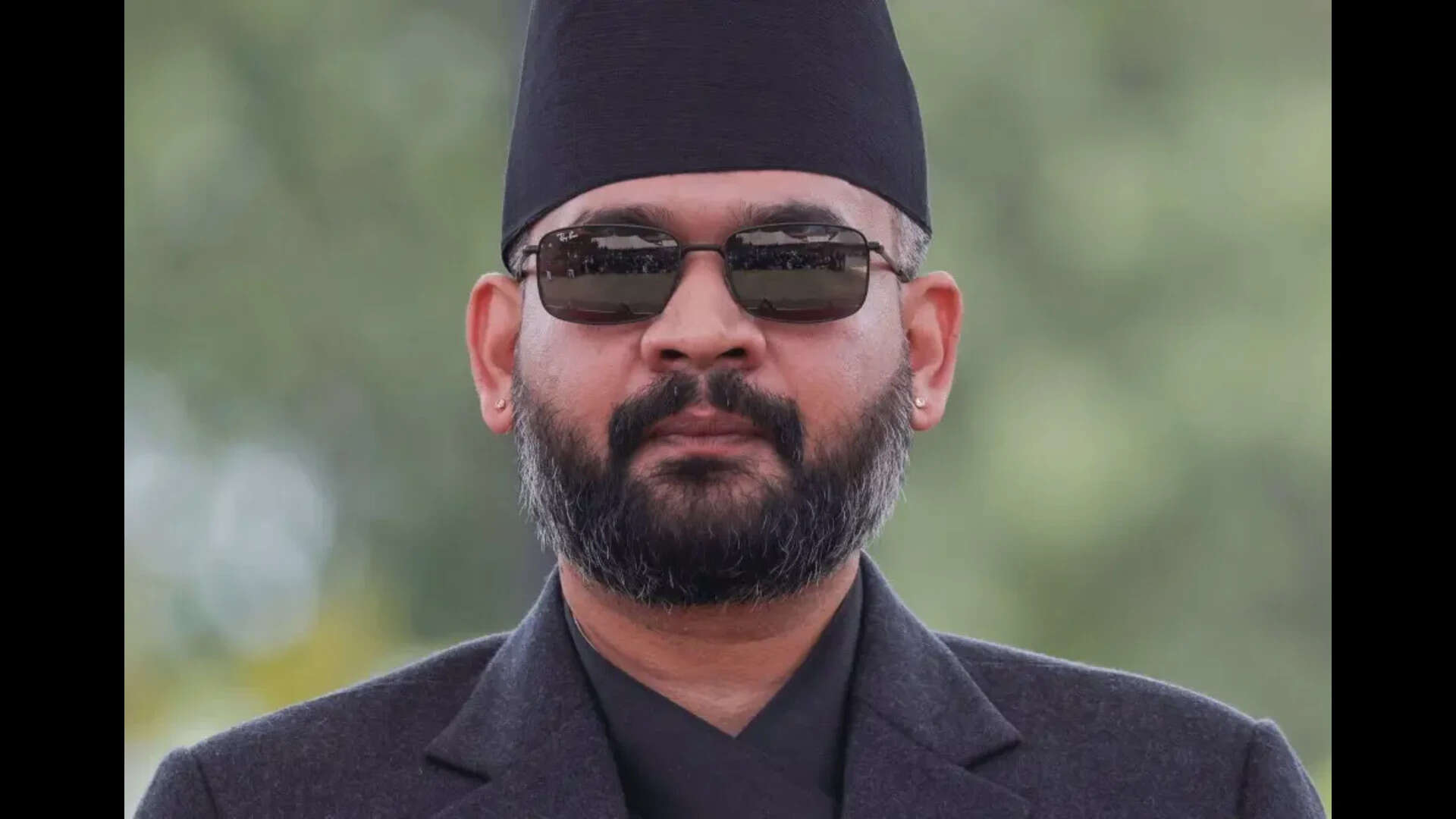
The Balendra Shah govt in Nepal is planning to change its statutory rape law by introducing a “Romeo-Juliet” clause that would prevent consensual relationships between teenagers close in age from automatically becoming rape cases. The proposed reform, now under review, seeks to create a three-year age-gap exemption for adolescents aged between 16 and 18, while retaining strict punishment for sexual abuse, coercion and exploitation.
Nepal’s current law treats any sexual relationship involving a person below 18 as rape, regardless of consent, while the legal marriage age in the country is 20. Critics of the existing law said this had led to cases where teenage boys were jailed after consensual relationships, often following complaints by families opposed to the relationship, including inter-caste relationships or elopements. The debate has also come at a time when Nepal is debating whether to lower the legal marriage age to 18, a proposal that has drawn support in some quarters but concern from child-rights activists.
The proposal gained momentum after several controversial cases involving teenage couples reached Nepal’s courts. Law secretary Udaya Raj Dhungana said govt is preparing a “Romeo and Juliet law” after seeing a rise in such cases. “The intention is not to weaken rape laws. The intention is to separate exploitation from natural adolescent relationships,” he said.
Dhungana said one suggestion before govt was to apply the exemption where the age difference was up to three years, while cases involving a larger age gap would continue under regular criminal law.
Senior advocate Meera Dhungana, who was involved in discussions around the reform, told TOI that families often used rape complaints to break relationships they disapproved of. “We found cases where the law was being used to punish young couples rather than protect minors from abuse,” she said.
The debate has found support among younger activists and students, who argued that the law does not reflect the realities of adolescent relationships in Nepal. Kathmandu-based youth rights activist and law student Samikshya Karki told TOI , “Two teenagers in a relationship should not automatically become a criminal case. The law must distinguish between abuse and consensual relationships among peers.”
The proposal, however, has raised concern among child rights groups and women’s rights activists, who warned that any relaxation of statutory rape provisions could weaken protections for girls in a country still battling child marriage and gender violence. Former National Human Rights Commission member Mohna Ansari urged caution and said, “There must be broad discussion and understanding of social realities before changing the law. Otherwise, there is a risk of misuse.”