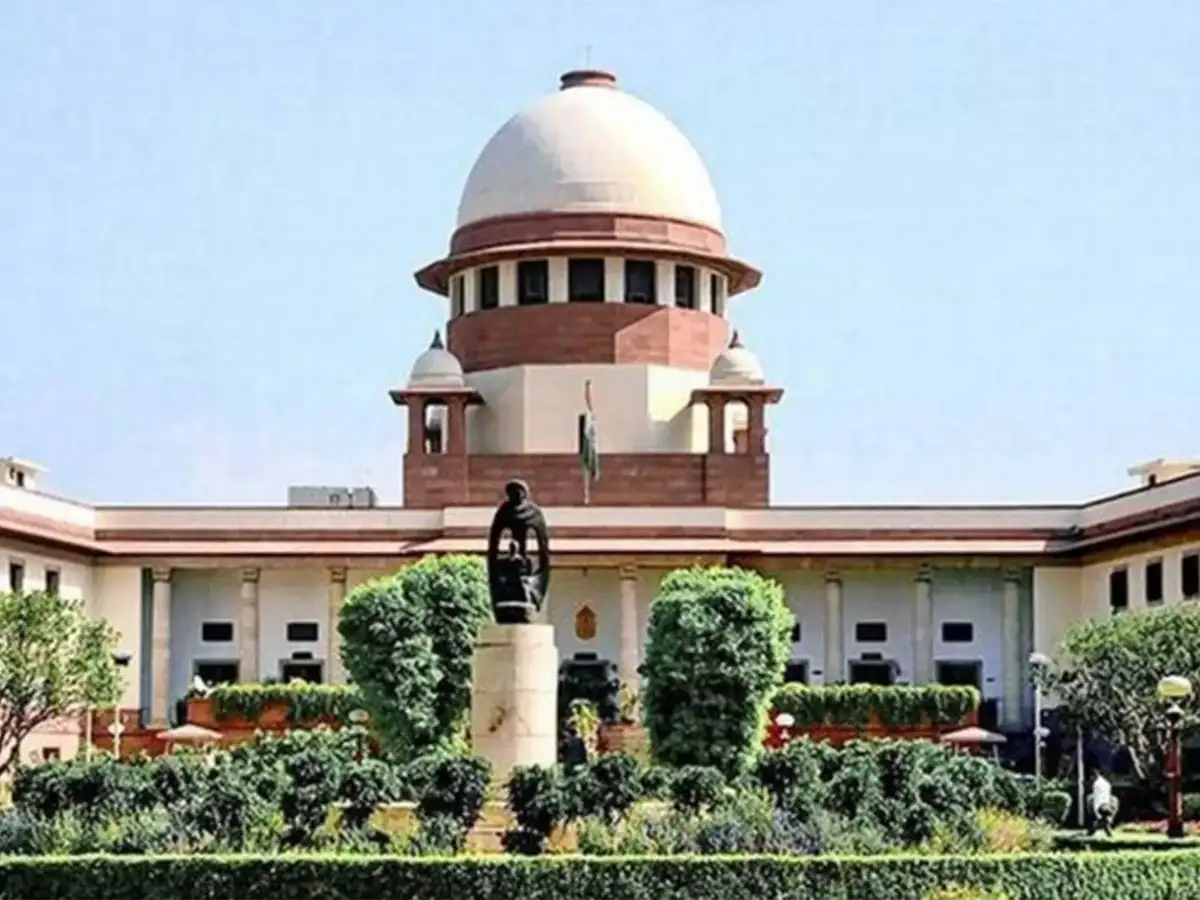
New Delhi: The Supreme Court on Friday directed the Centre and the National Testing Agency (NTA) to file a fresh and comprehensive affidavit detailing the progress made in implementing reforms following the NEET-UG paper leak.
The direction came while hearing pleas filed by the Federation of All India Medical Association (FAIMA) and others seeking an overhaul of the NTA.
The Court said the affidavit must explain the steps taken to institutionalise the proposed reforms, including measures relating to transparency, digital infrastructure, security, administration, human resources and the proposed transition to Computer-Based Testing (CBT).
Read more: SC to closely monitor Centre's steps to curb NEET paper leaks
Appearing for the Centre, Solicitor General Tushar Mehta assured the bench that the government was "going 10 extra miles" to strengthen the examination system and would file a fresh affidavit addressing all the concerns flagged by the Court.
Taking note of the assurance, a bench of Justices PS Narasimha and Alok Aradhe accepted the request for time but made it clear that the implementation of the reforms would remain under its close watch.
"We can't let this go on like this," the bench observed while posting the matter for hearing next Monday.
The Court noted that the High-Powered Committee (HPC), constituted after the NEET-UG paper leak, had already submitted its recommendations. However, it found that the Union's affidavit did not adequately indicate the progress made in implementing them.
Stressing that the focus of the proceedings was to build permanent institutional mechanisms rather than an ad hoc approach, the Court said the reforms must be institutionalised.
"Complete institutionalisation is what is required... this ad hocism has been troubling us," Justice Narasimha remarked during the hearing.
The Court directed the Centre to file an affidavit explaining the proposed governing board, the constitution of expert-led units, stakeholder nominations and the domain-specific requirements for experts. It said the affidavit should explain how these institutional structures would function and the progress made in setting them up.
Read more: Union Cabinet said to have cleared bill for tougher punishment in paper leak cases
The Court also sought a detailed status report on the implementation of the HPC's recommendations across all ten verticals identified by the Committee, including digital infrastructure, research and development, transparency, security, administration and human resources.
It further sought details on the role, responsibilities and progress made by the newly appointed Additional Directors General for security, monitoring and vigilance.
Calling it a very important part of the reform exercise, the Court directed the Centre to explain the progress made across all three stages of the examination cycle, pre-examination, during the examination and post-examination.
For the pre-examination stage, the bench sought details on the progress made in testing modalities involving state and district authorities. It also asked the Centre to explain the status of the proposal for conducting examinations in multiple sessions, measures relating to examination centres, question papers and reforms concerning the printing and transportation of examination material.
Questioning the continued reliance on emergency arrangements adopted after last year's paper leak, Justice Narasimha observed that the deployment of the Indian Air Force for transporting question papers was necessitated by the circumstances but could not become a permanent feature of the examination system.
"You had deployed the Indian Air Force because of what had happened. That is only ad hoc. There has to be a permanent system," Justice Narasimha remarked.
The Court also described the proposed transition to Computer-Based Testing as another critical area requiring a detailed response. It directed the Centre to explain the proposal, the implementation roadmap, how examination data would be transferred and stored, and the safeguards proposed for protecting such data.
Emphasising the importance of digital security, Justice Narasimha observed that the integrity of the examination system depended upon secure handling of examination data and that any compromise could undermine the entire process.
"A leak would occur when the data is not protected, and the entire system breaks down," the judge observed.
The Court also sought details on the proposal to use technologies such as DigiYatra for candidate verification, observing that the Union's affidavit had not addressed that recommendation.
"We are spending time in the context of institutionalisation. What is the proposal? How is it to be implemented?" Justice Narasimha asked.
Observing that the Union's existing affidavit was silent on several of these aspects, the bench accepted the Centre's assurance that a comprehensive affidavit would be filed before the next hearing.
"We will closely monitor it. We will ensure institutionalisation takes place. We will monitor it throughout the year," the Court said.

.png?w=600)