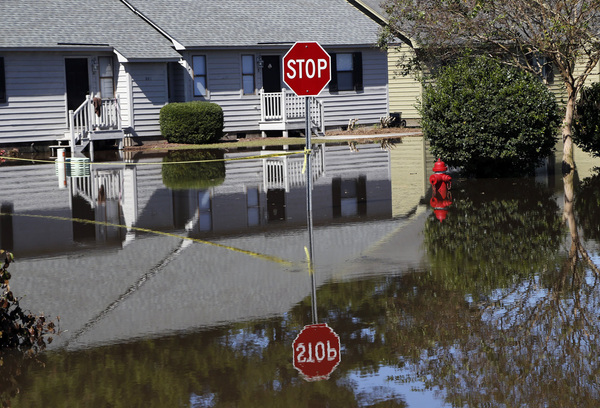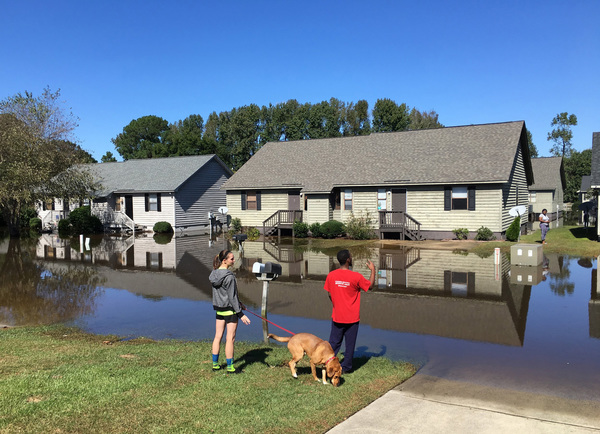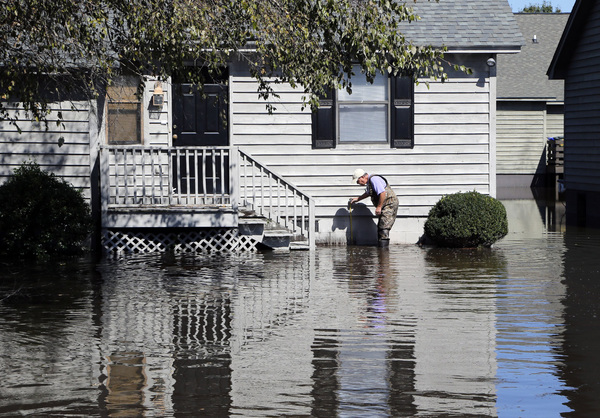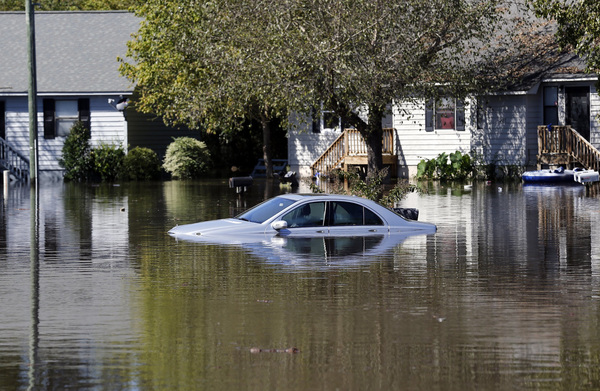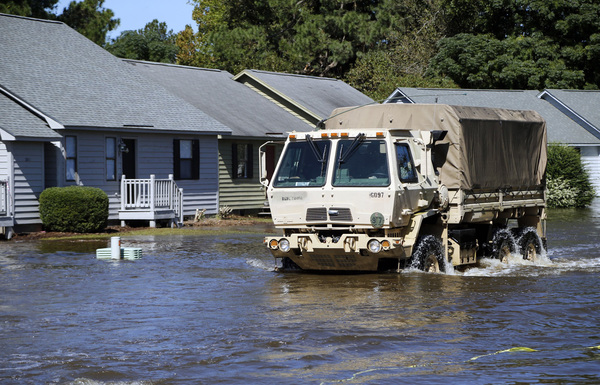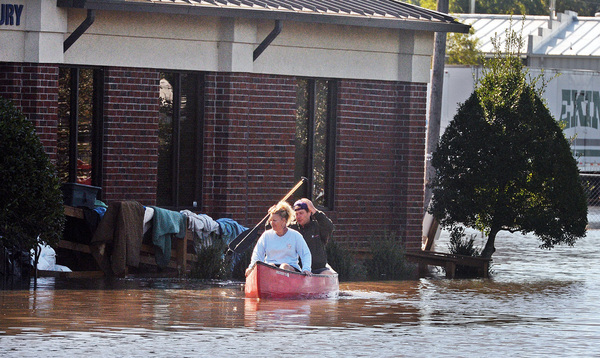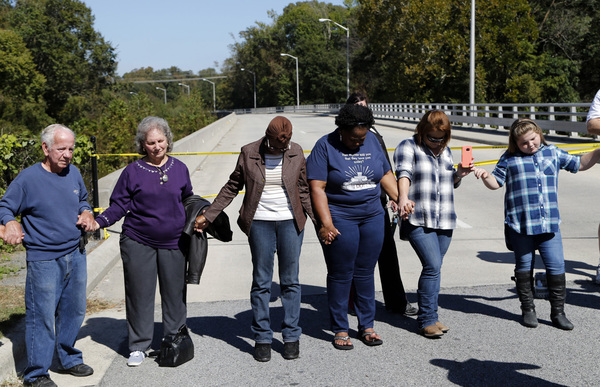
CHARLOTTE, N.C. _ North Carolina's Hurricane Matthew death toll has risen yet again in the ninth day of recovery to 19 people, most of them drownings that occurred when people were trapped in vehicles and swept away. The toll could rise even more, as rivers in five more counties are expected to surpass record levels between Wednesday and Saturday.
As of Wednesday morning, 143,000 sites in the state are without power and 3,800 people are housed in 43 shelters, some of which do not have electricity, said Gov. Pat McCrory. Thirty-four school districts remain closed, and near as many county court systems have been temporarily paralyzed due to the flooding, he added.
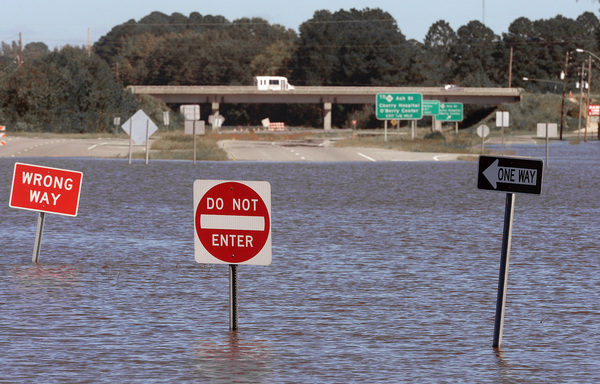
Multiple sections of Interstate 95 are shut down, and seven mile stretch of Interstate 40 is closed in the Newton Grove area, officials said.

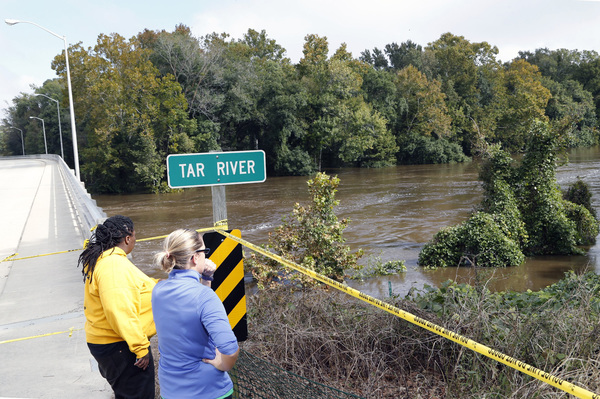
State officials say they are preparing for the worst in Edgecombe, Pitt, Lenior, Greene and Bladen counties, due to waters that continue to rise in the Neuse and Tar rivers. In the case of the Neuse River, it has surpased records in the Smithfield area by more than a foot, officials said.
Evacuation orders are currently in place in Greenville, Princeville and various areas of Lenoir County in anticipation of flooding, officials said.
Two thousand people have been rescued so far from the rising waters, including 50 rescued over night Wednesday in Robeson County.

North Carolina has averaged about three fatalities per day this week, officials said, the latest two of which involved a driver in Wayne County and a 51-year-old man who was talking in Johnston County on Sunday and got swept up by waters. His body was recovered in the past 24 hours, officials said.
McCrory said an additional three counties have been added to the federal disaster declaration that will help local and state governments augment the costs of responding to the disaster and pay for storm debris removal. To date, about 35 counties have been included and more are expected to be added, including Moore County.
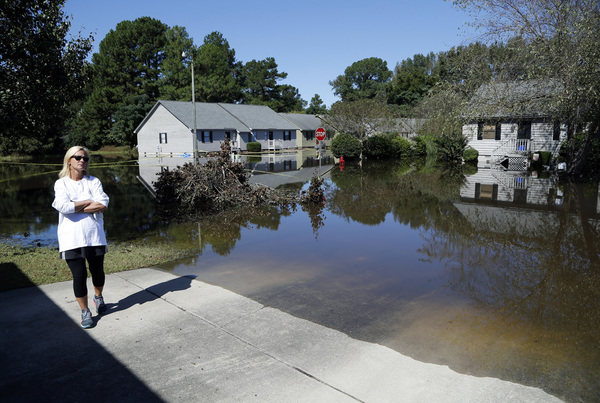
McCrory said a major priority for the state now is to find homes for many of the people who are in shelter, some of which need both clothing and access to medications that they left behind as they fled rising waters. "That is a major challenge for people, and there is no easy solution," McCrory said. "You can't just snap your fingers and have a home."
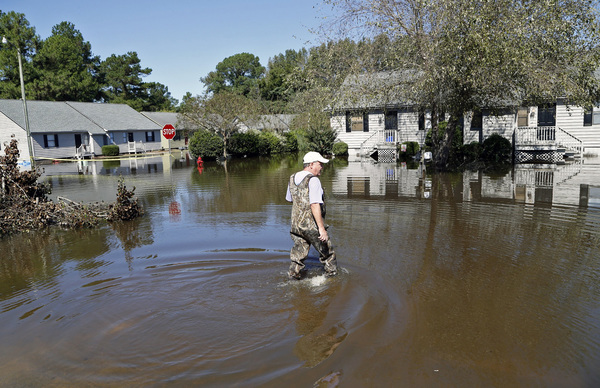
The National Weather Service reported 18.38 inches of rain in Elizabethtown in southeastern North Carolina, and 14 to 16 inches were dumped in other areas of the coastal Carolinas. The Sandhills region, which was still recovering from flooding rains a week earlier, was among the hardest hit areas of the state.
The top wind-speed recorded in southeastern North Carolina was 86 mph at St. James Plantation in Brunswick County.
The flood damage drew comparisons to Hurricane Floyd, which left $3 billion in damage, destroyed 7,000 homes and killed 52 people in 1999. The after-effects of Hurricane Matthew will be felt for the rest of the week, state officials warn, as Eastern North Carolina communities brace for downstream flooding.