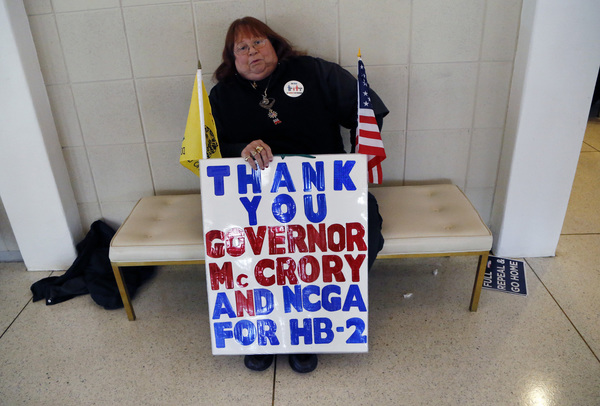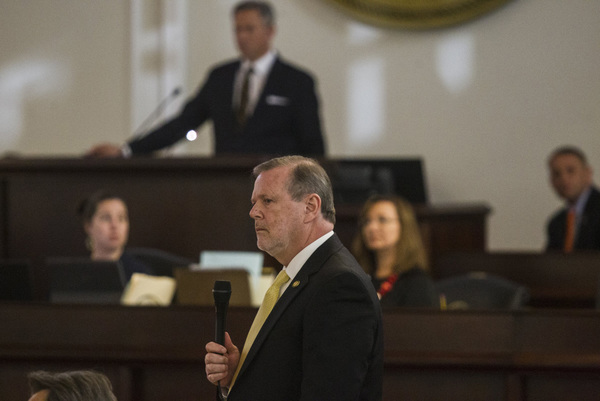
CHARLOTTE, N.C. _ Following a surprise move by the Charlotte City Council, Gov. Pat McCrory Monday called for a special session to consider repeal of House Bill 2.
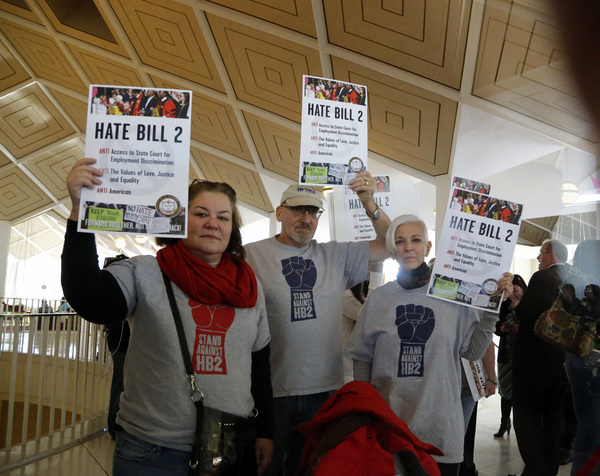
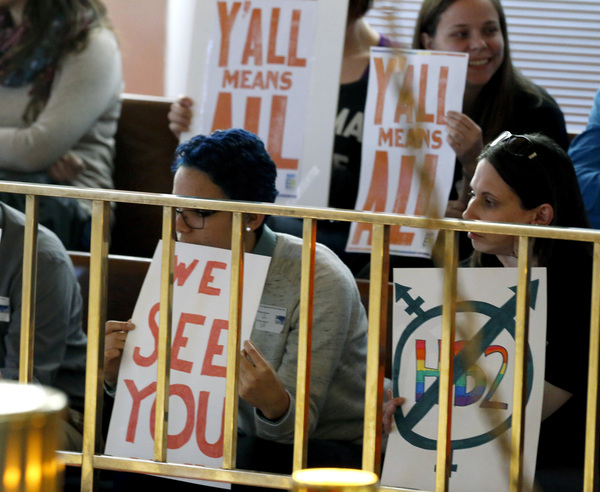
The governor's statement came in a rapidly unfolding series of events that could signal the end of a nine-month drama that catapulted North Carolina into national headlines. HB2, seen by critics as an anti-LGBT measure, prompted boycotts and cost the state millions in lost jobs.
Earlier, Gov.-elect Roy Cooper said legislative leaders have promised to call a special session Tuesday.
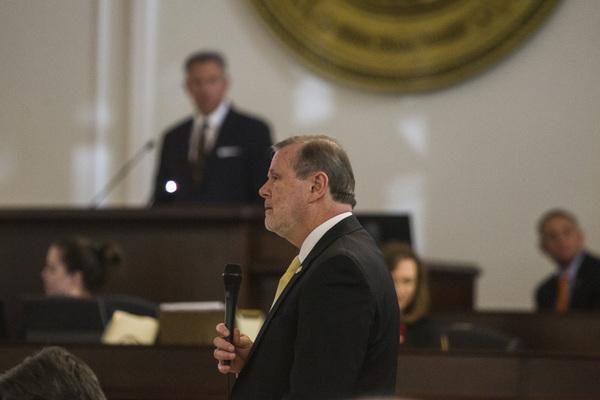
"Senate Leader Phil Berger and House Speaker Tim Moore assured me that as a result of Charlotte's vote, a special session will be called for Tuesday to repeal HB 2 in full," Cooper said in a statement. "I hope they will keep their word to me and with the help of Democrats in the legislature, HB2 will be repealed in full.
"Full repeal will help to bring jobs, sports and entertainment events back and will provide the opportunity for strong LGBT protections in our state."
Cooper's statement followed the Charlotte City Council's 10-0 vote Monday morning to rescind the LGBT ordinance that prompted HB 2.
The council vote came after late night lobbying by Cooper himself. Council member Julie Eiselt said the governor-elect called her at 10:30 p.m. Sunday night.
He said, "If we cleaned up our books that the General Assembly was motivated to call a special session to repeal (the law) and we felt this was our best opportunity," she told the Observer.
Mayor Jennifer Roberts and council members had considered a similar deal earlier in the year but had rejected it. In May, council members voted against taking a symbolic repeal of its ordinance in hopes that the legislature would repeal HB2.
Roberts on Monday was in the difficult position of defending the repeal. She said the vote "should in no way be viewed as a compromise of our principles or commitment to non-discrimination."
But earlier this year, and as recently as last week, the mayor said that LGBT rights weren't negotiable. Local and national gay rights organizations had also adamantly opposed a symbolic repeal vote. The Human Rights Campaign said earlier this month that there should be no compromise between the city and the state.
A spokesman for McCrory blamed the city for the controversy.
"Gov. Pat McCrory has always advocated a repeal of the over-reaching Charlotte ordinance, but those efforts were always blocked by Jennifer Roberts, Roy Cooper and other Democratic activists," spokesman Graham Wilson said. "This sudden reversal, with little notice after the gubernatorial election, sadly proves this entire issue originated by the political left was all about politics and winning the governor's race at the expense or Charlotte and our entire state."
Republican council member Kenny Smith, who is considering running for mayor, said after Monday's vote that the Democratic-controlled council was "playing politics" with the decision. He said the same deal has been available for months, but that council members waited until Republican Pat McCrory lost the governor's election to Cooper.
The city's repeal includes that language that says its nondiscrimination ordinance will be enacted again if the General Assembly doesn't repeal HB2 by Dec. 31.
Republican council member Ed Driggs said he's worried legislators will see that deadline as Charlotte dictating to Raleigh. He proposed that the Dec. 31 deadline be removed, but his motion failed.
Some business leaders were surprised but happy at the news. Maxwell Hanks, a broker with Spectrum Properties leasing the new 300 South Tryon office building, said HB2 has been hurting business recruitment in the state
"I think on a go-forward basis rescinding HB2 will be a great way to close out 2016 and start 2017," said Hanks. He said the move would be a "reset," and that it would help him and other brokers lure companies to move to the state.
State Rep. Chris Sgro, a Guilford County Democrat who is president of Equality NC, said the ball is with the General Assembly. Sgro said earlier this month that he opposed any compromise and that the General Assembly should repeal HB2 without the city repealing its ordinance.
"I firmly believe that Roy Cooper, Jennifer Roberts and the majority of city council are committed to winning the full complement (of rights) for LGBT people both in Charlotte and across the state," he said. "All eyes...are on Raleigh watching for the General Assembly to do the right thing."
There was no advance notice that the ordinance would be discussed at the city council meeting. WBTV, the Observer's news partner, was the first to report it.
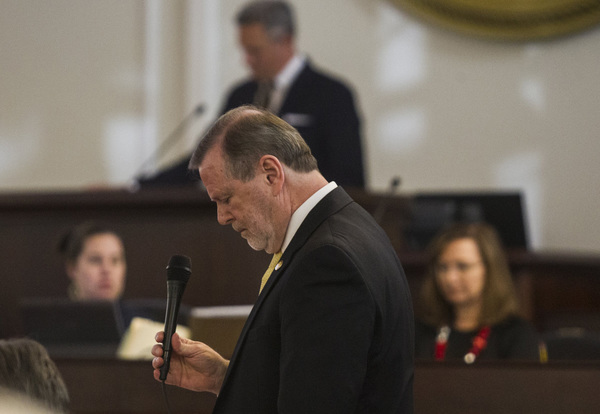
The city charter allows the manager or mayor to place any item on the agenda _ even without public notice first.
Roberts said voters feelings about the issue have been known and voiced. But when the issue was last discussed, many in the LGBT community urged the city not to repeal its ordinance.
"The community always has a chance to weigh in," Roberts said. "There will be much more conversations about equality."
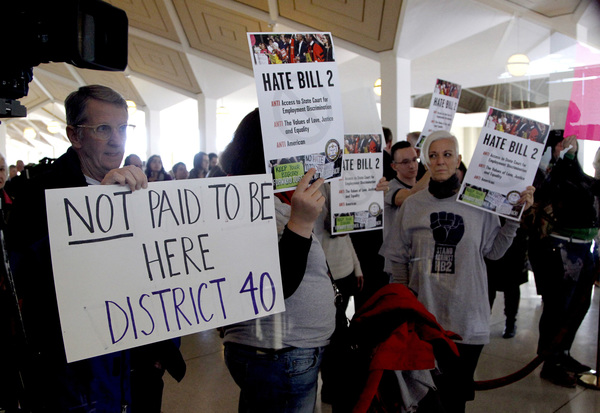
Mayor Pro Tem Vi Lyles said council members would try in 2017 to pass some LGBT protections, though it's unclear what they would be.
It's possible the state might allow Charlotte to pass legal protections for gay and lesbians in places of public accommodation, but any new ordinance that allowed transgender people to use the bathroom that matches their gender identity would likely be rejected again by legislators.
Some Democratic council members have long said they don't want to "leave the transgender community behind." But if there are future protections, the city will likely be forced to do just that.
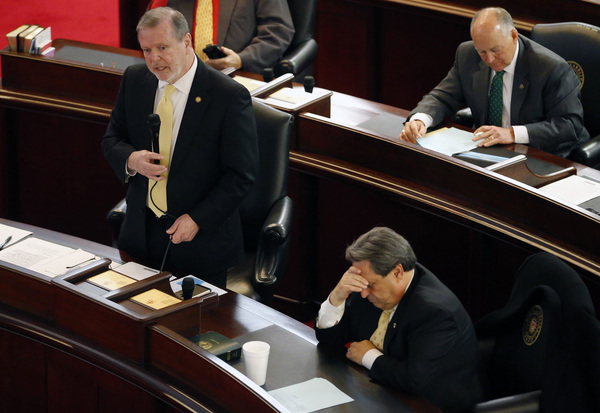
There is no indication that there is, or isn't, a quid pro quo with the General Assembly.
There have been attempts to broker a compromise in which the city would rescind the ordinance passed earlier this year that extends non-discrimination protections for members of the LGBT community and the legislature would repeal HB2.
By itself, the move will not have any immediate impact on the status of lawsuits against the law by the federal government and the American Civil Liberties Union, among other groups.
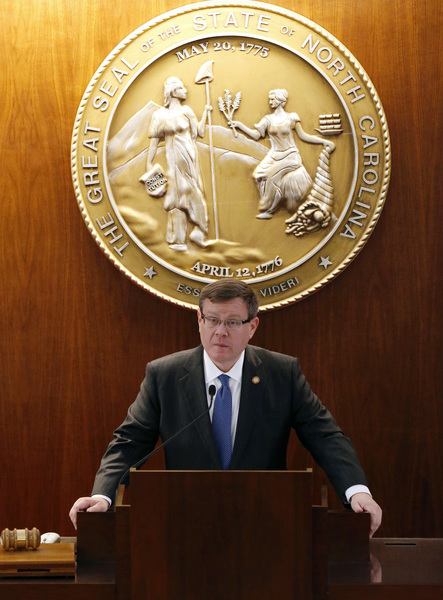
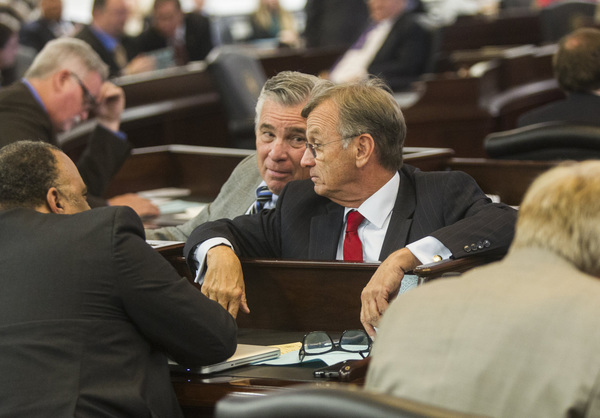
That, however, could change on Tuesday when the General Assembly is expected to go back into special session to rescind the law, which has cost the state thousands of jobs, millions of dollars in industrial expansions, concerts and sporting event, and has placed North Carolina center stage in a divisive culture war.
UNC law professor Maxine Eichner, an expert in LGBT matters, said if the General Assembly follows through with the removal of HB2, the opposing sides in the court fights could both ask that the cases be dropped. Or the courts could rule that the lawsuits are now moot.