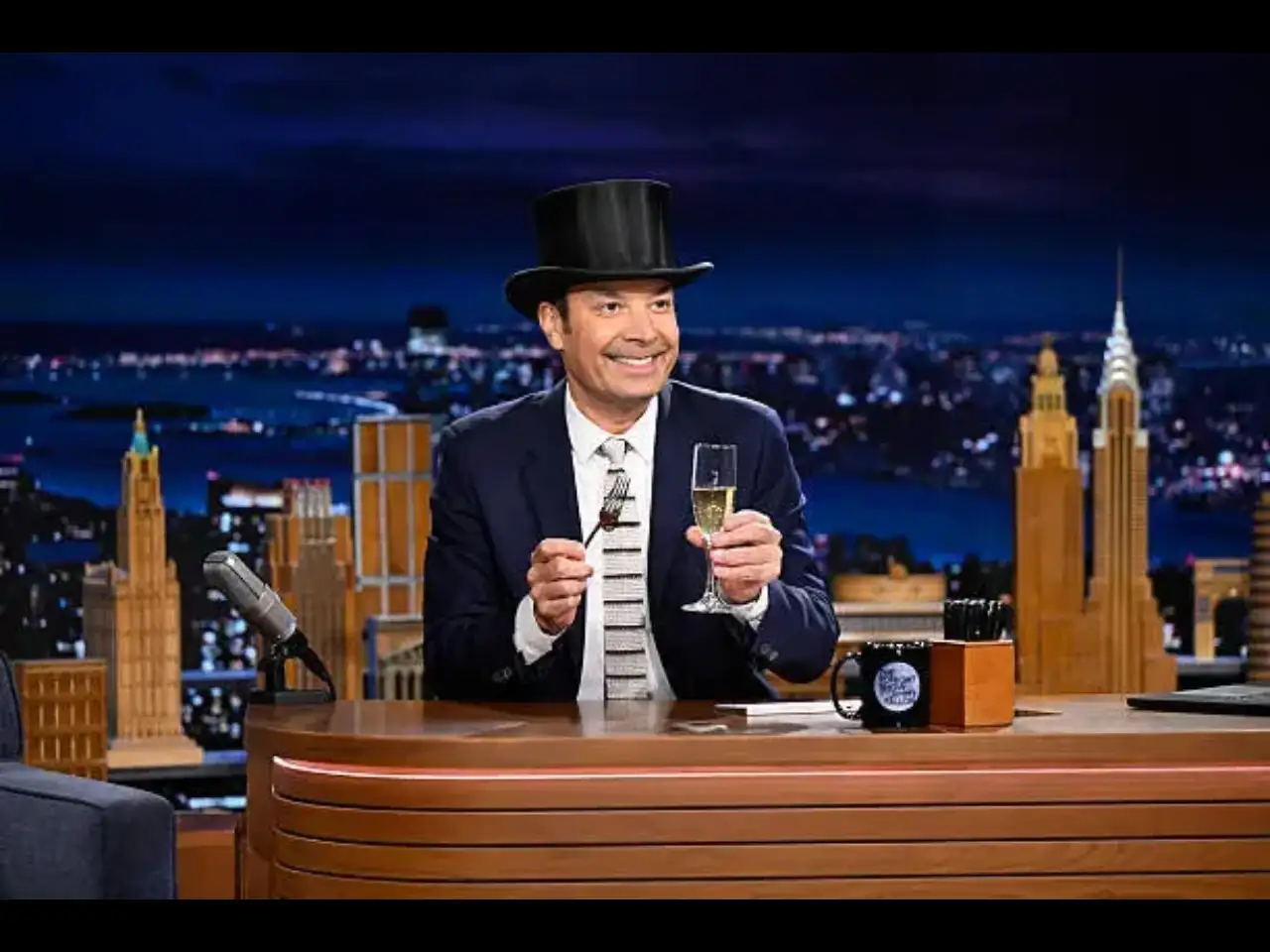
On Brand With Jimmy Fallon has officially been canceled by NBC after just one season, marking a rare stumble for late-night star Jimmy Fallon. The marketing-themed reality competition, which attempted to blend branding strategy with entertainment, failed to connect with audiences despite heavy promotion, celebrity backing and major corporate partnerships.
Now, many television fans are wondering whether the cancellation signals bigger problems for the future of experimental network reality TV, or simply proves viewers were never interested in watching advertising become prime-time entertainment.
While Fallon remains firmly attached to The Tonight Show Starring Jimmy Fallon, the abrupt end of On Brand has sparked fresh conversations about ratings pressure, the changing state of network television and the struggle to create breakout unscripted hits in the streaming era.
What was ‘On Brand With Jimmy Fallon’ about?
The
Jimmy Fallon Showcentered around a simple but unusual idea: turning marketing into a reality competition.
The series brought together creative professionals and challenged them to create campaigns for major brands including Captain Morgan, Dunkin’, Marshalls, Pillsbury and Sonic. Contestants competed by developing catchy jingles, commercials, branding ideas and social media-friendly campaigns designed to impress judges and corporate partners.
Each episode eliminated contestants in traditional reality competition fashion until only one remained.
Season 1 winner Bianca Fernandez ultimately walked away with a $100,000 cash prize, a feature in Adweek, a trip to the Cannes Lions International Festival of Creativity and the title of “Innovator of the Year.”
But despite the flashy premise and high-profile sponsors, the show struggled to build momentum with mainstream audiences.
Why was the Jimmy Fallon show canceled?
According to a report by Movieweb, low ratings played a major role in NBC’s decision to cancel the series after only one season.
Industry analysts believe the show may have struggled because viewers found the concept difficult to emotionally connect with. While reality competitions focused on cooking, singing or survival often create personal investment, a competition about advertising campaigns proved to be a harder sell.
The scheduling also reportedly created confusion. Episodes aired inconsistently across different days and time slots, including Tuesday nights and Friday evenings, making it difficult for audiences to follow regularly.
Although NBC waited months before officially announcing the cancellation, insiders believe the network was debating whether the show deserved another chance before eventually pulling the plug.
In the end, the numbers reportedly were not strong enough to justify a renewal.
Jimmy Fallon heavily promoted the series
Fallon aggressively championed the show during its rollout. The longtime late-night host even traveled to the Cannes Lions advertising festival alongside Savannah Guthrie to promote the concept to advertisers and media executives.
During promotional appearances, Fallon pitched the show as a unique opportunity for brands to receive extended exposure beyond traditional 30-second commercials.
“We’re giving you 40 minutes instead of a 30-second spot,” Fallon explained while discussing the concept publicly, as per a report by Movieweb.
However, critics argued the series sometimes felt more like a long-form advertisement than an emotional reality competition viewers could genuinely invest in. That perception may ultimately have hurt the show’s appeal.
Bozoma Saint John became one of the breakout personalities
One of the most talked-about elements of the series was the involvement of marketing executive Bozoma Saint John. Known to many viewers from The Real Housewives of Beverly Hills, Saint John served as a mentor and judge throughout the competition.
Her blunt feedback, industry expertise and larger-than-life personality quickly became a highlight for fans who did tune into the show.
Some viewers even argued online that Saint John deserved her own business-focused reality series after On Brand ended.
Jimmy Fallon still has multiple NBC projects
Despite the cancellation, Fallon’s television career remains extremely secure. He continues to host
The Tonight Show, which remains one of NBC’s biggest entertainment franchises even as late-night television continues facing declining ratings industry-wide.
NBC previously reduced The Tonight Show from five nights a week to four back in 2024, reflecting broader shifts in viewing habits and digital consumption.
Fallon is also attached to several other television projects. He helped revive Password alongside Keke Palmer, with the game show now entering its third season.
In addition, Fallon is developing a new game show inspired by the viral word puzzle game Wordle, again teaming up with Savannah Guthrie for the project. So while On Brand With Jimmy Fallon may have failed, Fallon himself remains deeply embedded within NBC’s entertainment lineup.
What the cancellation says about network TV
The downfall of the
Jimmy Fallon Showalso reflects larger challenges facing traditional television.
Audiences today increasingly gravitate toward streaming platforms, short-form video content and binge-worthy reality formats with strong emotional storytelling. A corporate marketing competition may simply have arrived at the wrong moment culturally.
Meanwhile, network television is facing mounting pressure to create cheaper, faster and more viral content while still competing against streaming giants like Netflix and Apple TV+.
Ironically, the show about branding may have struggled most with defining its own identity.
FAQs
Was the Jimmy Fallon show canceled?
Yes. On Brand With Jimmy Fallon was officially canceled by NBC after one season because of reportedly low ratings.
Why did NBC cancel On Brand With Jimmy Fallon?
Reports suggest the show struggled with ratings, audience engagement and scheduling issues, leading NBC to end the series after Season 1.