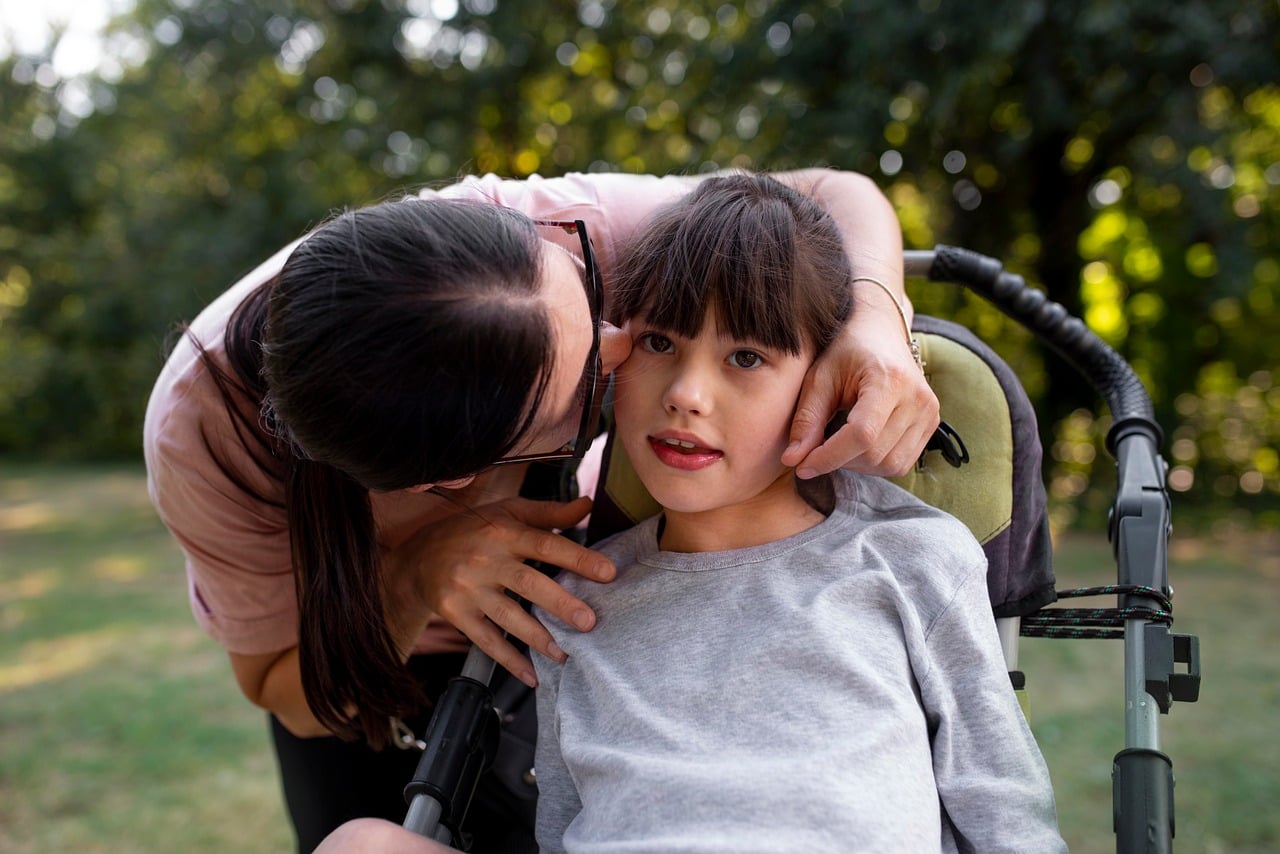
Image by salisburysupportforautism from Pixabay
Living with a lifelong neurological condition presents unique challenges that extend beyond physical symptoms. From early childhood through adulthood, individuals and their families often adapt routines, expectations, and goals to support independence and well-being.
While no two experiences are the same, understanding common hurdles and practical strategies can make daily life more manageable and fulfilling. This post details understanding daily functional challenges, the importance of early and ongoing support, and more.
Understanding Daily Functional Challenges
Neurological conditions can affect movement, coordination, speech, and muscle control. These limitations can influence how a person completes everyday tasks. Activities such as walking, eating, writing, or communicating may require additional time or alternative approaches. Recognizing these challenges early allows individuals and caregivers to develop routines that prioritize safety, comfort, and autonomy rather than comparison to conventional milestones.
The Importance of Early and Ongoing Support
Consistent medical care and therapeutic support play a critical role across all life stages. Physical, occupational, and speech therapies are often tailored to improve strength, flexibility, and communication skills.
As needs evolve, reassessments help ensure that treatment plans remain effective and aligned with personal goals, whether those goals involve education, employment, or independent living.
Building a Strong Support Network
Navigating a lifelong condition is rarely done alone. Family members, healthcare professionals, educators, and community advocates all play a crucial role in achieving long-term success.
Emotional support is just as important as medical care, helping individuals build confidence and resilience. Peer groups and community organizations can also provide valuable perspectives, reducing isolation and offering shared problem-solving strategies.
Adapting the Environment for Independence
Thoughtful modifications to home, school, and work environments can significantly improve the quality of life. Adaptive equipment, mobility aids, and assistive technology allow individuals to participate more fully in daily activities. Simple changes such as rearranging living spaces or using ergonomic tools can promote independence while reducing physical strain.
Accessing Reliable Educational Resources
Accurate information empowers individuals and families to make informed decisions. Educational platforms that explain diagnoses, treatment options, and legal rights can be invaluable.
Resources like the Cerebral Palsy Guide provide in-depth insights that help families to understand medical considerations, therapy options, and long-term planning without feeling overwhelmed.
Social, Educational, and Career Considerations
Participation in school and the workforce often requires advocacy and flexibility. Individualized education plans, workplace accommodations, and open communication can foster inclusive environments where skills and talents are recognized and valued. With the right support, many individuals can pursue higher education, achieve meaningful careers, and lead active social lives.
Planning for Long-Term Well-Being
As individuals age, planning becomes increasingly important. This may include transitioning from pediatric to adult healthcare, exploring independent or supported living options, and preparing financially for future needs. Proactive planning helps reduce uncertainty and supports long-term stability.
Managing Mental Health and Emotional Resilience
Beyond physical considerations, emotional well-being plays a crucial role in the overall quality of life. Living with a long-term neurological condition can sometimes lead to stress, anxiety, or feelings of frustration, especially during periods of transition or increased dependence.
Access to counseling, mindfulness practices, and mental health services can help individuals manage their emotions. Developing coping strategies such as goal setting, creative expression, or relaxation techniques supports resilience and fosters a sense of control, enabling individuals to navigate challenges with greater confidence and emotional balance.
Endnote
Living with a lifelong neurological condition involves continuous adaptation, learning, and growth. With access to proper care, supportive communities, and reliable information, individuals can lead meaningful lives defined by their strengths, aspirations, and personal achievements.