The Pacific island nation of Nauru, one of the world's smallest and least-visited countries, has officially changed its name to the Republic of Naoero, restoring the traditional name used in its native language. The move is intended to reclaim the country's cultural identity and move away from a colonial-era spelling that was adopted largely for the convenience of foreigners.
The country's international code will change from NRU to NRO, while its citizens will now be known as dei-Naoero. The new name is pronounced "Now-ero," replacing the internationally used pronunciation of "Now-roo."
The change will also lead to the renaming of the country's aircraft, ships and official documents. The United Nations has already updated its records to reflect the new name, and countries including Australia, New Zealand, the United States and China have begun using Naoero in official references.
Why did Nauru change its name?
President David Adeang proposed the constitutional amendment earlier this year, saying the change better reflects the nation's heritage, language and identity. According to the government, "Naoero" has always been the country's traditional name and already appears on the national coat of arms.
Lawmakers approved the amendment after two rounds of voting and later decided that a public referendum was unnecessary, arguing that the traditional name had never been lost and already represented the country's identity.
A tiny island that was once among the world's richest
Covering just 21 square kilometres and home to around 12,000 people, Naoero is the world's third-smallest country by population, after Tuvalu and Vatican City. Despite its size, the island once ranked among the richest countries in the world on a per-person basis.
Its remarkable wealth came from vast phosphate deposits created over thousands of years from accumulated seabird droppings. During the 1970s, phosphate exports generated enormous revenue, allowing the government to invest in overseas assets, including commercial real estate in Australia, and establish sovereign funds for future generations.
From prosperity to economic crisis
The boom did not last. Phosphate reserves were finite, and decades of intensive mining left much of the island's interior covered with jagged limestone pinnacles, making large areas unsuitable for farming, housing or development.
As phosphate production declined, a series of poor investments, financial mismanagement and governance issues eroded the country's wealth. By the early 2000s, Nauru had fallen into severe financial difficulty, forcing it to sell overseas assets and search for new sources of income.
How Naoero is rebuilding its economy
Today, the island is trying to diversify its economy through a mix of industries and international partnerships.
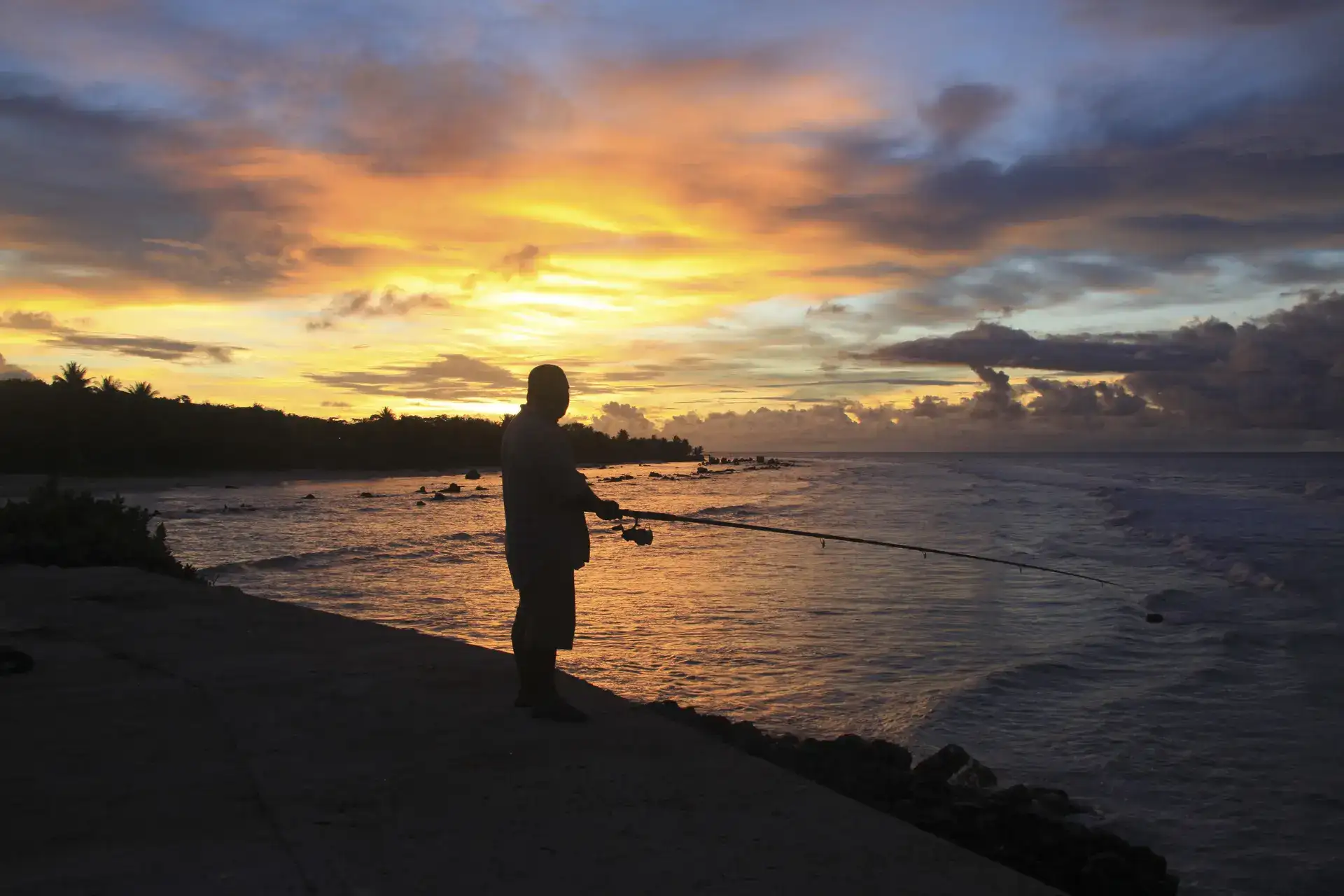
Revenue now comes from licensing fishing rights in its vast exclusive economic zone, where international fleets harvest valuable tuna stocks. The country has also received financial support through agreements with Australia and has revived a citizenship-by-investment programme, with proceeds earmarked for climate adaptation projects.
Naoero is also backing deep-sea mining, hoping that seabed minerals could provide another long-term source of revenue, although environmental concerns remain.
A nation on the front line of climate change
Like many low-lying Pacific islands, Naoero faces an existential threat from rising sea levels. The government says income from its citizenship programme will help relocate people and critical infrastructure away from vulnerable coastal areas.
Naoero's name change places it alongside other countries that have embraced indigenous names to strengthen national identity. Eswatini changed its name from Swaziland in 2018, while Türkiye requested the international community adopt its Turkish-language name instead of Turkey in 2022.