Mid March can be such a strange moment in the year. What should be early spring can feel more like late winter trimmed down to the very bone. Aside from the, as yet, flower-less daffodil spikes in our lawn and the playful barrage of gravel notes coming across the fields from Carleton rookery, there is so little sense of life’s return.
The one gift of the west wind is that we can dispense with wellington boots, given that the path by the beck is hardened to a grey pan and the old molehills have crumbled to a tilth as fine as frass. Yet even the lack of mud on the track seems like a last subtraction from the landscape.
There is the faintest flush of green coming in across the marsh but it lacks any bite and Claxton is as drained of colour as it is of calories. There is almost nothing left to eat for many creatures. The ivy, which was lush with black fruit come January, has been picked bare and the hawthorn bushes, whose lattice of berries shone crimson in the December sunshine, are just great balls of grey wire today.
Emblematic of the season is a swan, which looks to be sleeping, its arched neck lying serenely over those immense wings, until you notice the bare ribs and the gaping cavity in its open flank. I try to conjure briefly the fox that visits to feed on it by night, as it pauses to sample the same dry west wind its snout all red with swan blood.
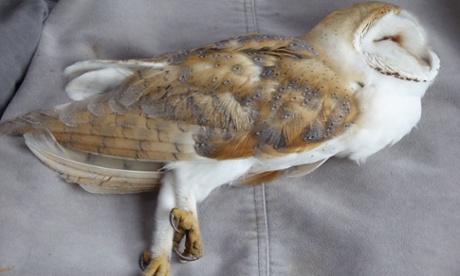
Who knows what caused the swan to die, but only this week a friend found a barn owl that routinely roosts in his outbuildings. Its claws are locked on nothing and the slit across its closed eye has sunken fractionally, but otherwise it looks as perfect in death as it did in life.
The vet said it was a young female, perhaps an inexperienced bird that could not quite master the art of its species’ silent pounce. It had somehow survived the winter only to succumb to malnutrition in the week that the first chiffchaff, with its song like a rusty hinge, heralded the final tilt in the seasons.
Twitter: @MarkCocker2