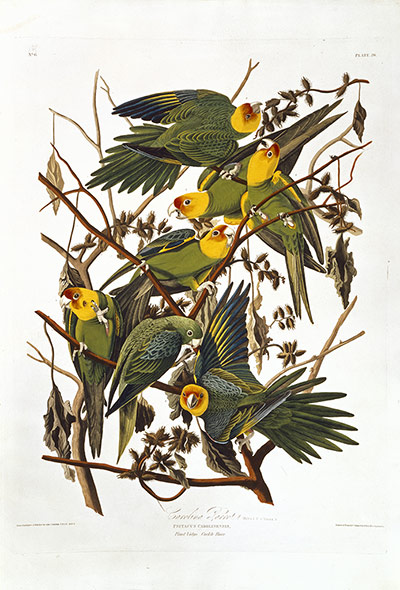
The world's most expensive book, first published in a double elephant folio size between 1827 and 1838, and famous for its lifesize illustrations Photograph: The Natural History Museum
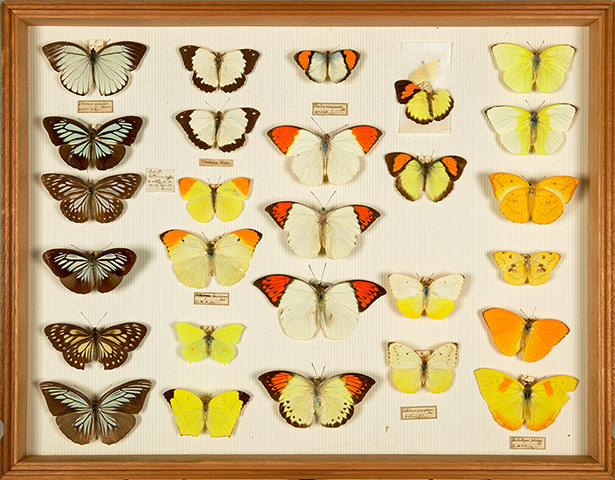
A collection assembled in south-east Asia in 1854-62 by a man co-credited with the discovery of evolution Photograph: The Natural History Museum
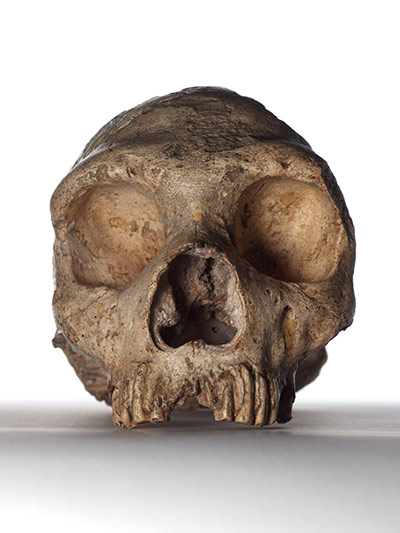
This adult female skull was the first Neanderthal discovered. It is about 50,000 years old Photograph: David Liittschwager/The Natural History Museum

Constructed from bones that are more than 1,000 years old. The dodo was one of the first cases of human-caused extinction to be recorded Photograph: The Natural History Museum

Earliest surviving meteorite seen to land in the UK. It fell close to Wold Cottage, near Scarborough, in 1795 and it confirmed the extra-terrestrial origins of meteorites Photograph: The Natural History Museum
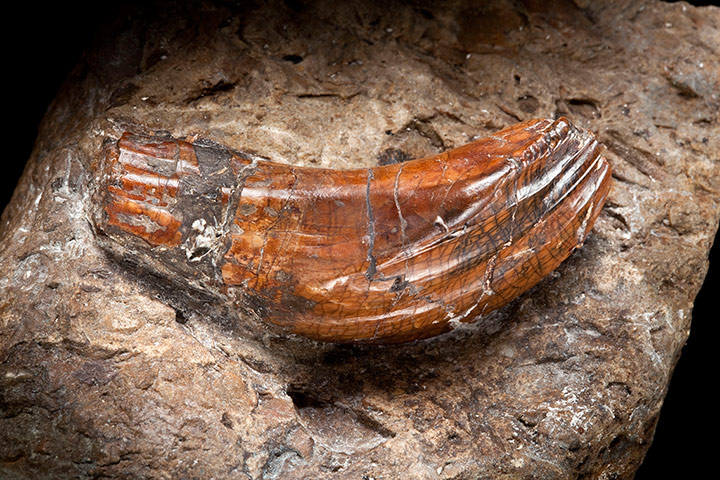
Discovered by Mary Ann Mantell in 1822. They were the first dinosaur teeth to be found, and provided evidence that giant reptiles had once walked on Earth Photograph: The Natural History Museum
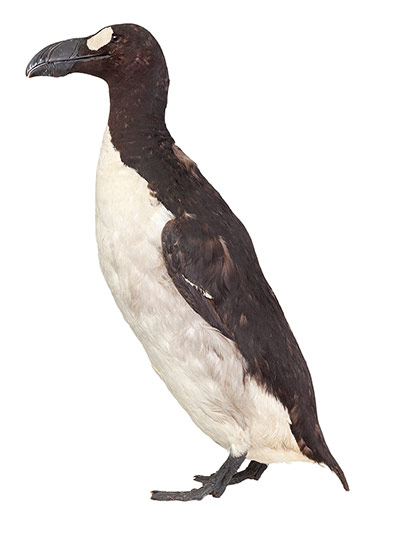
Became extinct shortly after 1852, after years of intense human exploitation Photograph: The Natural History Museum
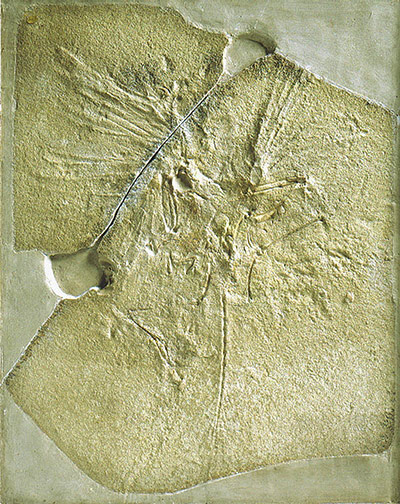
This 47m-year-old rock slab is the most valuable fossil in the museum's collection. It contains the remains of the earliest known bird, and is one of the key snapshots of evolution in action Photograph: The Natural History Museum
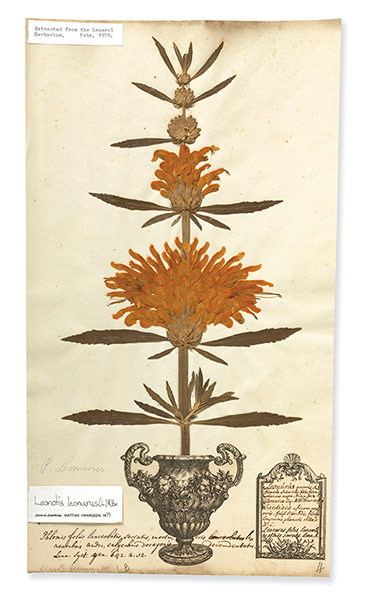
A detail from the sheet of pressed and dried plants that helped the Swedish scientist Carl Linnaeus to devise a structure for naming species Photograph: Kevin Webb/The Natural History Museum
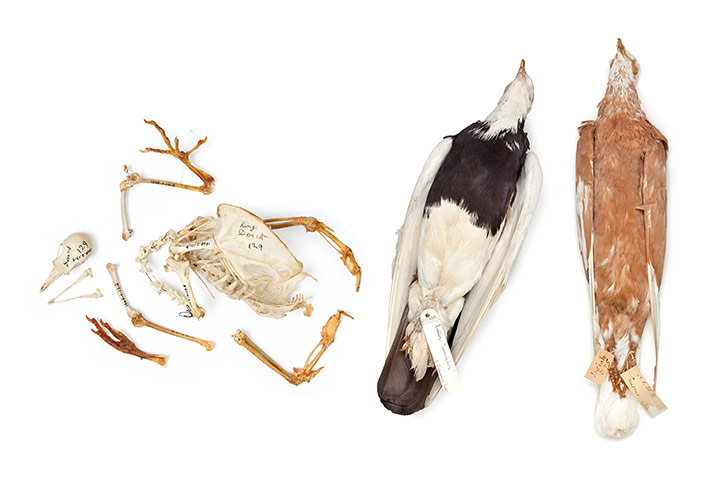
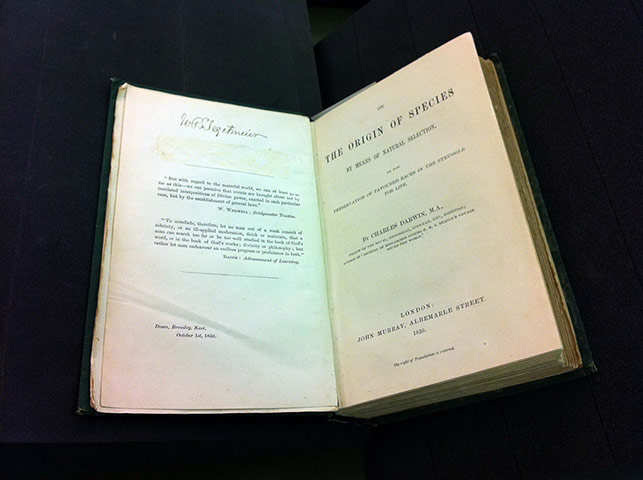
These were bred in Darwin's garden and helped him amass evidence for his theory of natural selection Photograph: The Natural History Museum
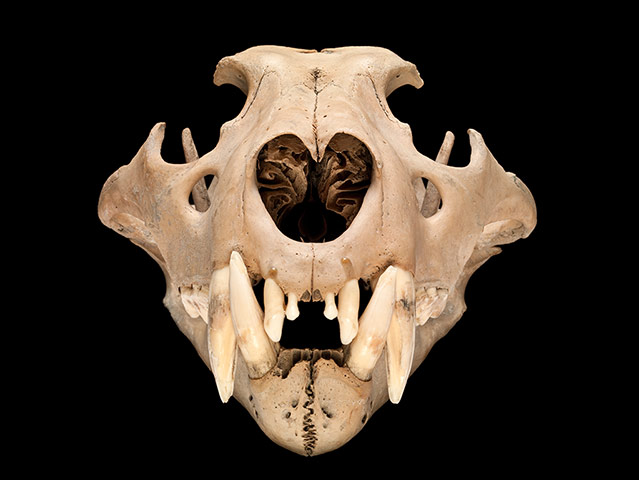
This north African lion is thought to have lived in the Tower of London between 1280 and 1385. It would have been the jewel of the king's menagerie Photograph: Harry Taylor/The Natural History Museum
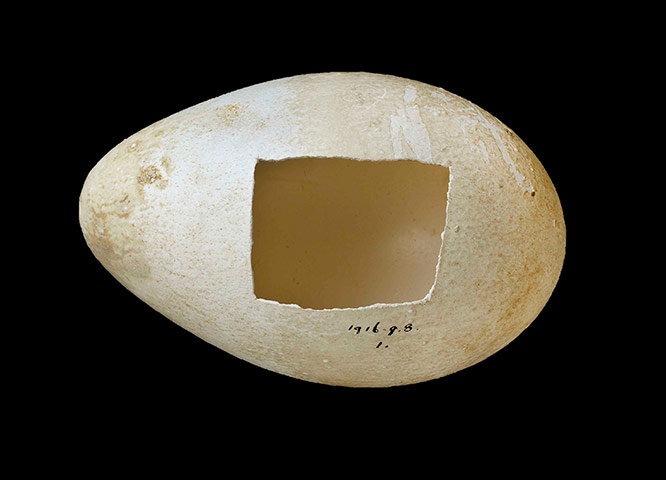
One of three eggs collected by Captain Robert Falcon Scott's expedition in 1910. It was hoped that the embryos inside would confirm a link between reptiles and birds Photograph: Kevin Webb/The Natural History Museum

Presented to the UK as a gesture of goodwill by Richard Nixon in 1973 following the return of Apollo 17. The 3.7bn-year-old ilmenite basalt fragment is the only moon rock owned by the UK Photograph: The Natural History Museum
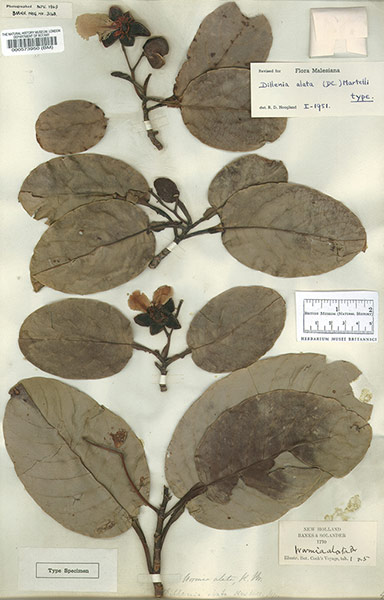
Plants collected by the pioneering scientist on Captain Cook's first voyage to Australia, in 1770 Photograph: The Natural History Museum
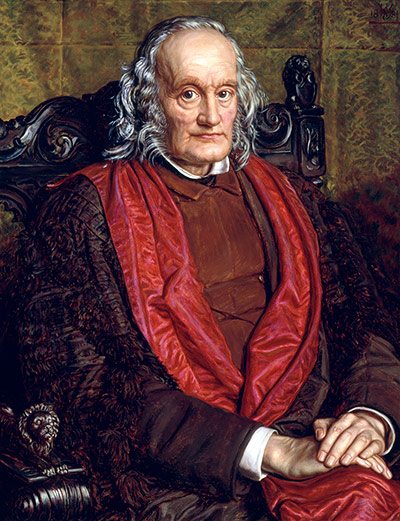
A portrait painted by William Holman in 1881, the year the Natural History Museum opened Photograph: The Natural History Museum
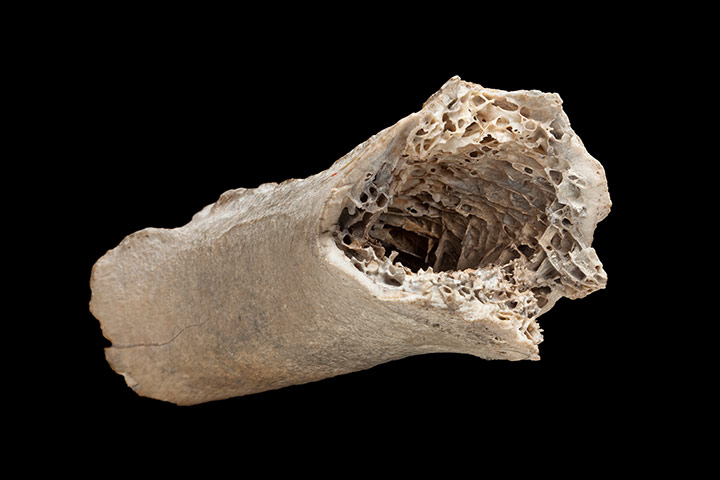
Unearthed in the 1830s by Richard Owen, the man who created the Natural History Museum Photograph: The Natural History Museum
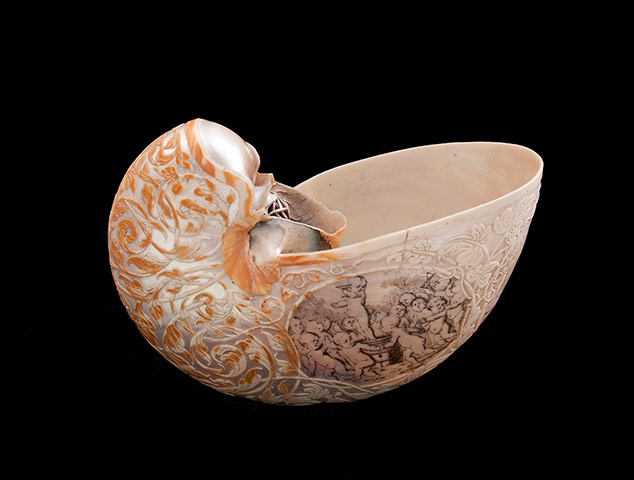
A carved shell that was one of the favourites of the collector Sir Hans Sloane. It dates from the 17th century Photograph: The Natural History Museum
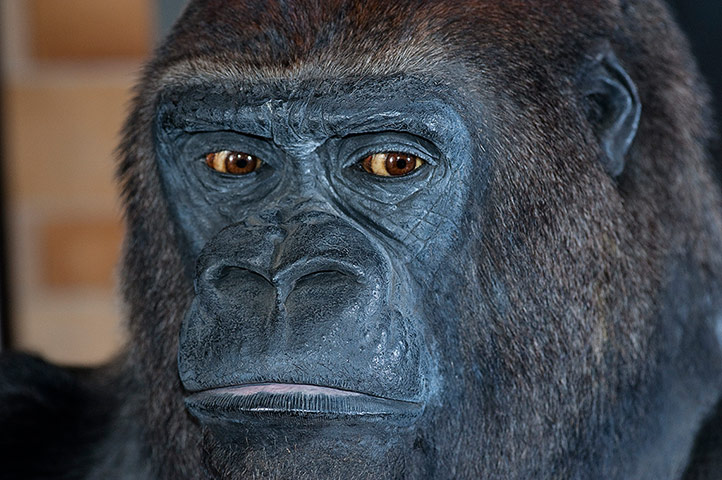
A western lowland gorilla who lived at London Zoo from 1946 to 1978. He was one of the zoo's most popular inhabitants Photograph: The Natural History Museum
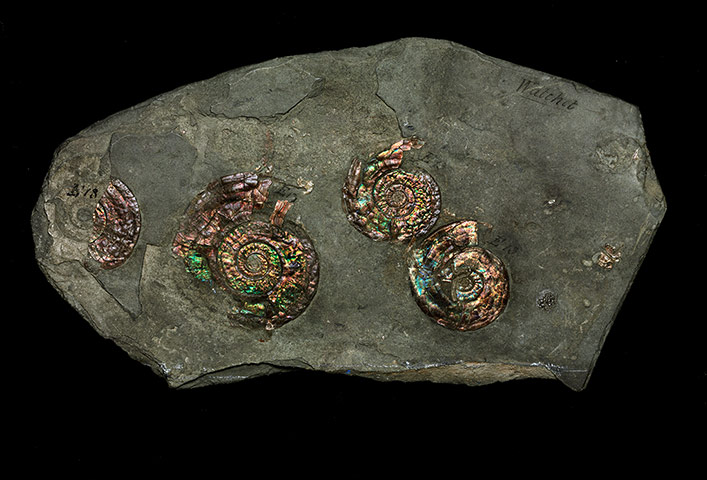
Found by the 'father of English geology' and used to prove that the rocks beneath our feet are layered according to time Photograph: Pat Hart/The Natural History Museum
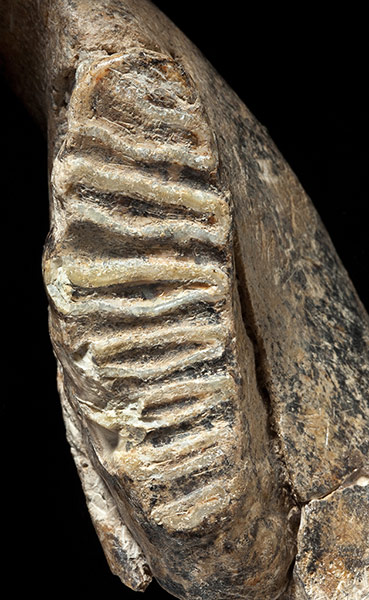
Fossil tooth and jaw bone found in Cyprus by the palaeontologist Dorothea Bate. They helped to prove that miniature elephants once lived on the island Photograph: The Natural History Museum
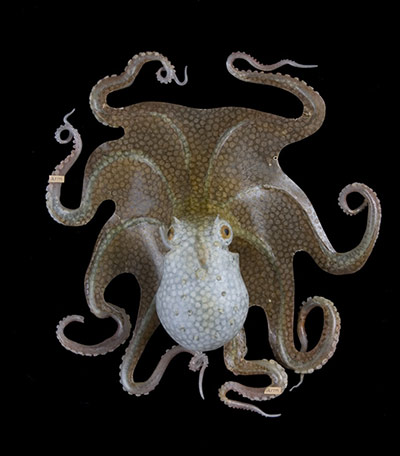
Made by the Blaschka family between 1886-89 using techniques now lost. The museum will rotate its 187 anatomical Blaschka models in the Cadogan gallery Photograph: The Natural History Museum