Rather like the music of her good friend Michael Stipe, Natalie Merchant’s songs have always conjured up visions of a bucolic, semi-rural American gothic. Unlike Stipe, however, Merchant has spent the past 20 years uncoupling herself from the world of rock’n’roll, borrowing from classic poetry, children’s songs, Shakespearean sonnets, folksong and the textures of the orchestra.
That distinctive Appalachian yelp is still present and correct, but tonight’s show has none of the thump or the jangle that her audience fell for 30 years ago. Drums are played with beaters, guitars are acoustic, the bass is upright, while lush textures are provided by a string quartet.
Merchant’s 1995 solo debut, Tigerlily, her first after leaving 10,000 Maniacs, was a huge and surprise success, shifting more than 5m units, and she recently rerecorded it in this mature, world-weary manner. It’s the folksy, gospel-tinged version of songs such as River (her eulogy to River Phoenix), Beloved Wife and Wonder that get the warmest response from a nearly packed Albert Hall.
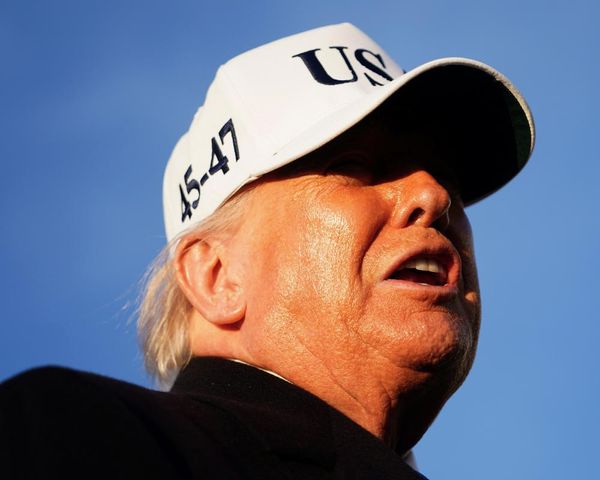
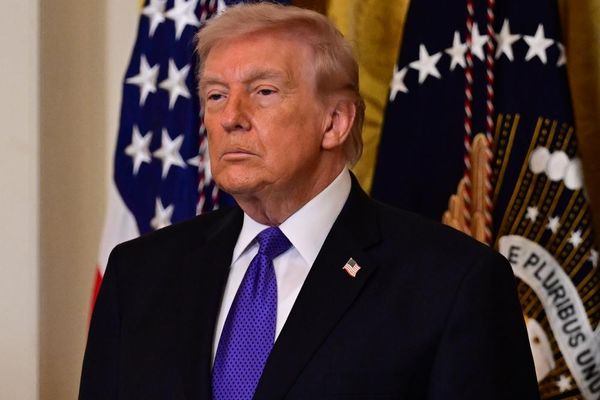
She apologises, as an American, for “the crazy stuff going on over the ocean”, dedicating the slow-burning funk of Saint Judas and Texas to the “unbridled greed, hatred, bigotry and xenophobia” of Donald Trump (although she can’t bring herself to mention his name).
Otherwise there’s little between-song banter. Instead, Merchant’s connections with the audience seem more physical. On her settings of poetry by Robert Graves and Gerard Manley Hopkins, she’s acting out the lyrics – gyrating, gesticulating and flamenco dancing around the full length of the stage, swinging her silvered mane of hair. She ends a dramatic reading of Giving Up Everything on her knees, supplicating herself. On a heart-wrenching version of Life Is Sweet – a lyric about a child considering suicide – she wanders into the audience, choked with emotion, and ends the song in tears. This is poetic, gentrified indie pop that’s reached maturity, and it’s impressive to witness.