Readers weigh in, quietly, on the gun control debate, retailers are getting the stink eye for commercializing Juneteenth, and nobody’s quite sure if Queen Elizabeth’s Jubilee celebration was racist or not. What would reparations for slavery look like? California is getting close to an answer. All that and a surprising look at NASCAR’s unlikely win in the race for inclusion.
Happy Friday.
Reader feedback was light on the gun issue, but what we did discuss, was heartfelt. One reader, reaching out privately on social media summed it up: “It hangs in the air, people are very upset, but we’re not talking about it officially.”
That might be changing.
Around 200 CEOs associated with the organization CEOs for Gun Safety, published an open letter to the U.S. Senate this week, referencing the recent spate of gun massacres and asking for action. “All of this points to a clear need for action: the Senate must take urgent action to pass bold gun safety legislation as soon as possible in order to avoid more death and injury,” they wrote. Among the signatories are Bain Capital, Bloomberg LP, Dick’s Sporting Goods, Intuit, Levi Strauss & Co, Lyft, Nextdoor, The Permanente Group, and Unilever.
I also wanted to flag an extraordinary piece written by my colleague, senior reporter Sheryl Estrada who covers finance and business. She also produces the incredibly insightful CFO Daily newsletter (hint, it’s not just for CFOs).
In her exceptional case study on NASCAR, she started with the one bold change they made immediately after the murder of George Floyd and began to dig from there. “NASCAR was founded in 1948, and the Confederate battle flag wasn’t officially banned from flying at races until 2020,” Estrada tells me. “This single decision has supercharged the business since.”
Culture change is a dynamic process she says, and the story proves that it’s never too late to embed DEI tactics and values into how a company operates and represents itself. I asked her what surprised her the most in her reporting. Turns out, technology can put underrepresented talent into the driver’s seat. In fact, until other interventions take hold, it may be the only way in.
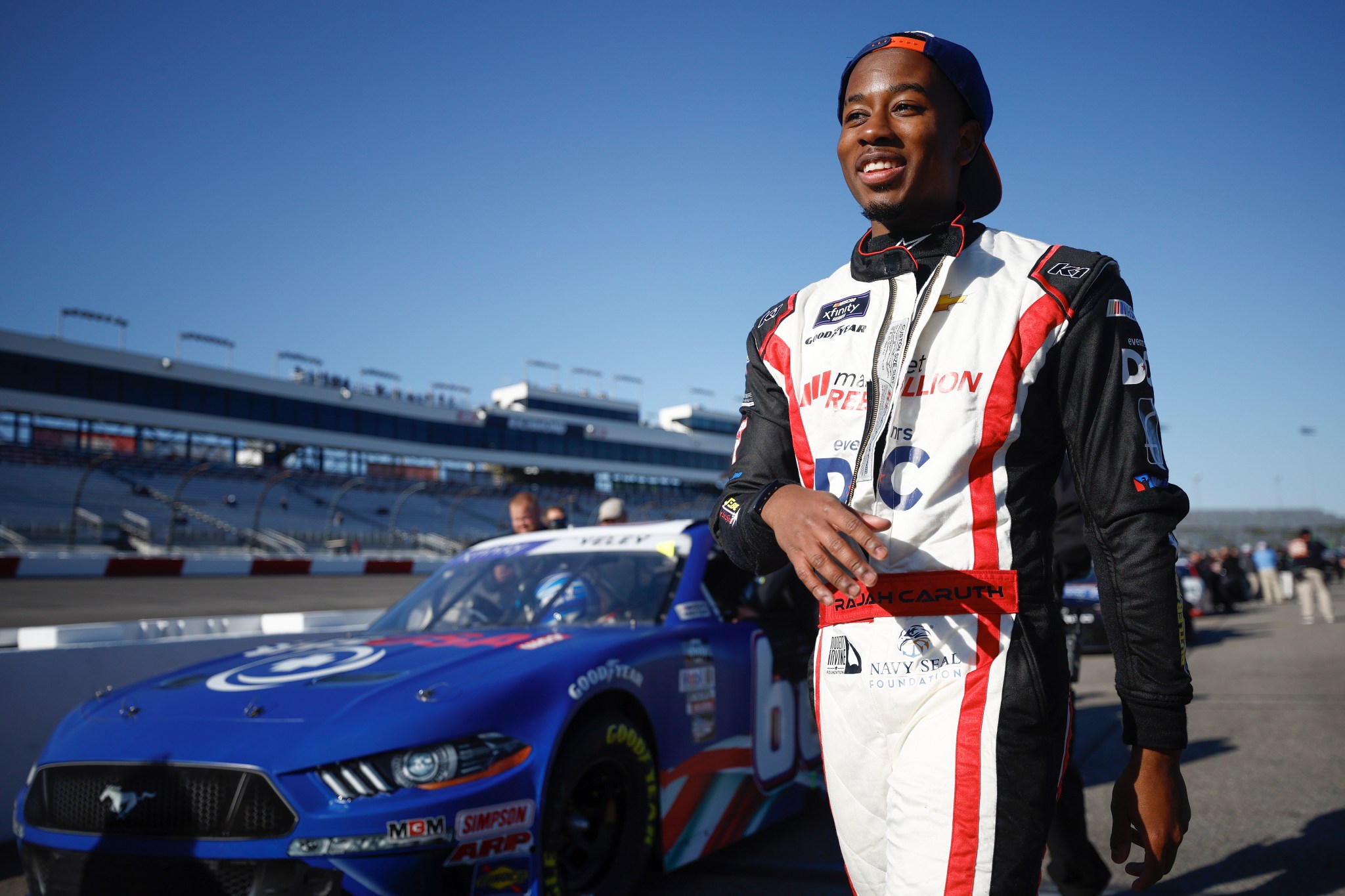
“NASCAR’s iRacing is a virtual motorsport racing simulation. It’s how Rajah Caruth, a 19-year-old D.C.-based driver, began his career as a race car driver progressing through NASCAR-owned series including ARCA Menards and Xfinity,” she says.
Estrada also interviewed Caruth’s father, who grew up in Brooklyn and wasn’t interested in NASCAR other than the fashionable gear associated with the sport. But his son was interested in cars and motor dynamics at a young age. “Dad and I talked for years about how I could get our foot in the door in race car driving,” Rajah told Estrada. “And because we didn’t know anybody, iRacing was really our only shot. It was the only feasible roadmap we had to get into the sport. I didn’t grow up going to the racetrack.”
You love to see it. If you’d like to read more from of my colleague Sheryl Estrada, you can follow her work here, and subscribe to CFO Daily.
Have a happy and inclusive weekend.
Ellen McGirt
@ellmcgirt
Ellen.McGirt@fortune.com
This edition of raceAhead was edited by Ashley Sylla.