NASA's first SpaceX astronauts ready for 'messy camping trip' to space
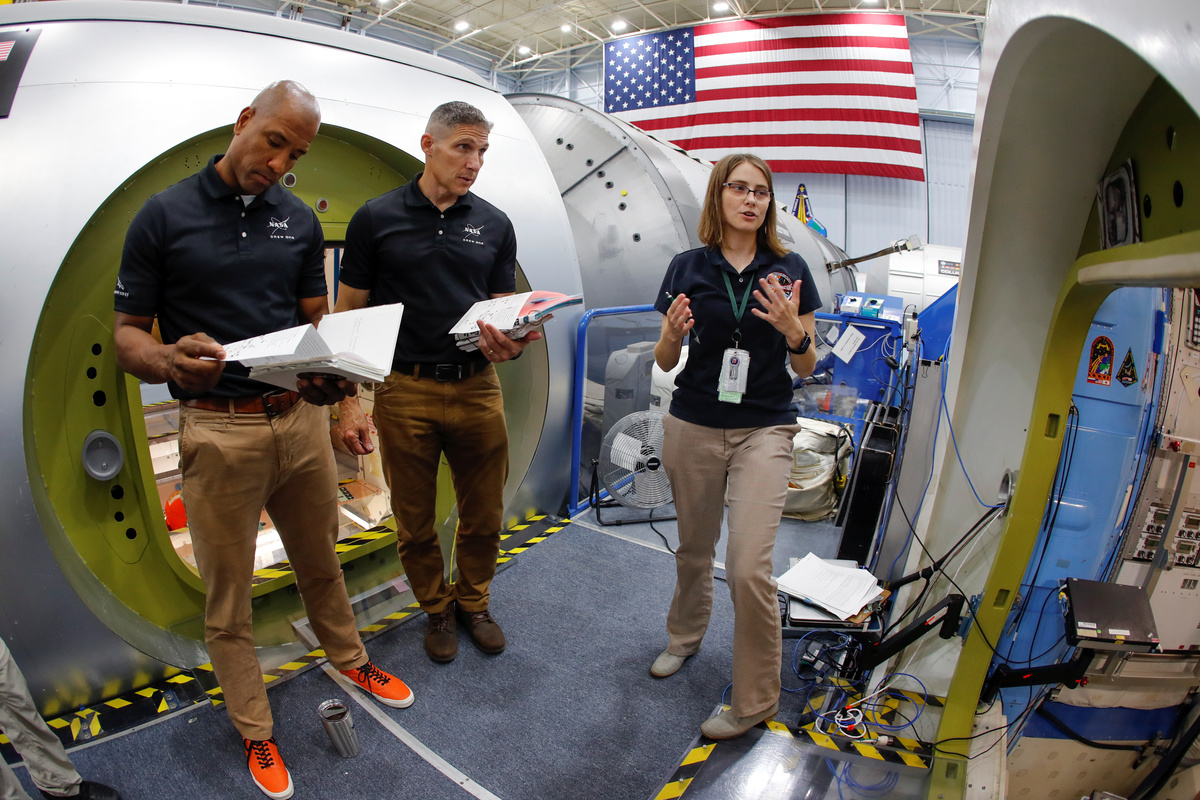
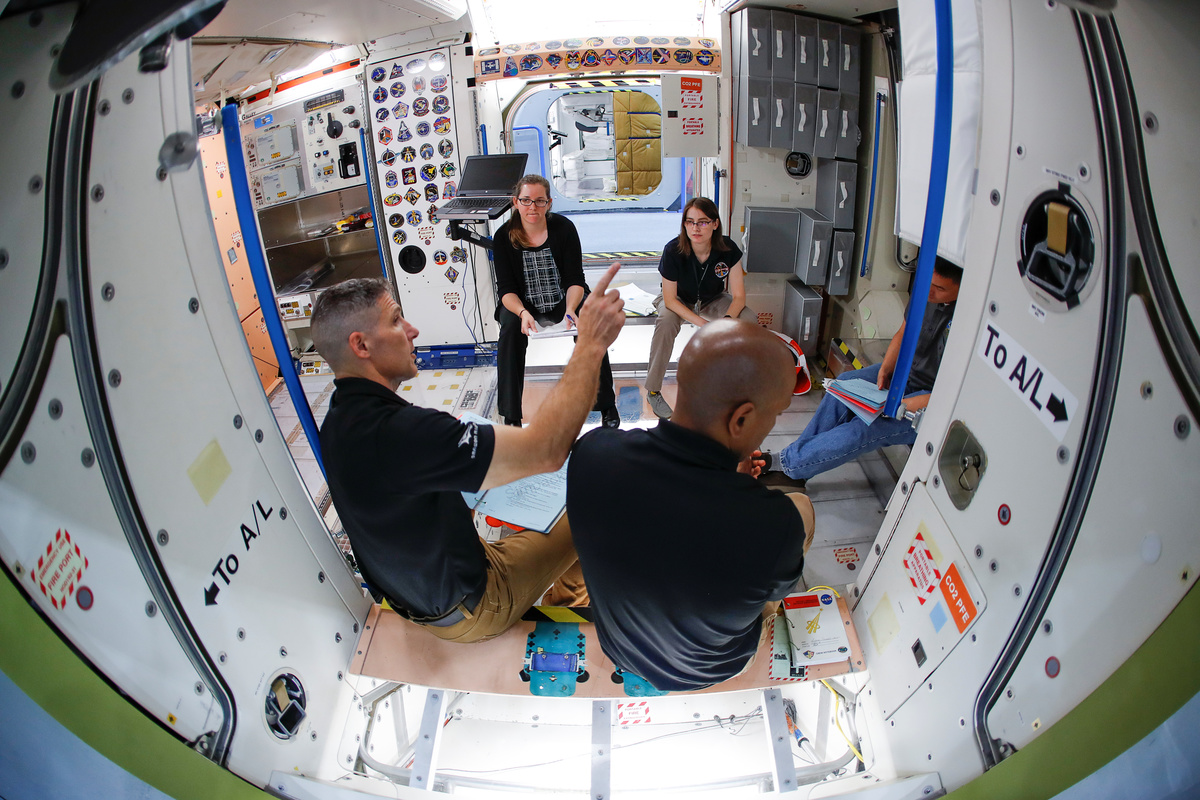
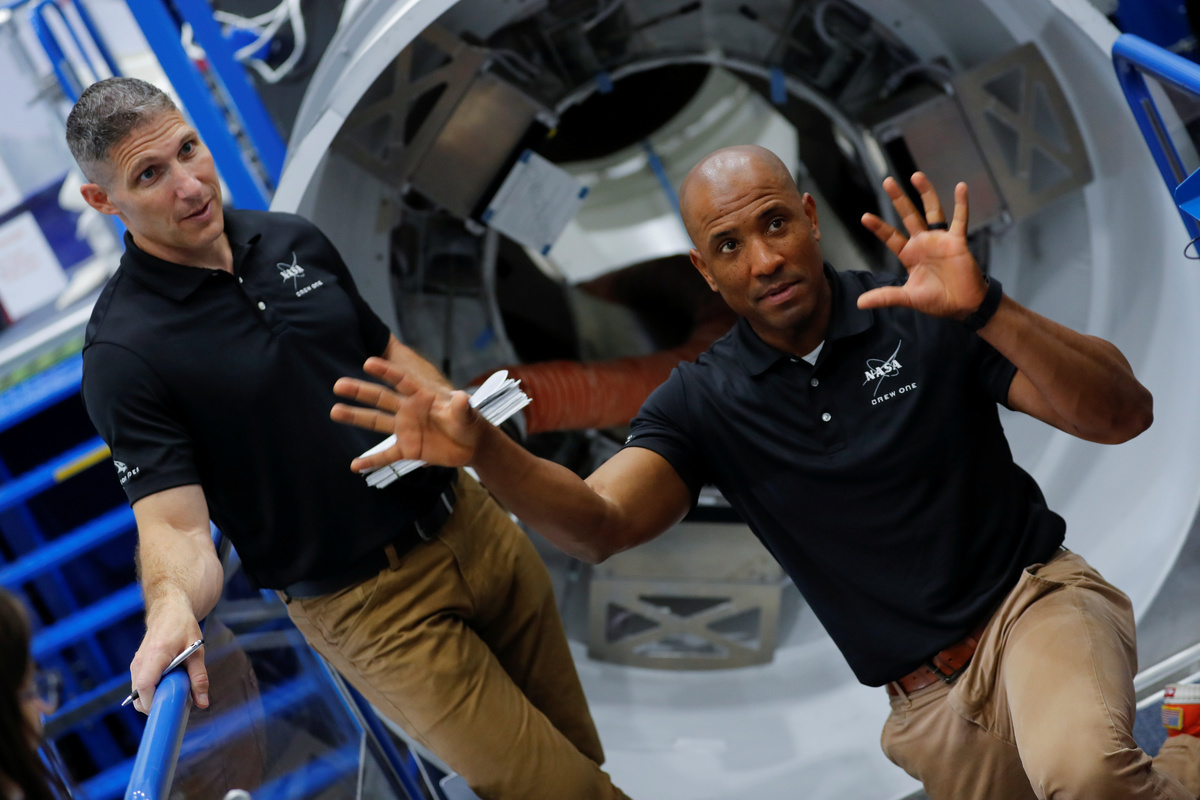
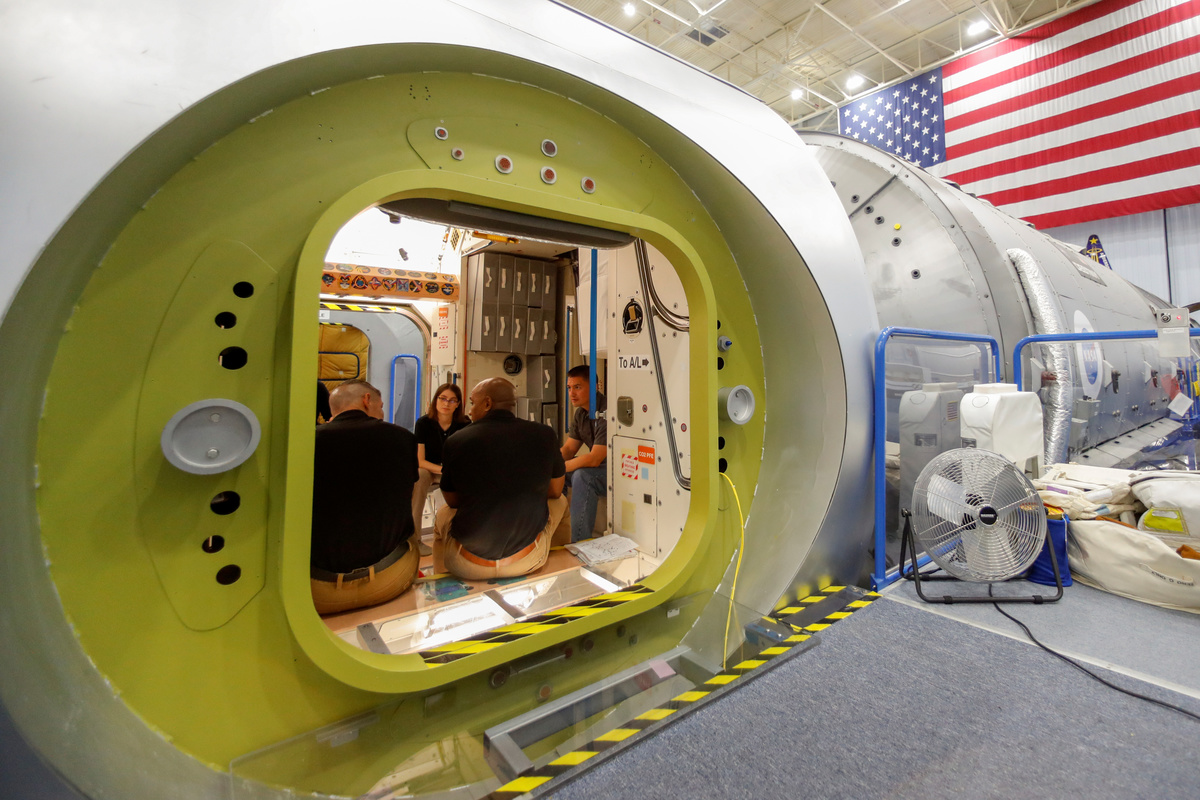
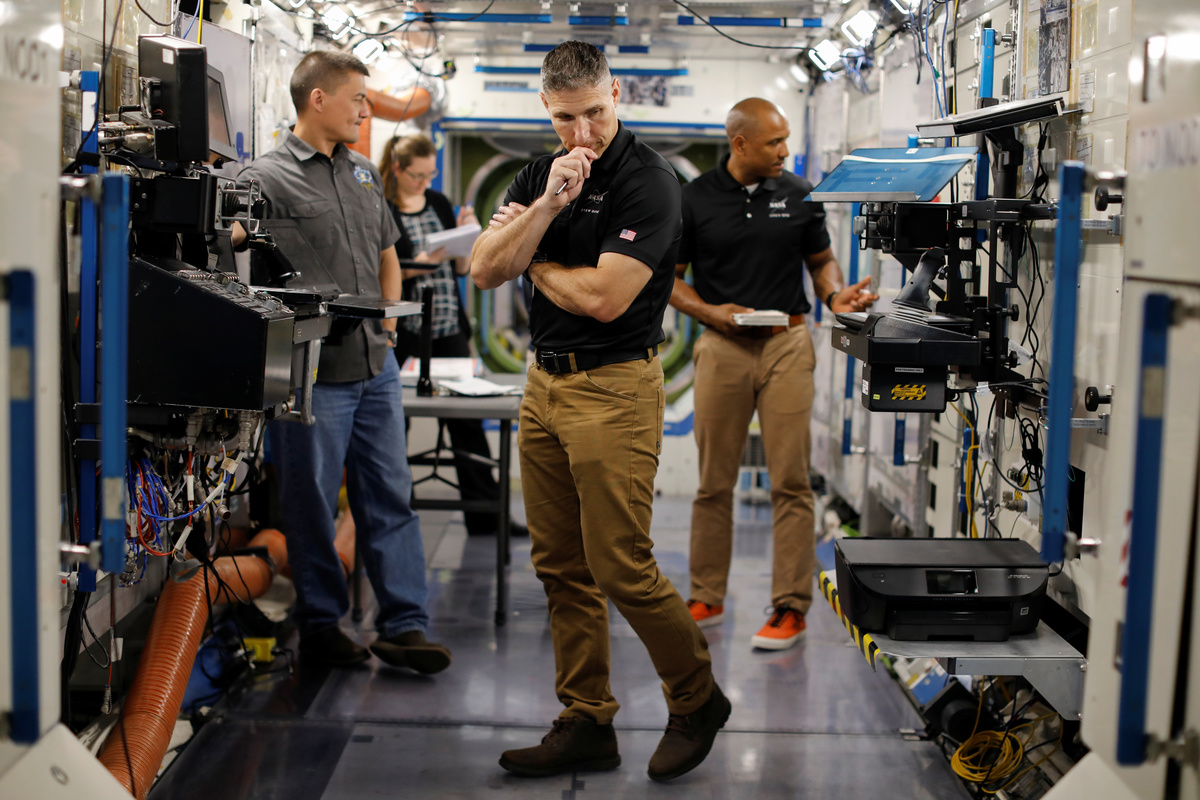
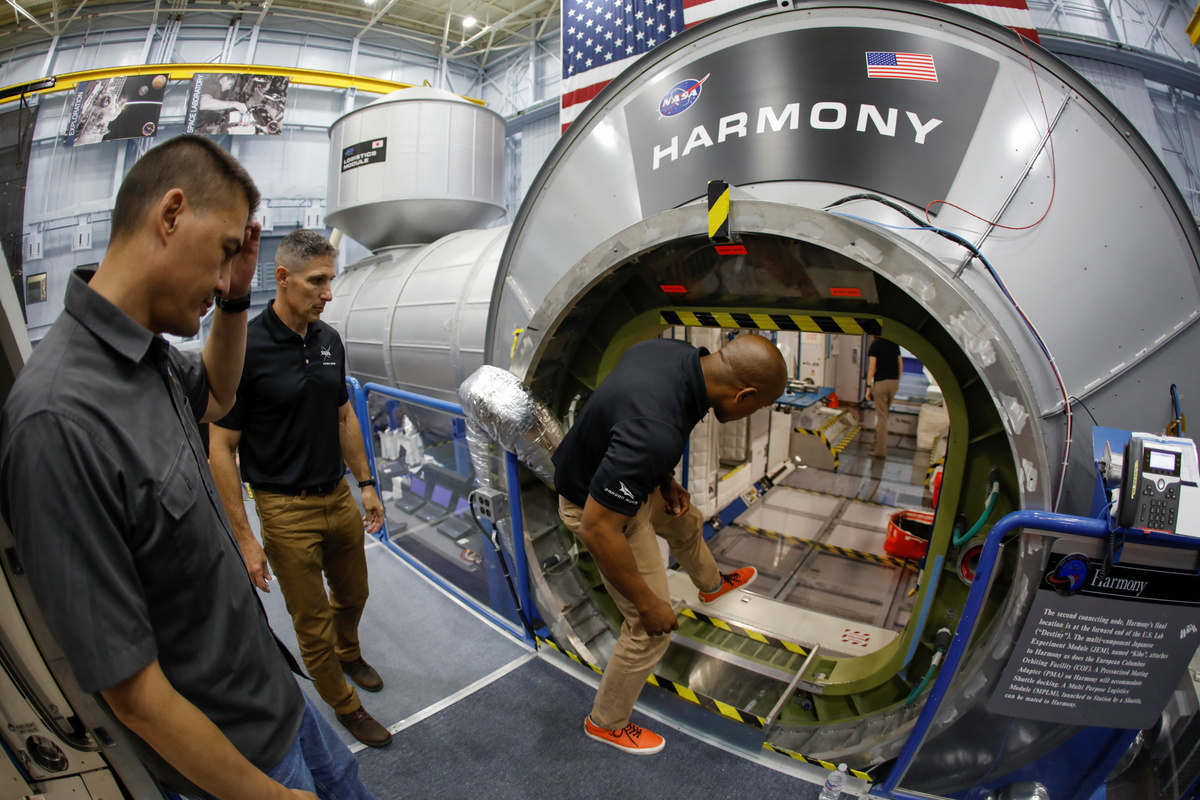
NASA commercial crew astronauts Michael Hopkins and Victor Glover run through a training session at a replica International Space Station (ISS) at the Johnson Space Center in Houston, Texas, U.S., May 22, 2019. REUTERS/Mike Blake
HOUSTON (Reuters) - The first U.S. astronauts chosen to fly aboard a SpaceX capsule built for NASA shrugged off a spate of design and test mishaps, saying such setbacks were "part of the process" and the new technology was far more advanced than the space shuttle program that ended eight years ago.
Space shuttle veterans Bob Behnken, 48, and Doug Hurley, 52 are slated for blastoff later this year or in 2020 from Cape Canaveral, Florida, in the debut manned flight of the Crew Dragon capsule to the International Space Station and back.
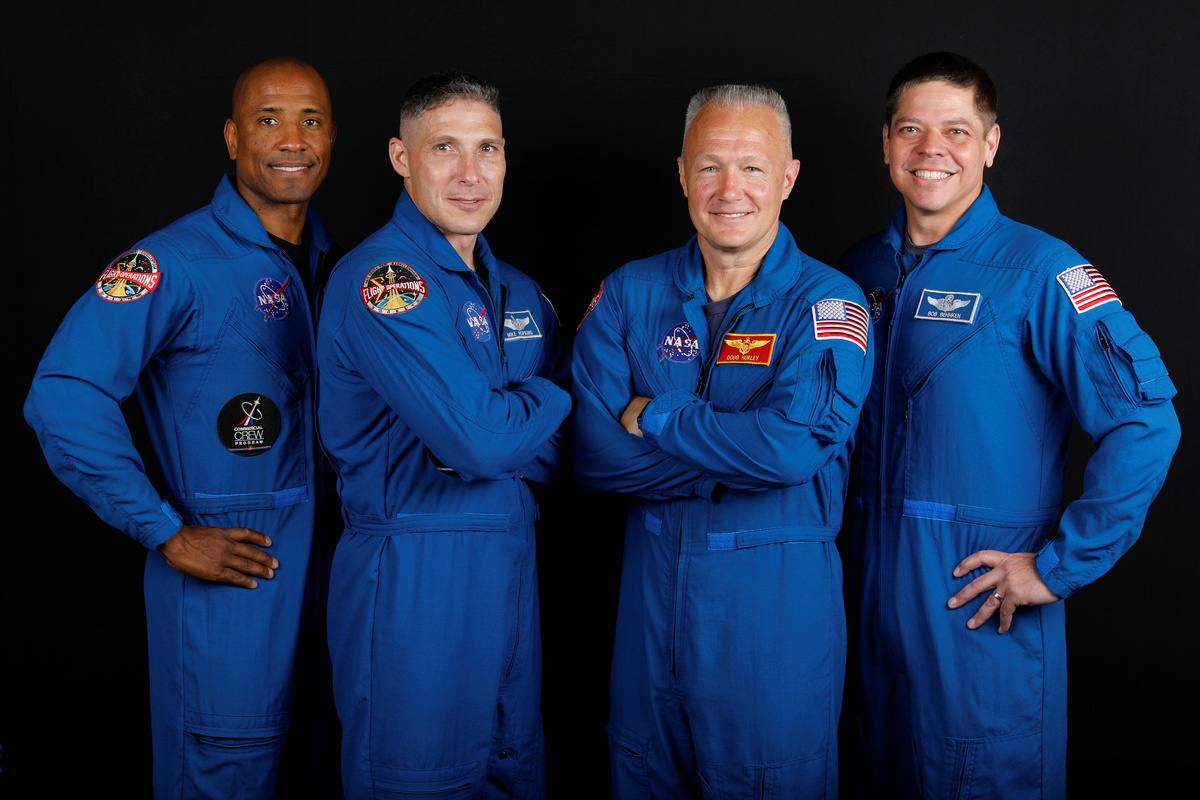
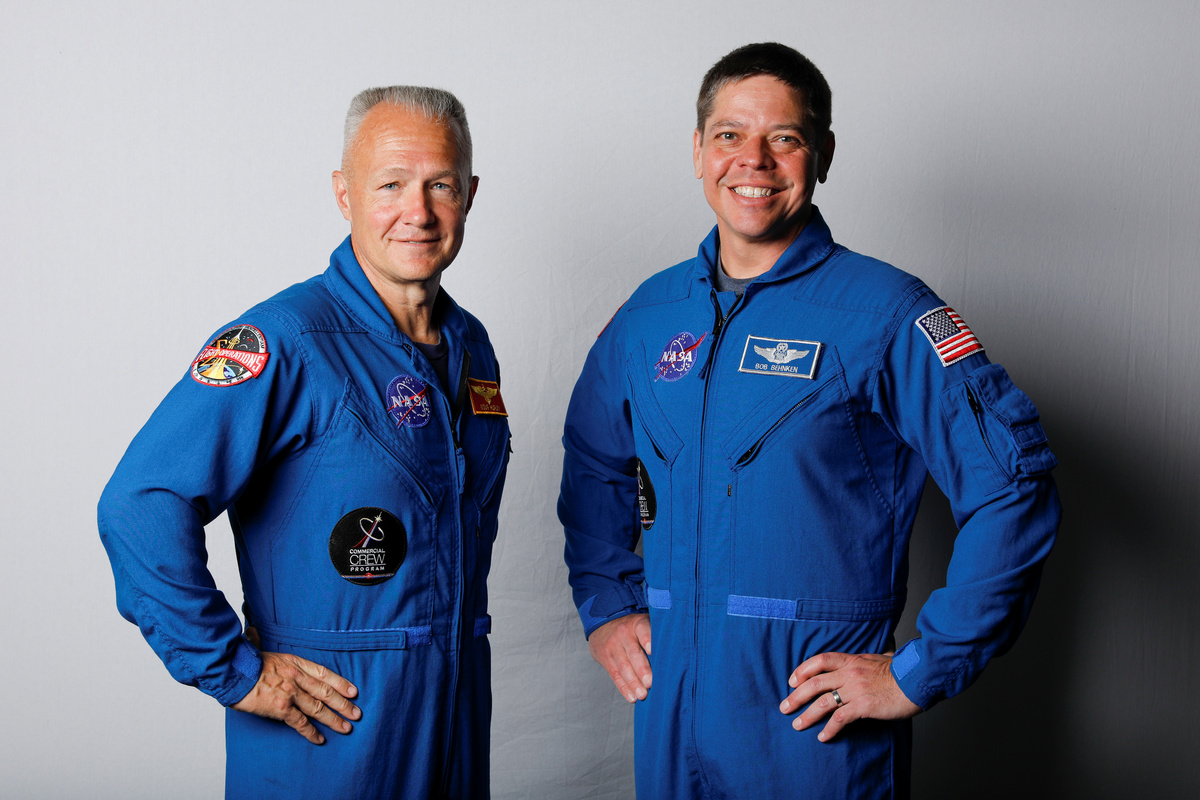
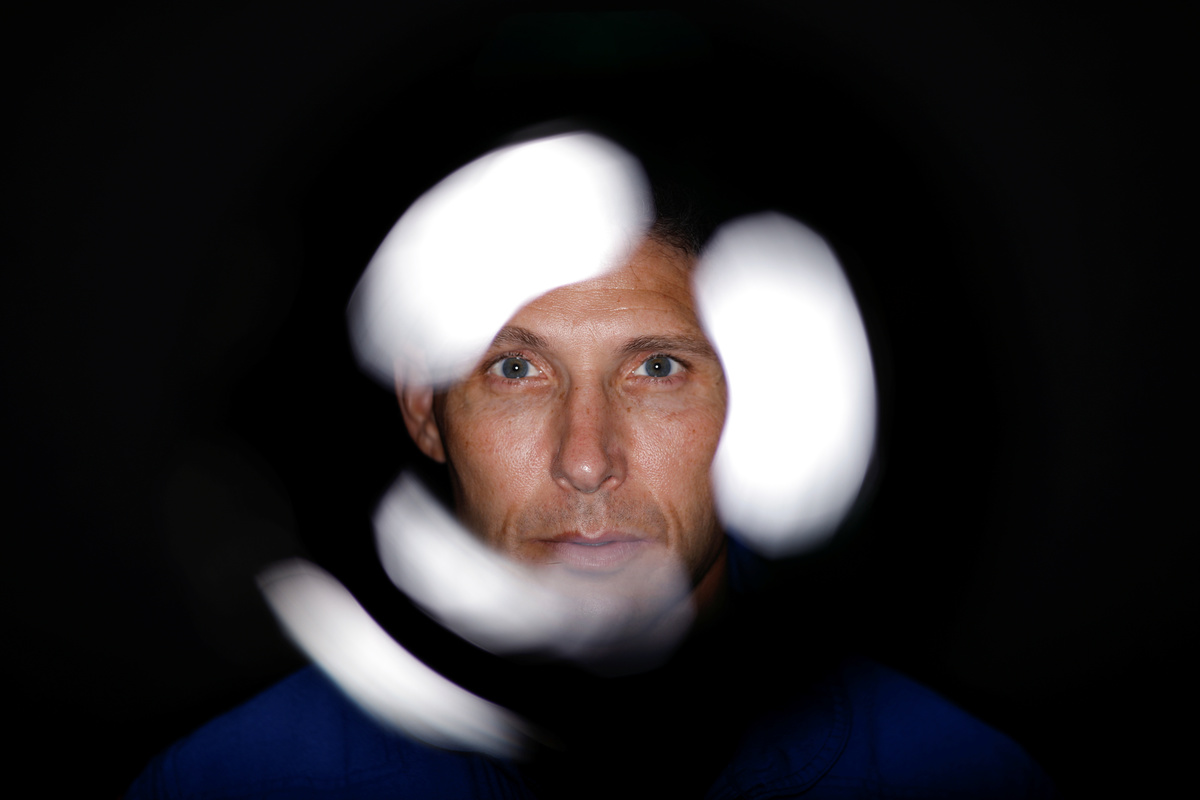
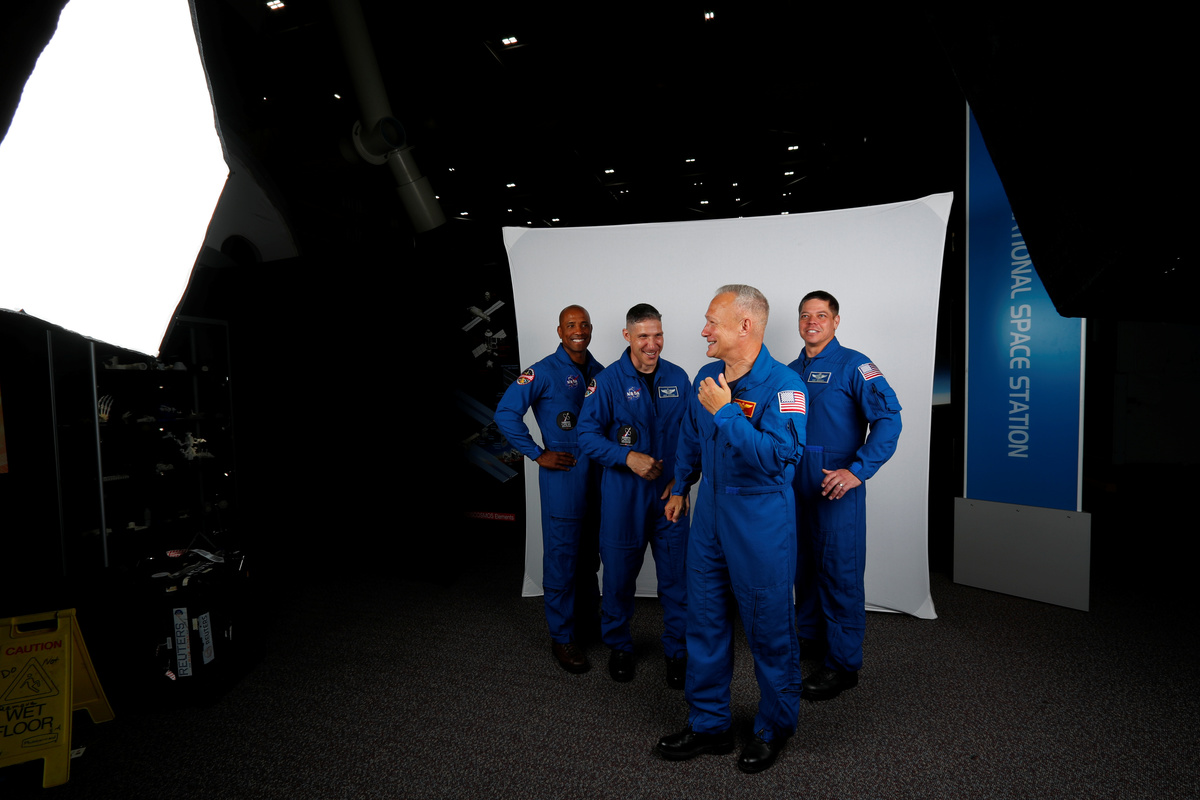
NASA commercial crew astronauts Victor Glover, Michael Hopkins, Douglas Hurley and Bob Behnken pose for a portrait at Johnson Space Center in Houston, Texas, U.S., May 21, 2019. REUTERS/Mike Blake
NASA commercial crew astronauts Michael Hopkins and Victor Glover run through a training session at a replica International Space Station (ISS) at the Johnson Space Center in Houston, Texas, U.S., May 22, 2019. REUTERS/Mike Blake
Two fellow astronauts, Mike Hopkins, 50, and Victor Glover, 43, are designated for launch aboard the vehicle's first official operational mission after that, possibly with two more crew members from other countries.
The astronauts voiced trust in the capabilities and safety of the space vehicles being developed through NASA's new commercial partnerships. They also said the business of space flight was not always neat and clean.
“People to a degree think it's pretty glamorous to be able to go into space, but it's actually like a messy camping trip,” Hurley told Reuters in recent interviews with the astronauts conducted at NASA's Johnson Space Center in Houston.
NASA commercial crew astronauts Michael Hopkins and Victor Glover run through a training session at a replica International Space Station (ISS) at the Johnson Space Center in Houston, Texas, U.S., May 22, 2019. REUTERS/Mike Blake
California-based SpaceX, the privately owned venture owned by billionaire entrepreneur Elon Musk, successfully launched an unpiloted Crew Dragon to the space station in March on a test mission known as Demo 1. The capsule safely splashed down in the Atlantic and was recovered several days later.
But the following month, on April 20, SpaceX experienced a high-profile setback when the same Crew Dragon blew up during a ground test of the vehicle's emergency abort thrusters, designed to propel the capsule and its crew to safety from atop the rocket in the event of a launch failure.
The accident has upset SpaceX's launch schedule. NASA said it and SpaceX had been "reevaluating target test dates" for the crewed mission – previously scheduled for July. The latest NASA schedule now has the first unmanned flight of Boeing’s Starliner crew capsule planned for liftoff in August, ahead of SpaceX's debut crew mission carrying Behnken and Hurley, the agency said.
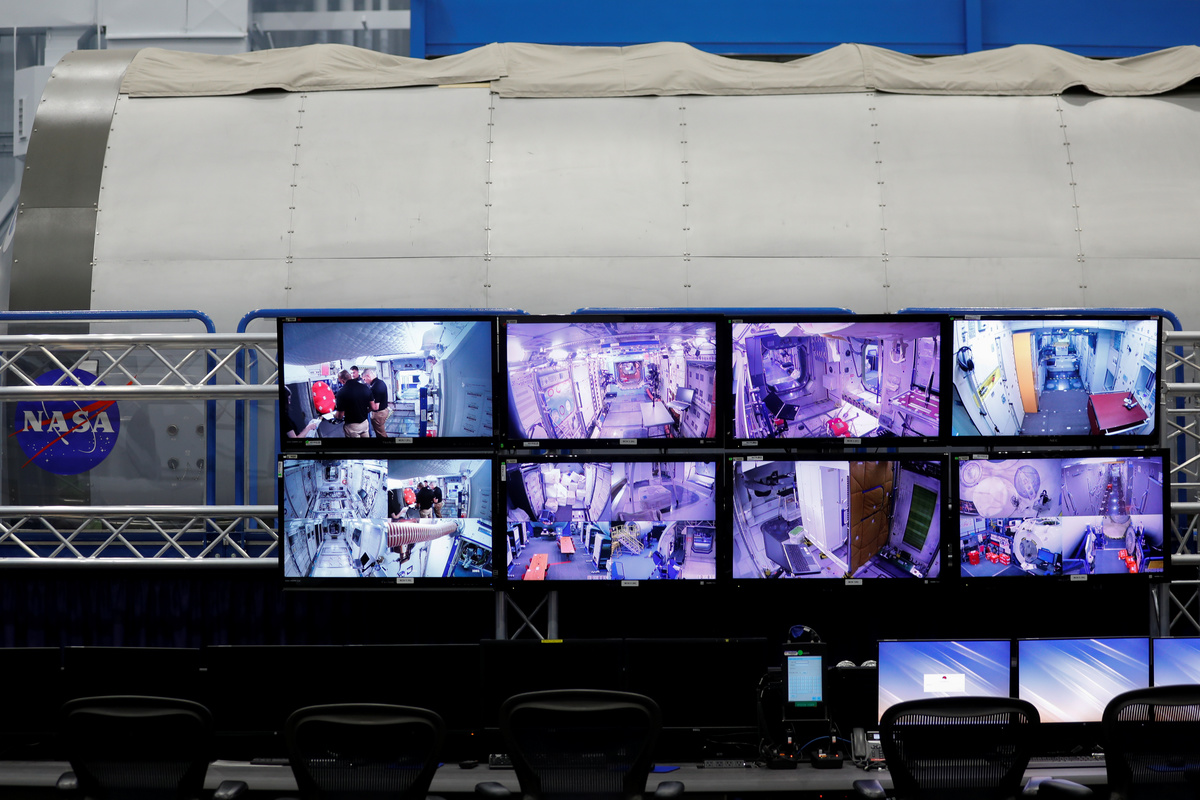
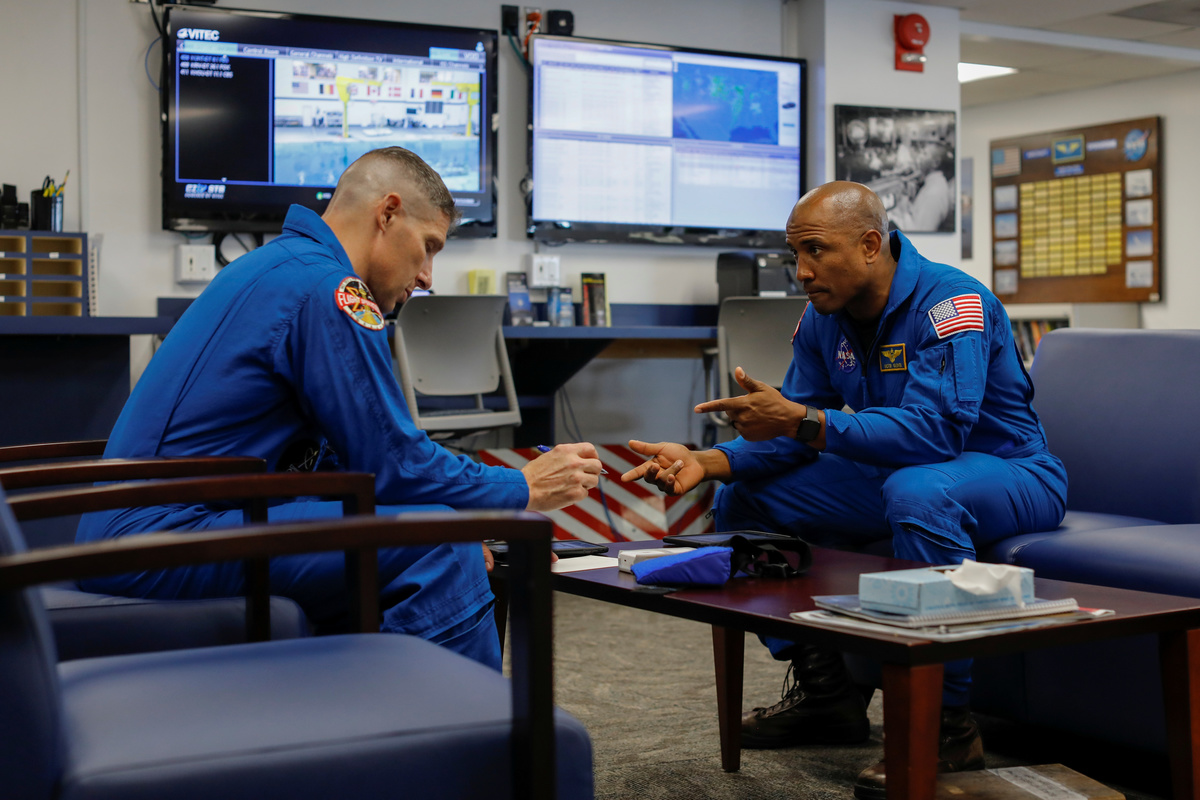
Video screens monitor the inside of a replica International Space Station at Johnson Space Center in Houston, Texas, U.S., May 22, 2019. REUTERS/Mike Blake
INVESTIGATING 'ANOMALY'
The April accident, which SpaceX and NASA referred to as an "anomaly" in the bland parlance of aerospace engineers, is under investigation, although the astronaut team has been given "remarkable" access to the SpaceX-led inquiry, Behnken said.
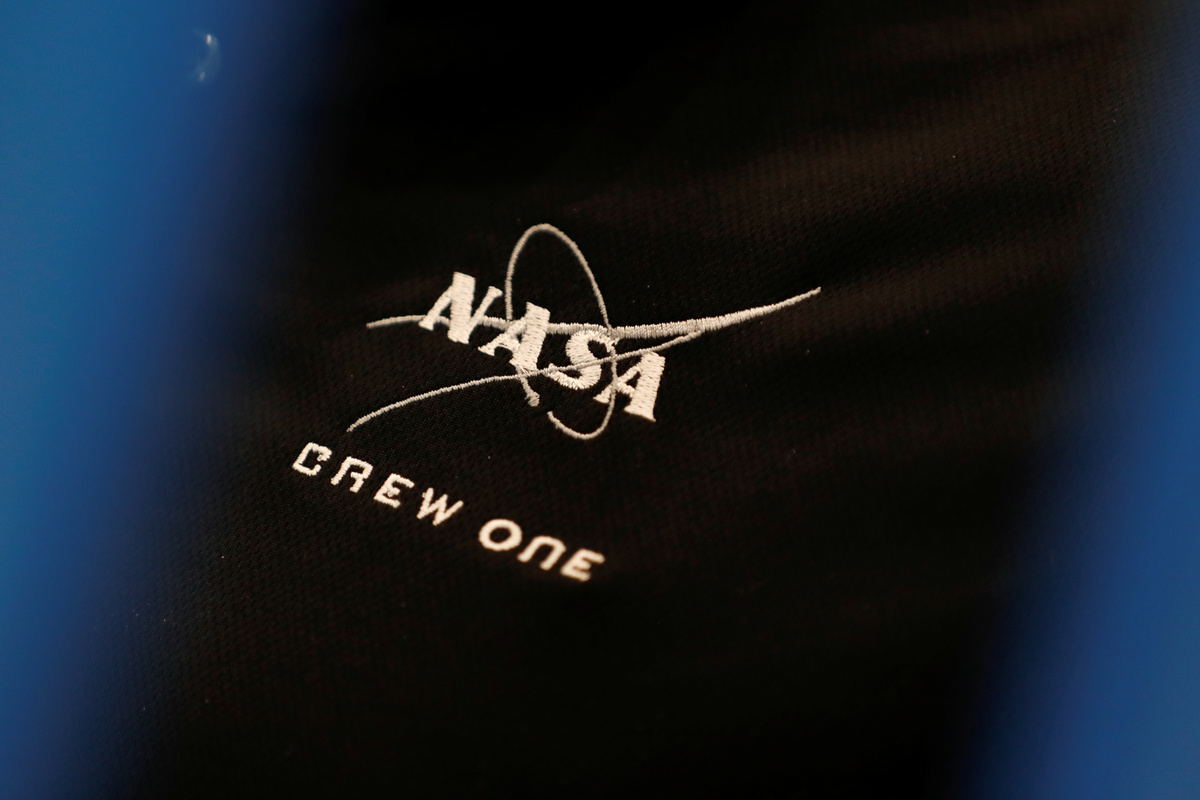
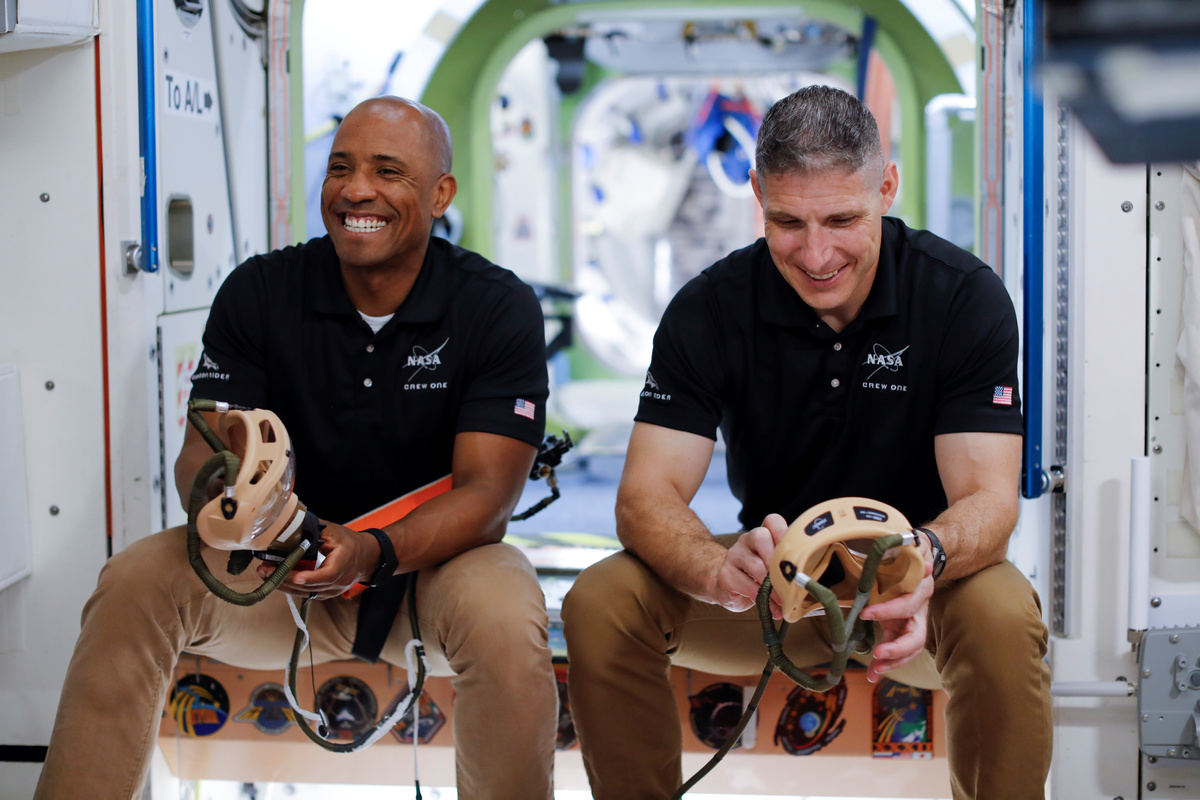
NASA commercial crew astronaut Michael Hopkins wears a NASA Crew One logo on his shirt as he trains inside a replica International Space Station (ISS) at the Johnson Space Center in Houston, Texas, U.S., May 22, 2019. REUTERS/Mike Blake
"In general, the anomaly that happened to us in the past, that's the best kind because we'll figure that one out ... and we'll make sure that that's not going to happen again," Behnken said. "We're the risk-takers, and being informed on that risk is super important as well."
Hopkins said: "This is part of the process. It's not surprising that it's happened. We all wish that we haven't had some of these issues, but ... as long as you've got a good process, a good team put together, you can get through them."
The Crew Dragon and the Falcon 9 rocket that loft it into orbit are both SpaceX creations. The first crewed launch of the two will mark a major milestone, not only for Musk's company, but for NASA in its quest to resume human space flight from U.S. soil after nearly a decade.
NASA commercial crew astronauts Michael Hopkins and Victor Glover run through a training session at a replica International Space Station (ISS) at the Johnson Space Center in Houston, Texas, U.S., May 22, 2019. REUTERS/Mike Blake
NASA is paying SpaceX and aerospace rival Boeing Co nearly $7 billion combined, for each to construct rocket-and-capsule launch systems for ferrying astronauts to the space station. Since NASA ended its space shuttle program in 2011, U.S. astronauts have had to fly aboard Russian-launched Soyuz spacecraft on missions to the orbital research laboratory.
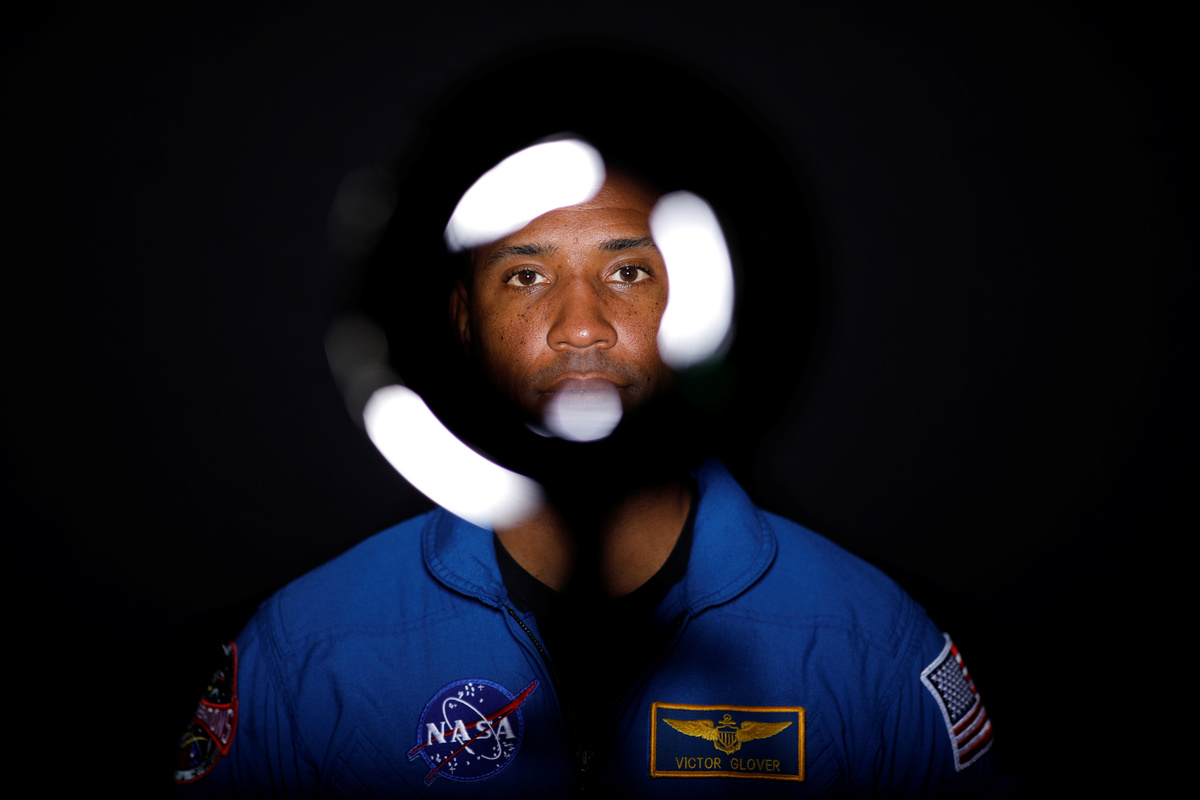
NASA commercial crew astronaut Victor Glover poses for a portrait at Johnson Space Center in Houston, Texas, U.S., May 21, 2019. REUTERS/Mike Blake
(Reporting by Alan Devall in Houston; Additional reporting by Travis Hartman; Writing and additional reporting by Joey Roulette in Cape Canaveral; Florida; Editing by Steve Gorman, Bill Tarrant and Peter Cooney)
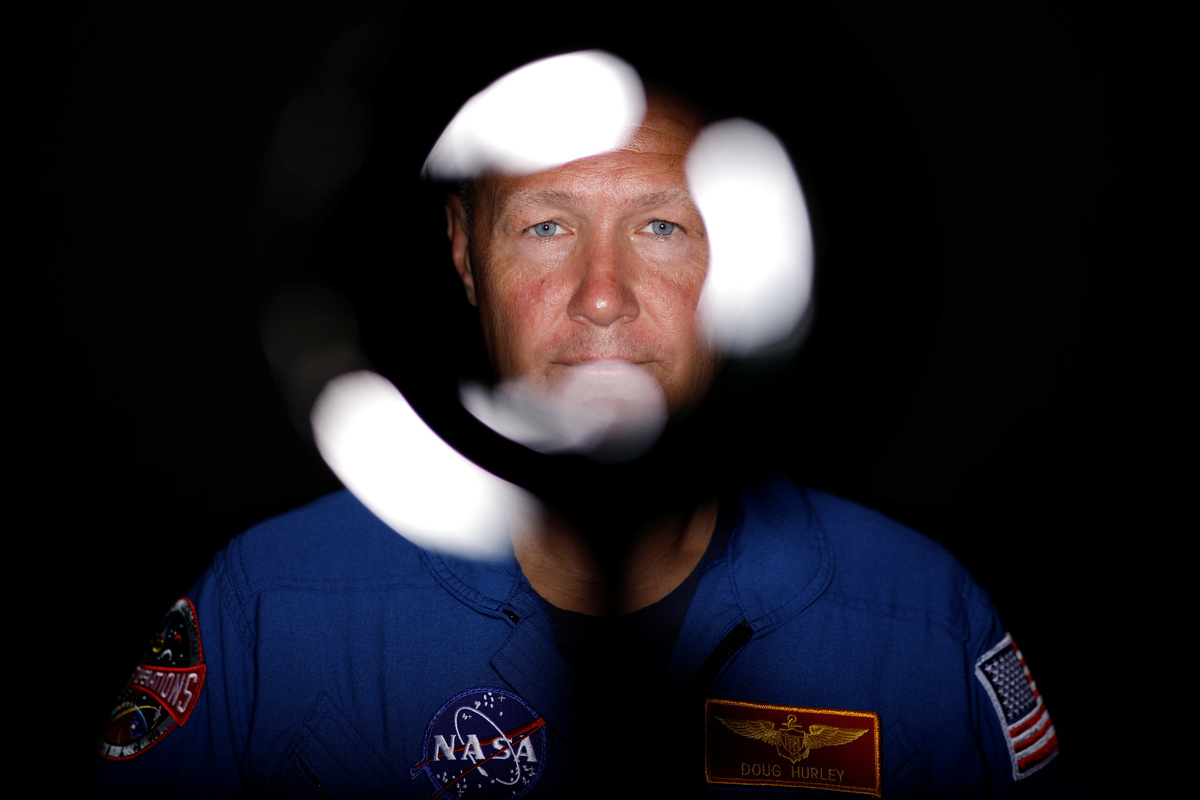
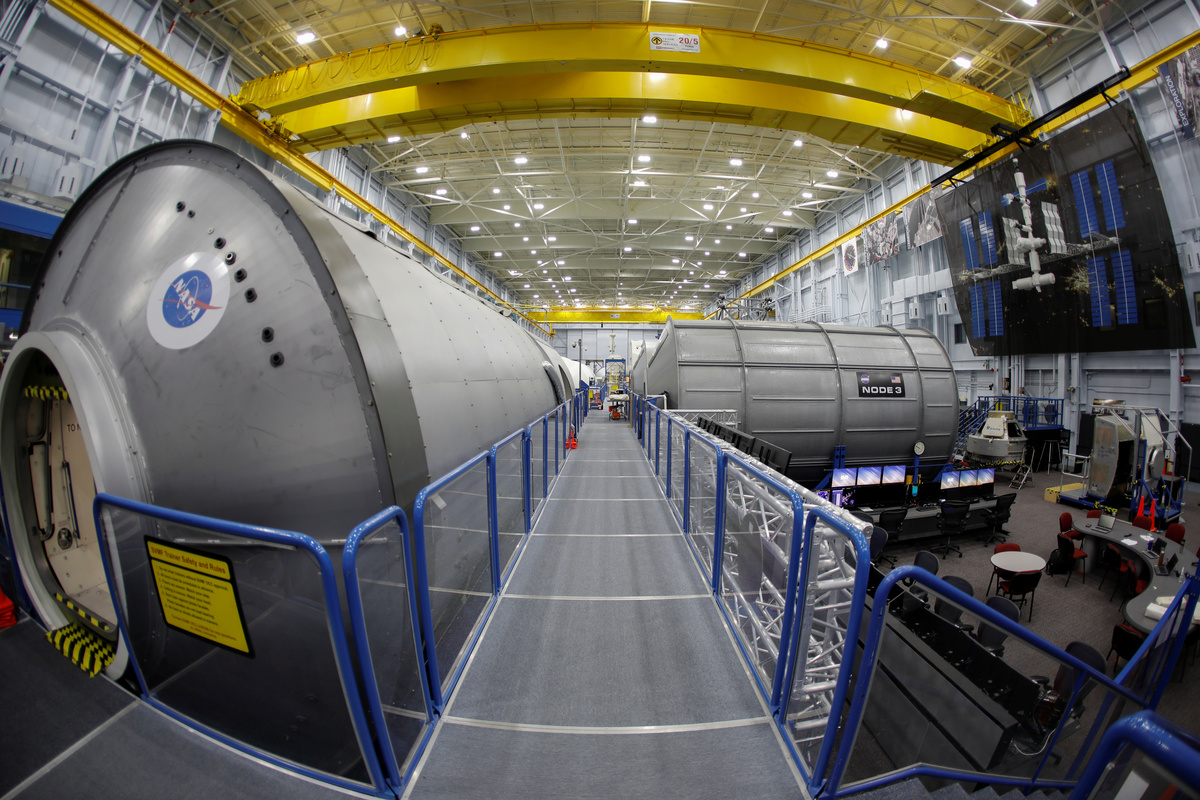
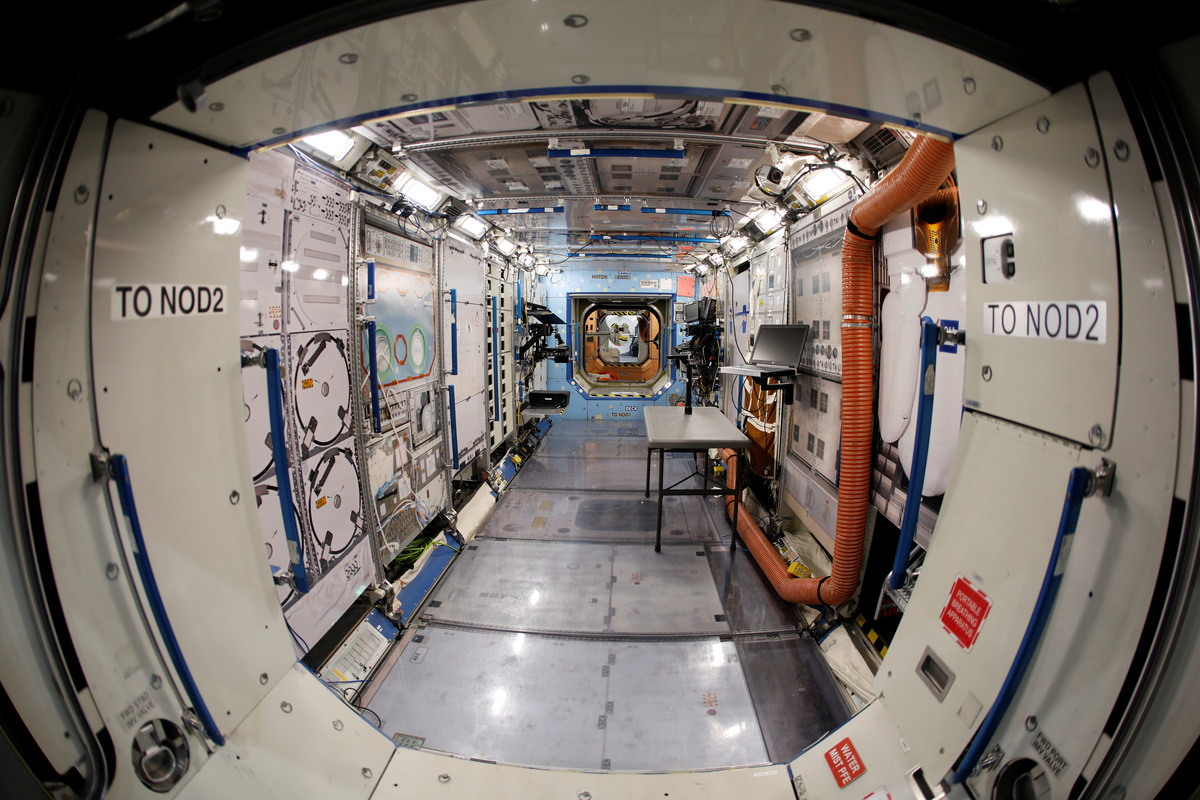
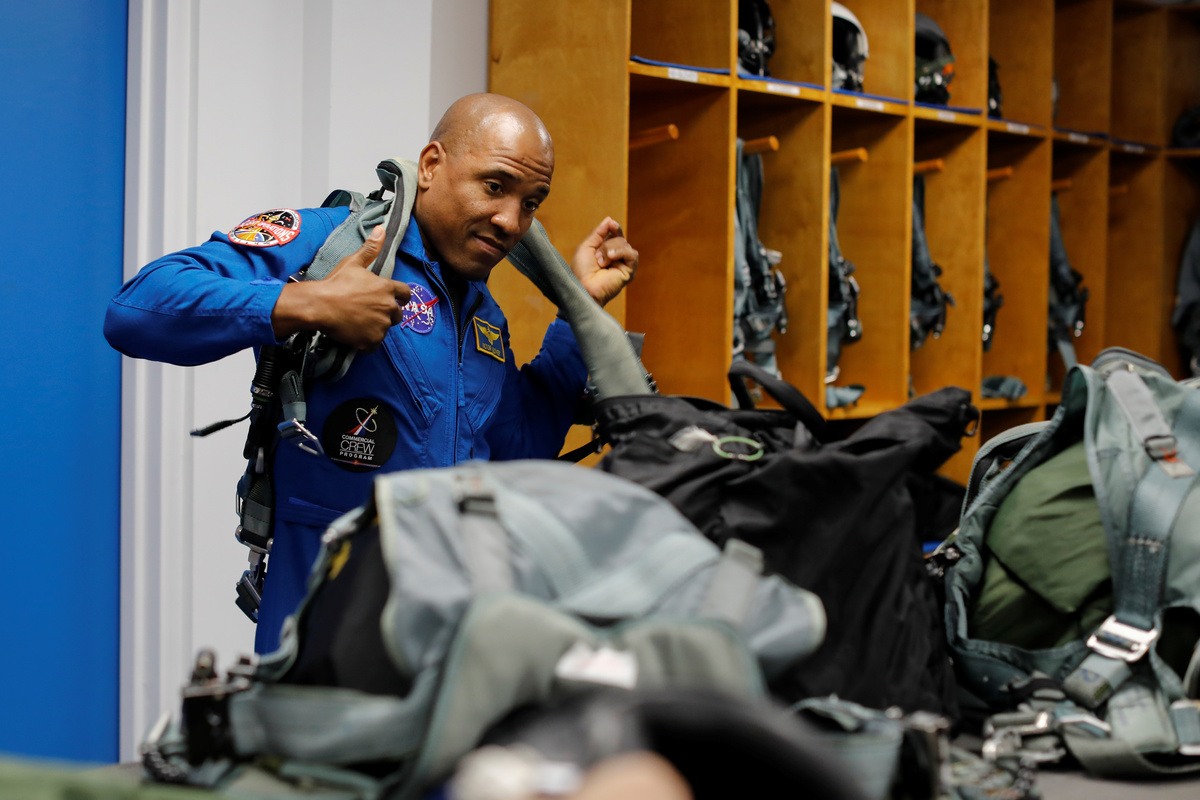
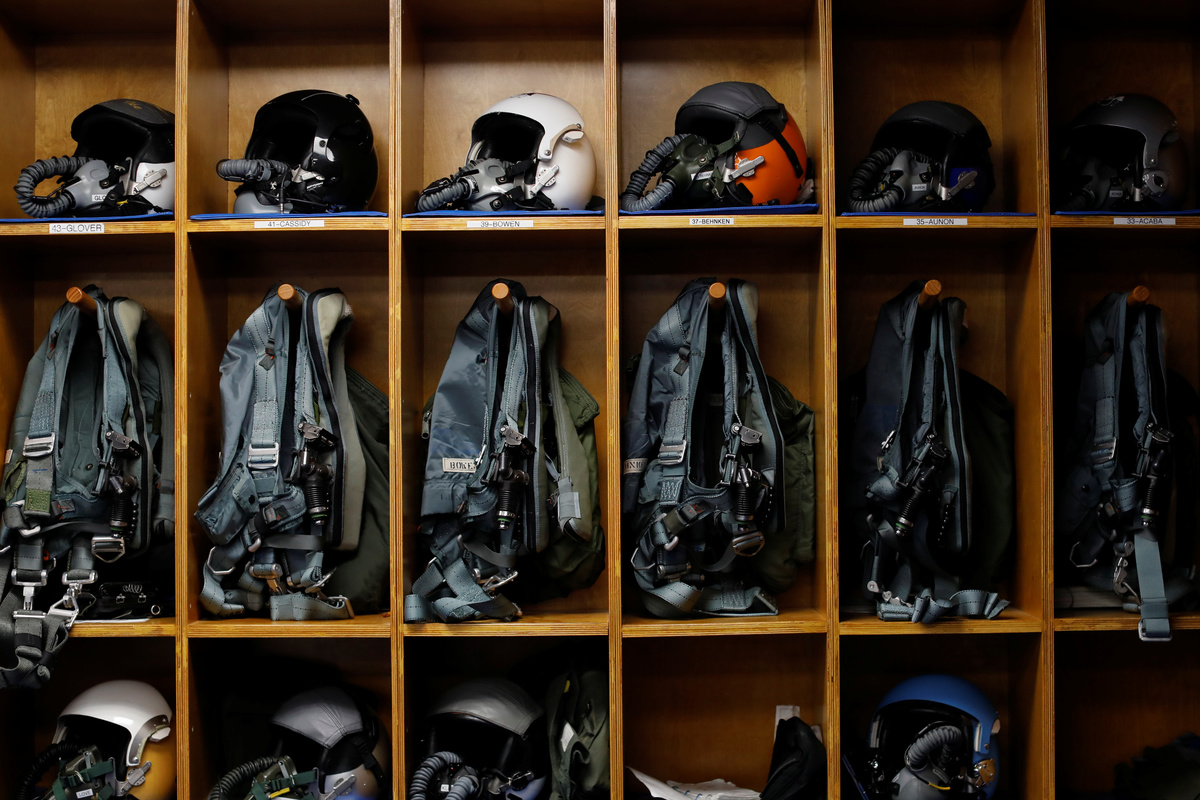
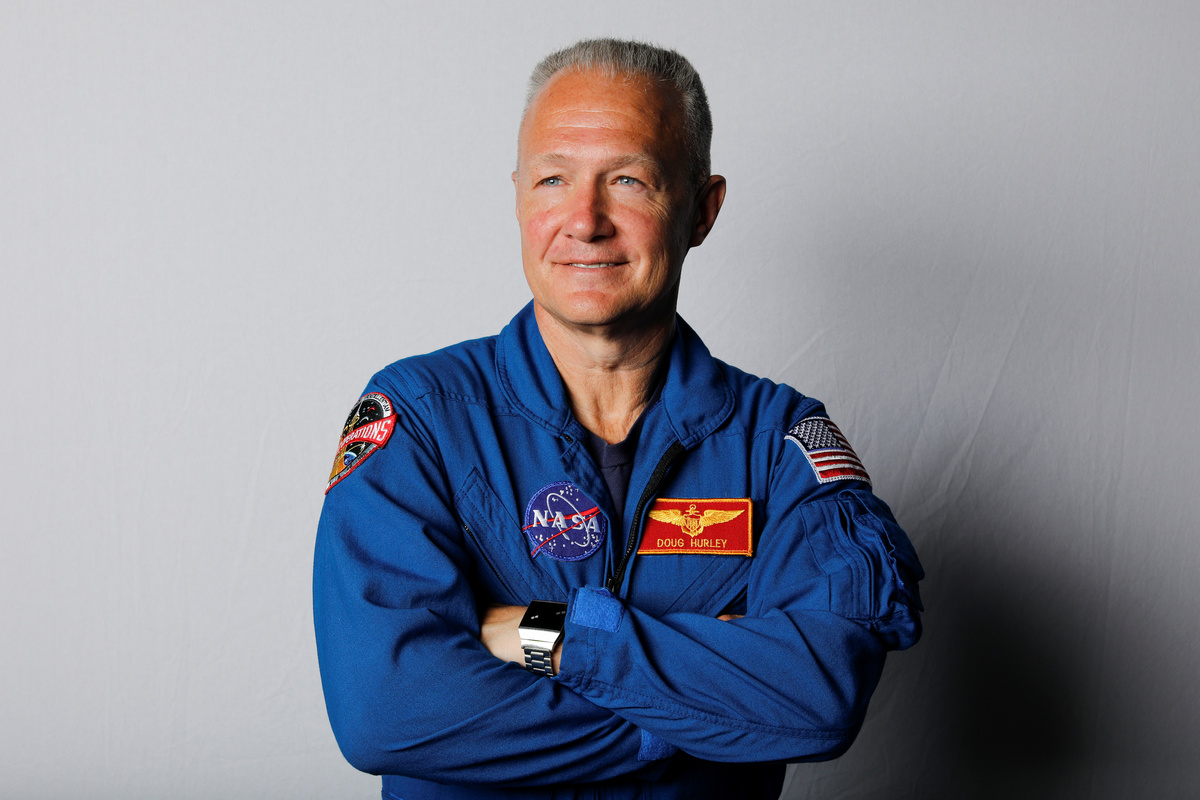
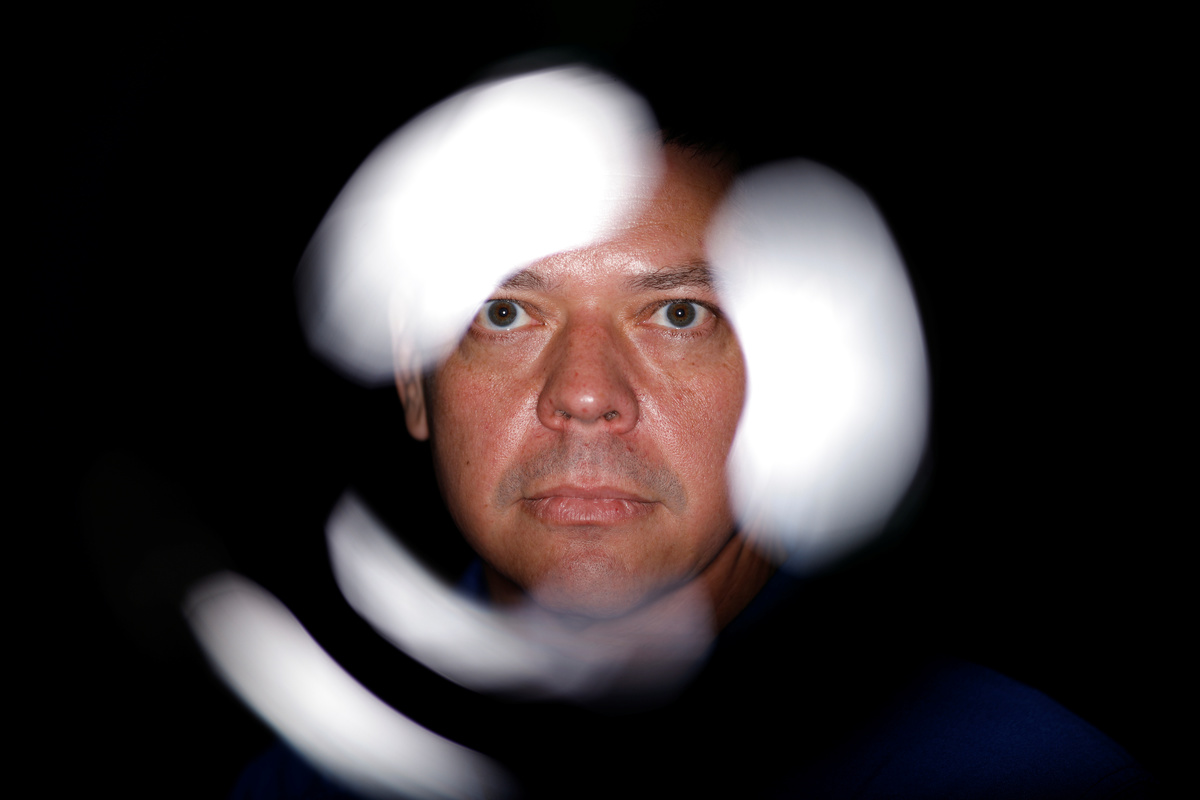
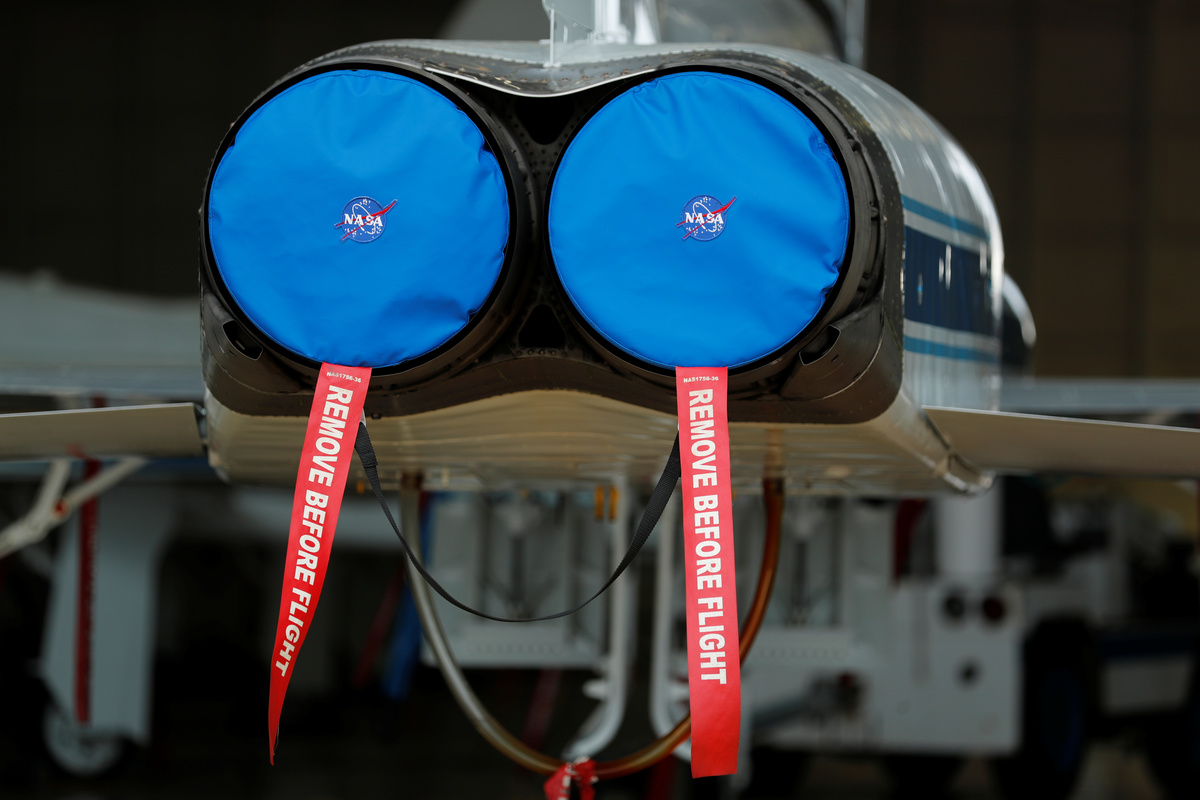
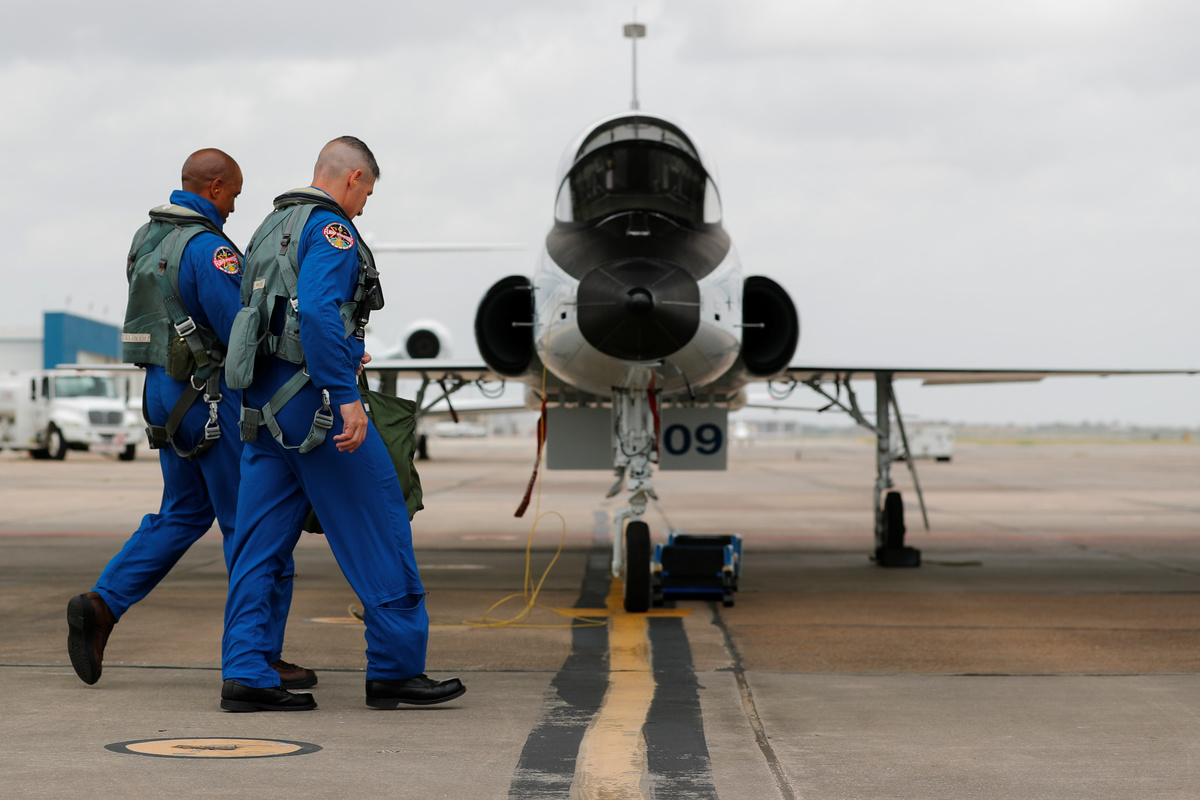
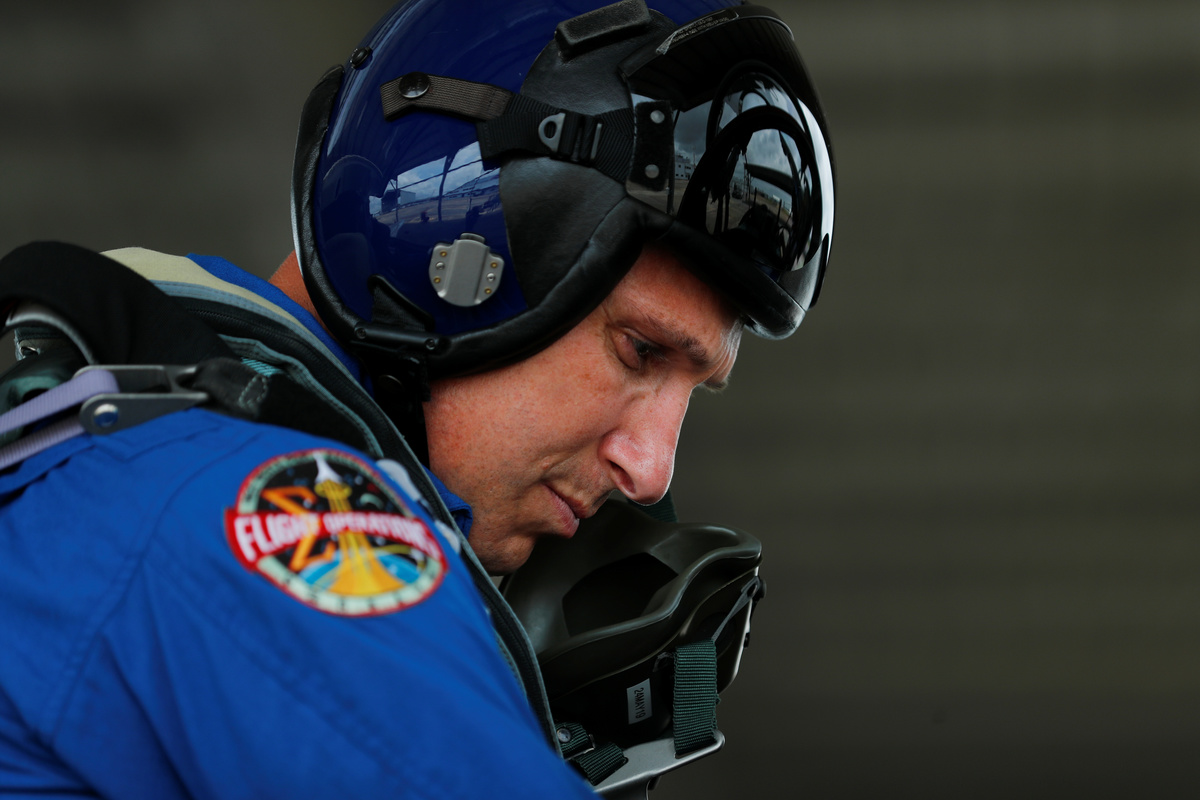
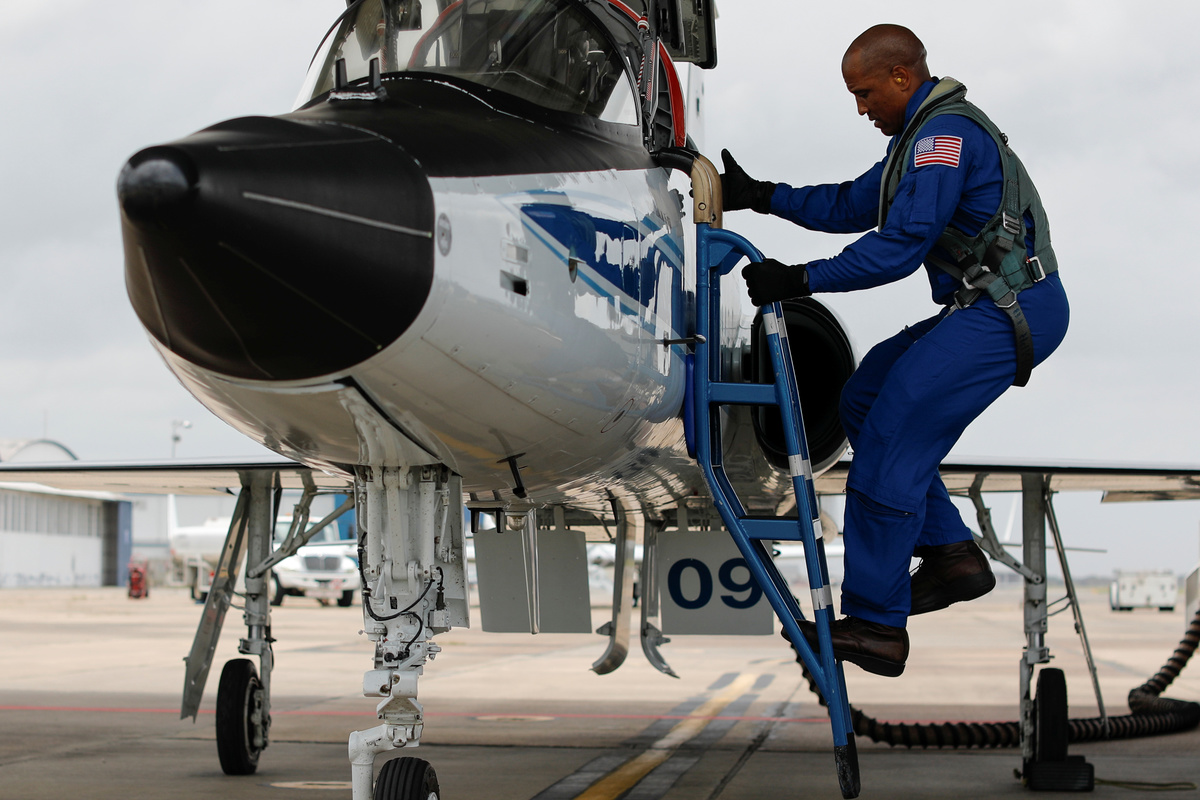
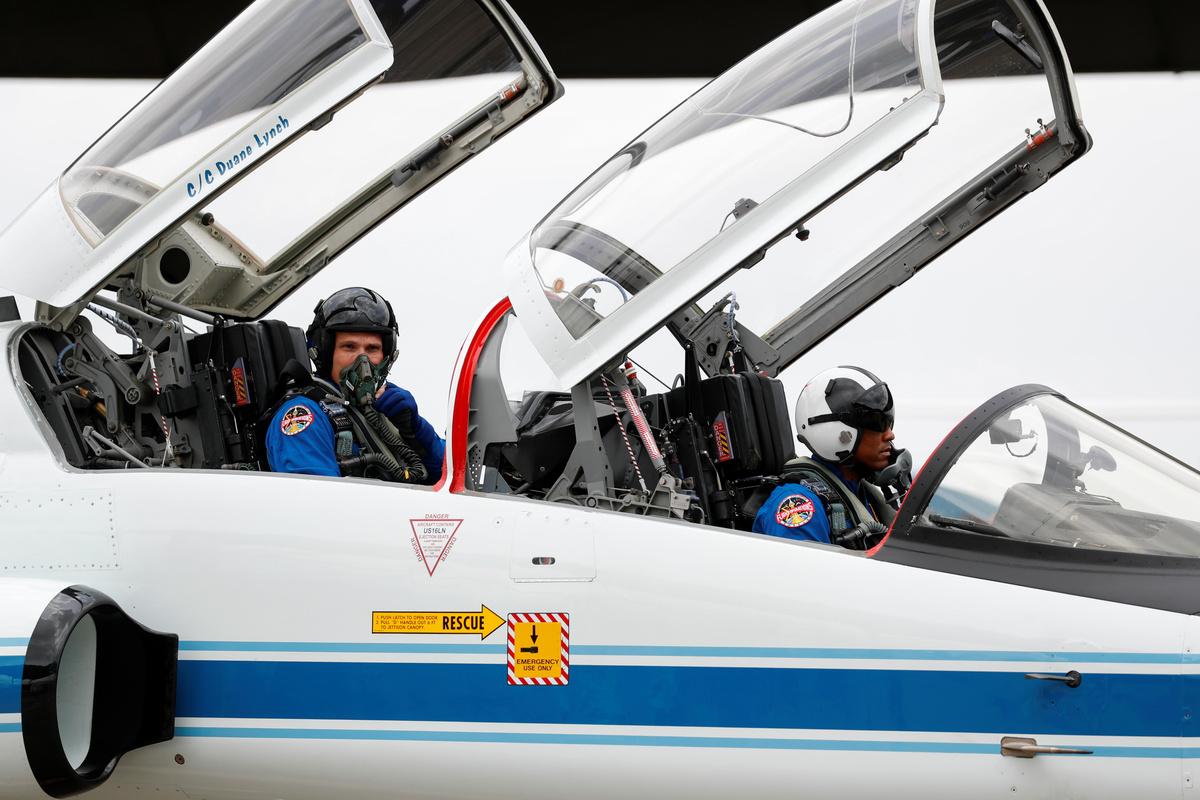
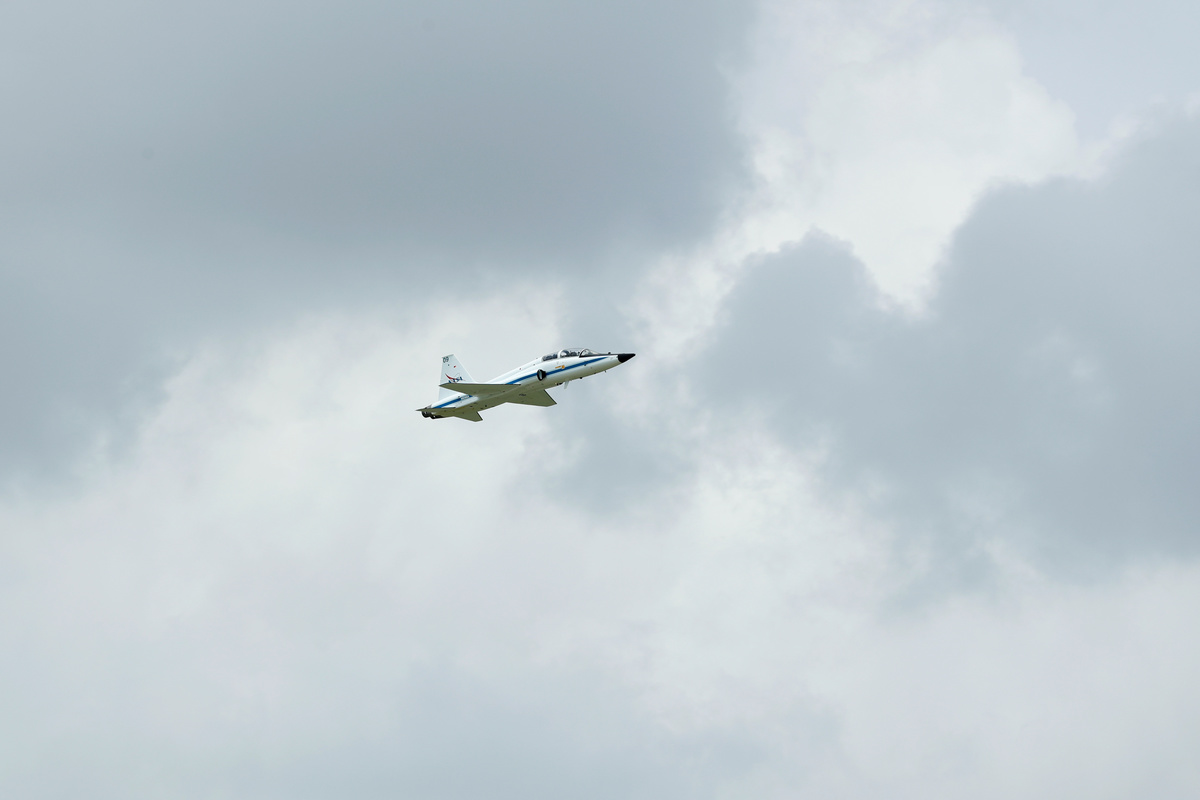
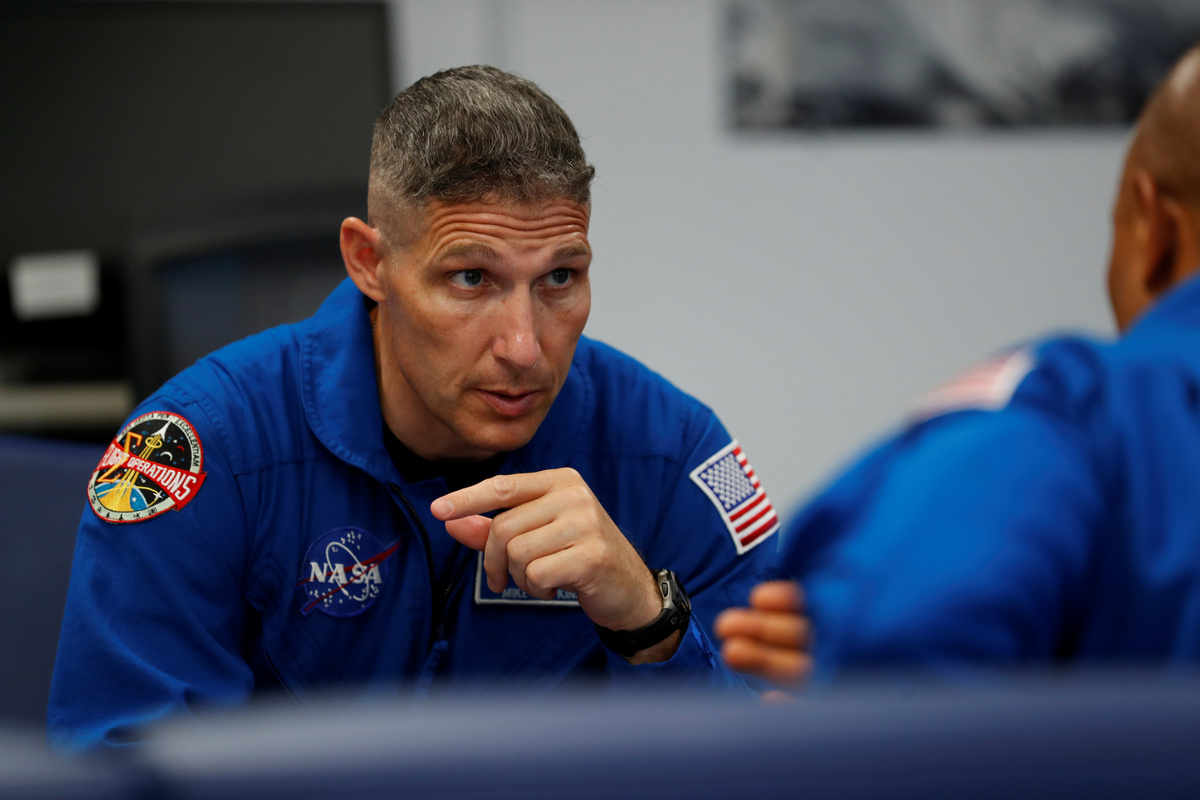
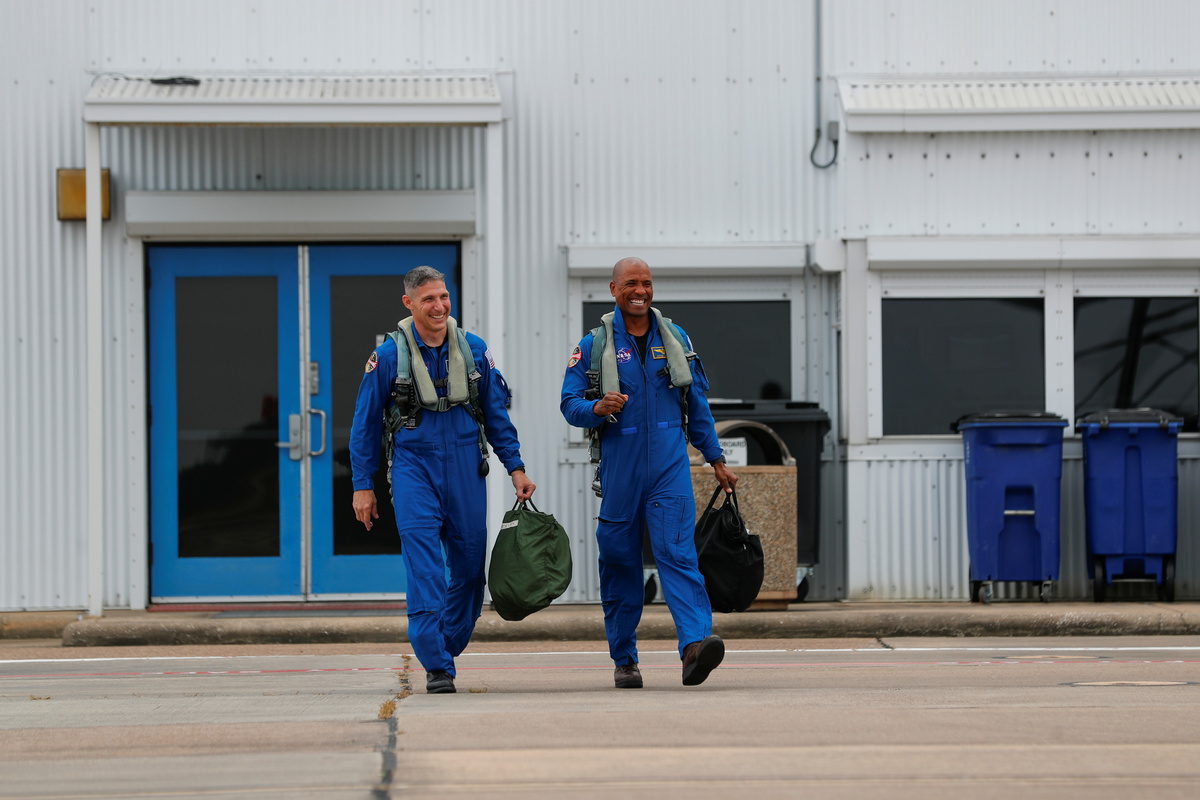
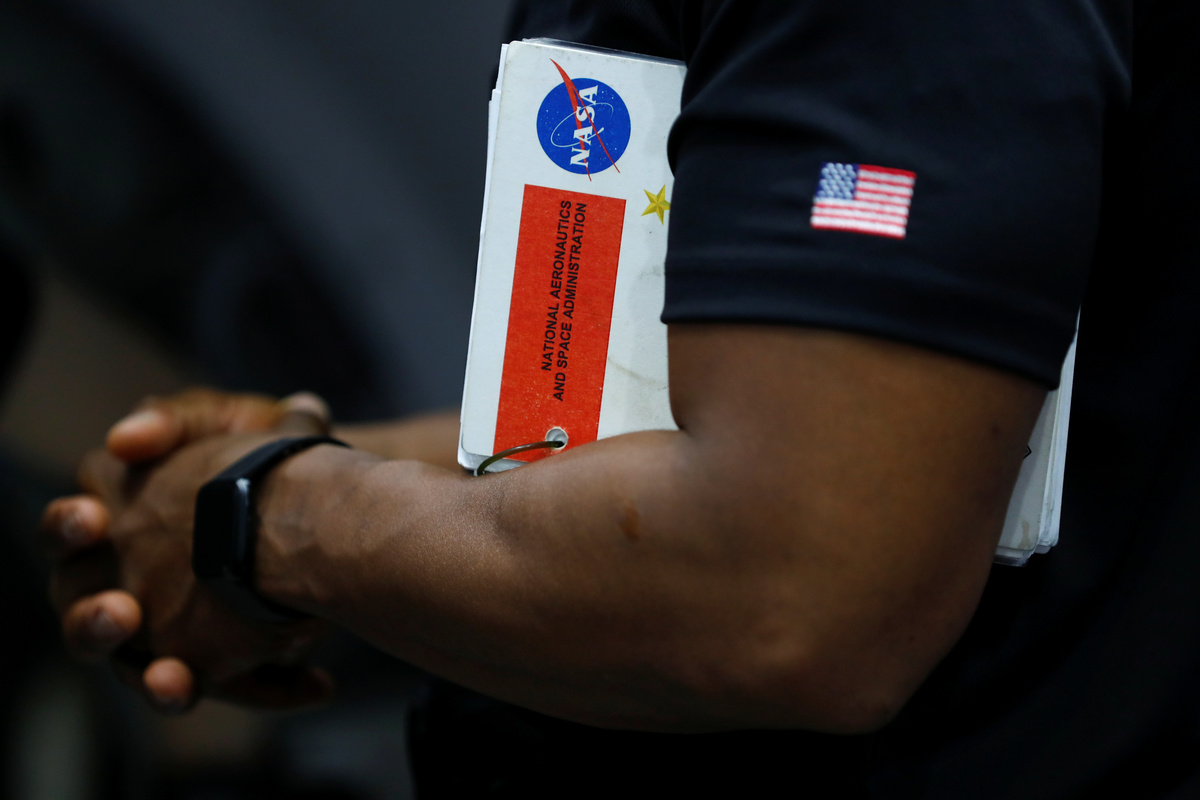
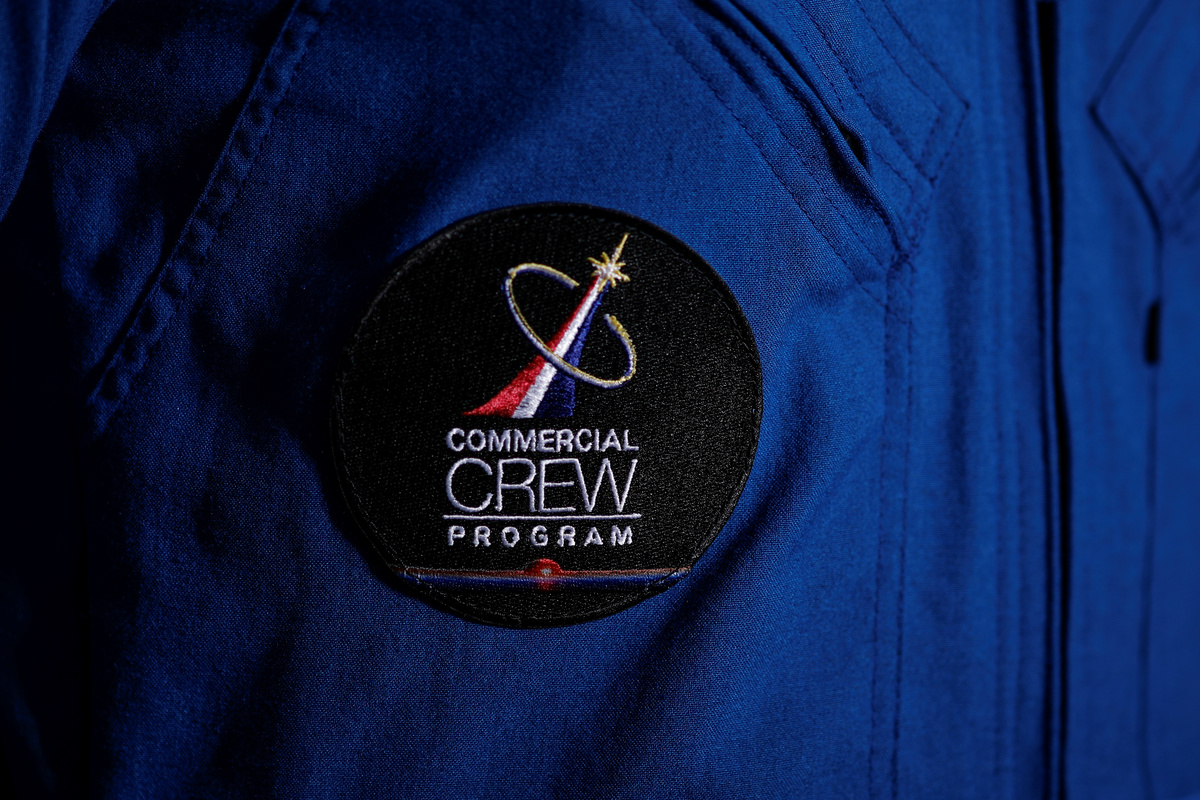
NASA commercial crew astronaut Douglas Hurley poses for a portrait at Johnson Space Center in Houston, Texas, U.S., May 21, 2019. REUTERS/Mike BlakeNASA commercial crew astronauts Douglas Hurley and Bob Behnken pose for a portrait at Johnson Space Center in Houston, Texas, U.S., May 21, 2019. REUTERS/Mike BlakeA view showing a life-size replica of the International Space Station at Johnson Space Center in Houston, Texas, U.S., May 22, 2019. REUTERS/Mike BlakeNASA commercial crew astronauts Michael Hopkins and Victor Glover run through a training session at a replica International Space Station (ISS) at the Johnson Space Center in Houston, Texas, U.S., May 22, 2019. REUTERS/Mike BlakeNASA commercial crew astronauts Michael Hopkins and Victor Glover run through a training session at a replica International Space Station (ISS) at the Johnson Space Center in Houston, Texas, U.S., May 22, 2019. REUTERS/Mike BlakeA view inside a replica science lab of the International Space Station at Johnson Space Center in Houston, Texas, U.S., May 22, 2019. REUTERS/Mike BlakeNASA commercial crew astronauts Michael Hopkins and Victor Glover run through a training session at a replica International Space Station (ISS) at the Johnson Space Center in Houston, Texas, U.S., May 22, 2019. REUTERS/Mike BlakeNASA commercial crew astronauts Victor Glover and Michael Hopkins talk over their flight procedures prior to a training flight in Houston, Texas, U.S., May 21, 2019. REUTERS/Mike BlakeNASA commercial crew astronaut Victor Glover gears up for a training flight in Houston, Texas, U.S., May 21,2019. REUTERS/Mike BlakeNASA astronaut flight gear is shown in a pre-flight ready room in Houston Texas, U.S., May 21, 2019. REUTERS/Mike BlakeNASA commercial crew astronaut Douglas Hurley poses for a portrait at Johnson Space Center in Houston, Texas, U.S., May 21, 2019. REUTERS/Mike BlakeNASA commercial crew astronaut Bob Behnken poses for a portrait at Johnson Space Center in Houston, Texas, U.S., May 21, 2019. REUTERS/Mike BlakeNASA commercial crew astronaut Michael Hopkins poses for a portrait at Johnson Space Center in Houston, Texas, U.S., May 21, 2019. REUTERS/Mike BlakeThe NASA logo is shown on the back jet engine covers of a T38 aircraft in Houston Texas, U.S., May 21, 2019. REUTERS/Mike BlakeNASA commercial crew astronauts Victor Glover and Michael Hopkins walk out to their aircraft prior to a training flight in Houston, Texas, U.S., May 21, 2019. REUTERS/Mike BlakeNASA commercial crew astronaut Michael Hopkins prepares his T38 plane before takeoff during a training flight in Houston, Texas, U.S., May 21, 2019. REUTERS/Mike BlakeNASA commercial crew astronauts Victor Glover climbs into a T38 aircraft for a training flight with fellow astronaut Michael Hopkins in Houston, Texas, U.S., May 21,2019. REUTERS/Mike BlakeNASA commercial crew astronauts Victor Glover and Michael Hopkins taxi their T38 aircraft for a training flight in Houston, Texas, U.S., May 21, 2019. REUTERS/Mike BlakeNASA commercial crew astronauts Victor Glover and Michael Hopkins taxi their T38 aircraft for a training flight in Houston, Texas, U.S., May 21, 2019. REUTERS/Mike BlakeNASA commercial crew astronauts Victor Glover and Michael Hopkins climb after takeoff in their T38 aircraft during a training flight in Houston, Texas, U.S. May 21, 2019. REUTERS/Mike BlakeNASA commercial crew astronaut and Michael Hopkins talk over their flight procedures with fellow astronaut Victor Glover prior to a training flight in Houston, Texas, U.S., May 21, 2019. REUTERS/Mike BlakeNASA commercial crew astronauts Victor Glover and Michael Hopkins walk out to their aircraft prior to a training flight in Houston, Texas, U.S., May 21, 2019. REUTERS/Mike BlakeNASA commercial crew astronauts Victor Glover, Michael Hopkins, Bob Behnken and Douglas Hurley gather for a group photo at Johnson Space Center in Houston, Texas, U.S., May 21, 2019. REUTERS/Mike BlakeThe crew notebook of NASA commercial crew astronaut Victor Glover is shown as he trains inside a replica International Space Station at the the Johnson Space Center in Houston, Texas, U.S., May 22, 2019. REUTERS/Mike BlakeA NASA commercial Crew patch is worn by astronaut Bob Behnken at Johnson Space Center in Houston, Texas, U.S., May 21, 2019. REUTERS/Mike Blake
Sign up to read this article
Read news from 100’s of titles, curated specifically for you.