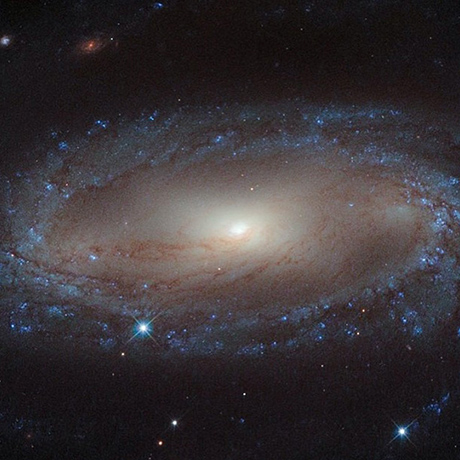
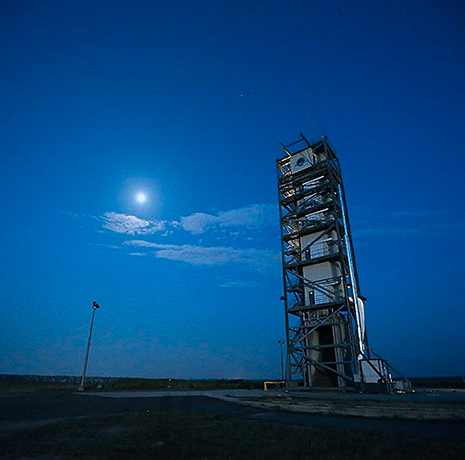
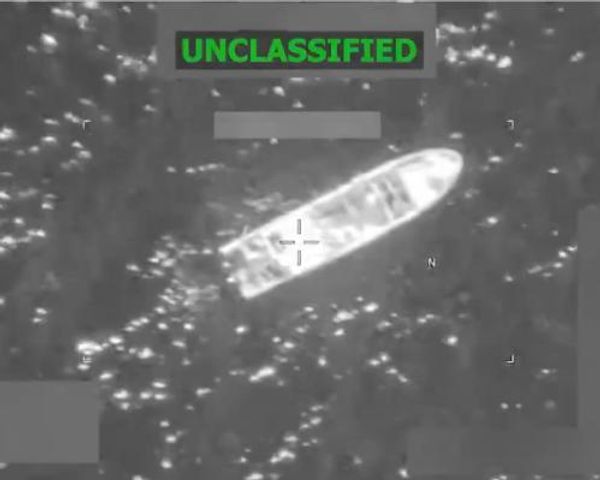
Hubble catches 'a spiral in the air pump' more than 110m light years away from Earth in the constellation of Antlia (also known as The Air Pump) Photograph: Hubble/European Space Agency/NASAThe Lunar Atmosphere and Dust Environment Explorer (LADEE) heads for the moon after launching on a Minataur V rocket Friday night from the Wallops Flight Facility in VirginiaPhotograph: NASANasa's black-hole-hunter spacecraft, the Nuclear Spectroscopic Telescope Array, or NuSTAR, has 'bagged' its first 10 supermassive black holesPhotograph: JPL-Caltech/NASA
Earth, as seen on 7 September 2013 by the Geostationary Operational Environmental Satellites (GOES) satellitePhotograph: NOAA GOES Project /NASAThe Earth as seen from the moonPhotograph: NASAThe lunar farside as never seen before, photographed by Lunar Reconnaissance Orbiter wide-angle cameraPhotograph: Goddard/Arizona State University/NASAAn evening view of LADEE's gantry at the Mid-Atlantic Regional Spaceport, at Nasa's Wallops Flight Facility in Wallops Island, Virginia on 4 September 2013Photograph: NASAThe moon as seen from the space stationPhotograph: NASAScientists remotely detected magmatic water, or water that originates from deep within the moon’s interior, on the surface of the moonPhotograph: NASAThis image of sea surface heights in the Pacific Ocean from Nasa's Jason-2 satellite shows that the equatorial Pacific Ocean is now in its 16th month of being locked in what some call a neutral, or 'La Nada' state. 'La Nadas' make long-range climate forecasting more difficult due to their greater unpredictabilityPhotograph: JPL/Caltech/NASA
Sign up to read this article
Read news from 100’s of titles, curated specifically for you.