NASA announced an overhaul of its ambitious Artemis lunar program Friday morning, adding a new preparatory mission in 2027 that Administrator Jared Isaacman said was the “only way forward.”
NASA is still planning its moon landing mission for 2028 - returning astronauts to the lunar surface for the first time in more than 50 years - but now says there could be two landings in the beginning and end of that year.
The space agency expects to launch the additional flight in mid 2027, carrying out tests of new commercial lunar landers in low-Earth orbit. The changes are aimed at getting the program “back to basics,” Isaacman said, including increasing the rate of launches.
“We didn’t go right to Apollo 11,” Isaacman said at a press conference at NASA’s Kennedy Space Center in Cape Canaveral, Florida. “We had a whole Mercury Program, Gemini - lots of Apollo missions before we ultimately landed right.”
“Now, our program is essentially set up with an Apollo 8 and then going right to the moon. That is, again, not a pathway to success,” he added.
Amit Kshatriya, NASA's associate administrator, said that the revisions were needed to ensure the missions are safe and that the agency’s timeline is credible.
“It’s challenging, it’s ambitious, but with this course correction we are in a more stable foundation, a more realistic path to the milestones we have ahead,” he said.
NASA has been struggling to launch its Artemis II mission this year, which would send four astronauts on a trip around the moon. The astronauts include NASA astronauts Reid Wiseman, Victor Glover and Christina Koch, as well as the Canadian Space Agency’s Jeremy Hansen.
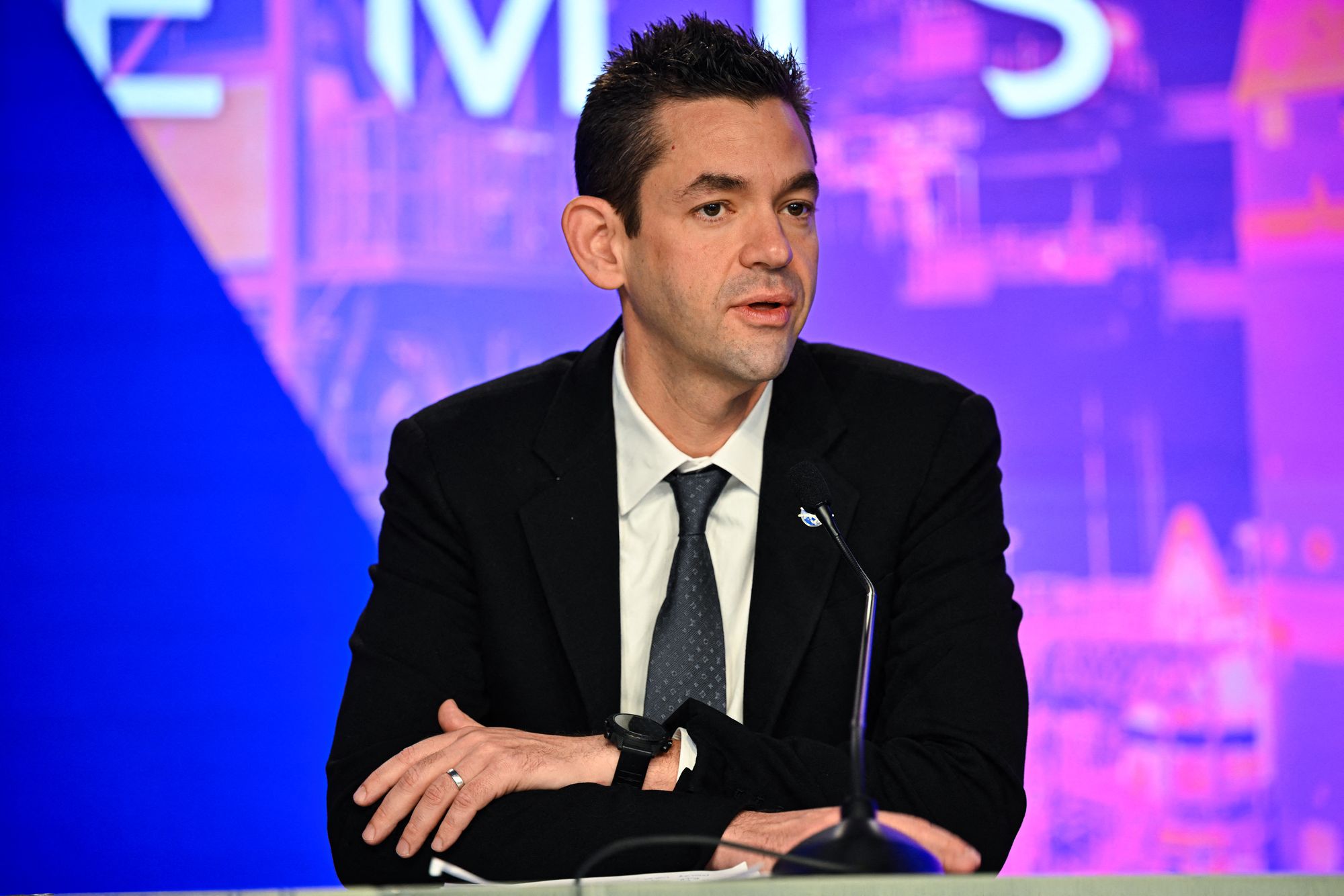
The mission has been pushed to the beginning of April at the earliest following a helium issue with NASA’s Space Launch System rocket. NASA is currently working on repairing the 322-foot rocket in Florida.
“The response of our team was exactly what we should be doing,” Moon to Mars Program Manager Dr. Lori Glaze said Friday.
Artemis I, the first phase of the Artemis program, successfully launched in November 2022, sending the mega moon rocket - without humans - around the moon and back.
The Artemis program is the first part of NASA’s Moon to Mars architecture, eventually aiming to send humans to the Red Planet for the first time.