NASA eyeing inflatable space lodges for moon, Mars and beyond
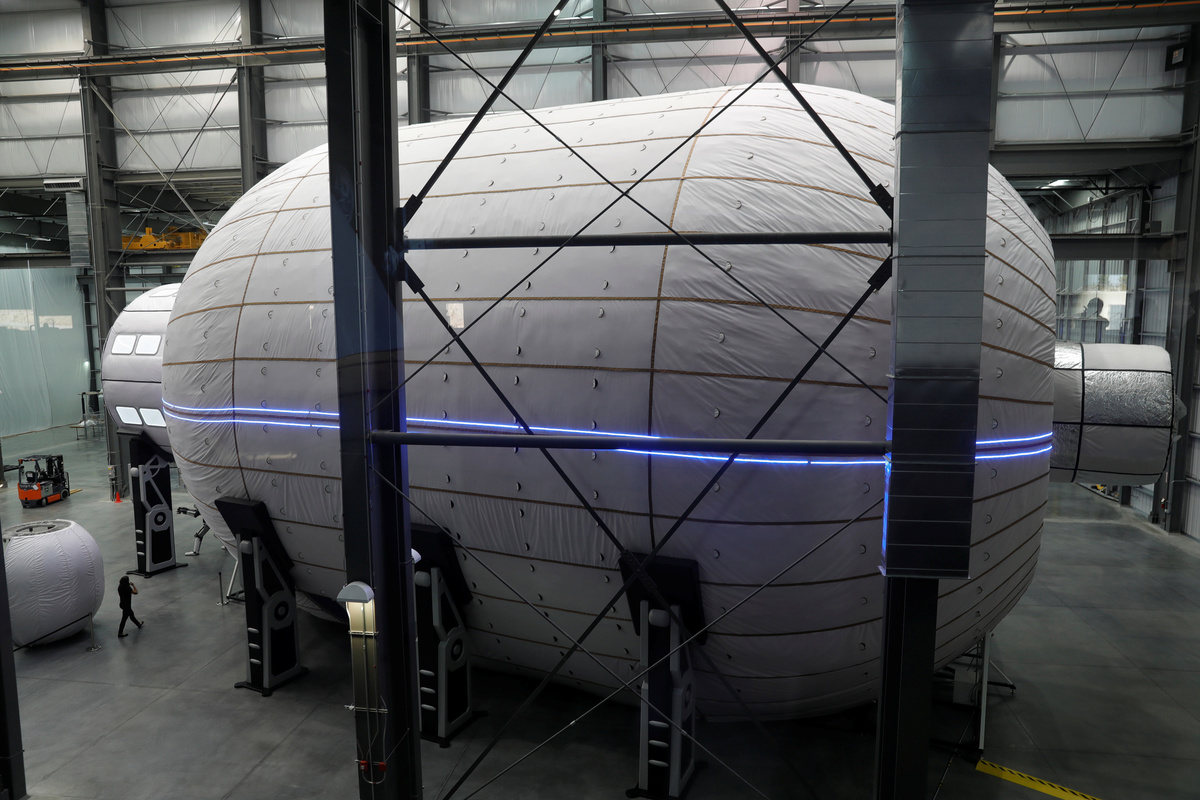
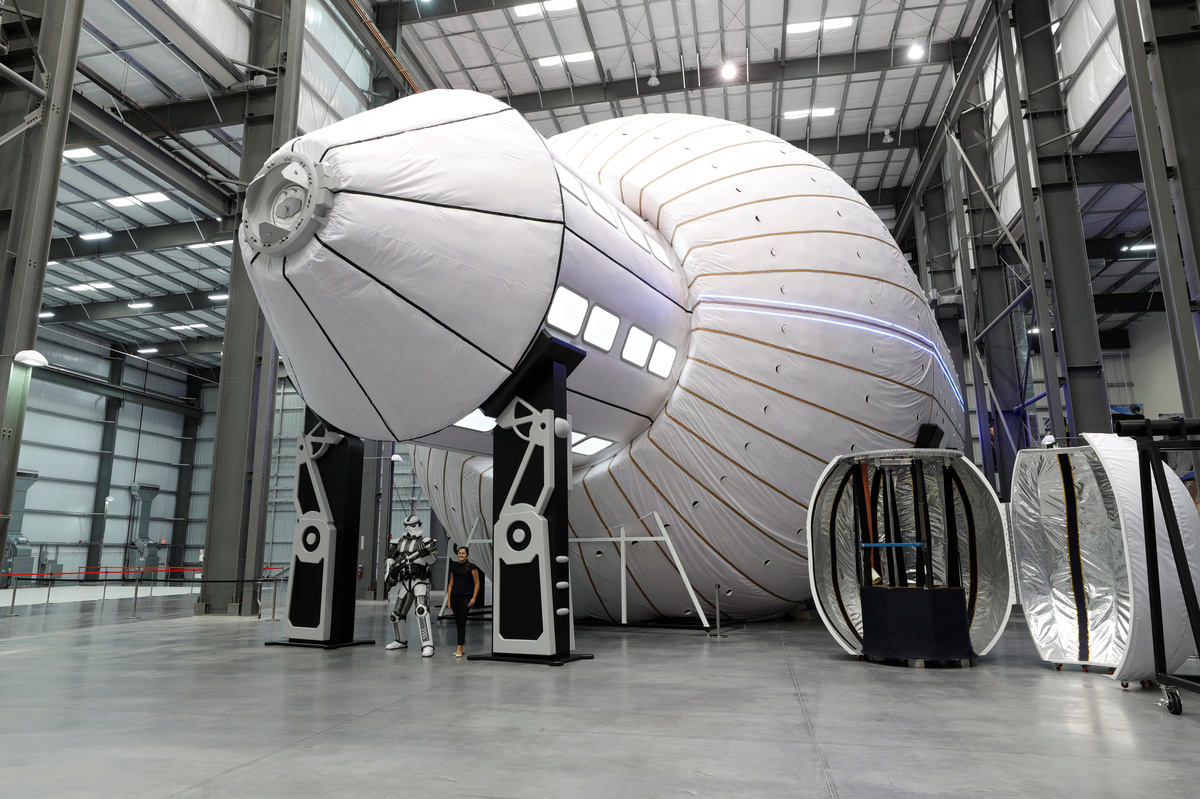
A woman walks by Olympus, a conceptual design for a large space station with 2,250 cubic meters of volume, at Bigelow Aerospace in North Las Vegas, Nevada, U.S. September 12, 2019. Picture taken September 12, 2019. REUTERS/Steve Marcus
LAS VEGAS (Reuters) - When astronauts orbit the moon or live on its surface in the decade ahead, they will probably be doing so inside inflatable space lodges now in development.
Dozens of NASA officials and veteran astronauts are wrapping up a review of five space habitat mockups built by different companies. The mockups offer the U.S. space agency ideas for an ideal Gateway - the planned research outpost in lunar orbit that will house and transfer astronauts to the surface of the moon.
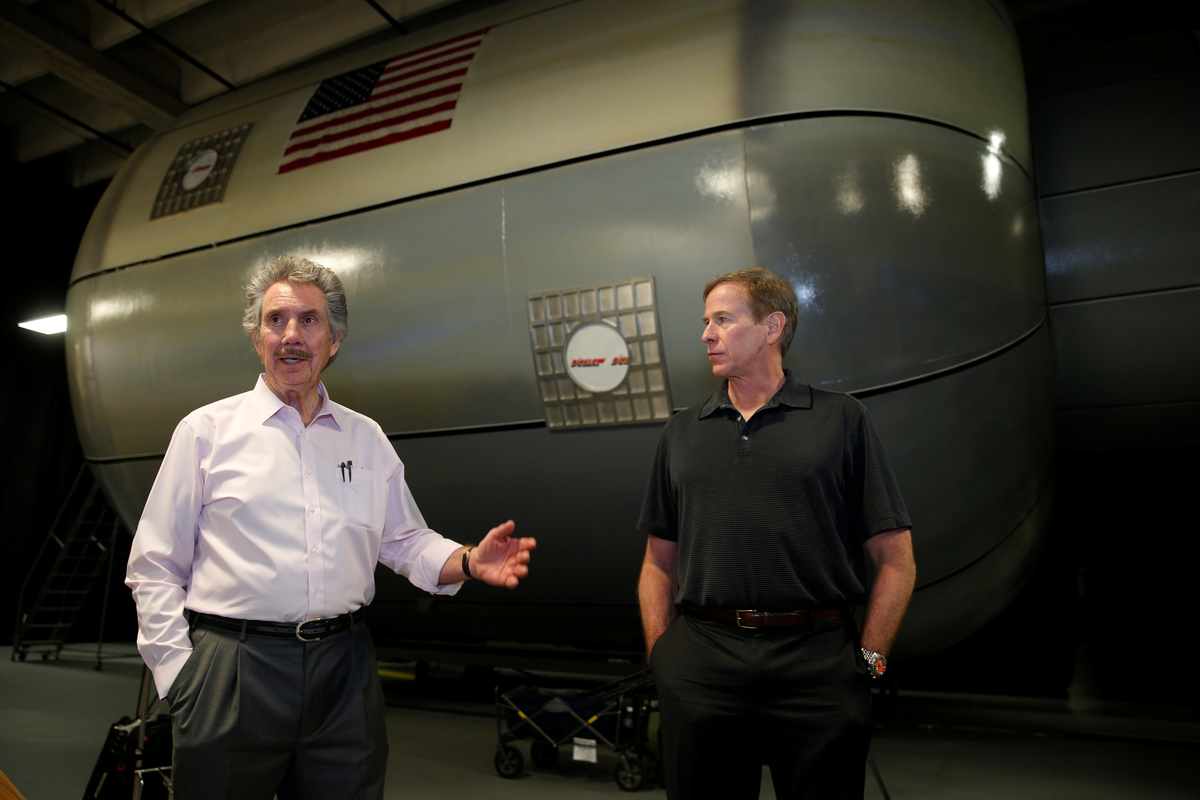
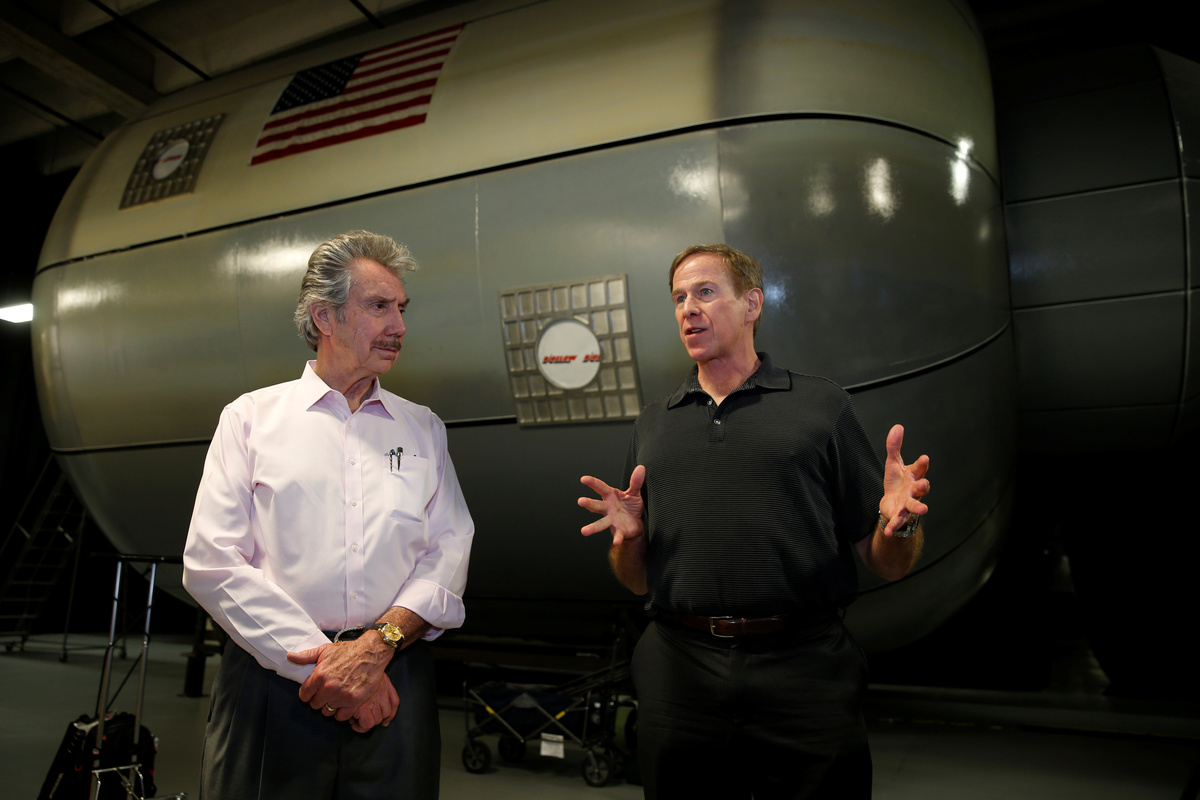
Robert Bigelow, (L) founder and president of Bigelow Aerospace, speaks by a 1:6 scale mock-up of a base space station featuring a B330 inflatable unit during a tour of Bigelow Aerospace in North Las Vegas, Nevada, U.S. September 12, 2019. Picture taken September 12, 2019. REUTERS/Steve Marcus
“The whole point is to define what we like and what we don’t like about these different habitats,” NASA astronaut Mike Gernhardt, principal investigator for the testing campaign, told Reuters.
He and his team were making a final inspection recently in Las Vegas, Nevada at the headquarters of Bigelow Aerospace, a space habitat company founded by hotel chain billionaire Robert Bigelow.
U.S. Vice President Mike Pence in March told NASA to land its first crew of astronauts on the moon by 2024. That accelerated timeline spawned the space agency’s Artemis program, which calls for privately built lunar landers, robotic rovers and Lunar Gateway — a modular space station in orbit around the Moon with living quarters for astronauts, a lab for science and ports for visiting spacecraft."Gateway is an opportunity to test all these structures in a deep space environment... as a prelude to going to Mars," Bigelow told reporters. "Potentially we think that for the rest of this century, the expandable architecture is where it's at."
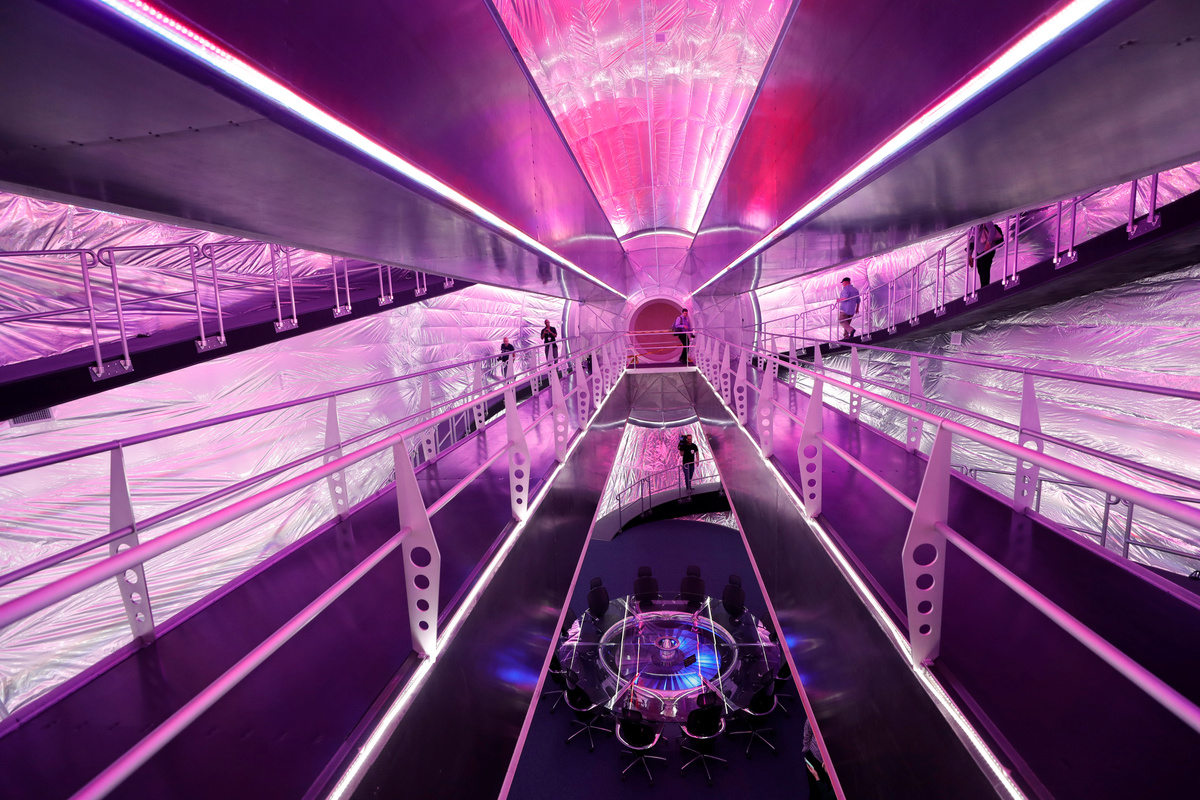
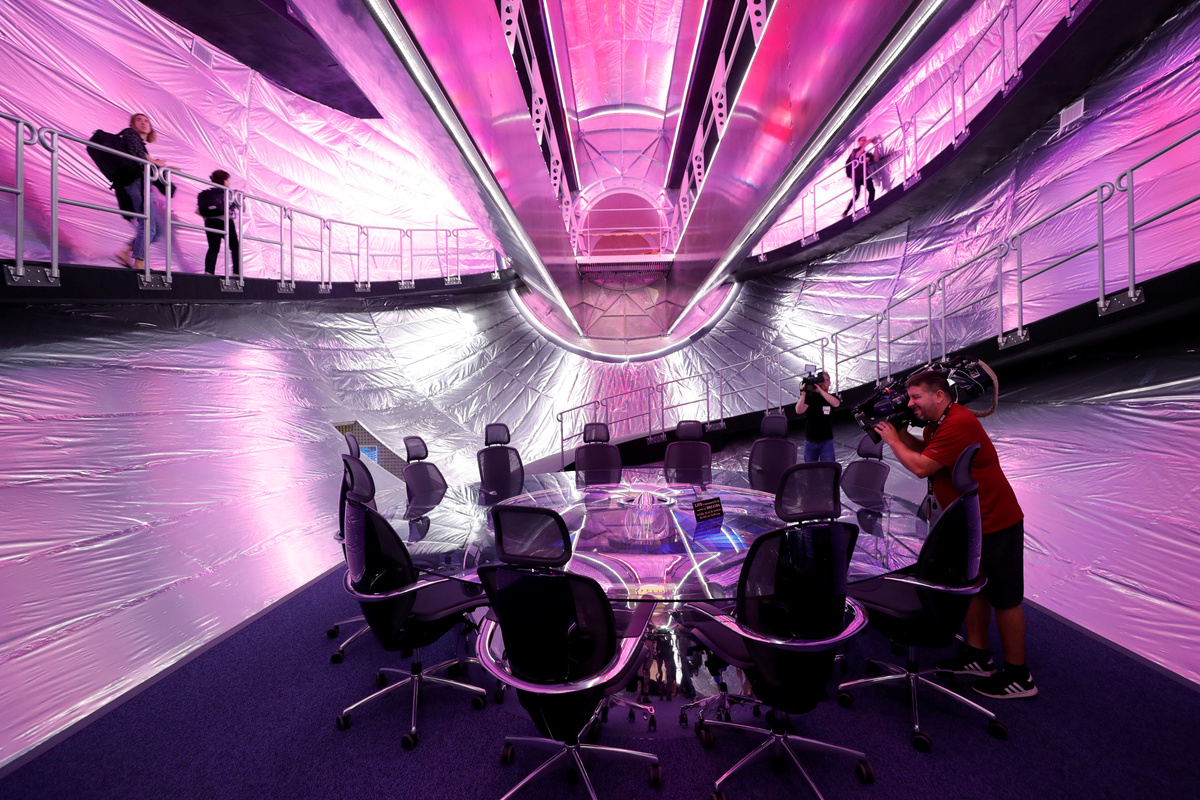
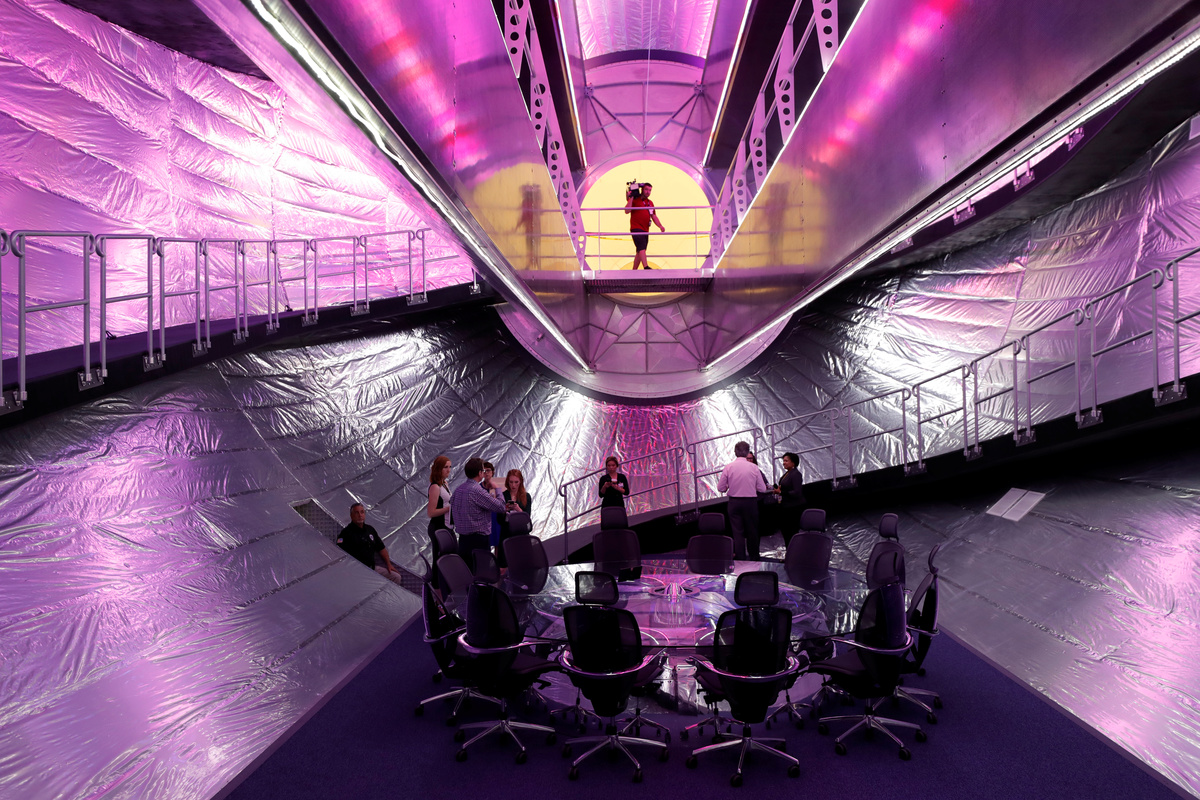
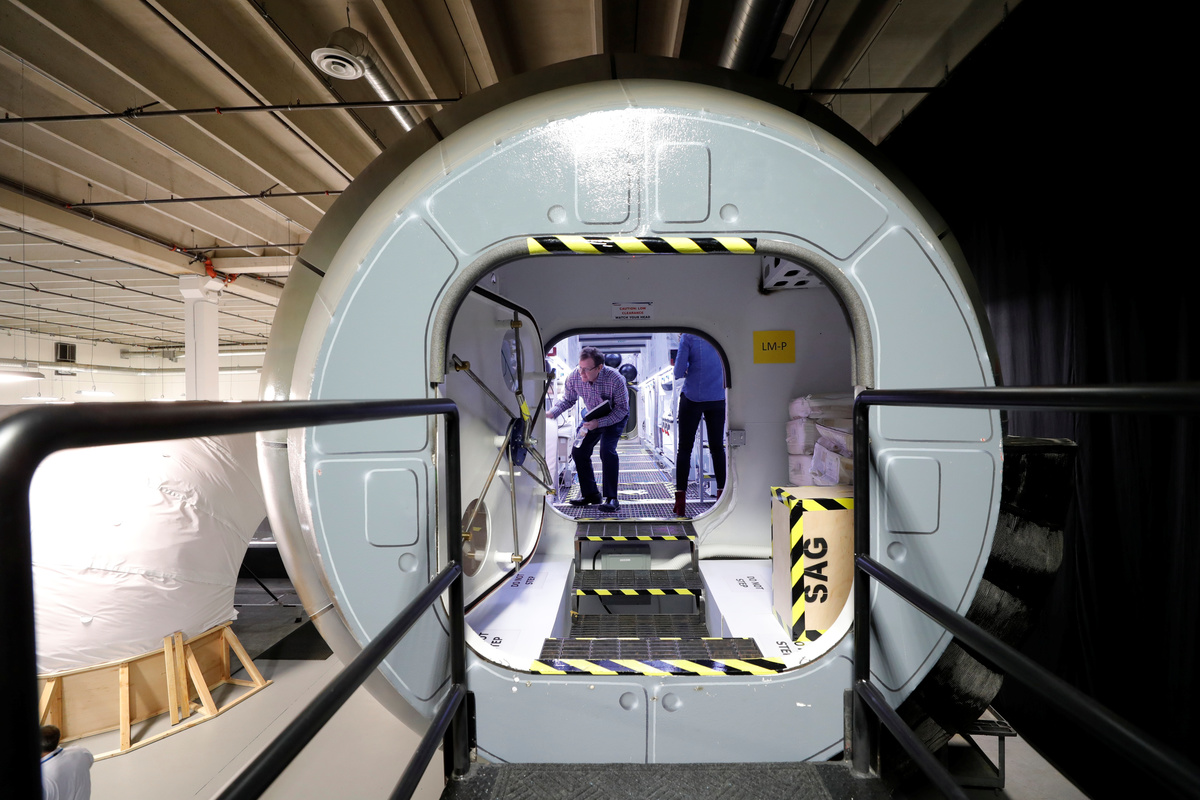
Journalists tour the interior of Olympus, a conceptual design for a large space station with 2,250 cubic meters of volume, at Bigelow Aerospace in North Las Vegas, Nevada, U.S. September 12, 2019. Picture taken September 12, 2019. REUTERS/Steve Marcus
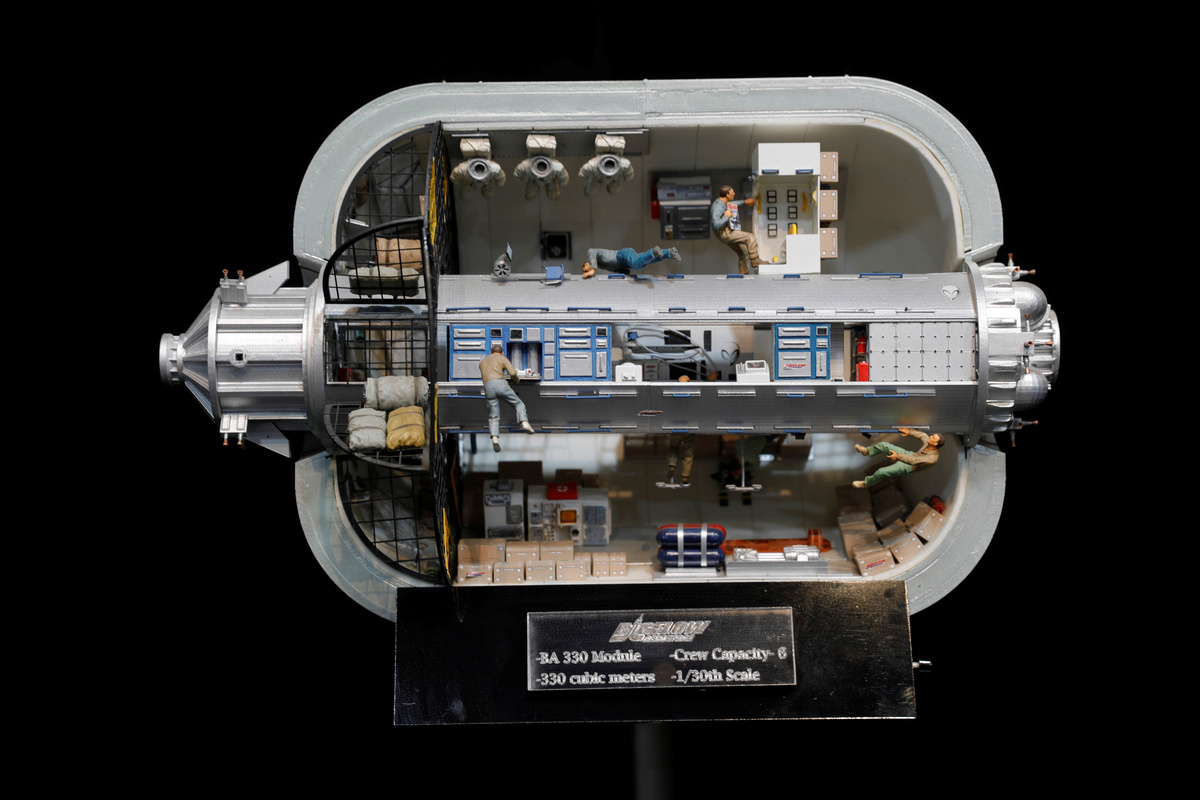
Bigelow's B330 habitat, launched from Earth compacted inside a rocket, is made of a fabric-like material designed to shield inhabitants from deep-space radiation and high-speed space debris. Once docked alongside other Gateway modules in lunar orbit, the habitat unfurls into a two-story, 55-foot-long (16-meter-long) outpost that up to six astronauts could stay in.
The lunar space habitat and colonization program is expected to cost over a billion dollars through 2028.
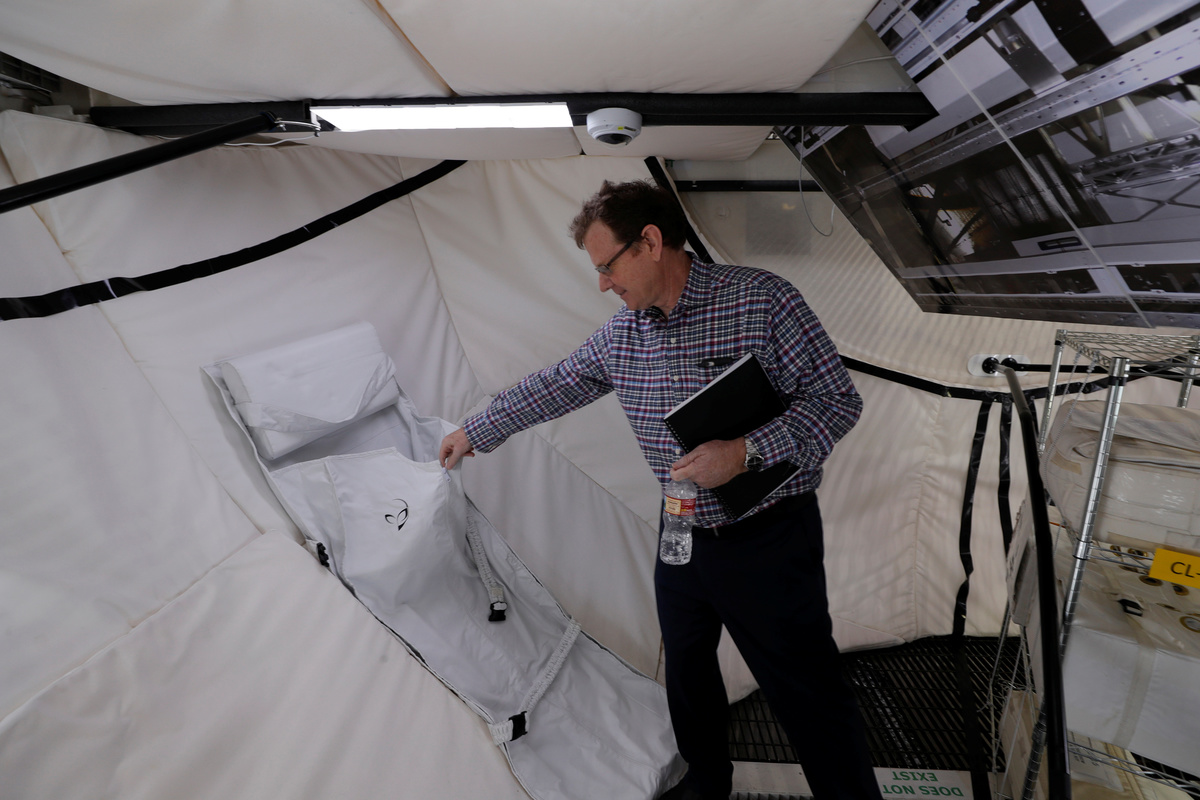
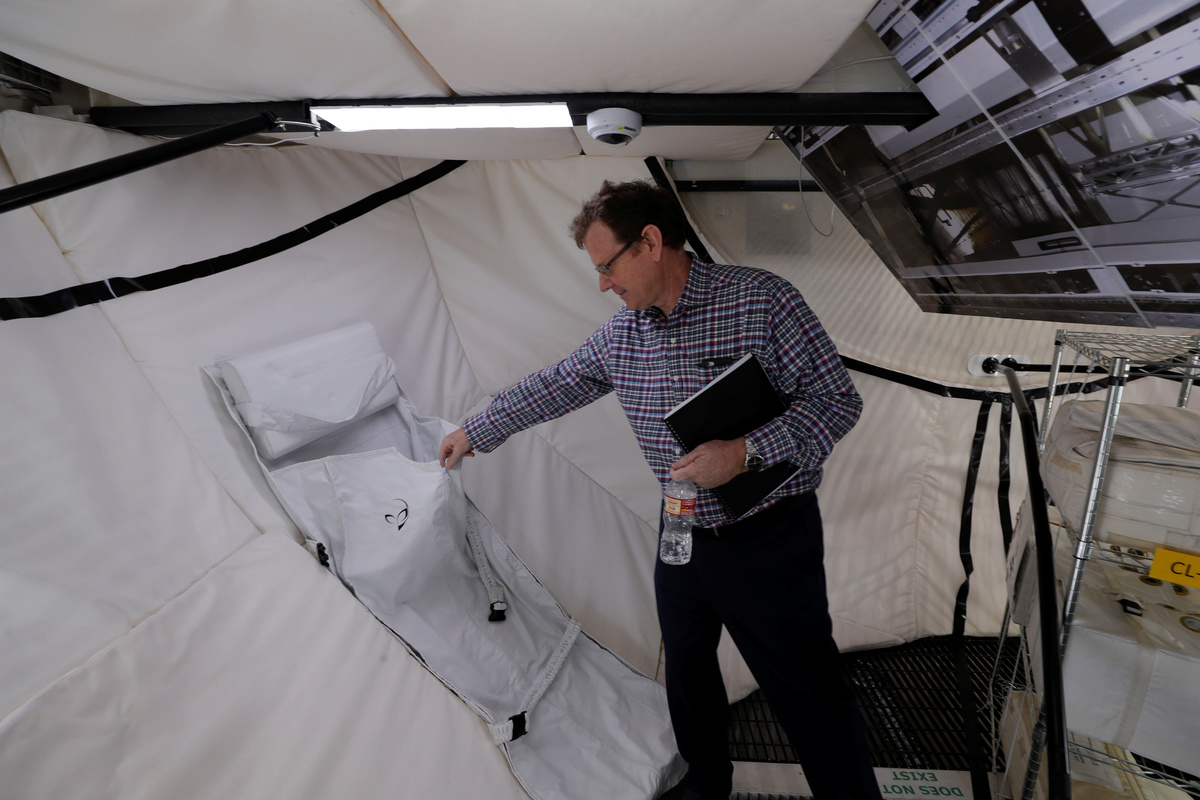
Colm Kelleher, deputy program manager for Bigelow Aerospace, holds open a sleeping area in a B330 inflatable space station testing unit during a tour of Bigelow Aerospace in North Las Vegas, Nevada, U.S. September 12, 2019. Picture taken September 12, 2019. REUTERS/Steve Marcus
TOILETS, BEDS AND WINDOWS
Four other companies are doing mockups: Boeing Co, Northrop Grumman, Sierra Nevada Corporation, and Lockheed Martin.
Each of the companies received a chunk of the $65 million that NASA allotted in 2017 to develop the prototypes. The space agency’s proposed funding for 2020 includes $500 million to kickstart development of an initial version of Gateway.
Journalists tour the interior of Olympus, a conceptual design for a large space station with 2,250 cubic meters of volume, at Bigelow Aerospace in North Las Vegas, Nevada, U.S. September 12, 2019. Picture taken September 12, 2019. REUTERS/Steve Marcus
The companies are giving NASA ideas — such as where to place astronaut toilets, how big the beds should be and how many windows the station should have. Those will inform a blueprint that NASA is due to release in the coming months.
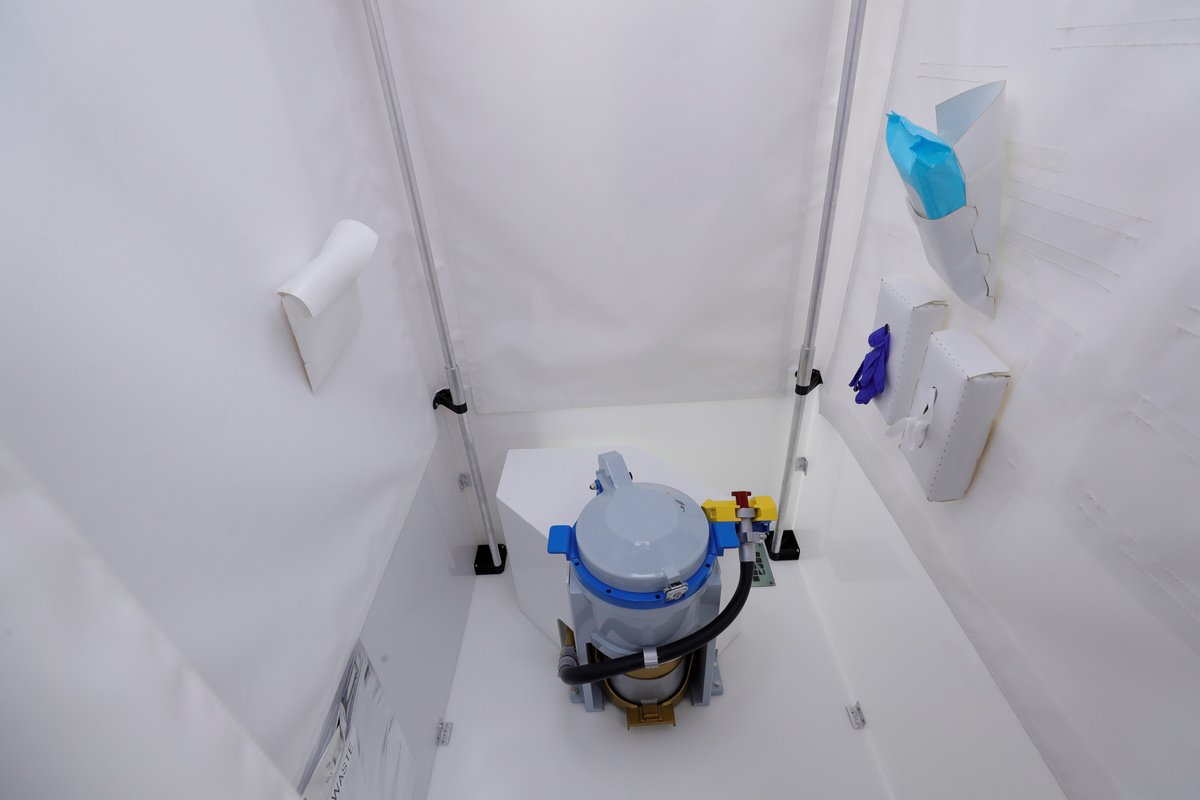
NASA wants the habitats to include exercise equipment, a small kitchen, noise-cancelling sleep stations that also block out light and “a reliable and easy-to-use toilet that’s in a location that minimizes the potential for cross contamination with science and meal preparation activities,” Gernhardt told Reuters.
Gernhardt and two other astronauts spent three days living in each prototype habitat.
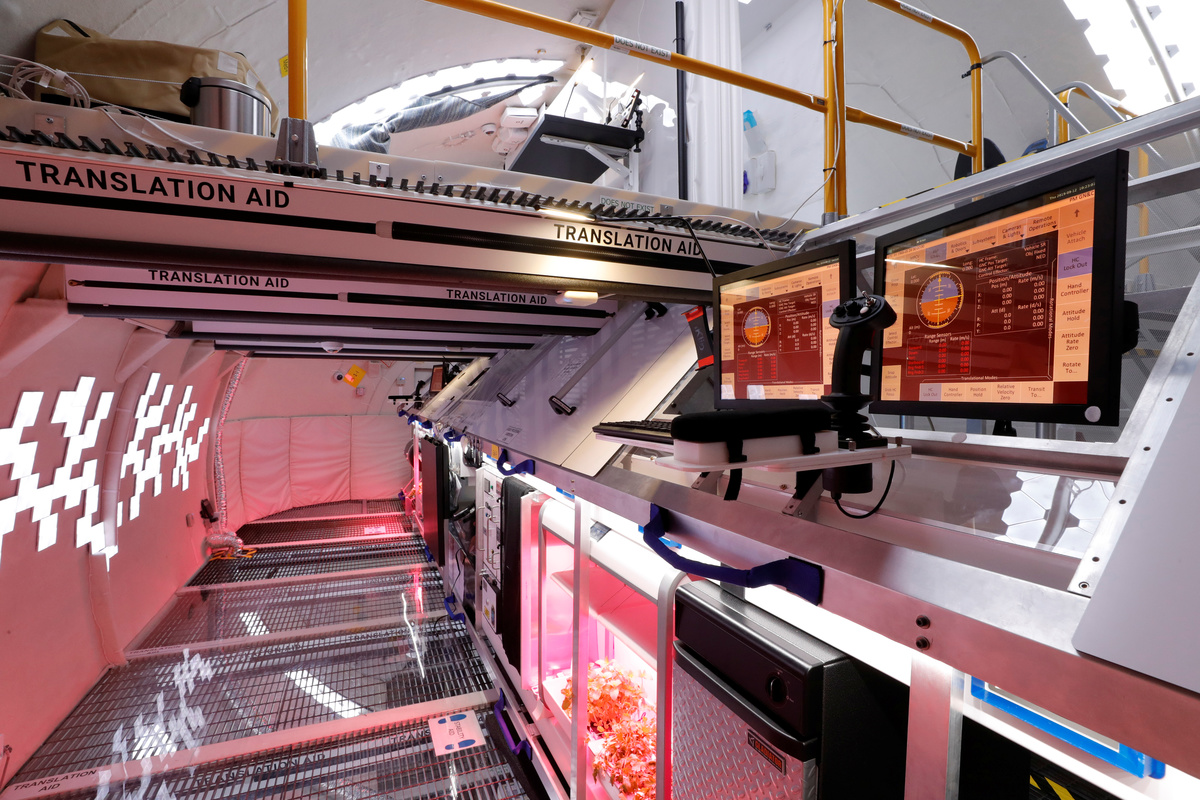
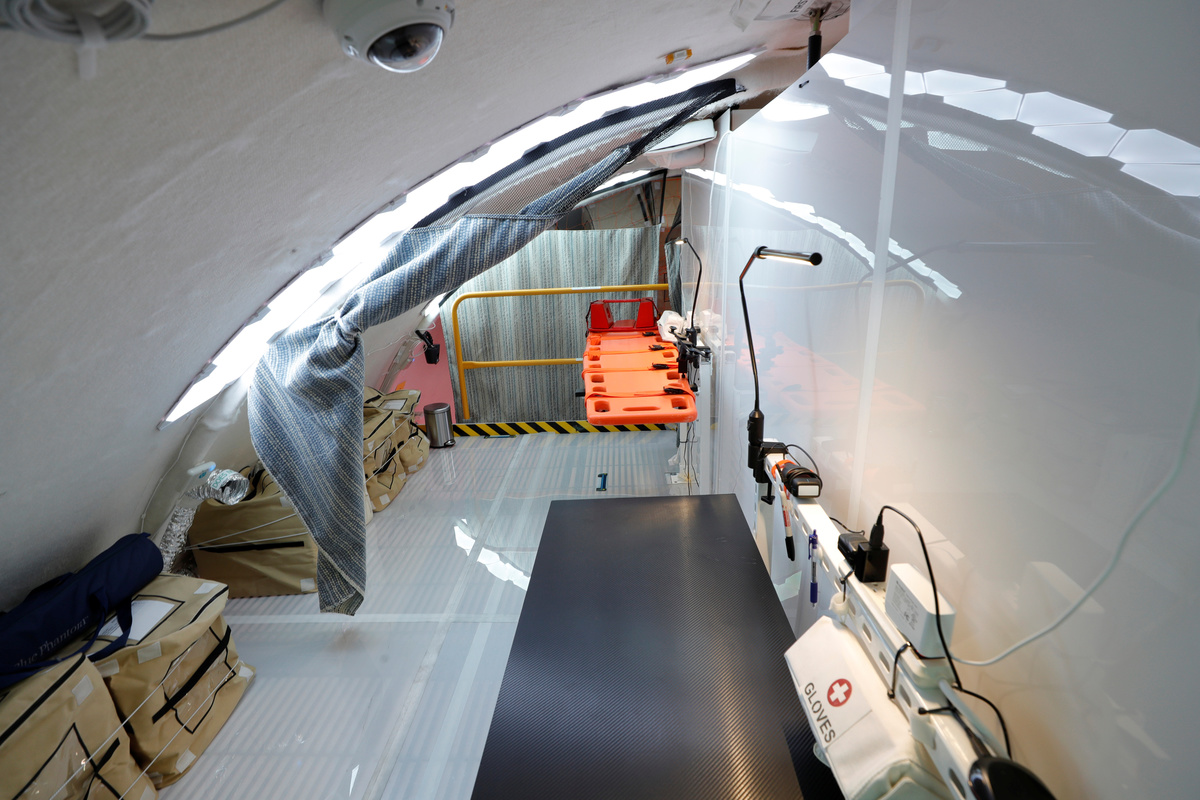
A multipurpose workstation (R) is shown in a Bigelow Aerospace B330 inflatable space station testing unit during a tour of Bigelow Aerospace in North Las Vegas, Nevada, U.S. September 12, 2019. Picture taken September 12, 2019. (An actual station would not have walkways or stairs.) REUTERS/Steve Marcus
For its Gateway habitat mockup, Lockheed Martin is outfitting beds, tables and windows in a 15-foot-wide and roughly 22-foot-long stainless steel structure originally designed as a shipping container to carry supplies to and from the International Space Station.
"The space that you’re living in has to be reconfigurable for the task at hand,” Bill Pratt, Lockheed’s habitat program manager, told Reuters. “Like in an RV, your table becomes the bed that you sleep on at night.”
Bigelow said his B330 habitat has two toilets for a crew of up to six to use, and that entertainment in the form of virtual-reality Earth simulations for astronauts to feel at home was in the works for future habitats that will revolve around Mars.
Colm Kelleher, deputy program manager for Bigelow Aerospace, holds open a sleeping area in a B330 inflatable space station testing unit during a tour of Bigelow Aerospace in North Las Vegas, Nevada, U.S. September 12, 2019. Picture taken September 12, 2019. REUTERS/Steve Marcus
(Reporting by Joey Roulette; editing by Bill Tarrant and Cynthia Osterman)
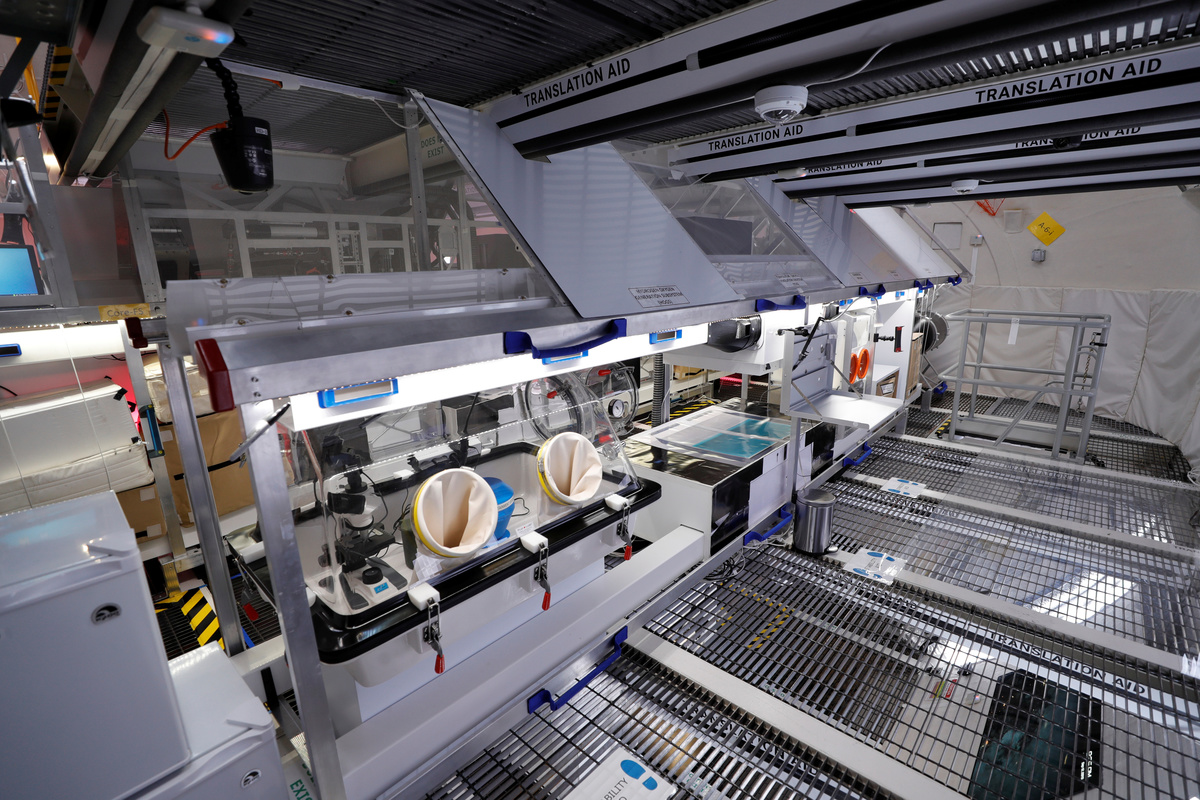
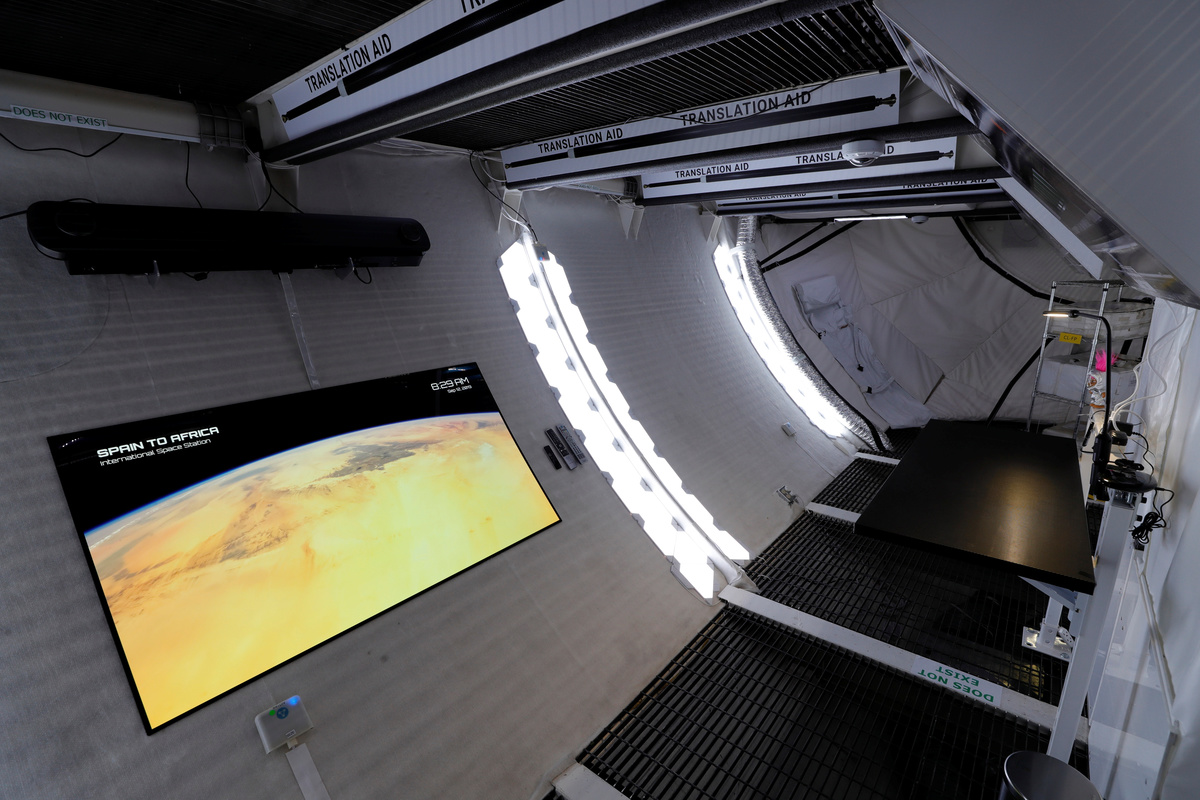
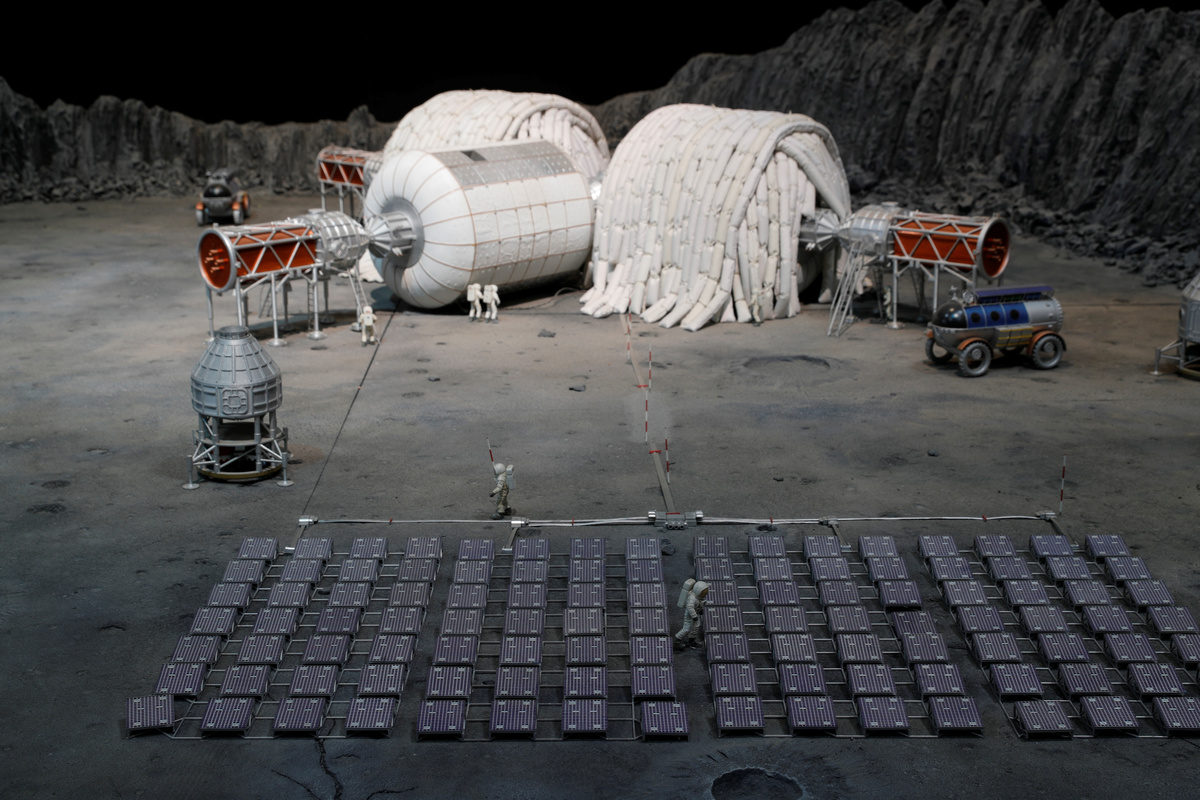
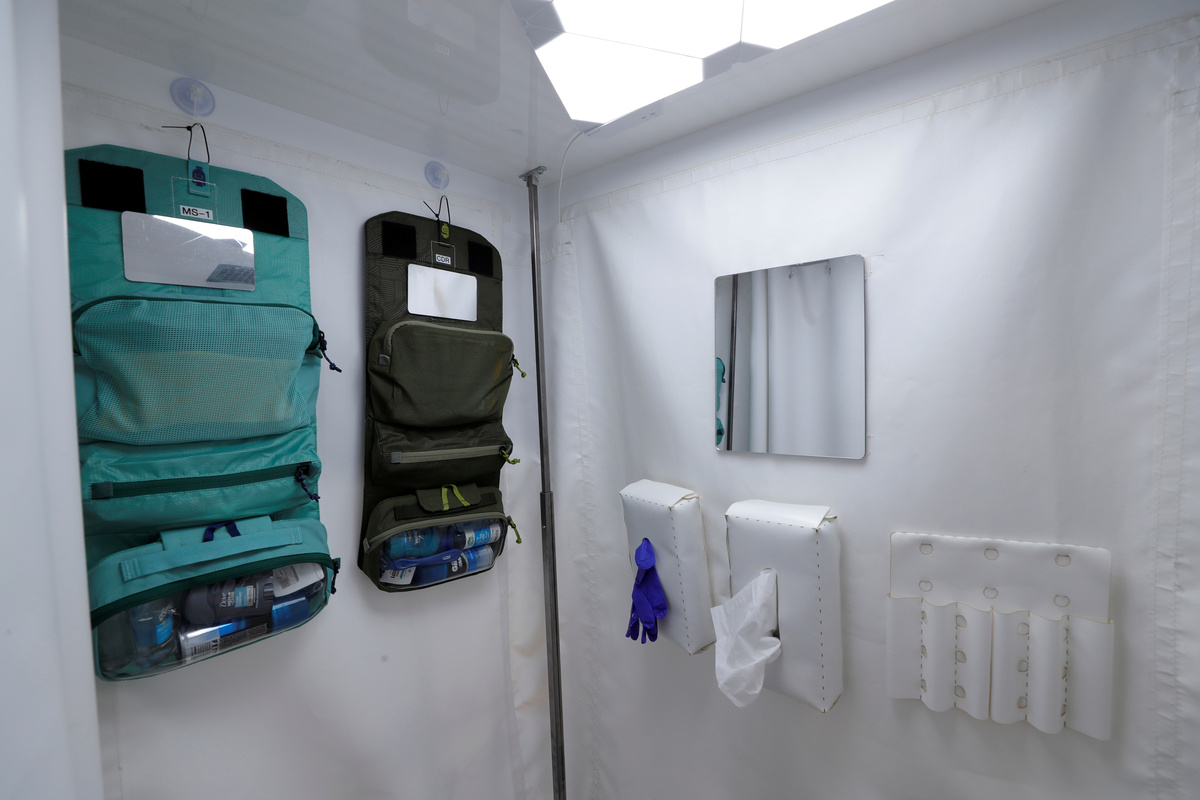
A work area is shown in a Bigelow Aerospace B330 inflatable space station testing unit during a tour of Bigelow Aerospace in North Las Vegas, Nevada, U.S. September 12, 2019. Picture taken September 12, 2019. (An actual station would not have walkways or stairs.) REUTERS/Steve MarcusA video monitor, for taking a live feed as a replacement for a window or for crew entertainment, is shown in a Bigelow Aerospace B330 inflatable space station testing unit during a tour of Bigelow Aerospace in North Las Vegas, Nevada, U.S. September 12, 2019. Picture taken September 12, 2019. REUTERS/Steve MarcusA medical area is shown in a Bigelow Aerospace B330 inflatable space station testing unit during a tour of Bigelow Aerospace in North Las Vegas, Nevada, U.S. September 12, 2019. Picture taken September 12, 2019. REUTERS/Steve MarcusJournalists tour the interior of Olympus, a conceptual design for a large space station with 2,250 cubic meters of volume, at Bigelow Aerospace in North Las Vegas, Nevada, U.S. September 12, 2019. Picture taken September 12, 2019. REUTERS/Steve MarcusA model of a lunar base featuring Bigelow Aerospace B330 inflatable space stations is displayed during a tour of Bigelow Aerospace in North Las Vegas, Nevada, U.S. September 12, 2019. Picture taken September 12, 2019. REUTERS/Steve MarcusOlympus, a conceptual design for a large space station with 2,250 cubic meters of volume, is displayed during a tour of Bigelow Aerospace in North Las Vegas, Nevada, U.S. September 12, 2019. Picture taken September 12, 2019. REUTERS/Steve MarcusRobert Bigelow, (L) founder and president of Bigelow Aerospace, and NASA astronaut Mike Gernhardt, principal investigator for the NextSTEP Habitat Testing Program, speak in front of a B330 inflatable space station testing unit during a tour of Bigelow Aerospace in North Las Vegas, Nevada, U.S. September 12, 2019. Picture taken September 12, 2019. REUTERS/Steve MarcusRobert Bigelow, (L) founder and president of Bigelow Aerospace, and NASA astronaut Mike Gernhardt, principal investigator for the NextSTEP Habitat Testing Program, take questions from journalists in front of a B330 inflatable space station testing unit during a tour of Bigelow Aerospace in North Las Vegas, Nevada, U.S. September 12, 2019. Picture taken September 12, 2019. REUTERS/Steve MarcusOne of two toilets is shown in a Bigelow Aerospace B330 inflatable space station testing unit during a tour of Bigelow Aerospace in North Las Vegas, Nevada, U.S. September 12, 2019. Picture taken September 12, 2019. REUTERS/Steve MarcusAn airlock is shown at the entrance of a Bigelow Aerospace B330 inflatable space station testing unit during a tour of Bigelow Aerospace in North Las Vegas, Nevada, U.S. September 12, 2019. Picture taken September 12, 2019. REUTERS/Steve MarcusA cutaway display model shows the interior of a Bigelow Aerospace B330 inflatable space station during a tour of Bigelow Aerospace in North Las Vegas, Nevada, U.S. September 12, 2019. Picture taken September 12, 2019. REUTERS/Steve MarcusRobert Bigelow, founder and president of Bigelow Aerospace, takes questions from journalists during a tour of Bigelow Aerospace in North Las Vegas, Nevada, U.S. September 12, 2019. Picture taken September 12, 2019. REUTERS/Steve MarcusA hygiene area is shown in a Bigelow Aerospace B330 inflatable space station testing unit during a tour of Bigelow Aerospace in North Las Vegas, Nevada, U.S. September 12, 2019. Picture taken September 12, 2019. REUTERS/Steve MarcusA model of a Mars base featuring Bigelow Aerospace B330 inflatable space stations is displayed during a tour of Bigelow Aerospace in North Las Vegas, Nevada, U.S. September 12, 2019. Picture taken September 12, 2019. REUTERS/Steve MarcusRobert Bigelow, founder and president of Bigelow Aerospace, speaks during a tour of Bigelow Aerospace in North Las Vegas, Nevada, U.S. September 12, 2019. Picture taken September 12, 2019. REUTERS/Steve MarcusRobert Bigelow, founder and president of Bigelow Aerospace, responds to questions during a tour of Bigelow Aerospace in North Las Vegas, Nevada, U.S. September 12, 2019. Picture taken September 12, 2019. REUTERS/Steve MarcusA model of a space station featuring four Bigelow Aerospace B330 inflatable units is displayed during a tour of Bigelow Aerospace in North Las Vegas, Nevada, U.S. September 12, 2019. Picture taken September 12, 2019. REUTERS/Steve Marcus
Sign up to read this article
Read news from 100's of titles, curated specifically for you.













.png?w=600)