Nasa may have to evacuate an astronaut from the International Space Station due to an undisclosed medical issue, the US space agency has said.
A spacewalk planned for Thursday has already been postponed while the situation is being evaluated. No details have been shared concerning the nature of the problem or which astronaut is affected.
“The agency is monitoring a medical concern with a crew member that arose Wednesday afternoon aboard the orbital complex,” Nasa said in a statement.
“Due to medical privacy, it is not appropriate for Nasa to share more details about the crew member. The situation is stable. Nasa will share additional details, including a new date for the upcoming spacewalk, later.”
In an email to Space.com, the US space agency reportedly said that it is “actively evaluating all options”, including the possibility of ending Crew-11’s mission early.
“These are the situations Nasa and our partners train for and prepare to execute safely,” the email stated. “We will provide further updates within the next 24 hours.”
The Independent has reached out to Nasa for further information.
The Crew-11 mission consists of four astronauts: Zena Cardman and Michael Fincke from Nasa, Kimiya Yyui from Japanese space agency JAXA, and Oleg Platonov from Russia’s Roscosmos.
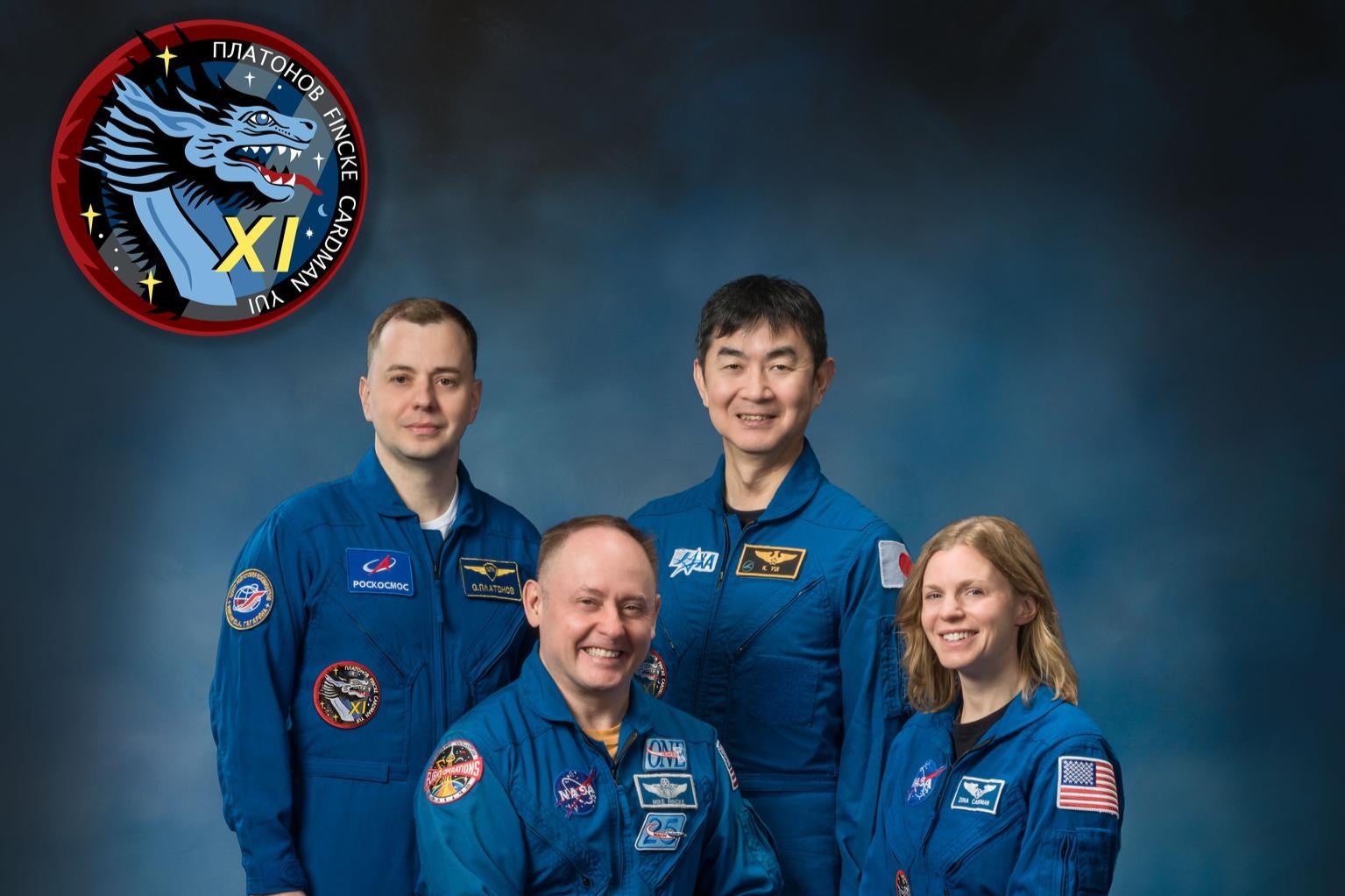
The four members arrived at the ISS on 2 August, 2025, after launching aboard a SpaceX rocket from Florida.
The mission was set to last a minimum of six months in orbit, with objectives including a simulated Moon landing scenario ahead of Nasa’s upcoming Artemis campaign.
An early end to the mission would mark the first medical evacuation from the orbiting laboratory in its history, having been continuously occupied by astronauts for the last 25 years.
Previous medical emergencies have been treated onboard the ISS, including an incident that involved an unnamed astronaut suffering a blood clot in their jugular vein.
This potentially life-threatening incident was treated using blood thinners from the ISS’s pharmacy.
Nasa discovers entirely new kind of object in space
This year’s first supermoon and meteor shower to compete for dominance
The moon and sun share top billing in cosmic wonders to look out for next year
Scientists find ‘record-breaking’ asteroid nearly the size of eight football fields
Scientists have finally worked out where the most common planets actually come from
New research casts doubts on planet named as a candidate for extraterrestrial life