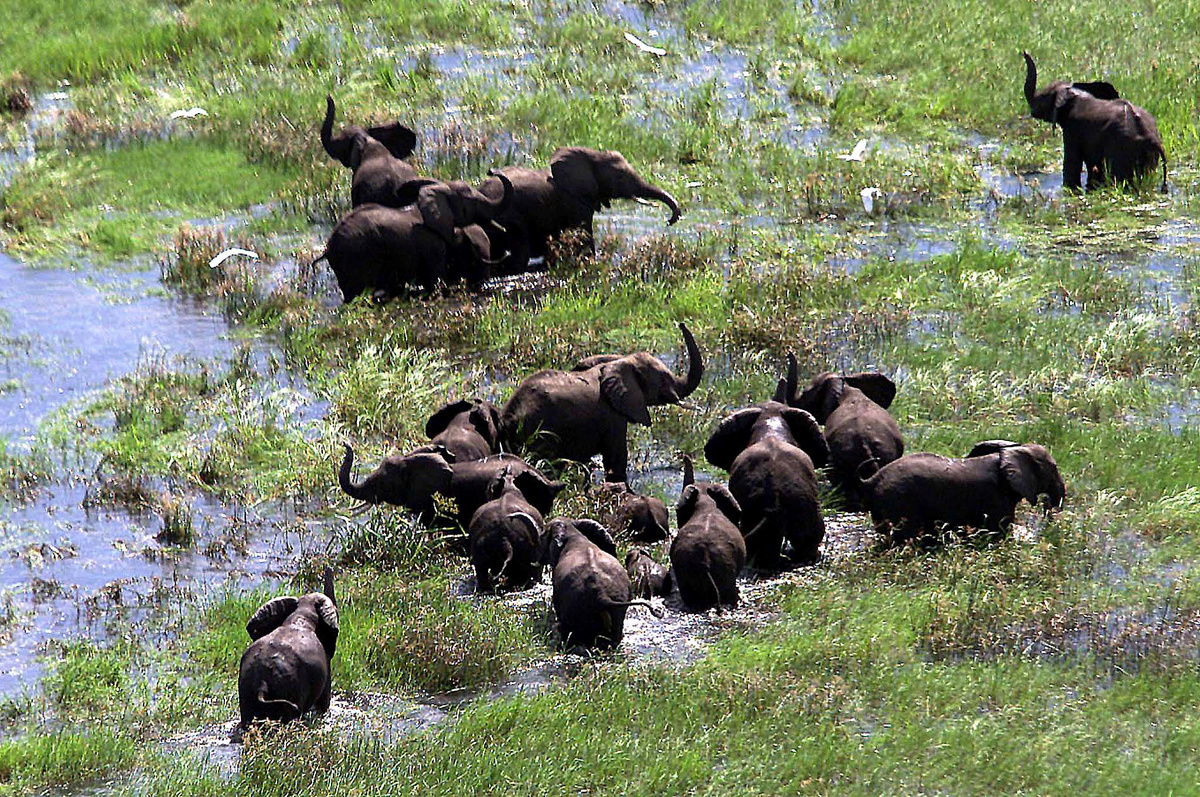
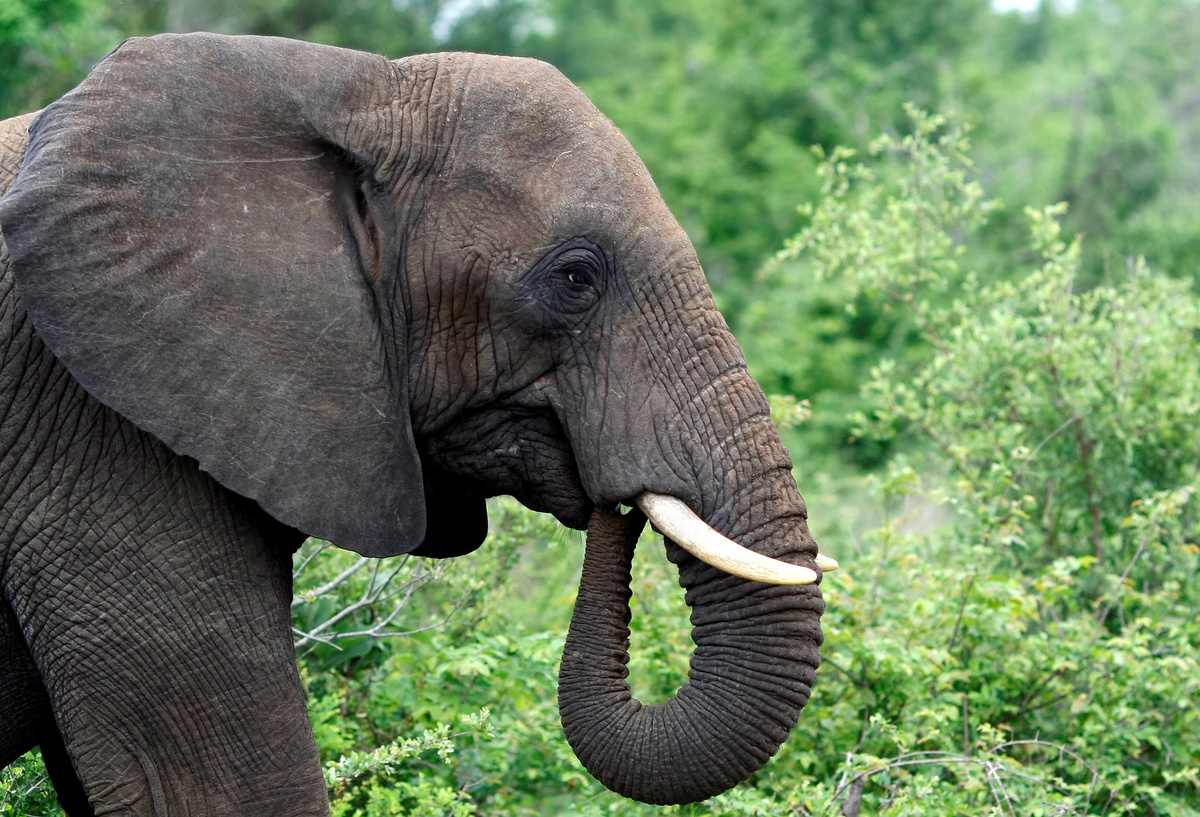
Namibia has put 170 "high value" wild elephants up for sale due to drought and an increase in elephant numbers, the southern African country's environmental ministry said on Wednesday.
An advertisement carried by state-owned daily New Era said an increase in incidents of human-elephant conflict motivated the sale of the large mammal that is at risk of extinction due to poaching and ecological factors.
The Ministry of Environment Forestry and Tourism said it would auction the animals to anyone in Namibia or abroad who could meet the strict criteria, which include quarantine facilities and a game-proof fence certificate for the property where the elephants will be kept.
Foreign buyers must also provide proof that conservation authorities in their countries will permit them to export elephants to their countries.
Like several other African nations, Namibia is trying to strike a balance between protecting high-value species like elephants and rhinos, while managing the danger they pose when they encroach on areas of human habitation.
Namibia's conservation drive, which has seen its elephant population jump from around 7,500 in 1995 to 24,000 in 2019 according to government figures, has enjoyed international support.
But last year Namibia said it was considering withdrawing from the rules that govern the global trade in endangered species. This was after countries voted during a CITES meeting to reject proposals to relax restrictions on hunting and exporting its white rhinos.
The country wants to allow more trophy hunting and the export of live animals, arguing that the funds it would raise would help it to protect the species.
In October it put 70 female and 30 male buffalos from Waterberg Plateau Park in central Namibia up for sale in a bid to ease pressure on grazing land.
The arid southern African nation also auctioned 1,000 animals from national parks, including 500 buffalos in 2019 as it faced the worst drought in a century.
(This story corrects typo in headline.)
(Reporting by Nyasha Nyaungwa; Editing by Mfuneko Toyana and Sandra Maler)