MI5 turned a blind eye to “grotesque” crimes committed by a British spy who infiltrated the IRA during the Troubles, a damning report has found.
Agent Stakeknife worked within the internal security unit of the Provisional IRA, which interrogated people suspected of passing information to the security forces, while sending out his own intelligence reports.
Operation Kenova, launched in 2016 to investigate the agent’s activities, found that Stakeknife, believed to be Freddie Scappaticci, who died aged 77 in 2023, “committed grotesque, serious crime” including torture and murder.
It said that MI5, which was closely involved with the agent’s handling, had knowledge of all Stakeknife intelligence and “was aware of his involvement in serious criminality”.
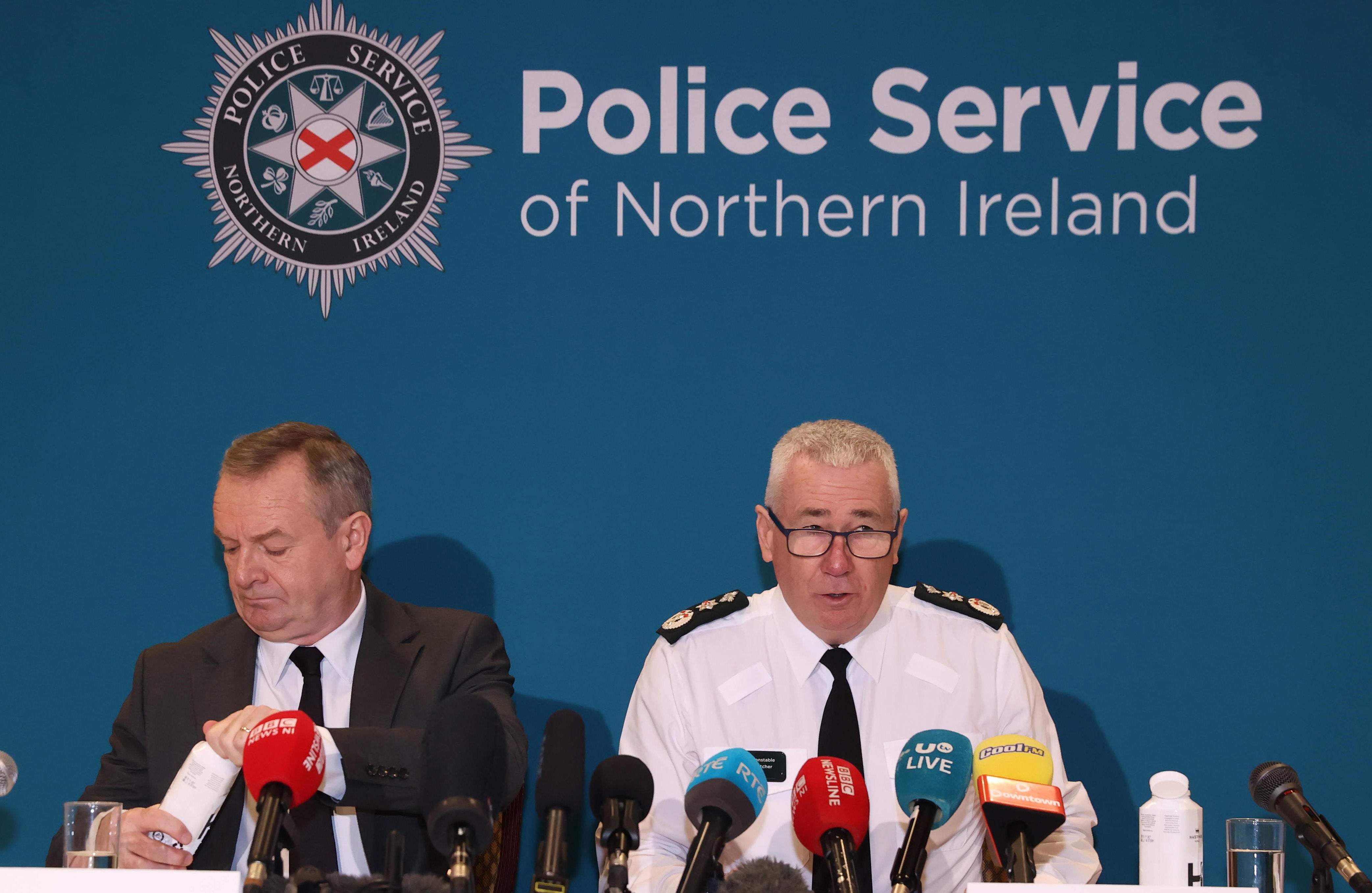
Yet Police Service of Northern Ireland (PSNI) chief constable Jon Boutcher, speaking at a press conference on Tuesday after the publication of the £47.5m report, said there was no evidence that people were “seeking to stop” what he was doing.
The report also said there were two incidents when his handlers from the Force Research Unit (FRU) – a British army intelligence unit – took him out of Northern Ireland for a holiday when they knew he was wanted by police for murder.
Operation Kenova examined 101 murders and abductions linked to the IRA unit where Stakeknife operated. In its interim report last year, it said more lives were probably lost than saved through the operation of Stakeknife.
On Tuesday, Sir Iain Livingstone, who led the investigation, said there was a “compelling ethical case for the UK government” to now drop its Neither Confirm Nor Deny (NCND) policy and name the agent.
It also emerged that previously undisclosed information providing a greater knowledge of Stakeknife was only passed on to the probe by MI5 after the publication of the interim report last year, which was too late for it to be investigated properly. The security agency has apologised.
Crucially, the late-coming information revealed MI5 was closely involved in handling Stakeknife, said the report, which added that the agent’s commanding officer briefed MI5 every four to six weeks.
It said: “MI5 had automatic sight of all Stakeknife intelligence and therefore was aware of his involvement in serious criminality.”
CC Boutcher told the press conference he was unable to give an example of MI5 agents who clearly knew about specific murders, but said they were embedded with the Force Research Unit that handled Stakeknife.
He added: “I’ve not seen anything, anything, that shows that the activities of the agent Stakeknife that people were seeking to stop what he was doing. I have not seen anything to suggest that.”
The chief constable, who led the Kenova investigation before taking charge of the PSNI, claimed Scappaticci had been a “critical person of interest” at the heart of Operation Kenova.
“To directly quote a solicitor for the Kenova families who spoke to the BBC in 2024, the dogs in the street know that Fred Scappaticci is the agent Stakeknife,” he said.
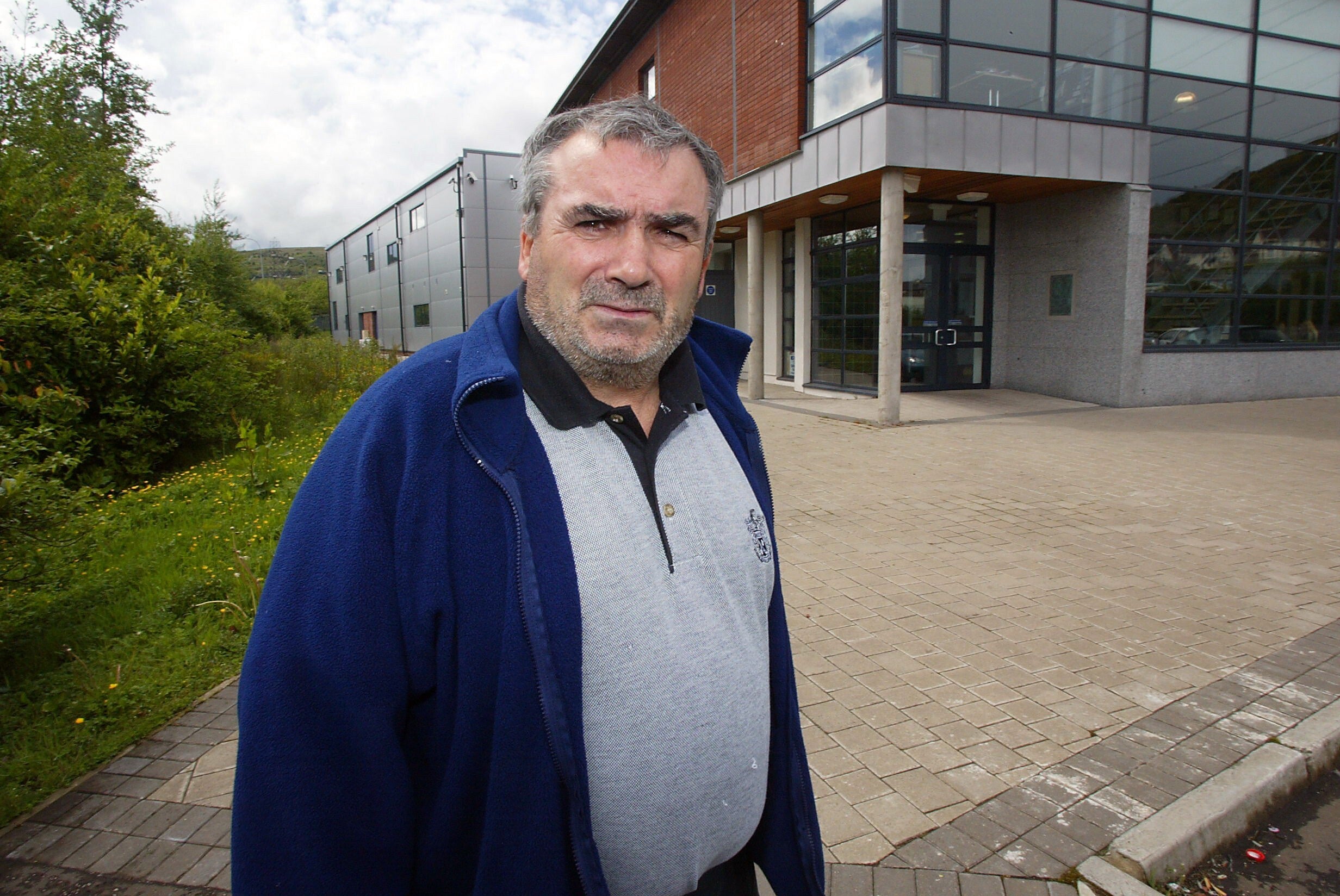
But the identity of Stakeknife, who started work in the 1970s and continued as an agent into the 1990s, has not officially been revealed, including in the operation’s report.
More than 3,000 people died in Northern Ireland during three decades of conflict between mostly Catholic supporters of unification with the Republic of Ireland and mostly Protestant backers of continued links with the United Kingdom.
KRW Law, a legal firm which represents families of some of those murdered by the IRA, said it was “insulting” that Stakeknife has not been publicly named.
A statement said: “It’s a slap in the face by the state at a time when there ought to be the most fulsome of apologies over what was a state-sponsored murder operation lasting from 1979 to 1994.”
CC Boutcher also urged the government to name the agent, adding that the operative was involved in “the most serious and inexcusable criminality while operating as an agent, including murders”.

He said the actions of the IRA’s internal security unit against its own community were “utterly abhorrent, wrong and inexcusable”.
He said: “The families of those accused of being state agents, women, children and the elderly were also subjected to violence, and many have faced years of intimidation, isolation and humiliation at the hands of those who murdered their loved ones.
The late release by MI5 of additional files relating to Stakeknife was “deeply frustrating”, said CC Boutcher.
He said: “No new murders were uncovered, but incidents were detailed which could have been put to witnesses, generated new lines of inquiry, and perhaps form the basis for submissions to the Director of Public Prosecutions for additional offences. We will never know the full impact of this late discovery.”
MI5 director general Sir Ken McCallum apologised, but said the material was not deliberately withheld.
Among the updated 10 recommendations in the report, the UK government has been urged to acknowledge and apologise to bereaved families and surviving victims. It also called for a full apology from the republican movement for the Provisional IRA’s abduction, torture and murder of those it suspected of being agents.
On the late discovery of material, he said: “The fact this material was provided so late and at a point when further investigation was impossible only caused further upset to the families who have already waited many years to find out what happened to their loved ones.”

Tuesday’s publication also included a report of Operation Denton, which reviewed a series of attacks carried out by loyalists with involvement by some members of the security forces in the 1970s known as the Glenanne Gang.
It found that the Ulster Volunteer Force (UVF) was responsible for the 1974 Dublin and Monaghan bombings, and there was no specific intelligence that could have prevented the attacks, which claimed 33 lives.
It remains the biggest loss of life on any single day of the Troubles.
The Public Prosecution Service (PPS) in Northern Ireland previously announced that no prosecutions would be pursued after consideration of the last batch of files from the Kenova investigation.
Some 32 people, including former police, former military personnel and people linked with the IRA, were considered for prosecution on a range of charges from murder and abduction to misconduct in public office and perjury.
However, the PPS found there was insufficient evidence to pursue cases.
A No 10 spokesperson said: “While I can’t comment in detail on the allegations set out by Kenova due to ongoing litigation, the government is clear that the alleged criminal conduct Operation Kenova has set out in its interim report would not be tolerated today, and of course, we must emphasise that the principal responsibility rests with the Provisional IRA.”