Naloxone is the medication that reverses opioid overdoses. It works within minutes, requires no training to use, and carries no significant risk if given to someone who has not taken opioids. It has been available without a prescription at pharmacies nationwide since September 2023.
Most Americans who could witness an overdose don't have it.
On June 16, 2026, the FDA approved Rextovy — a second over-the-counter 4 mg naloxone nasal spray — joining Narcan on pharmacy shelves without a prescription. The FDA noted that having multiple OTC products "encourages competition that may reduce cost and offers alternative sourcing options."
The expansion of available products is a step toward broader access. But the data are clear: access is still not translating into possession for the people who need it most.
Why This Matters
Approximately 69,000 Americans died of drug overdoses in the 12 months ending January 2026 — a significant decline from the pandemic peak but still a national emergency. The decline has been partly attributed to expanded naloxone access and distribution. But thousands of deaths still occur in the presence of people who might have helped if they had naloxone.
A critical physiological fact that many people don't know: a person who has overdosed cannot administer naloxone to themselves. They are unconscious or severely impaired. The medication has to come from someone else — a partner, a family member, a friend, a neighbor, a bystander.
And the concern is no longer just opioids alone. As covered in Package 3 of this series, medetomidine — a veterinary sedative now spreading through the illicit fentanyl supply — cannot be reversed by naloxone. This means naloxone is still essential as a first step, but calling 911 immediately after administering it is now equally critical, as medetomidine sedation will persist even after opioid reversal.
What Naloxone Is and What It Does
Naloxone hydrochloride is a medication that rapidly blocks opioid receptors and reverses the effects of opioid overdose, including slowed or stopped breathing, unconsciousness, and limpness. It works within two to five minutes of administration and typically lasts 30 to 90 minutes — shorter than most opioids, which is why repeat doses and emergency medical care remain essential.
Naloxone has no effect on someone who has not taken opioids. If you administer naloxone to a person who is unresponsive from another cause — a stroke, a cardiac event, alcohol alone — you will not harm them. You will simply not reverse the cause of their unresponsiveness. This is why it is safe to administer naloxone to any unresponsive person whose drug history is unknown.
Naloxone does not cause opioid users to "get high" or experience pleasure from the medication. In people who are dependent on opioids, it can trigger withdrawal symptoms — which are uncomfortable but not dangerous. This is not a reason to withhold naloxone in an overdose situation.
Available OTC Naloxone Products in 2026
Three OTC formulations are now available without a prescription:
Narcan (Emergent BioSolutions) — 4 mg naloxone nasal spray. The first OTC naloxone product, approved in September 2023. Available at most major pharmacy chains nationwide.
Rextovy (FDA-approved June 16, 2026) — 4 mg naloxone hydrochloride nasal spray. The newest OTC product; may increase competition and reduce costs.
RiVive (Harm Reduction Therapeutics) — 3 mg naloxone nasal spray. Also available OTC at pharmacies and online retailers.
All three are equivalent in their primary mechanism: administering one spray in one nostril and, if no response in two to three minutes, administering a second spray in the other nostril.
Where to Get It — Free and Low-Cost Options
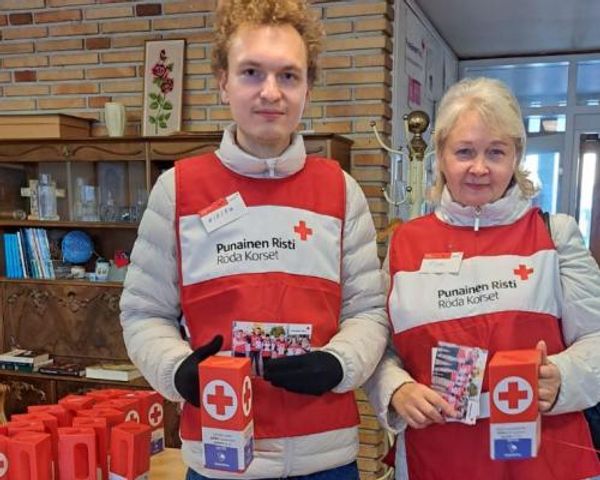
Free naloxone through state programs. Most state health departments and many local health departments distribute naloxone at no cost through syringe services programs, community health centers, public health departments, and harm reduction organizations. The NEXT Distro program also distributes naloxone by mail in many states. Contact your local health department or harm reduction organization.
Free at pharmacies under standing orders. All 50 states have implemented some form of naloxone access law (NAL) that allows pharmacists to dispense naloxone without a patient-specific prescription. In many states, pharmacists can provide naloxone to anyone who asks — not only to the person at risk for overdose, but to their family members, partners, and friends.
OTC purchase at pharmacies. Narcan and Rextovy are now available over the counter at most major pharmacy chains including CVS, Walgreens, Rite Aid, and Walmart. Average retail price for a two-dose kit is approximately $45 to $65. Post-FDA OTC approval, prices have declined from higher prescription-era prices.
Insurance coverage. Most insurance plans — including Medicare Part D and all state Medicaid programs — cover naloxone with little or no copay. For patients receiving opioid prescriptions, ask your prescriber to co-prescribe naloxone at the same visit.
Free mail programs. NEXT Distro, many state harm reduction programs, and some local health departments distribute naloxone kits by mail. These programs typically operate in all 50 states and are available regardless of pharmacy access.
How to Store and Use Naloxone Nasal Spray
Store naloxone nasal spray at room temperature, between 59°F and 77°F. Do not freeze. Replace the kit before the expiration date printed on the package.
In a suspected overdose:
- Call 911 immediately.
- Try to wake the person by calling their name, rubbing their sternum firmly.
- Lay the person on their back.
- Administer one spray of naloxone into one nostril.
- If no response within 2 to 3 minutes, administer a second spray into the other nostril.
- Place the person in the recovery position (on their side) to prevent choking.
- Stay with them and continue to monitor breathing until emergency responders arrive.
If medetomidine may be involved: If the person appears to partially improve after naloxone but remains sedated or has a very slow heart rate, this may indicate medetomidine co-exposure. Do not assume recovery is complete. Emergency medical care is essential.
Who Should Have Naloxone
- Anyone who lives with or regularly spends time with a person who uses opioids (prescription or illicit)
- Anyone who uses opioids themselves, including prescription opioids at high doses
- Family members of people with opioid use disorder
- Anyone who uses illicit drugs in any form, given the widespread fentanyl contamination of the drug supply
- People leaving incarceration, who face dramatically elevated overdose risk in the days after release
- Anyone who wants to be prepared to help a stranger in an emergency — the same way one might keep a first aid kit
Cost and Access: What Patients Should Know
For anyone who cannot afford naloxone or cannot access a pharmacy easily, free options exist in every state. Contact 1-800-662-HELP (the SAMHSA National Helpline) for referrals to local naloxone distribution programs. The SAFE Project's state-by-state naloxone access guide at safeproject.us/naloxone/state-rules/ provides current information on pharmacy standing orders and distribution programs in your state.
What Happens Next
The FDA's approval of Rextovy adds market competition that may reduce OTC naloxone prices further over time. Harm reduction advocates continue to push for insurance mandates, pharmacy stocking requirements, and expanded free distribution programs. MedicalDaily will report on any further access expansions and on any changes to naloxone guidance related to the medetomidine concern.
The Bottom Line
Naloxone saves lives. It costs no more than $65 at a pharmacy — and often nothing at a health department. It requires no training and no prescription. The most common reason people don't have it is simply that they have not yet obtained it. If you live with, care for, or regularly spend time with anyone who uses opioids, go to a pharmacy this week and get a kit. Call 911 immediately after administering it — especially now that medetomidine may be present in the drug supply and naloxone alone may not be enough.