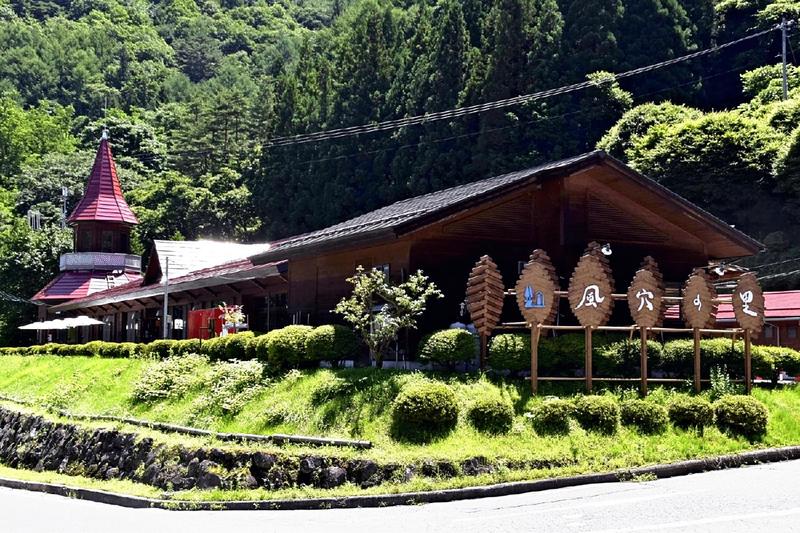
MATSUMOTO, Nagano -- Wind caves have long supported people's lives as natural refrigerators for the country's many mountain communities. One such wind cave can be experienced at a roadside rest area in Matsumoto, Nagano Prefecture.
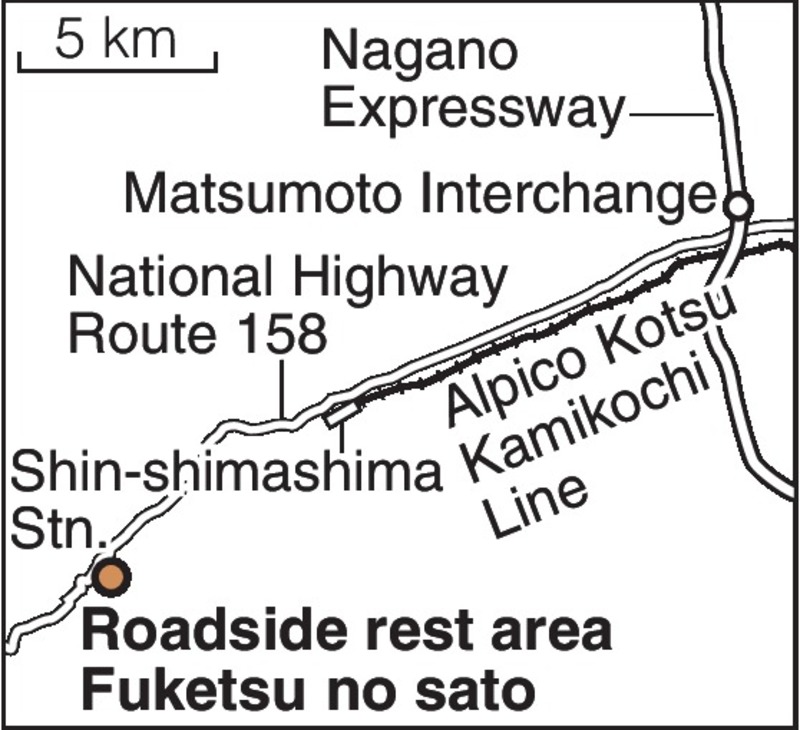
The Fuketsu no sato rest area is located on National Highway Route 158 about a 30-minute drive from the Matsumoto Interchange of the Nagano Expressway.
There are many wind caves in the Inekoki district where this rest area is located. Naturally cooled air blows out from between the rocks on the slope of the mountain, according to a local resident group that works to preserve the wind caves.
Storehouses that harness the cold air for storing food have existed since the Edo period (1603-1868). In the Meiji era (1868-1912), the naturally chilled wind was used for storing silkworm eggs, contributing to the development of the sericulture industry, according to the group.
The wind cave at the Fuketsu no sato rest area is free to visit except during the winter months, when it is closed.
Storing sake, pickling greens
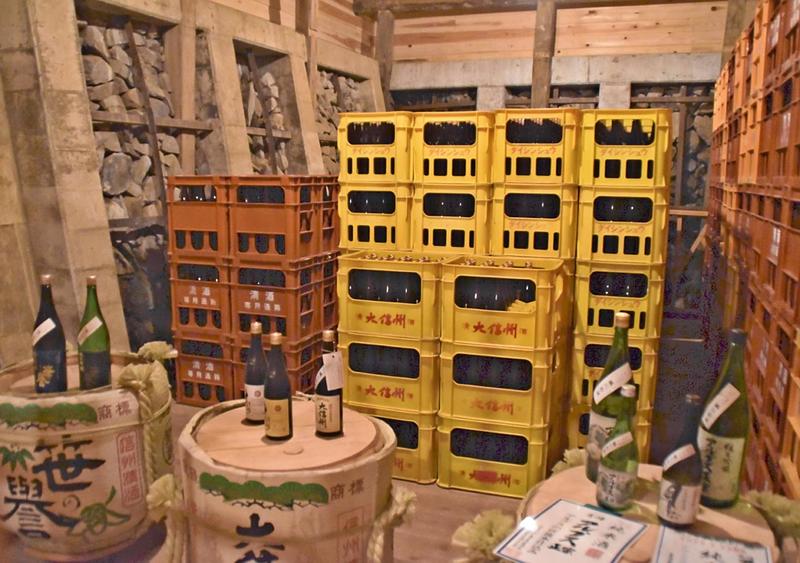
Walking six to seven minutes from the main building leads to a place where the air suddenly felt chilly. The thermometer indicated 8 C in the storehouse, where many local sake products from Matsumoto that need to mature at a low temperature were stored, showing the wisdom of ancestors is still alive and well.
"This rest area is full of local traditions and culture, not just the wind cave," said Ichiji Kawakami, 63, the head of the rest area.
Fuketsu no sato was originally a drive-in for agricultural products, opened in 1990 by the local producers' association in an effort to promote the Inekoki district.
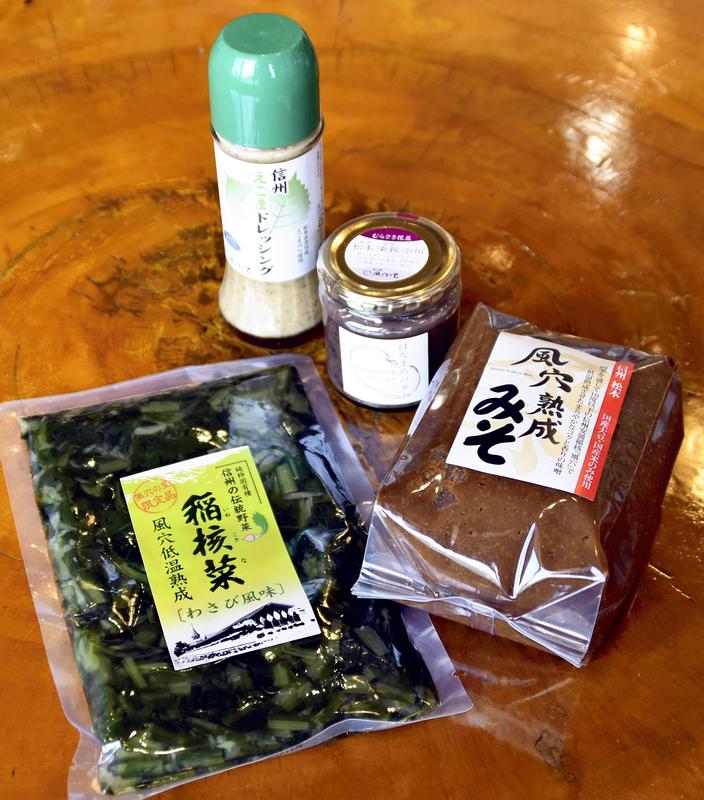
Among the local products, inekokina leaves are an essential part of the local culture in particular. Inekokina is a type of green vegetable used for pickling. Its stalks are shorter and more fibrous than nozawana, a more familiar vegetable in Nagano Prefecture.
The rest area sells pickled inekokina and oyaki bun-like snacks made with inekokina.
There is also a facility where visitors can experience weaving, which has been handed down by local women. Visitors can spend a long time here.
This rest area is frequented by many tourists because it is located along the national highway to Kamikochi, Nagano Prefecture, and Hida Takayama, Gifu Prefecture.
Visitors stop here to experience the life of the mountainous village and then travel on to their destination. The outside building has a fairy-tale appearance with a pointy roof, which also seemed to enhance the mood of mountain tourism.
The Fuketsu no sato roadside rest area is open from 9 a.m. to 5 p.m. for stores, and from 9:30 a.m. to 4 p.m for restaurants. The facilities are closed on Thursdays from late November to mid-April, but are open daily the rest of the year.
Read more from The Japan News at https://japannews.yomiuri.co.jp/