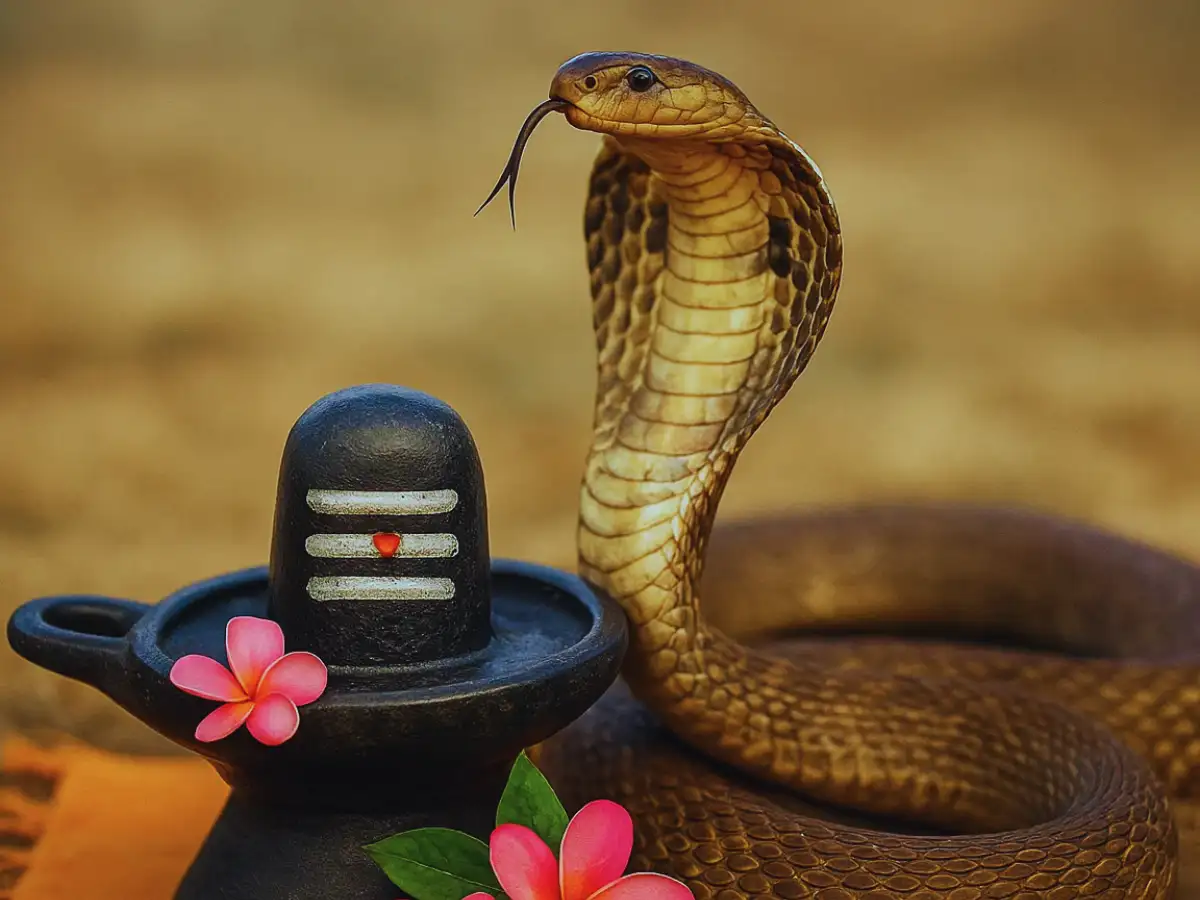
Nag Panchami 2026 is being observed on Monday, August 17, with devotees across India worshipping Nag Devta and seeking blessings for the well-being and prosperity of their families. The festival is observed on Panchami Tithi of Shukla Paksha during the month of Shravana.
According to Drik Panchang, Nag Panchami falls on August 17 this year. Devotees observe the festival with prayers, puja, fasting and traditional offerings dedicated to serpent deities.
Nag Panchami 2026 date and time
According to Drik Panchang, the Panchami Tithi begins on August 16 and ends on August 17.
- Nag Panchami: Monday, August 17, 2026
- Panchami Tithi begins: 4:52 pm on August 16
- Panchami Tithi ends: 5:00 pm on August 17
- Nag Panchami Puja Muhurat: 5:51 am to 8:29 am
Puja timings can vary depending on the location, so devotees are advised to check the local Panchang for the most accurate Muhurat.
Nag Panchami 2026 significance
Nag Panchami is dedicated to the worship of Nagas or serpent deities and holds an important place in Hindu religious traditions. Devotees offer prayers and traditional bhog while seeking blessings for the health, safety and prosperity of their families.
Serpent deities also have an important place in Hindu mythology and are associated with several major stories and deities. Nag Panchami is therefore observed as a day to express reverence towards the Nagas.
Nag Panchami 2026 puja rituals
On Nag Panchami, devotees traditionally wake up early, take a bath and prepare for the puja. Images or representations of Nag Devta may be worshipped with flowers, turmeric, vermillion, incense, lamps and other traditional offerings.
Devotees may also observe a fast and recite Nag Panchami mantras during the day. In several regions, women perform special prayers for the well-being of their brothers and family members.
While offering milk to snakes is part of traditional observances in some places, devotees should avoid approaching or handling wild snakes. Temple-based worship or symbolic offerings are safer ways to observe the festival.
Nag Panchami 2026 bhog and offerings
Milk, fruits, sweets and other vegetarian foods are among the traditional offerings associated with Nag Panchami. The exact bhog varies according to regional and family traditions.
Devotees may offer the prepared prasad to Nag Devta during the puja and later distribute it among family members.
The festival is particularly associated with prayers for family welfare, protection and prosperity.
Which Nagas are worshipped on Nag Panchami?
Hindu traditions associate several prominent Nagas with serpent worship. Drik Panchang lists 12 important Nagas associated with Nag Panchami:
Ananta, Vasuki, Shesha, Padma, Kambala, Karkotaka, Ashvatara, Dhritarashtra, Shankhapala, Kaliya, Takshaka and Pingala.
These Nagas appear in various Hindu texts and mythological traditions and are worshipped with reverence on Nag Panchami.
Nag Panchami history and mythology
One of the major stories associated with Nag Panchami concerns King Janamejaya, the son of Parikshit.
According to Hindu mythology, Parikshit was killed by the serpent Takshaka. Seeking revenge, Janamejaya organised a great yajna intended to destroy the entire serpent clan.
Sage Astika intervened and stopped the yajna, saving Takshaka and the other Nagas. The event is traditionally linked with the observance of Nag Panchami.
Nag Panchami mantra
Devotees recite different mantras while worshipping Nag Devta. One commonly recited mantra invokes prominent Nagas:
"Anantam Vasukim Shesham Padmanabham Cha Kambalam;
Shankhapalam Dhartharashtram Takshakam Kaliyam Tatha;
Etani Nava Namani Naganam Cha Mahatmanam;
Sayamkale Pathennityam Pratahkaale Viseshatah."
The mantra invokes several revered Nagas and is traditionally recited as part of serpent worship.
Nag Panchami celebrations across India
Nag Panchami is celebrated in several parts of India, although customs and rituals differ from one region to another.
In Ujjain, the festival has a special association with the Nagchandreshwar Temple at the Mahakaleshwar Temple complex. The shrine is traditionally opened to devotees on Nag Panchami, giving devotees an opportunity to offer prayers to Nagchandreshwar.
The festival is also observed with regional traditions in states including Maharashtra, Karnataka, Kerala, Andhra Pradesh, Telangana and several parts of North India.
Nag Pancham 2026 in Gujarat
The date of Nag Pancham differs in Gujarat because the state follows the Amanta lunar calendar for several festival calculations.
According to Drik Panchang, Nag Pancham in Gujarat will be observed on Tuesday, September 1, 2026.
The festival is observed according to Krishna Paksha Panchami of the Shravana month in the Gujarati calendar and traditionally falls a few days before Krishna Janmashtami.
What is Bola Choth in Gujarat?
Bola Choth, also known as Bahula Chauth, is observed in Gujarat one day before Nag Pancham.
Cattle, particularly cows, are worshipped on this day. The festival has its own regional customs and is closely connected with the agricultural and cattle-rearing traditions of Gujarat.
Nag Chaturthi and Nagul Chavithi
In some regions, devotees observe serpent-related rituals on the day before Nag Panchami. This observance is known as Nag Chaturthi in some traditions and Nagul Chavithi in parts of southern India.
The dates and customs associated with these festivals vary according to regional calendars.
Nag Panchami 2026 puja timings may vary by location
Devotees should keep in mind that Nag Panchami Puja Muhurat can differ from city to city because Panchang calculations take local sunrise and geographical factors into account.
Therefore, while the festival is being observed on August 17 in most parts of India, devotees should check their local Panchang before beginning the puja.
Disclaimer: This article is based on Hindu religious beliefs, traditions and mythology. The rituals, customs, timings and practices mentioned may vary across regions, communities and families.