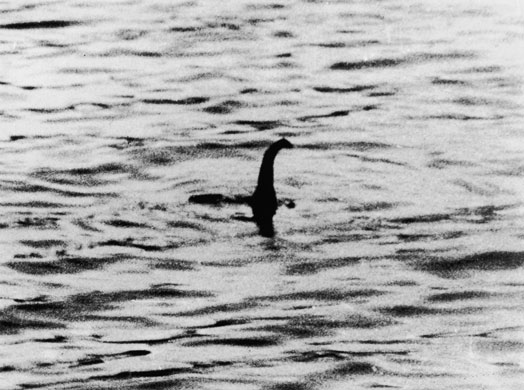
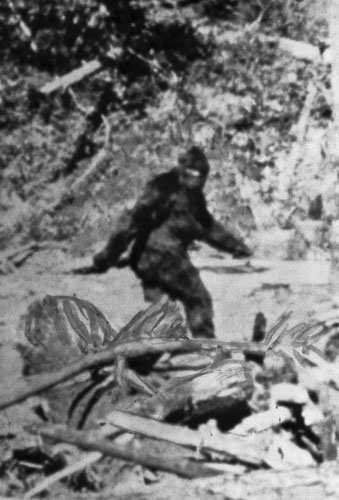
Borneo: An aerial photograph of a giant snake swimming in a river has prompted speculation that a giant creature is stalking the islandPhotograph: Public DomainLoch Ness, near Inverness, Scotland: A view of the Loch Ness monster, 19 April 1934. The image, one of two known as the 'surgeon's photographs', was allegedly taken by Colonel Robert Kenneth Wilson, though it was later exposed as a hoax. On his deathbed, a man called Chris Spurling revealed that he had staged the pictures along with Wilson, and Marmaduke and Ian Wetherell. References to a monster in Loch Ness date back to St Columba's biography in 565 ADPhotograph: Keystone/GettyCalifornia, US: Photograph from October 1967 shows what former rodeo rider Roger Patterson said was the American version of the Abominable Snowman. He said pictures of the creature, estimated at 2.3 metres (7.5ft) tall, were taken north-east of Eureka, CaliforniaPhotograph: Bettmann/CORBIS
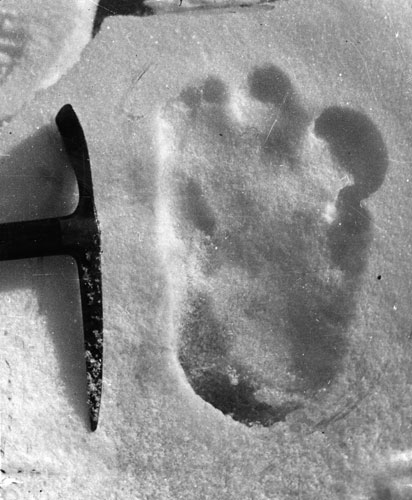
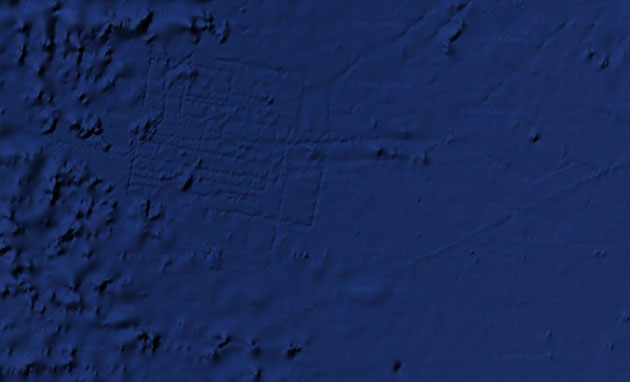
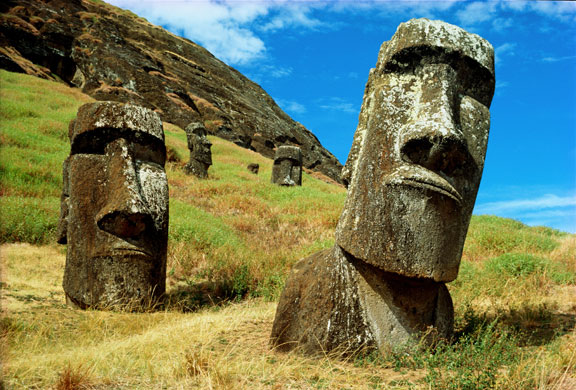
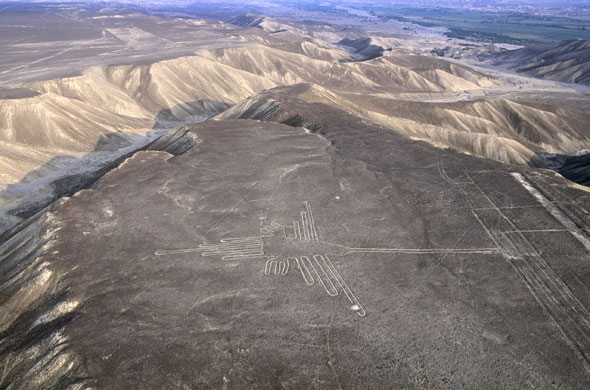
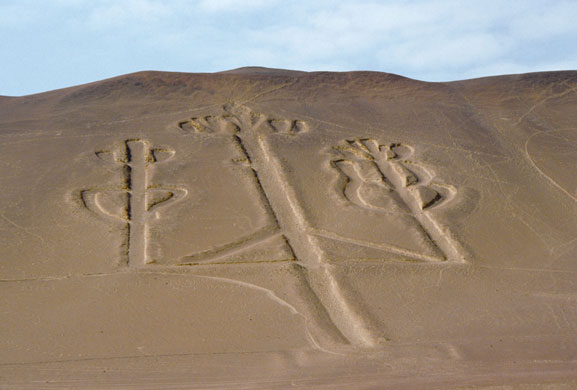
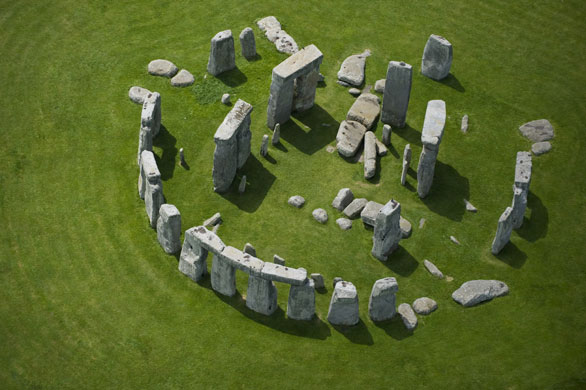
Himalayas: The footprint of the Abominable Snowman, taken near Mount Everest on 13 December 1951Photograph: Topical Press Agency/Getty ImagesGoogle Earth image of a grid in the ocean bed off west Africa appears to show the potential site of the lost city of Atlantis. Google denied the claim, saying the lines were sonar data collected as boats mapped the ocean floorPhotograph: Public DomainRapa Nui (Easter Island): Moai statues are monolithic human figures carved from rock on the Polynesian island of Rapa Nui, some of which are thought to date from as early as AD400. The tallest moai, Paro, was almost 10 metres (33 ft) high and weighed 75 tonnes Photograph: Art Wolfe/GettyNazca plains, Peru: An ancient geoglyph of a hummingbird on the edge of the Nazca plains was probably inscribed as an offering for fertility in the fields below. The creators, 1,200-2,300 years ago, would have never been able to see the work, as the nearest hills are a few miles away, suggesting it was an attempt to communicate with the heavensPhotograph: George Steinmetz/CorbisNazca, Peru: A candelabra type form drawn into the desert, north of Nazca, forming part of the Nazca Lines. The purpose of the ancient lines is the subject of intense debatePhotograph: CorbisStonehenge, near Salisbury, England: One of the most famous prehistoric sites in the world. Stonehenge is composed of earthworks surrounding a circular setting of large standing stones and sits at the centre of the densest complex of Neolithic and Bronze Age monuments in EnglandPhotograph: Jason Hawkes/Getty
Sign up to read this article
Read news from 100’s of titles, curated specifically for you.