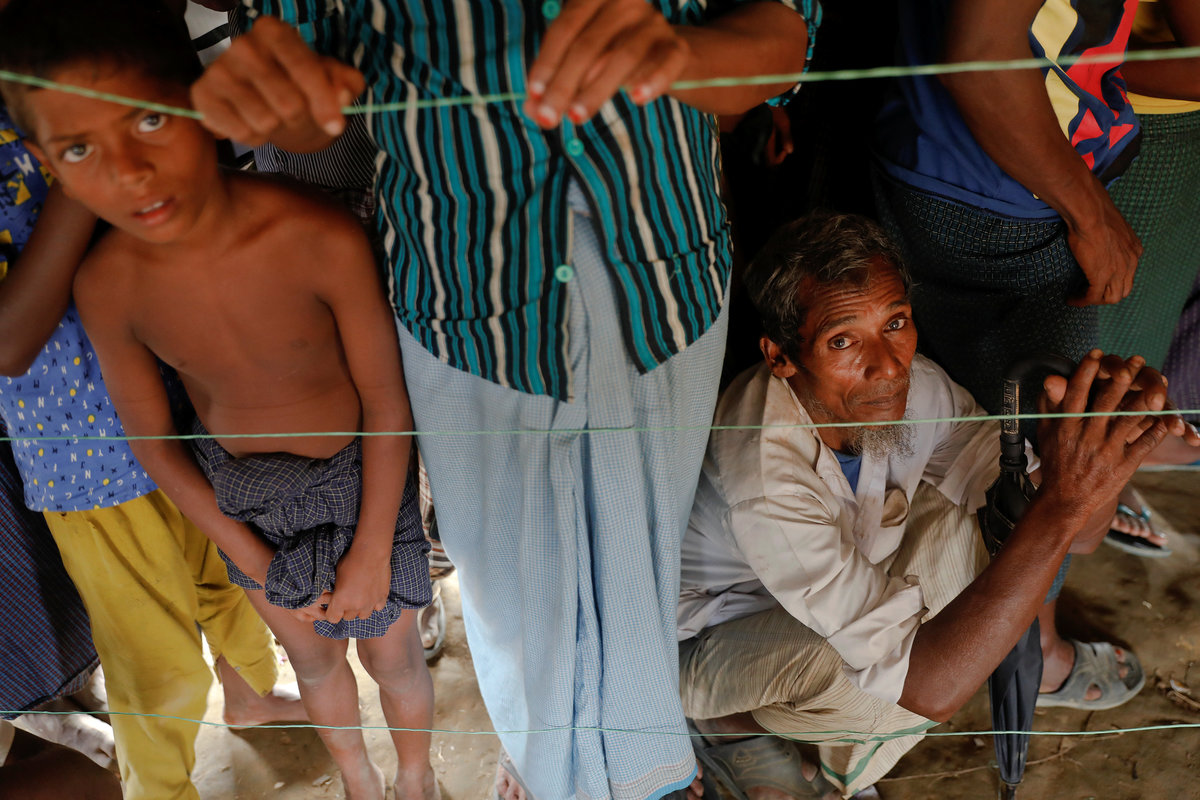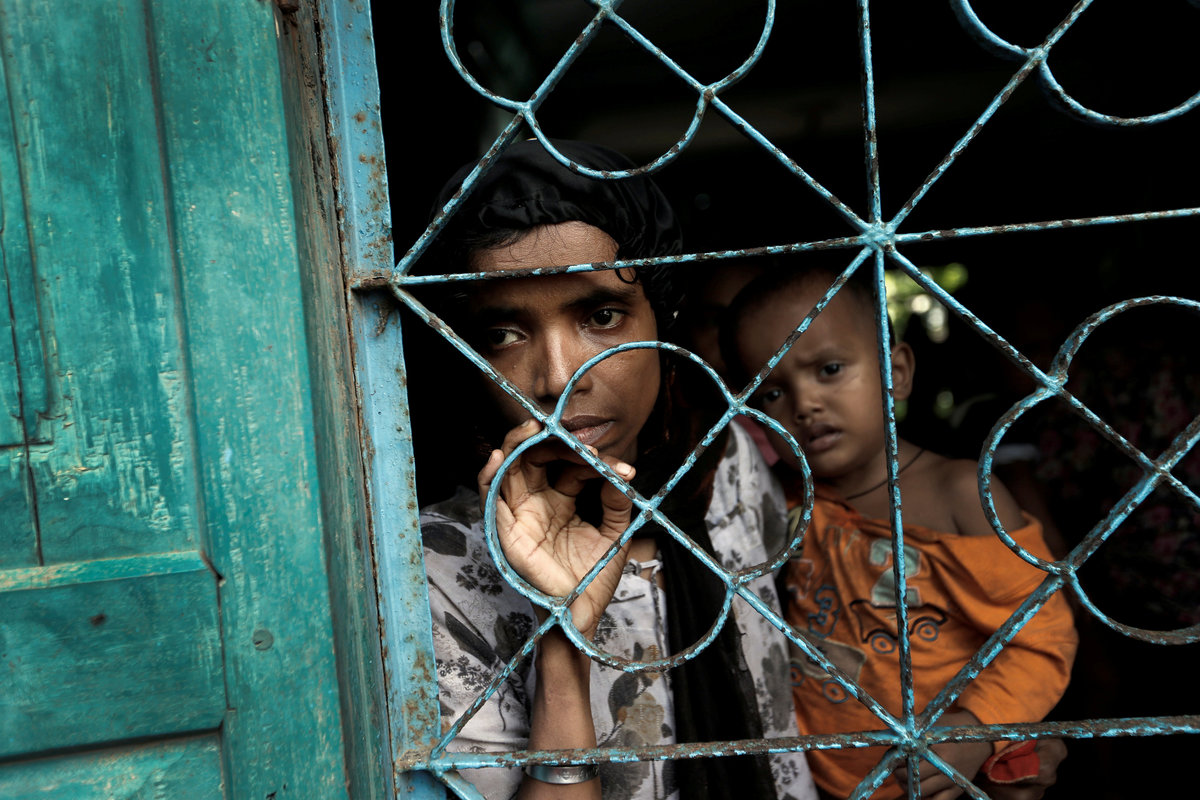
GENEVA (Reuters) - Myanmar told the United Nations refugee agency on Monday its top priority was to bring back Rohingyas who have fled to Bangladesh, but much work was needed to "consolidate stability" in its troubled northern region of Rakhine.
Bangladesh and Myanmar agreed on Monday to set up a working group to plan the repatriation of more than half a million Rohingya Muslim refugees who have fled to Bangladesh to escape an army crackdown, the Bangladeshi foreign minister said.

Win Myat Aye, Myanmar's Union Minister, Minister of Social Welfare, Relief and Resettlement, addressed the U.N. refugee agency's (UNHCR) Executive Committee after U.N. refugee chief Filippo Grandi called for resolving issues related to Rohingya citizenship and rights.
"Our next immediate priority is to bring back the refugees who have fled to Bangladesh," Win Myat Aye told the Geneva forum.
"The repatriation process can start any time for those who wish to return to Myanmar. The verification of refugees will be based on the agreement between the Myanmar and Bangladesh governments in 1993," he said.
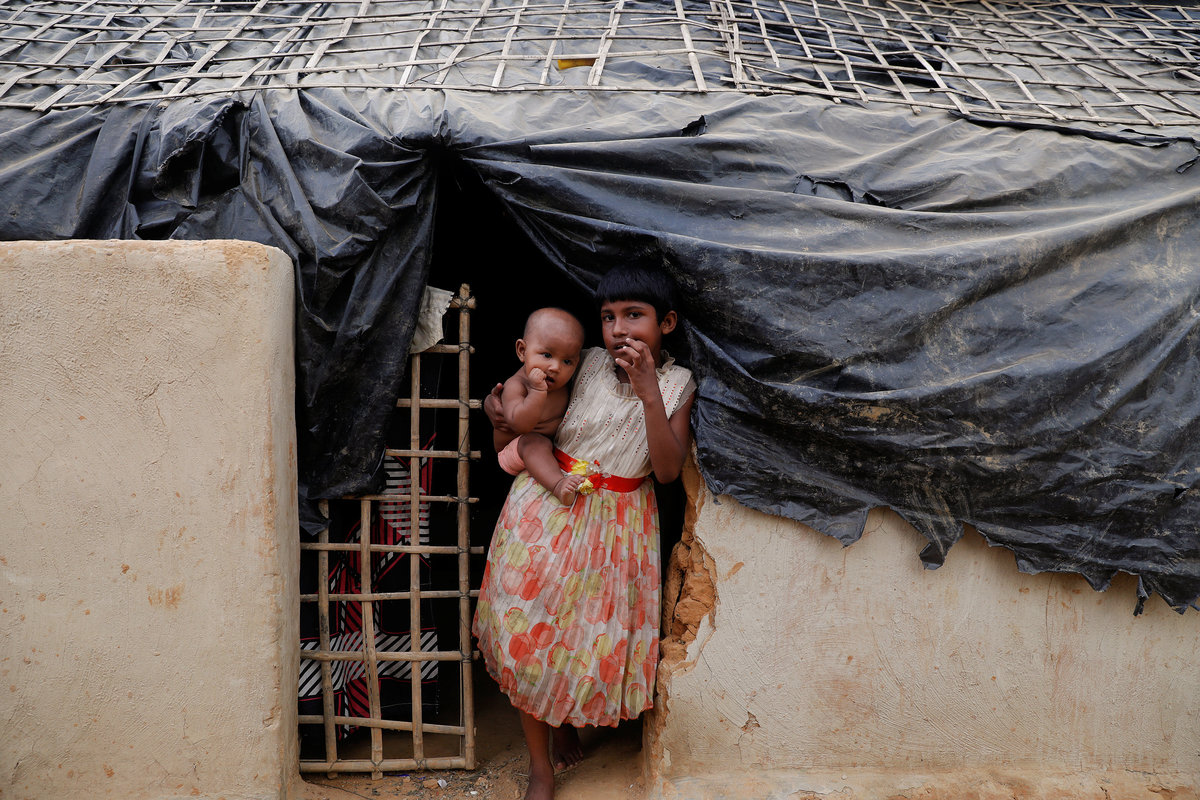
"Those who have been verified as refugees from this country will be accepted without any problem and with full assurance of their security and their access to human dignity."
The status of Rohingya remains unsettled in Myanmar where they are denied citizenship and classified as illegal immigrants, despite claiming roots in Myanmar that go back centuries, with communities marginalised and subjected to bouts of communal violence over the years.
Many refugees are gloomy about the prospects of going back to Buddhist-majority Myanmar, fearing they will not be able to furnish the documents they anticipate the government will demand to prove they have a right to return.
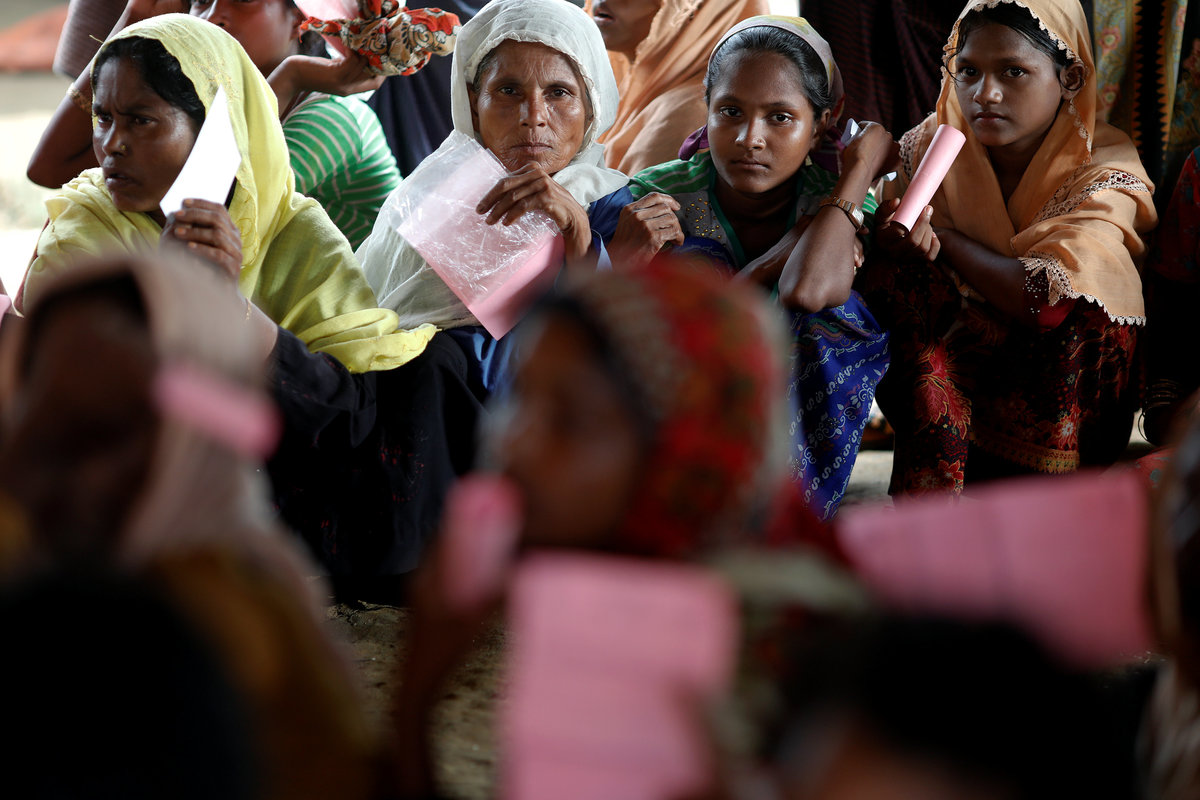
Win Myat Aye accused "terrorist organisations" of launching coordinated attacks on police posts on Aug. 25 that sparked the exodus. He said in addition to a humanitarian perspective, handling the situation also required "considerations from security and political angles".
"Although the security situation has improved in the affected areas and (there has been) no more armed clashes since Sept. 5, much needs to be done to consolidate the stability in the region," he said.
"Giving preferential treatment to one group in terms of providing humanitarian assistance or media advocacy could worsen the sentiment of the other group," he said.
(Additional reporting by Antoni Slodkowski in Yangon; Editing by Janet Lawrence)