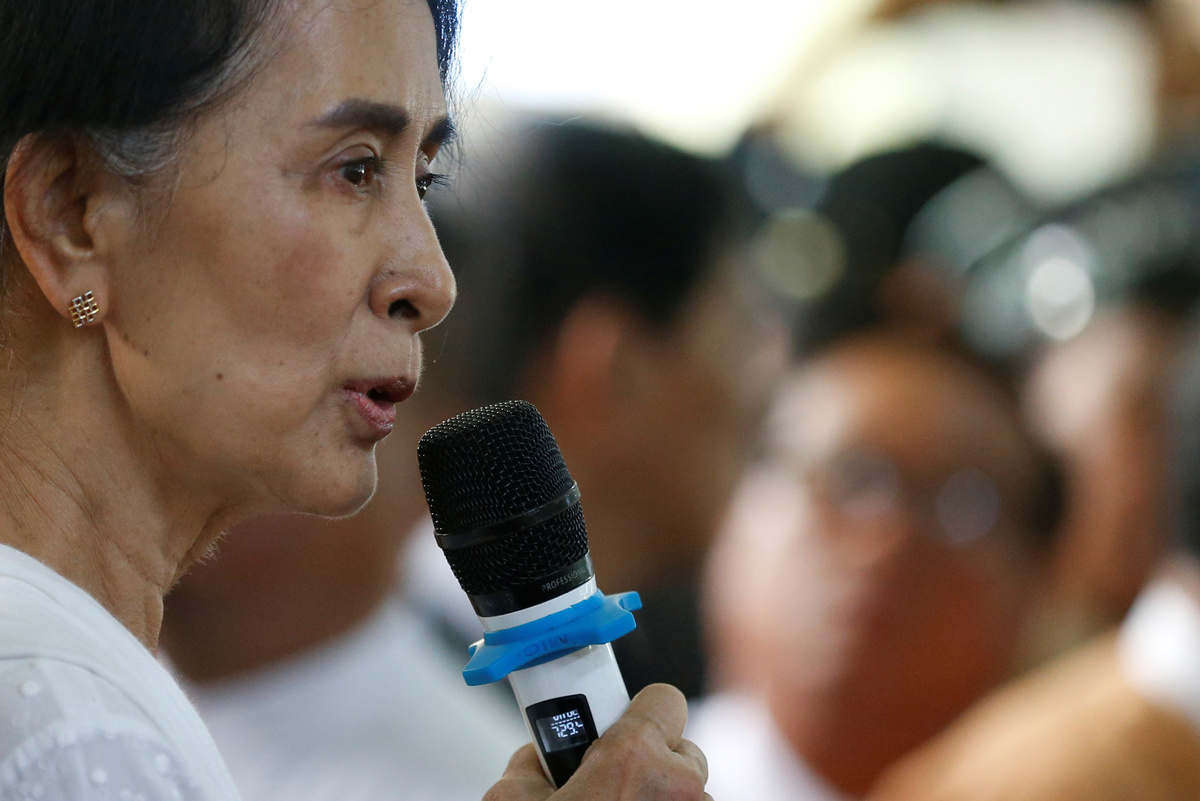
SHAMLAPUR, Bangladesh/DHAKA (Reuters) - Myanmar leader Aung San Suu Kyi came under more pressure on Tuesday to halt violence against Rohingya Muslims that has sent nearly 125,000 of them fleeing over the border to Bangladesh in just over 10 days.
United Nations Secretary-General Antonio Guterres warned of the risk of ethnic cleansing and regional destabilisation. He urged the U.N. Security Council to press for restraint and calm in a rare letter to express concern that the violence could spiral into a "humanitarian catastrophe."
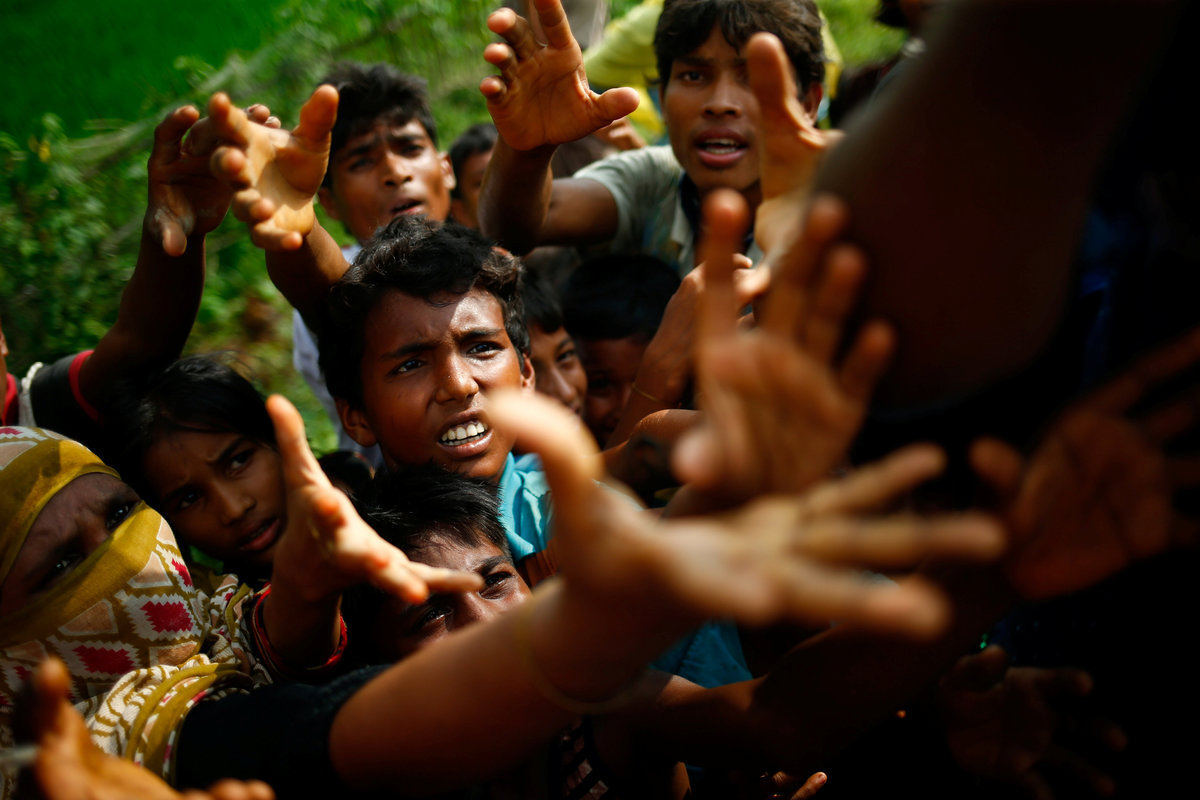
Reuters reporters saw hundreds more exhausted Rohingya arriving on boats near the Bangladeshi border village of Shamlapur on Tuesday, suggesting the exodus was far from over.
The International Organization for Migration said humanitarian assistance needed to increase urgently and that it and partner agencies had an immediate funding gap of $18 million over the next three months to boost lifesaving services for the new arrivals.
Indonesian Foreign Minister Retno Marsudi said after meeting Bangladeshi Prime Minister Sheikh Hasina in Dhaka that Jakarta was ready to help Bangladesh in dealing with the crisis.
"This humanitarian crisis shall be ended. I want to repeat, this humanitarian crisis shall be ended", she told reporters in Dhaka, a day after she held talks in the Myanmar capital.
The latest violence in Myanmar's northwestern Rakhine state began on Aug. 25, when Rohingya insurgents attacked dozens of police posts and an army base. The ensuing clashes and a military counter-offensive have killed at least 400 people and triggered the exodus of villagers to Bangladesh.
Myanmar officials blamed Rohingya militants for the burning of homes and civilian deaths, but rights monitors and Rohingya fleeing to Bangladesh say the Myanmar army is trying to force them out with a campaign of arson and killings.
When asked if the violence could be described as ethnic cleansing, Guterres told reporters on Tuesday: "We are facing a risk, I hope we don't get there."
"I appeal to all, all authorities in Myanmar, civilian authorities and military authorities, to indeed put an end to this violence that, in my opinion, is creating a situation that can destabilise the region," he said.
The treatment of Buddhist-majority Myanmar's roughly 1.1 million Muslim Rohingya is the biggest challenge facing Suu Kyi, who has been accused by Western critics of not speaking out for the minority that has long complained of persecution.
Myanmar says its security forces are fighting a legitimate campaign against "terrorists."
H.T. Imam, a political adviser to Bangladesh Prime Minister Sheikh Hasina, said other countries from the Association of Southeast Asian Nations could join Indonesia in putting pressure on fellow member Myanmar.
Malaysia, another ASEAN member, summoned Myanmar's ambassador to express displeasure over the violence and scolded Myanmar for making "little, if any" progress on the problem.
"Malaysia believes that the matter of sustained violence and discrimination against the Rohingyas should be elevated to a higher international forum," Malaysian Foreign Minister Anifah Aman said in a statement.
Turkish President Tayyip Erdogan, who has said the violence against Rohingyas constituted genocide, told Suu Kyi the violence was of deep concern to the Muslim world, and that he was sending his foreign minister to Bangladesh.
Pakistan, home to a large Rohingya community, has expressed "deep anguish" over the situation.
FULL CAMP
About 210,000 Rohingya have sought refuge in Bangladesh since October, when Rohingya insurgents staged smaller attacks on security posts, triggering a major Myanmar army counter-offensive.
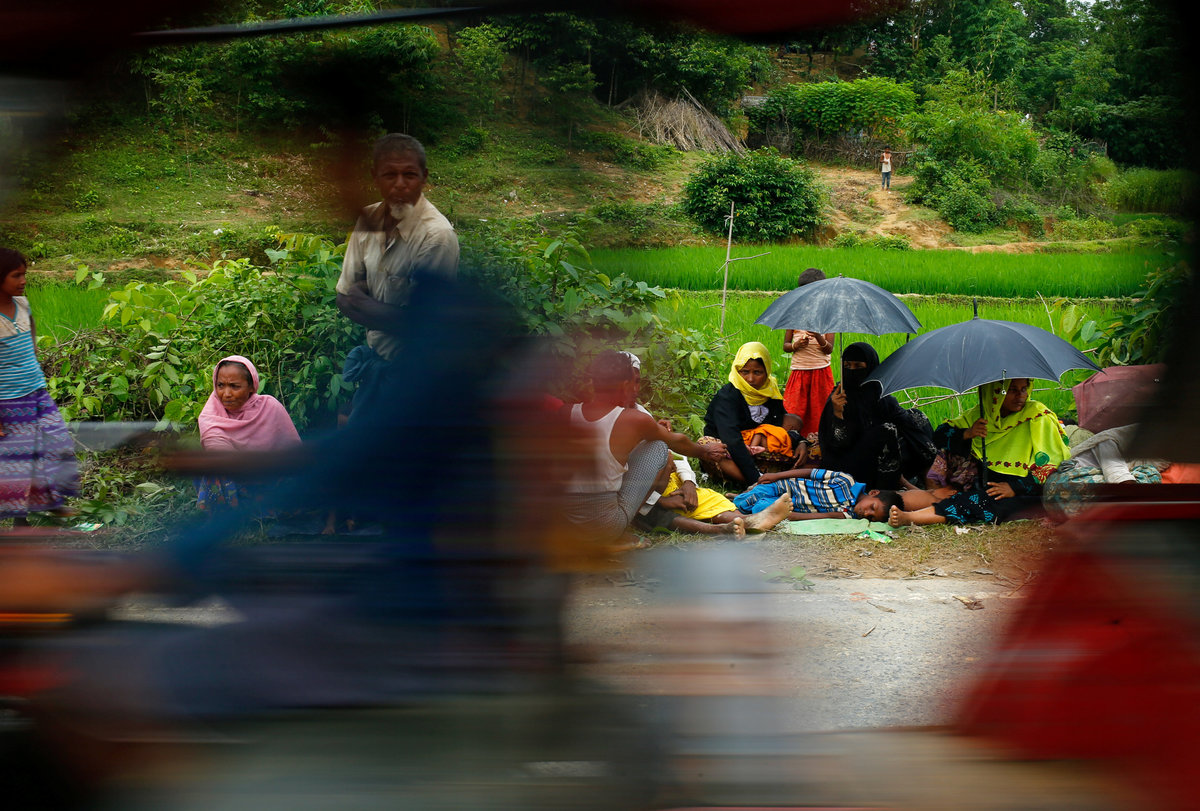
Refugees arriving in Shamlapur, and residents of the village, said hundreds of boats arrived on Monday and Tuesday with several thousand people.
Reuters reporters saw men, women and children with a few possessions, including chickens, disembark from one boat.
"The army set fire to houses," said Salim Ullah, 28, a farmer from Myanmar's village of Kyauk Pan Du, gripping a sack of belongings. "We got on the boat at daybreak. I came with my mother, wife and two children. There were 40 people on the boat."
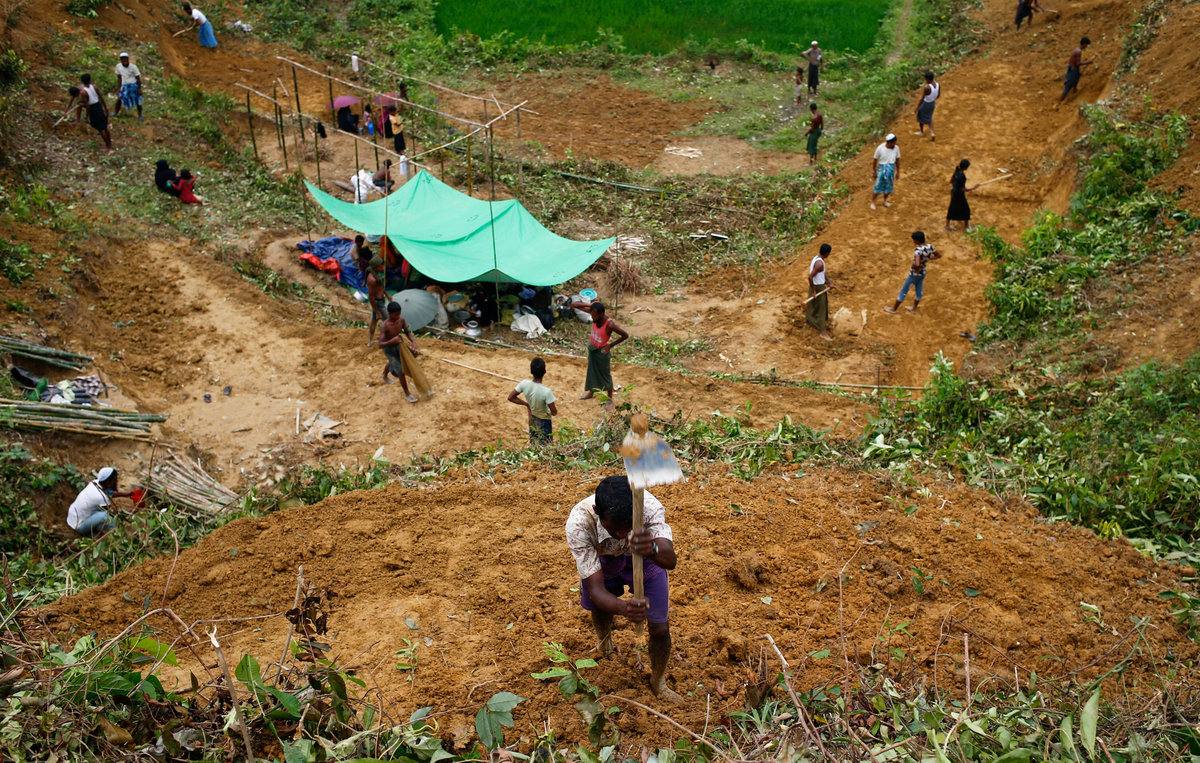
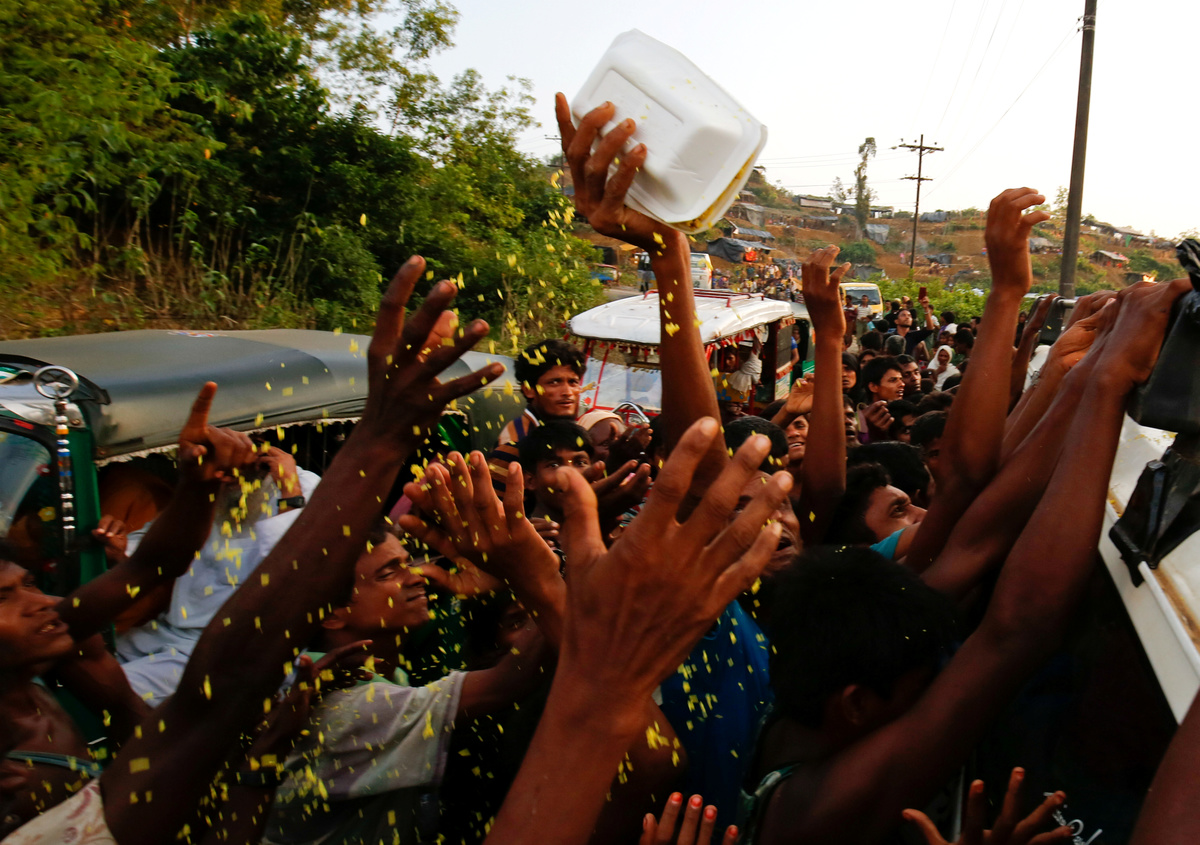
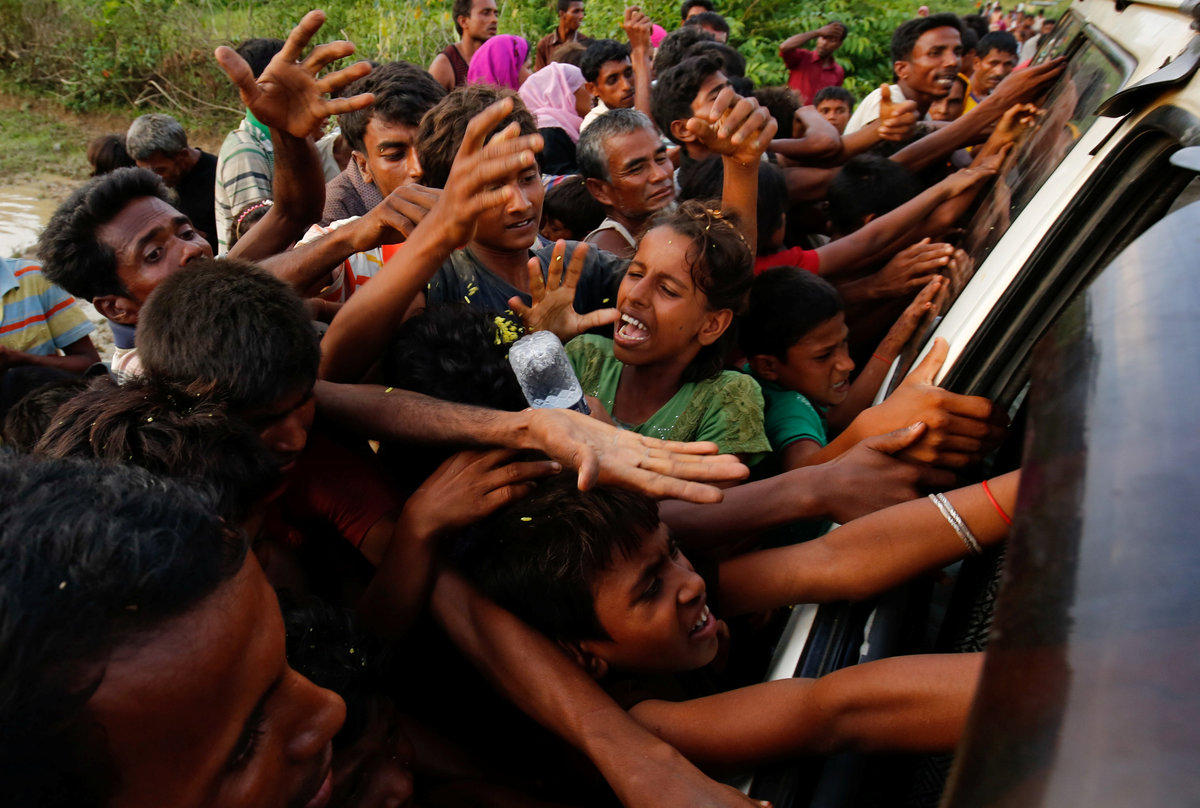
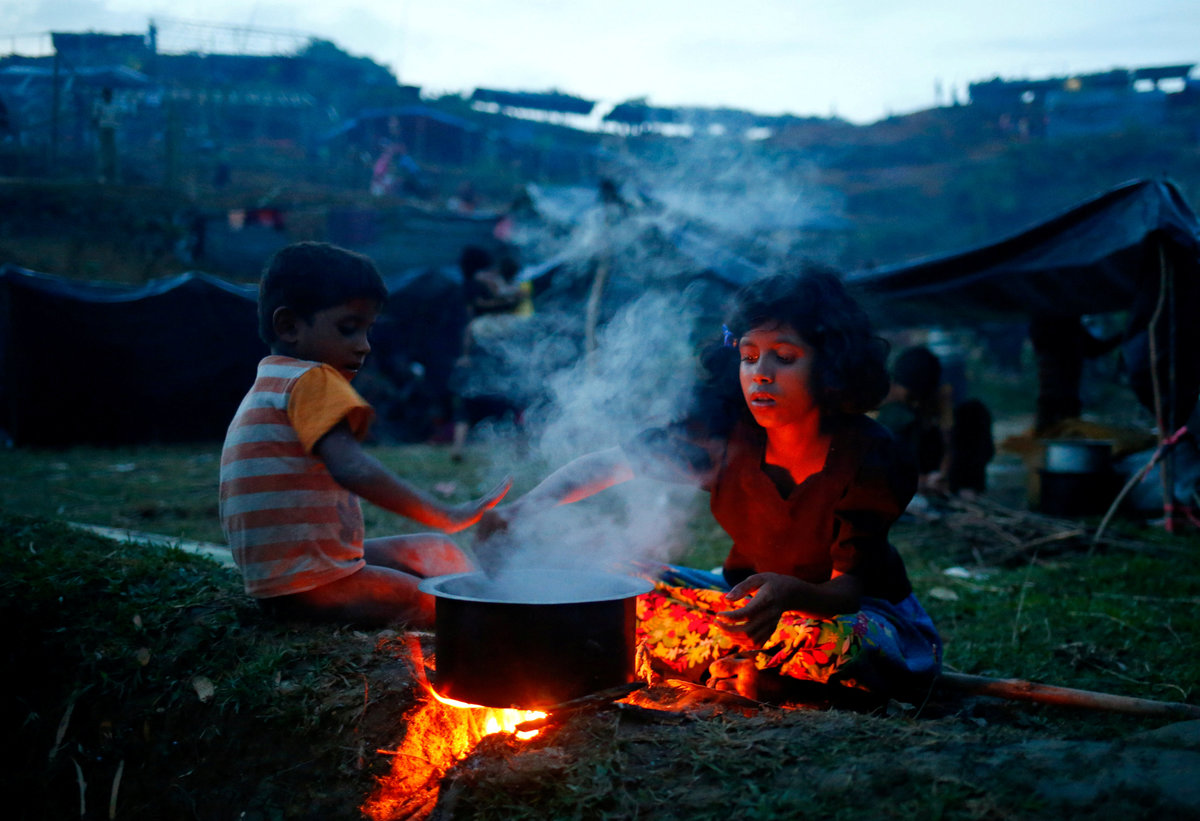
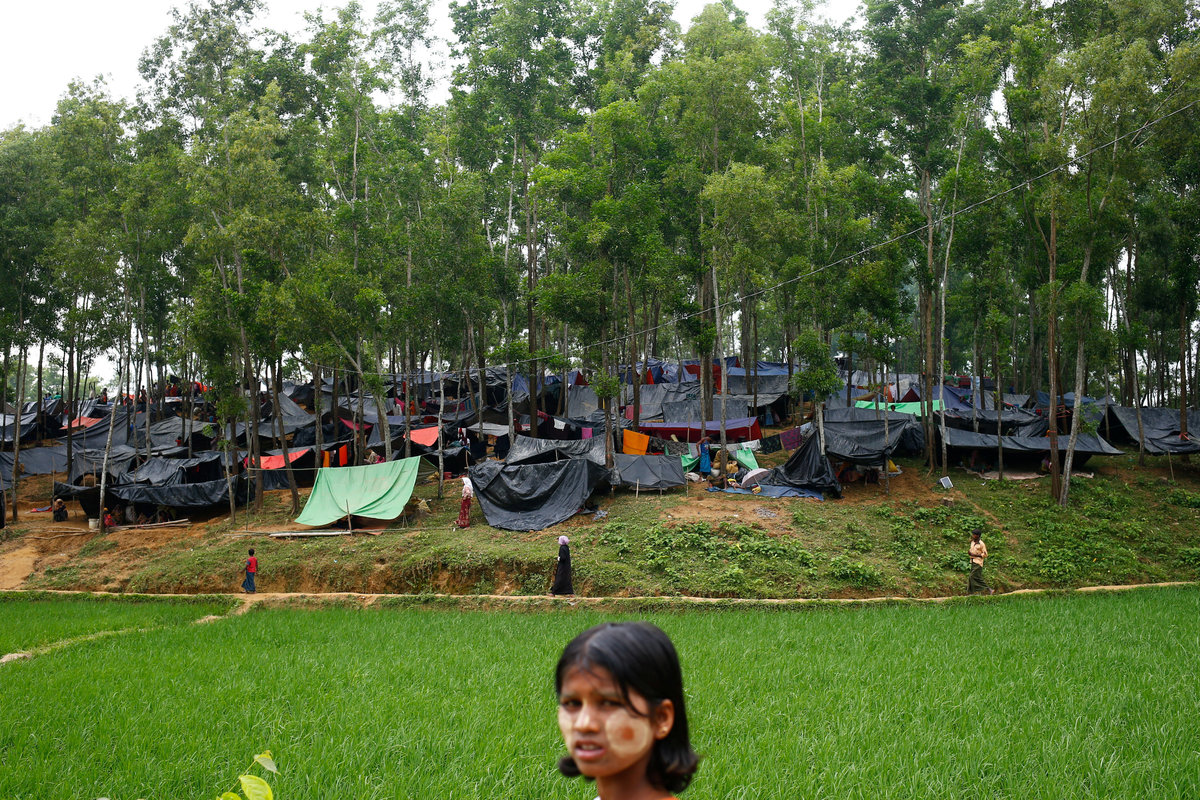
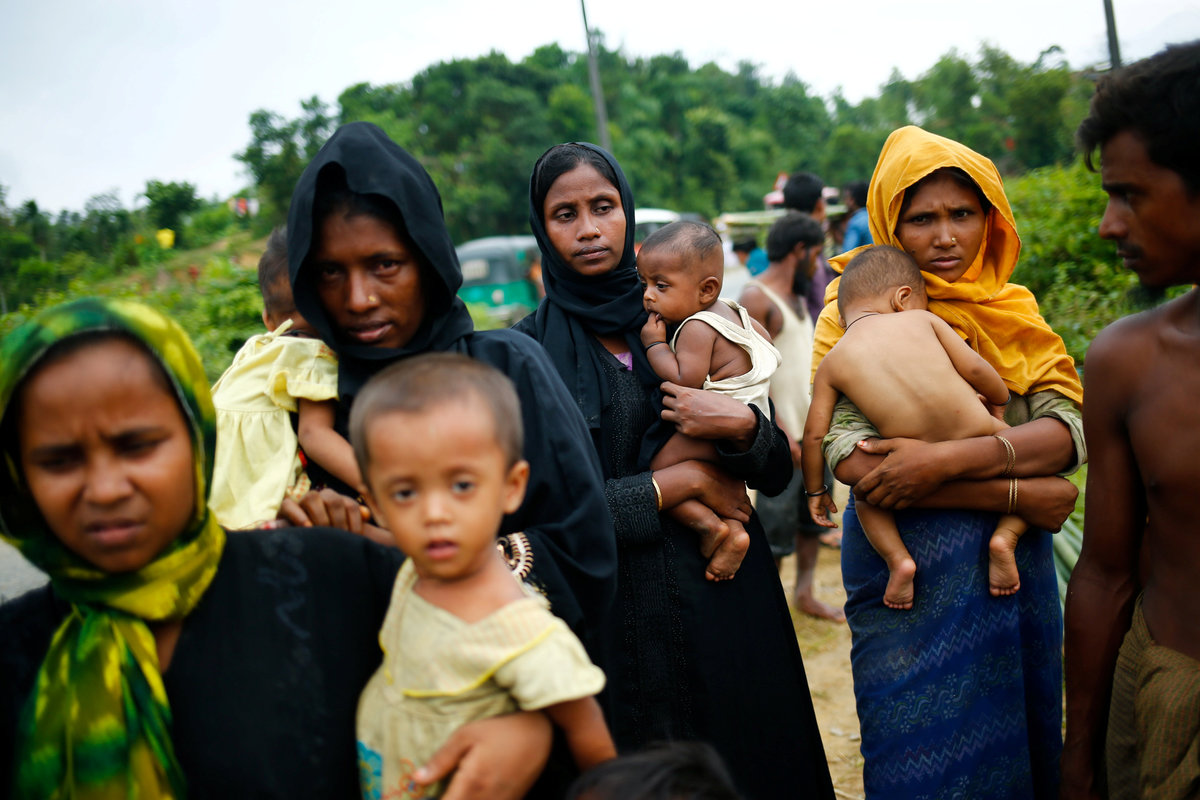
The new arrivals - many sick or wounded - have strained the resources of aid agencies and communities already helping hundreds of thousands of refugees from previous spasms of violence in Myanmar.
Vivian Tan, a spokeswoman for the U.N. refugee agency, UNHCR, said one camp in Bangladesh, Kutupalong, had reached "full capacity" and resources at others were stretched.
"We are doing what we can, but will need to seek more resources," Tan said.
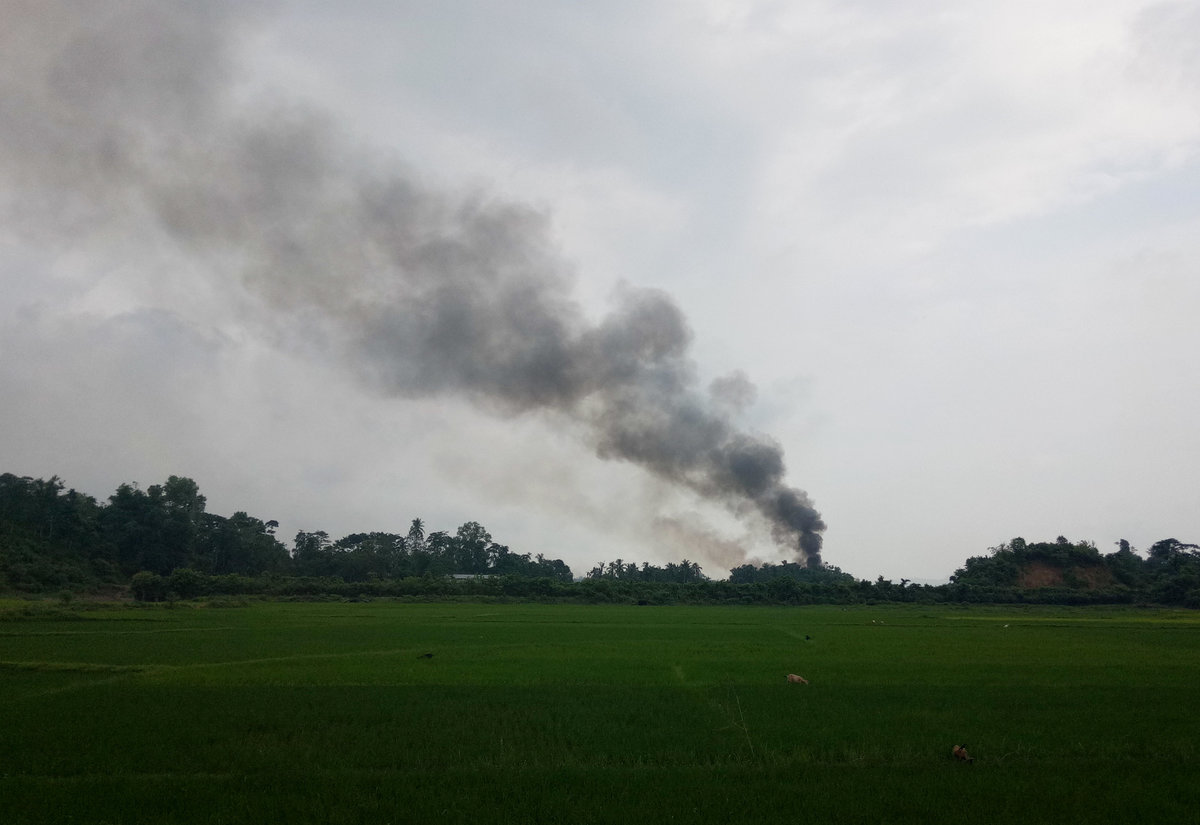
Bangladesh is concerned about Myanmar army activity on the border and would lodge a complaint if Bangladeshi territory was violated, an Interior Ministry official said.
A Bangladesh border guard officer said two blasts were heard on Tuesday on the Myanmar side, after two on Monday fuelled speculation Myanmar forces had laid land mines.
One boy had his left leg blown off near a border crossing before being brought to Bangladesh for treatment, while another boy suffered minor injuries, the officer, Manzurul Hassan Khan, said, adding the blast could have been a mine explosion.
The Myanmar army has not commented on the blasts but said in a statement on Tuesday that Rohingya insurgents were planning bomb attacks in Myanmar cities including the capital, Naypyitaw, Yangon and Mandalay to "attract more attention from the world".
(Reporting by Simon Lewis and Nurul Islam in Cox's Bazar, Bangladesh, Wa Lone and Shoon Naing in Yangon, Ruma Paul in Dhaka, Michelle Nichols at the United Nations and David Brunnstrom in Washington; Writing by Antoni Slodkowski; Editing by Clarence Fernandez and Peter Cooney)