It is a well-known fact in workplaces that employees do not quit over a single bad day; rather, a buildup of events forces them to do so. Frustration often builds slowly through repeated concerns about pay, recognition, career growth, or management. By the time a resignation letter arrives, the decision may already have been emotionally settled for months.
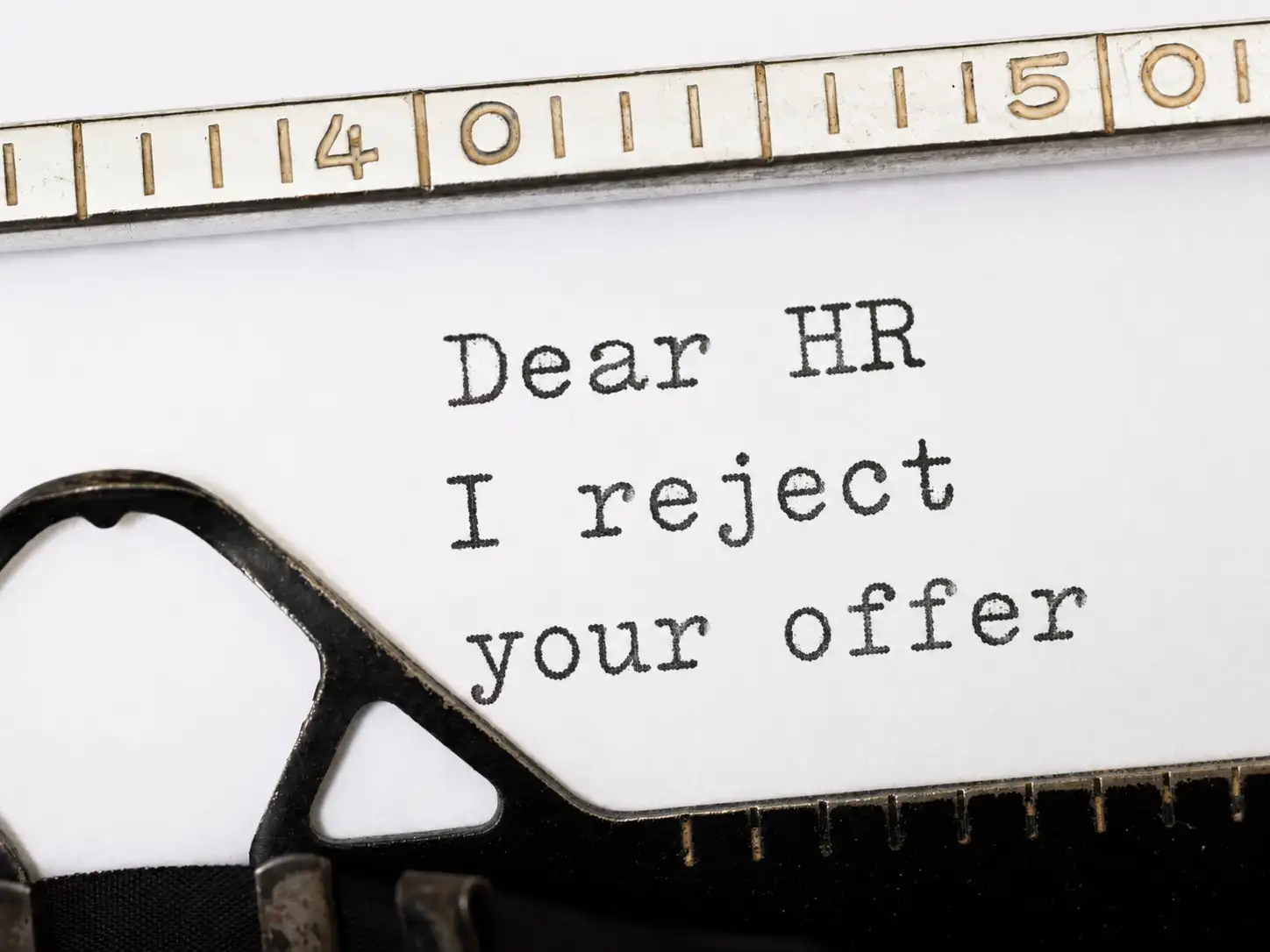
That workplace reality became the center of an online conversation after an X post shared by career coach Simon Ingari gained attention for depicting a tense exchange between an employee and HR during an exit interview.
What happened
The post described an HR representative asking an employee why they had decided to leave the company. The employee reportedly responded that the reasons were the same concerns raised during their last three one-on-one meetings.
According to the post, the employee cited low pay, lack of promotion, and a manager allegedly taking credit for their work.
When HR asked why the issues had not been raised earlier, the employee replied that the concerns had already been discussed six months ago, but they were told the company would “look into it.” The conversation then shifted when HR suggested such decisions take time.
Also Read: Company struggles with people urinating on wall until employee suggests a brilliantly simple fix
The exchange that drew the strongest reaction online came when the employee compared the company’s slow response to the speed of a competing employer.
“I gave the company 6 months. My new company made a decision in 6 days,” the employee said in the post.
The counteroffer
HR then reportedly asked whether the employee would reconsider if the company matched the outside offer.
The employee’s final response became the most widely discussed part of the conversation: “If I was worth that much now, why wasn’t I worth it before?”
Reactions from X users
The post triggered responses from users who said the scenario reflected a common workplace experience. One user commented that most employees “don’t leave suddenly,” arguing that many mentally disengage long before officially resigning. Another user wrote that companies often react only when replacing an employee becomes more expensive than retaining them.
Others pointed to the contrast between “six months of silence” and “six days of action” as a sign of where employees feel genuinely valued.
The discussion also touched on a wider issue in modern work culture: employees increasingly expect transparency, timely feedback, fair recognition, and visible career growth rather than delayed promises.
For many people online, the post was less about one resignation and more about a broader lesson in workplace culture: employees often decide to leave long before they actually walk out the door.