A teenager who sent a Facebook message saying she felt her life was over was described as hormonal and "dramatic".
Another distressed young woman who posted she was having trouble staying afloat was dismissed as a "typical female".
A post from a young man who wrote "the end" was written-off as a message about the finale of a TV show.
These responses to social media posts based on real messages from young people before they took their own lives have prompted a rural psychologist to launch an online suicide awareness movement.
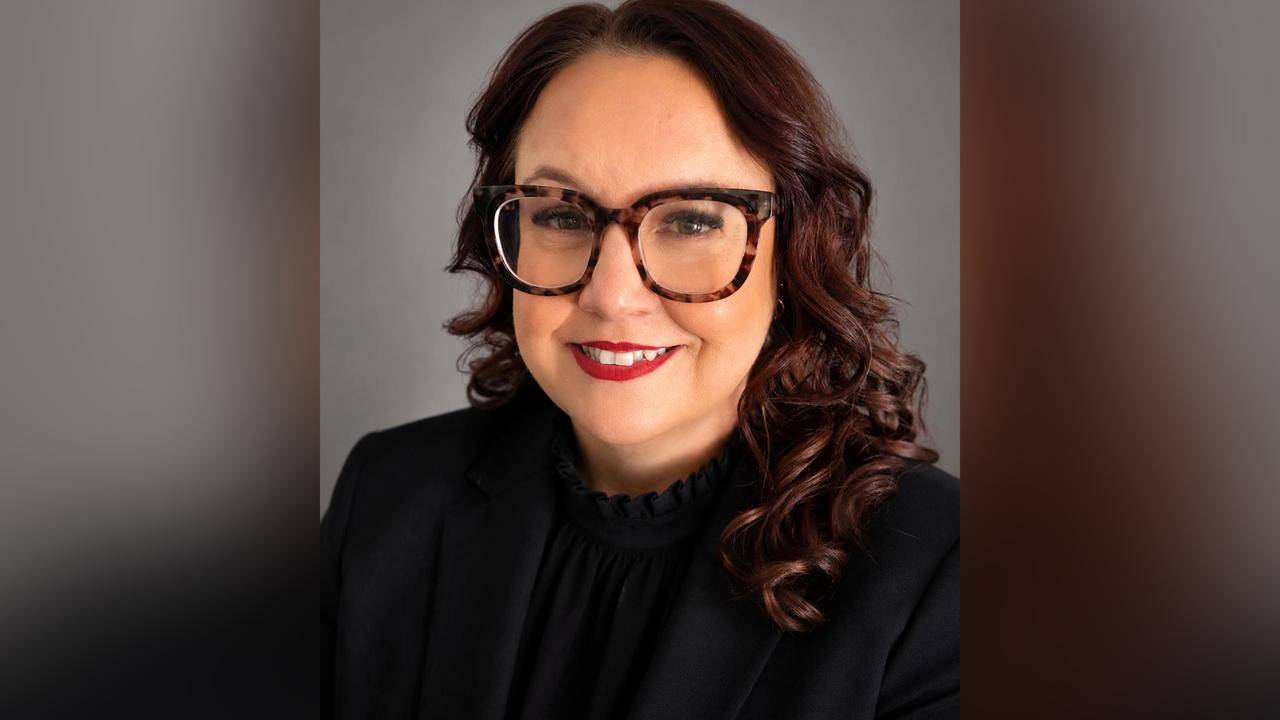
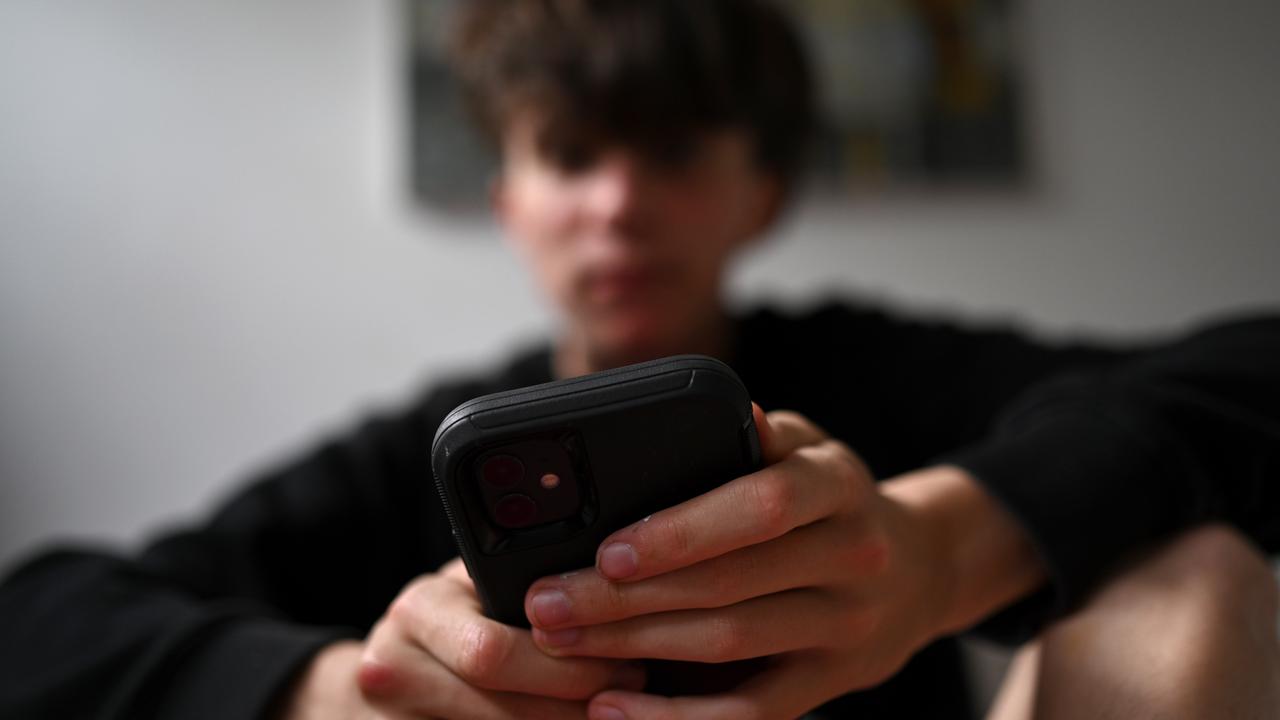
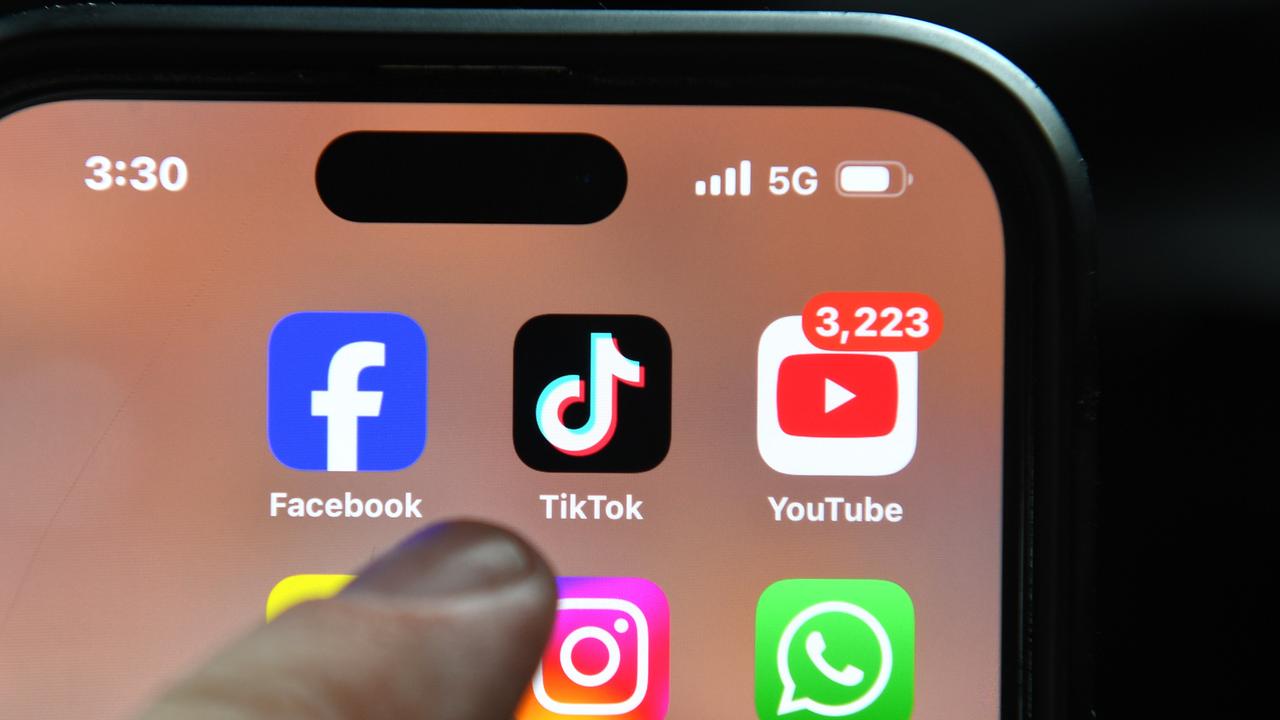
Annie Fardell Hartley's research examining the role of social media in suicidality found distressed young people may express themselves through memes, GIFs and veiled messages, and go online to regulate.
"Young people want to be seen, they want to be validated, they want some recognition," said Dr Fardell Hartley, an adjunct lecturer at Charles Sturt University.
"All of those things help to reduce or de-escalate their crisis in some way."
Dr Fardell Hartley interviewed five young adults who had previously experienced suicidal feelings, along with their family and friends.
A larger group of rural Australians was asked to view de-identified social media posts based on those from people overseas who took their own lives.
The participants were asked to rate the risk of harm, though they were not aware of the real-life outcome.
Despite many describing themselves as engaged and supportive, some revealed stigmatised views, Dr Fardell Hartley found.
Many believed online disclosures were attention-seeking, or related to hormonal changes and normal teenage development.
One example given to participants was a 15-year-old girl sending a Facebook message to a friend partly saying: "My life is over".
Some of the responses suggested the girl was "being dramatic".
"Given the hormonal changes that are experienced, it could be a feeling that will pass, such as a bad post break-up spell," one response said.
Another example of a 16-year-old girl who put a disturbing post on Instagram in the middle of the night was interpreted as attention-seeking.
Those views shocked Dr Fardell Hartley, who has been a rural clinician for 26 years, prompting her to roll-out workshops and soft launch an online campaign called Be The Reply Not The Seen.
It is a call for social media users to connect with others when they see worrying posts.
"Don't be the person who just gives a quick glance and scrolls by," Dr Fardell Hartley said.
Adults, who are often deliberately excluded from their children's posts, should trust young people's mental health literacy and listen to any concerns about a peer, she said.
Parents, teachers and sports coaches should also talk openly about any concerns.
"Prevention is everyone's business," she said.
"It's not about airing dirty laundry when it comes to safety, it's about keeping people alive."
Lifeline 13 11 14
Kids Helpline 1800 55 1800 (for people aged 5 to 25)