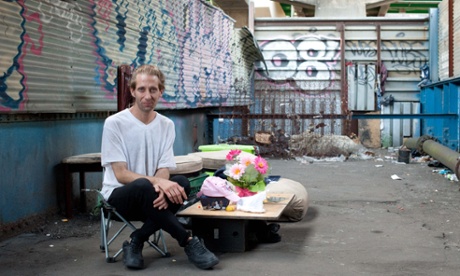
I didn’t intend Shelly to use the $40 I gave her to buy four bags of heroin, but I wasn’t surprised when she did. The money was supposed to go to buying time for her cellphone and to get her nails done. Instead of returning to my van with both, she entered with drugs hidden in her crotch. She pulled the bag out with a laugh intended to blunt my coming scold. “I know you are disappointed, but it’s not like I can come back here and not use,” she said.
As I voiced my frustration, she began injecting. It was a ritual I had witnessed often over the years I had known her, but one I hadn’t seen in the 11 months since she started a two-year inpatient rehab. Three months ago she had fled the rehab and landed back on the streets, and I was back to visit her.
I wasn’t angry. Four years ago, before I started my project documenting the lives of street addicts in the Bronx, I would have been.
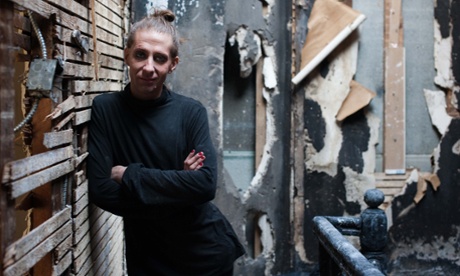
Despite our huge differences, Shelly has become not just a photography subject, but also a friend: we talk almost daily, gossiping, arguing and offering each other advice and support.
In doing so, I have come to realize how hard it is for someone who has been living on the streets for 24 of her 39 years to quit drugs. I’ve seen how strong a community Shelly is part of, and how getting clean would require her to leave behind those she considers family.
I have also realized Shelly might never be able to quit drugs. I will continue to urge that she quits, and when she does try, I will do my best to support her. Yet when she fails and starts using again, I will stay her friend and help her.
People will say I am enabling, but I have no problem with that. Life isn’t black and white, and my friends are not characters in a Hollywood movie that ends happily.
Shelly was born Michael in a small upstate New York town. She was molested as a child, and when she told her parents “they blamed me, saying if you weren’t gay it wouldn’t have happened”.
Harassed for her desire to become a woman, she ran away at 15. “When I started with drugs and then working the streets, I just wanted attention. I didn’t get it where I should have, at home, but the johns gave it to me.”
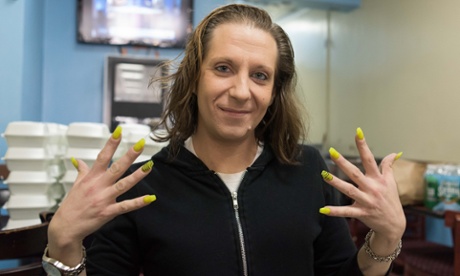
In the Bronx, Shelly joined a community of street addicts who accepted and understood her, most of them having also escaped trauma. Most are women fleeing sexual abuse by relatives. On the streets they turn to drugs to forget, and then prostitution to pay for the drugs. They split their time between various makeshift homes and government institutions, living under bridges, abandoned houses, scammed apartments, jails or rehab centers.
When Shelly first arrived in the Bronx she found a street mother in Nikki, an older trans person who had also fled home and also wanted to change her gender. On the streets, relationships are couched in the language of family: Nikki is Shelly’s mother, Pepsi her sister, and Ramone her brother. These are not just words: her street family became the emotional and structural center of her life, a void her blood family could not fill.
When I first met Shelly, she had been through two decades of addiction and living on the streets. She had accumulated a record of over 100 arrests, and had a drug habit that cost her $200 a day. She viewed me as another man who wanted something from her, only pictures and stories, not sex.
At first I only offered her free meals in the local McDonald’s, and a platform for her to tell her story. As we got closer, I offered her and her friends clothing and blankets.
They sold those at half the price I paid to buy drugs. I wasn’t about to see good money thrown away, so I turned to giving money straight up, especially when someone was dope sick and desperate. “Thanks for the $20, that is one less dick I need to suck tonight,” she’d say.
Giving money for drugs never felt good; it made me feel complicit in their situation. I consoled myself that I was an outsider and didn’t – and probably couldn’t – understand their situation.
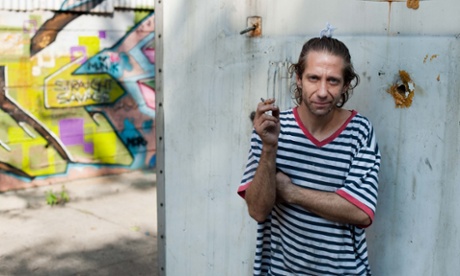
But as our friendship grew, I attempted to help Shelly, and others in her street family, get clean. That included drives across the country and close to 40 trips to various and dreary rehab centers.
Each attempt failed. Shelly sometimes left only hours after being dropped off, and always returned back to her street family: “I can’t leave them, they are the only ones who understand and support me.”
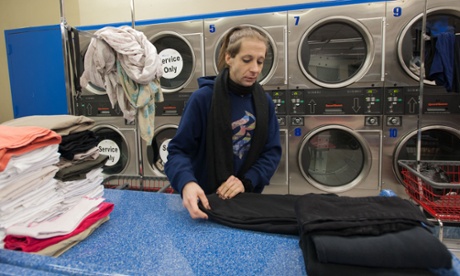
One time she stayed sober for two months, working in a local laundromat in her old neighborhood, folding and fluffing. Her street family also used the laundromat to clean up and buy drugs (hidden between folded sheets), so it was only a matter of time before she started exchanging folding and fluffing for heroin. After two months, she was back to 10 bags a day and living under a bridge.
With each failure, I started wondering if I was doing it for her or me – was I just trying to make myself feel better, to finally feel a sense of accomplishment, to find a bright light in what had become a dark few years?
It wasn’t just about friendship. Shelly and her friends had become my job, opening themselves up to my camera and allowing me to write about them. I was using them for work as much as they used me for help.
One year ago Shelly was in a tighter spot than usual, on the run from the police and on the outs from her street family, who accused her of being an informant. She was forced to live on the fringes of the neighborhood, a camp filled with men banished for breaking unwritten rules. “They always perving on you, when you sleeping, putting their hands on your junk when you out cold,” she said.
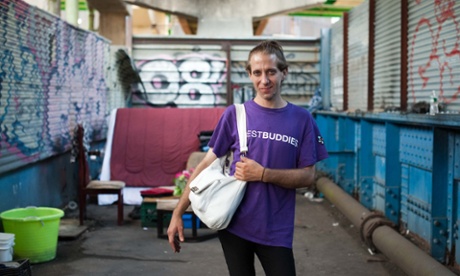
Her makeup and perfect nails were replaced by unshaved stubble and dirt. Her bra, filled with tissues, sat unused on the dirt floor. Going out meant a beating, so she hid beneath the bridge, unable to earn money. She turned to stealing at night, trying to sell whatever electronics she could lift.
She was eventually arrested for shoplifting and funneled through the system. Her past record of missed court dates and broken conditions earned her a month in Rikers, and a mandatory two-year stay in a Bronx rehab center.
This time, rehab worked. She was placed on a floor exclusively for trans women, and for the first time in her life she found a welcoming community that was also drug free.
I continued to photograph her and tell her story, and after two months of stability, I raised funds for her. The money was intended to be used to help her restart her life, included legally changing her name, getting a tattoo to cover the track marks left by three decades of drug use, and hopefully starting a career as a hairdresser.
Twice a month I met her for breakfast, a block from the rehab center, the farthest she was allowed to travel. I would pass her $70 for upping her phone, a trip to the beauty salon, and makeup.
Those first months I went with her to ensure the money was used properly, but eventually I trusted her. By the ninth month she was happier than ever, finally part of a community without drugs. She wrote letters almost daily:
“I have been in treatment for a little over five months. I am ecstatic. My addiction is in my past and NOT in my future. I am finally at one with myself … People think of addiction as forever or never. I used to be in the forever. Now I am in the never.”
I allowed myself to get a little optimistic, to start drifting down the path of thinking that maybe things can change, and that maybe I can help in some small way.
Yet, before I could get too excited, cracks started to appear. She started focusing on her family still out on the streets. “Is Pepsi still in Rikers, or did they send her upstate? Are Ramone and Sarah still together?”
Text messages came at odd times, requests for money came with long stories attached to them, and she complained of boredom and perceived slights from others in rehab.
When I next met her for breakfast, her nails were unpainted.
Her privileges to go outside had been revoked, but she met me anyway, sneaking out, looking haggard and acting secretive. I bought her a meal and gave her the leftover change, just under the price of a bag of heroin, a test to see if she would ask for the difference. She didn’t.
A week later, she ran away from the facility. I was away on a trip, and started receiving nightly texts pleading for help. When I didn’t respond she became angry and manipulative, threatening to hurt herself.
After four years of temporary ups, always followed by crashing downs, I had given up on Hollywood endings. I had also given up on Hollywood plots. Shelly’s life on the streets wasn’t all bad, and the life being offered to her without drugs certainly wasn’t all good. Redemption, or peace from a lifetime of wrongs, wasn’t just going to come from a lack of drugs in a court-mandated facility.
I sent her money – half of what I would normally give – but enough for her to supposedly keep her phone alive (making sure to account for it from my own money, not the money I had raised to help her.)
When I got back from my trip and met her in the Bronx, she asked for the $40. I gave it to her for her phone, even though I knew she would probably return to the van with drugs.
I wish it were different. I wish she and countless others had not been abused at 13 and fled their homes, finding temporary solace in drugs, forming families on the streets with other addicts, being hassled by cops for most of their lives.
But they have, and that, rather than happy Hollywood endings, is reality.