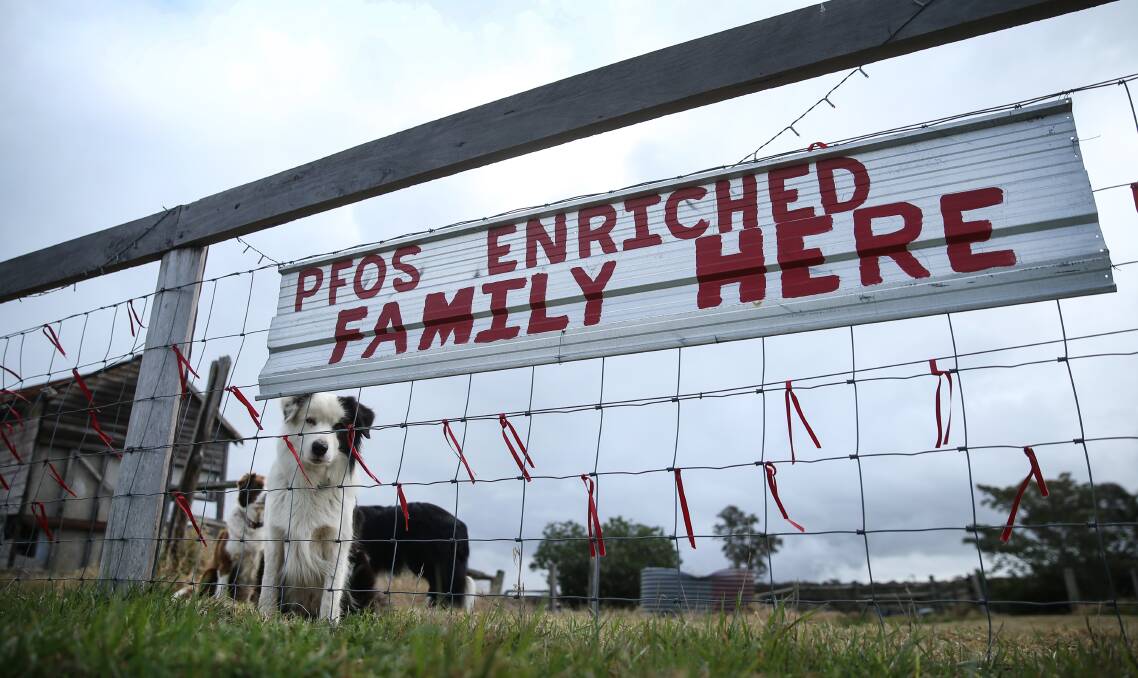
Red Zone residents whose lives have been devastated by PFAS contamination will have the opportunity to provide feedback to a government sub-committee about the effectiveness of multi million dollar remediation efforts.
Several community representatives have been selected to provide evidence about their lived experiences at a meeting of the PFAS sub-committee of the Joint Standing Committee on Foreign Affairs, Defence and Trade next Friday.
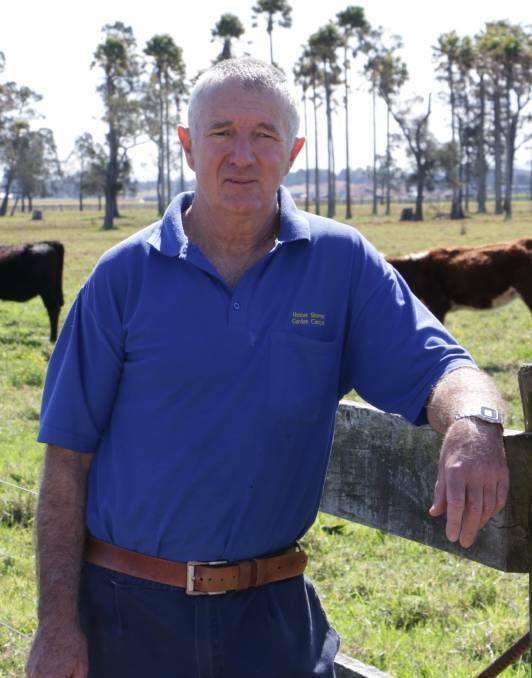
"I can tell you my evidence will be blunt," Fullerton Cove resident Lindsay Clout who will give evidence said.
"We are at a crossroads. If we continue down the road we are on we will reach a sign that says 'Do nothing and let the community rot'."
The committee's deputy chairwoman Paterson MP Meryl Swanson said she understood many in the community were dissatisfied with the lack of progress.
"The committee is seeking an update from the community, and whilst I know the community are frustrated, it's critical that government members started to take note," she said.
"Our community has had to battle just to be heard, and still no Liberal PM has ever fronted up.
"It's simply outrageous that the Morrison government has spent $100 million on remediation, and yet there has been no substantial benefit off base.
Department of Defence representatives will also attend next Friday's virtual meeting.
The department advised via a community newsletter in September that PFAS contamination levels across the Williamtown Red Zone remain much the same as they were in 2017 despite an investment of more than $100 million to clean up the pollution.
Residents whose property values have plummeted as a result of the contamination scandal were stunned when they learned that groundwater contamination had not changed in four years.
"The results of ongoing monitoring show that the nature and extent of PFAS contamination in groundwater has not changed substantially since 2017," the community information leaflet said.
"While there have been minor variations in PFAS concentrations at some locations a significant trend is yet to emerge."
Salt Ash resident Rob Roseworn said he would have liked to give evidence to the committee but was not invited.
"This should never have been a political issue," he said.
"There are so many unanswered questions about PFAS pathways.
"If we are not drinking, bathing or consuming food from the Red Zone how is it getting into our systems?"
The Department of Defence has spent more than $100 million in recent years to mitigate the impact of PFAS from its properties around Australia. A significant portion of the funding has been spent at Williamtown, one of the worst contaminated sites in Australia.
Projects include water treatment plants, source area soil excavation and soil treatment, as well as on-base drain maintenance.
The Federal Court hearing held as part of last year's $86million class action against the Department of Defence heard that many properties in the Red Zone had lost 20 per cent of their value in the past five years.
While the class action settlement brought some compensation to the action's members, it did nothing to repair the damaged environment.