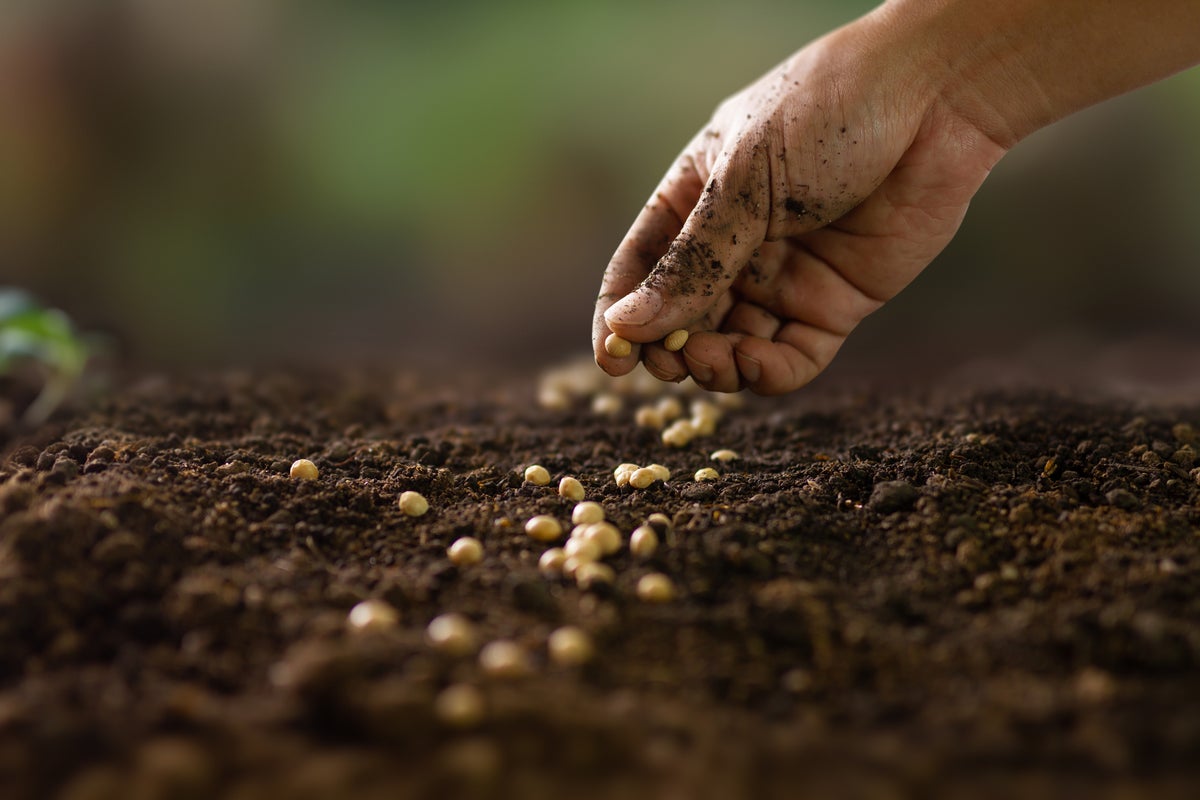
As spring approaches, February offers gardeners a crucial window to prepare for a flourishing season. With winter's grip loosening, this month is ripe for essential preparatory tasks, both indoors and out.
From nurturing nascent seedlings to revitalising dormant houseplants, these efforts will prime your garden for the warmer months.
Sow seeds
Embrace new growth by starting seeds indoors. Lettuces, tomatoes, peppers, chillies, salad crops, kale, peas, and leeks can be sown under cover.
For flowers, cosmos, salvias, and sweet peas are excellent choices. If soil is unfrozen and well-drained in mild areas, sow broad beans, cabbages, carrots, and parsnips outdoors under cloches. Otherwise, wait until March.
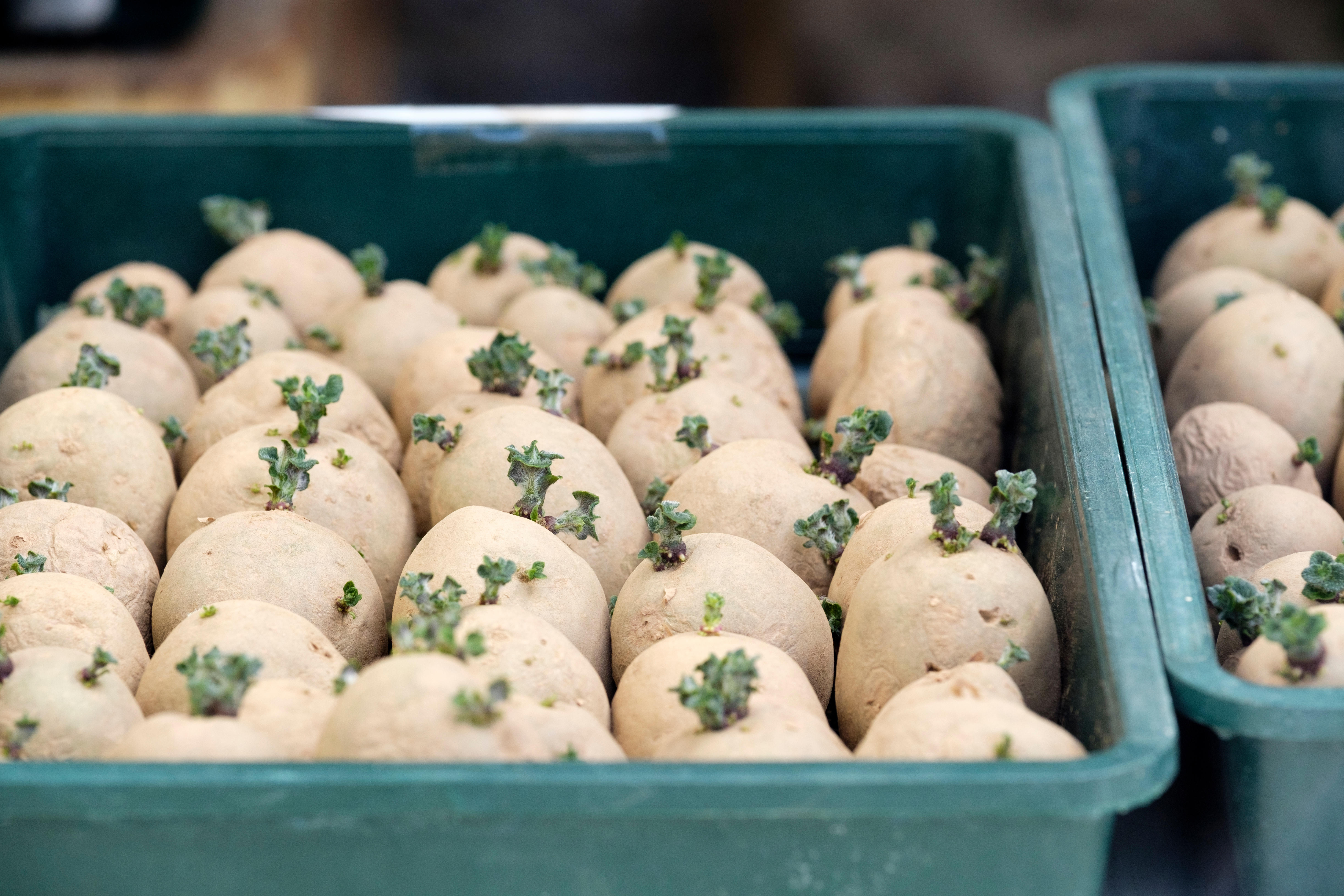
Chit potatoes
Give early seed potatoes a head start by 'chitting' them indoors.
Place 'new potatoes' – from garden centres – 'eye' side up in egg boxes or seed trays on a windowsill with indirect sunlight. Sprouts should reach 2cm in weeks, ready for planting out in March or April. For bigger potatoes, remove all but three or four chits.
Plant bare-root roses, fruit bushes and shrubs
Capitalise on cost-effective bare-root plants by getting them into the ground this month, provided soil is workable.
Bare-root roses and other shrubs planted now establish well before summer. Raspberry canes and bare-root strawberries can also be planted in February, if ground isn't frozen or waterlogged.
Prune winter-flowering shrubs
February is prime for strategic pruning. Winter-flowering shrubs, like winter jasmine, should be cut back after flowering.
Later, prune roses, Group Two and Three clematis, wisteria, and summer-flowering shrubs such as buddleia and Hydrangea paniculata, which bloom on new wood. Tidy fruit bushes like blackcurrants and gooseberries for better structure.
Deciduous hedges can be cut before birds nest in March. Defer pruning spring-flowering shrubs like forsythia until after flowering, but cut back perennials and ornamental grasses for new growth.
Plant summer-flowering bulbs
Anticipate vibrant summer blooms by starting bulbs indoors. Lily bulbs can be initiated in a cool room or greenhouse. Pot up overwintered dahlia tubers, placing them in a bright, moist-compost location like a greenhouse. Give gladioli corms a head start by planting them in seed trays in a light, warm spot for an earlier display.
Check plant protection
February can still bring harsh cold. Inspect and secure all plant protection, shielding vulnerable specimens. Horticultural fleece and netting can wrap container plants or form frames for wall-trained varieties.
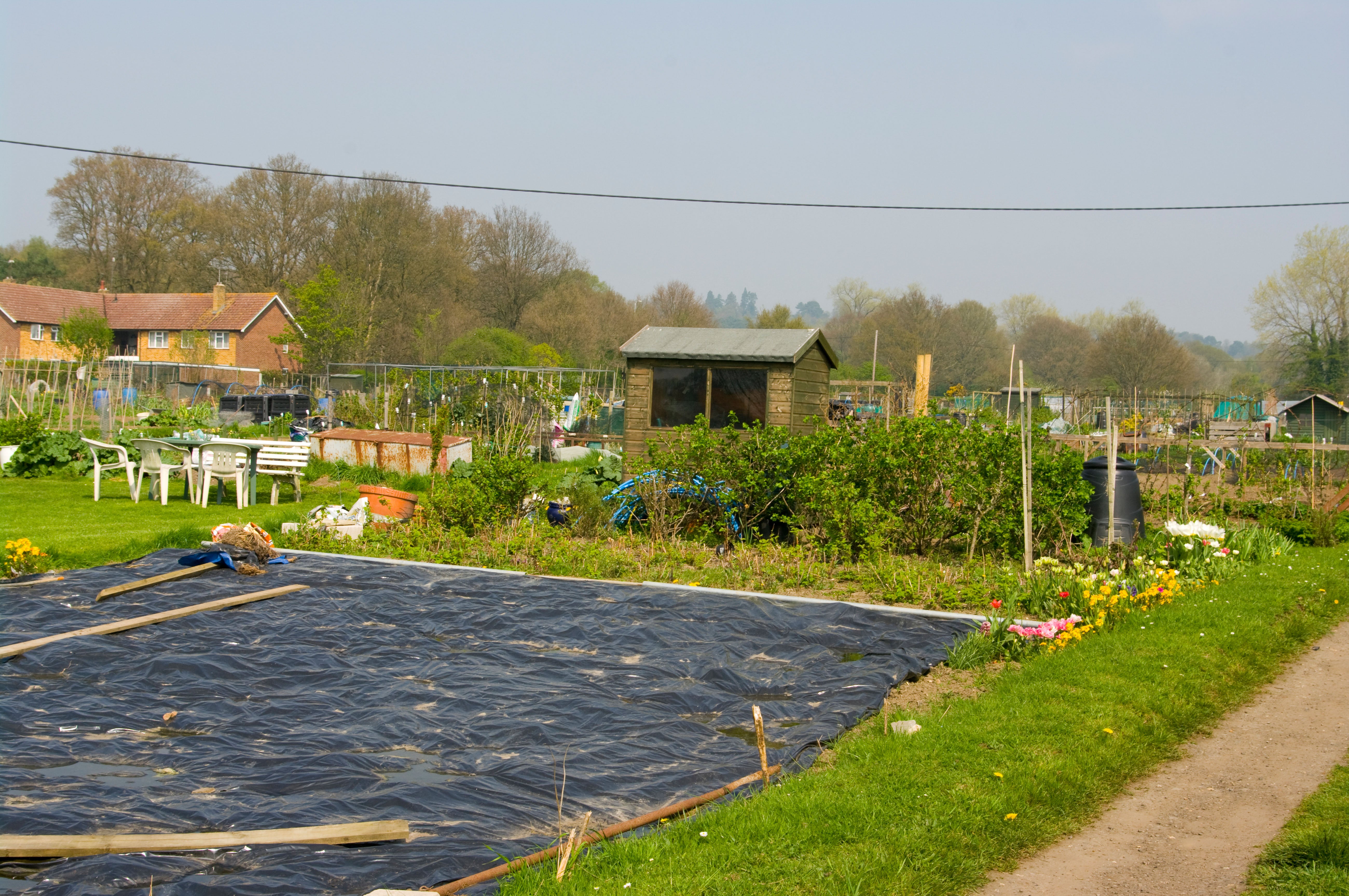
Warm the soil
Enhance direct planting success by pre-warming soil. Use cardboard, old sheets, bubble wrap, or cloches to protect ground from harsh elements, giving hardy plants a better start.
Delay planting hardier specimens until mid-February for more consistent warmth. Mulch trees, shrubs, and fruit bushes with organic matter like compost; this adds nutrients and protects roots.
Check on houseplants
Ensure houseplants receive ample light by moving them closer to windows, avoiding draughts. Resist overwatering; a finger test (damp soil means no water needed) or indicator helps. Dust leaves regularly to encourage photosynthesis.
Clean garden tools
Prepare for the busy season by cleaning and oiling all garden tools. Scrub pots for seed-sowing and service your lawnmower, anticipating its spring debut.
Deadhead flowers
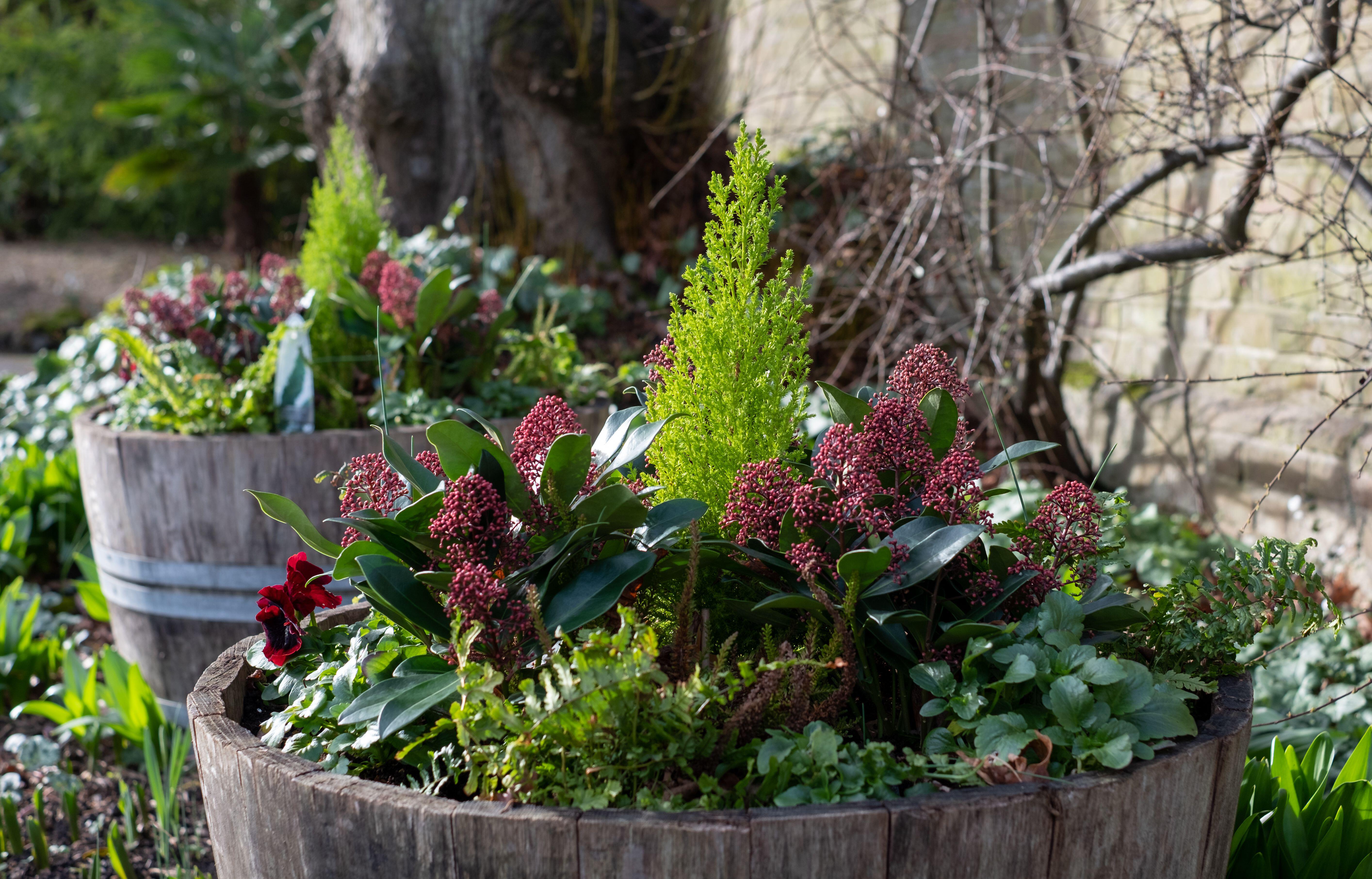
Revitalise winter-weary container plants by deadheading. Violas and pansies will rebound with vigour. Extend this to spent primula flowers and clear fallen leaves from containers, removing slug and snail hiding spots.
By diligently tackling these essential tasks now, gardeners can lay the groundwork for a vibrant and productive season, ensuring outdoor spaces are perfectly poised to burst into life with spring.
Want to eat well without overspending? Here’s how to high-low your food shop
Grammy Awards 2026: The most daring looks on the red carpet
‘My mum was diagnosed with dementia, so I invented new technology to help her’
The truth about what gel manicures are doing to your nails
Brilliant daffodil gardens to visit in spring
Grammy Awards 2026: The best dressed celebs on the red carpet