A Tokyo museum is working to identify where a number of photographs were taken soon after World War II, in a bid to discover new information about people's daily lives at that time and preserve local history and culture.
Pictures taken by American ornithologist Dr. Oliver L. Austin, Jr., (1903-88) are currently on display through May 6 at the National Showa Memorial Museum in Chiyoda Ward.
Among the 73 photos on exhibit, the dates and locations of about 20 have not been identified. The museum is asking visitors to provide information they might have about the photos.
According to the museum, Austin stayed in Japan from September 1946 to February 1950 as a manager of the Wildlife Branch of the Fisheries Division at the GHQ. He is said to have taken about 1,000 pictures overall.
In addition to photos for his research on birds, Austin also recorded scenes of lively shop streets and festivals in Shibuya Ward, where he lived, and other places. Many of them vividly depict the daily life of the period.
The photos were donated by Austin's family to Florida State University in the United States. They are all in color, a rarity for that time. The university and Japanese historians see them as valuable materials that capture aspects of Japan after the war and are trying to identify their locations and other information.
The museum has also put out unidentified photos that are not part of the exhibition and is asking visitors for any information about them as well.
Some visitors said that a shop in one of the photos is still open, which appears to have helped identify the place. "Photos are a key for knowing the history of local areas. If you have any tips about the photos, please let us know," said chief curator Kazuhiro Watanabe.
Local group makes pamphlet
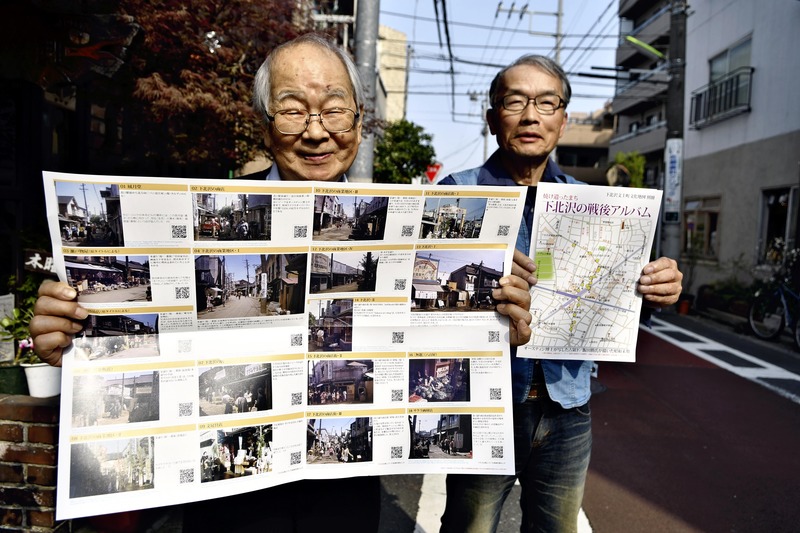
A Setagaya Ward group dedicated to preserving the cultural heritage around the Kitazawagawa river has created a pamphlet using photos taken by Austin.
The group selected 20 photos from Florida State University's website that seemed to have been taken around Shimokitazawa Station and interviewed about 30 people, including elderly people and owners of shops who are familiar with the area at the time when the photos were taken.
Based on the testimony of people who recalled the roads and the names of shops seen in the photos, the group identified the locations of 18 photos.
The pamphlets are provided free at Kitazawa Town Hall in Setagaya and the Setagaya Jashumon coffee shop, where the group is based. They are also on display at the Showa Museum.
"We want people to walk in Shimokitazawa with the map and feel how the town has changed, " said author Ken Kimura, a member of the group.
Read more from The Japan News at https://japannews.yomiuri.co.jp/